ring binder with lock
CN → US| HS Code | Tariff Rate | Origin | Destination | Doc |
|---|---|---|---|---|
| 3926909989 | 22.8% | CN | US | Official Doc |
| 3926908700 | 40.3% | CN | US | Official Doc |
| 4820300020 | 35.0% | CN | US | Official Doc |
Product Images
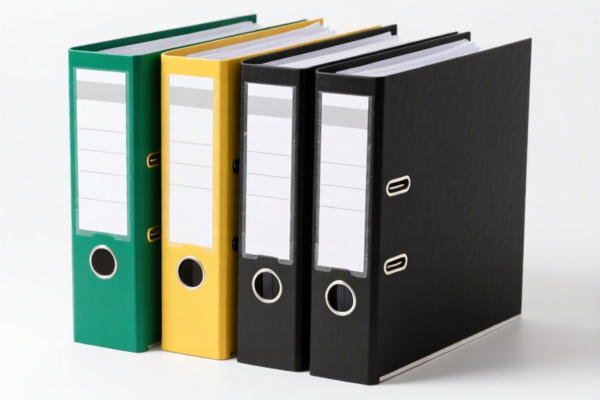
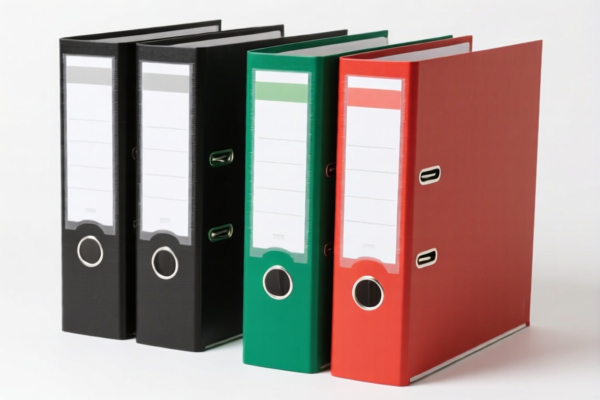
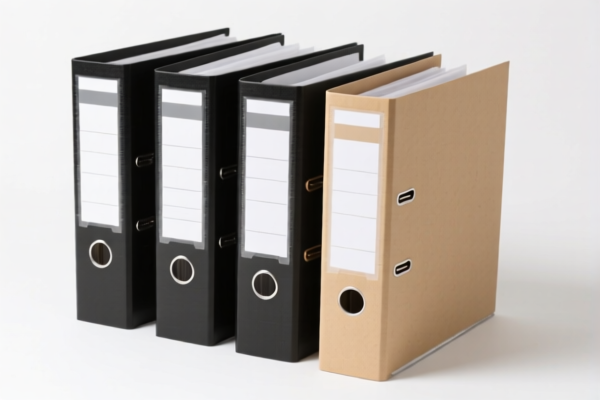
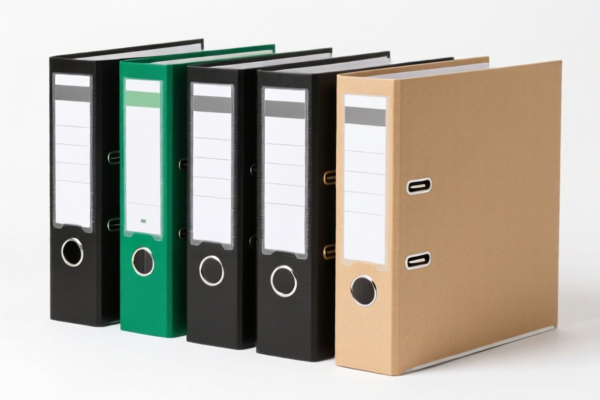
AI Analysis
📂 Plastic Ring Binders with Lock (Secured Storage Solutions)
🌐 HS Code Reference & Customs Clearance Guide | 2026 Latest Tariff Analysis | Professional Entry Strategy
📌 I. Product Definition & Classification: Is it Office Supplies or General Plastic Goods?
A "Ring Binder with Lock" is a specialized office supply designed for secure document storage. In international trade, its classification depends heavily on the primary material and specific structure. It is generally split into two main categories:
1. Plastic Ring Binders (with or without lock): Made primarily of plastic materials (polypropylene, PVC, ABS, etc.). These are classified under Chapter 39 (Plastics and Articles Thereof) because the locking mechanism is considered an accessory to the plastic article, not the primary characteristic. 2. Paper/Cardboard Ring Binders (with lock): Made primarily of paperboard, cardboard, or paper. These are classified under Chapter 48 (Paper and Paperboard) because the structural integrity comes from the paper-based material.
⚠️ Key Distinction Point:
- If the binder shell, spine, and rings are plastic →归入 HS 3926 (Other articles of plastics)
- If the binder shell is paper/cardboard (even if it has plastic rings or a metal lock) → 归入 HS 4820 (Notebooks, account books, etc.)
📦 II. HS Code Classification Details (2026 Latest Tariff Authority Comparison)
Based on the provided data, here are the exact classifications for binders with locks, categorized by material:
| HS Code | Product Description | Scenario | Material Composition | Tax Burden |
|---|---|---|---|---|
3926.90.99.89 |
Plastic ring binders, classified as "Other articles of plastics" | Standard plastic binders, generic locking mechanisms | ✅ 100% Plastic (Shell, Rings, Lock housing) | 22.8% |
3926.90.87.00 |
Plastic flat file binding clips/clamps | Specific type of plastic binder/clip, often flat or clip-style | ✅ 100% Plastic | 40.3% |
4820.30.00.20 |
Paper or cardboard material ring binders | Office binders where the main body is paper/board | ✅ Paper/Cardboard (Plastic/Metal accessories only) | 35.0% |
🔍 Critical Note:
- Plastic Binders (3926.90.99.89): This is the most common classification for standard plastic ring binders with a lock. The "lock" is deemed an integral part of the plastic article.
- Flat Plastic Clips (3926.90.87.00): If the "binder" is actually a flat clip or clamp made of plastic, it falls here. This has a higher tax rate (40.3%) than standard ring binders. Be careful not to misclassify a standard ring binder as a "clip" if it has rings.
- Paper Binders (4820.30.00.20): If the binder is made of cardboard/paper, even with a plastic lock or metal rings, it goes here. This is not a plastic good.
💰 III. 2026 Latest Tariff Rate Breakdown (Including Surtaxes & Policy Add-ons)
✅ Applicable Country: USA (US)
✅ Origin: China (CN)
✅ Effective Date: 2025/2026 (Current Trade Policy)
🎯 1. 3926.90.99.89 —— Plastic Ring Binders (Standard)
| Item | Details |
|---|---|
| Base Tariff | 5.3% (General MFN Rate) |
| Section 301 Surtax | +7.5% (Specific to this subheading under trade war measures) |
| Section 122 Tariff | +10% (Additional surcharge on certain Chinese imports) |
| Total Tariff | 22.8% |
| Tax Calculation | CIF Value × 22.8% |
| De Minimis Exemption | ❌ Not Applicable (Usually, Section 301 and 122 tariffs apply regardless of value for B2B, but check current $800 rule exceptions for small parcels) |
| Legal Basis | USITC:3926.90.99.89 + Section 301 Footnote + Section 122 Authority |
📌 Explanation:
- The 5.3% is the standard US tariff for "Other articles of plastics."
- The 7.5% is a specific Section 301 surcharge applied to this subheading.
- The 10% is the Section 122 tariff, targeting industrial competitiveness concerns.
- Total 22.8% is significant. Profit margins must account for this.
🎯 2. 3926.90.87.00 —— Plastic Flat File Binding Clips/Clamps
| Item | Details |
|---|---|
| Base Tariff | 5.3% |
| Section 301 Surtax | +25.0% (Higher surcharge rate for this specific plastic item) |
| Section 122 Tariff | +10% |
| Total Tariff | 40.3% |
| Tax Calculation | CIF Value × 40.3% |
| De Minimis Exemption | ❌ Not Applicable |
| Legal Basis | USITC:3926.90.87.00 + Section 301 Footnote + Section 122 Authority |
📌 Warning:
- If your "ring binder with lock" is actually a flat clip or clamp-style binder made of plastic, it falls here.
- 40.3% is very high. Many importers mistakenly classify these as3926.90.99.89(22.8%) to save tax. This is risky if the product is clearly a clip/clamp.
- Ensure your product description matches the HS Code definition.
🎯 3. 4820.30.00.20 —— Paper/Cardboard Ring Binders
| Item | Details |
|---|---|
| Base Tariff | 0.0% (Most paper articles have low or zero base tariffs) |
| Section 301 Surtax | +25.0% (High surcharge on paper products) |
| Section 122 Tariff | +10% |
| Total Tariff | 35.0% |
| Tax Calculation | CIF Value × 35.0% |
| De Minimis Exemption | ❌ Not Applicable |
| Legal Basis | USITC:4820.30.00.20 + Section 301 Footnote + Section 122 Authority |
📌 Note:
- Even though the base tariff is 0%, the 25% + 10% surtaxes make the total 35.0%.
- This is still lower than the flat plastic clip category (40.3%) but higher than the standard plastic ring binder (22.8%).
- Material declaration is critical: Must state "Paper/Cardboard shell with plastic/metal locks."
🛠️ IV. Customs Clearance Practical Advice (Avoiding Pitfalls)
✅ 1. Required Documentation Checklist
| Document | Mandatory? | Notes |
|---|---|---|
| ✅ Product Specification Sheet | ✔️ | Must clearly state material (Plastic vs. Paper), dimensions, and locking mechanism type. |
| ✅ Product Photos | ✔️ | Clear images of the shell material, rings, and lock. Must distinguish between plastic and paper. |
| ✅ Commercial Invoice | ✔️ | Describe accurately: "Plastic Ring Binder with Lock" or "Cardboard Ring Binder with Lock." Avoid vague terms like "Office Supply." |
| ✅ Packing List | ✔️ | Include net weight and gross weight. |
| ✅ Origin Certificate | ✔️ | To confirm China origin (subject to surtaxes). |
✅ 2. Declaration Tips (Key Mnemonic)
🔥 "Material First, Lock Second, Code Right, Tax Light!"
| Scenario | Correct Declaration | Incorrect Practice | Risk |
|---|---|---|---|
| Plastic Shell + Lock | 3926.90.99.89"Plastic Ring Binder with Lock" |
3926.90.87.00 ("Plastic Clip") |
Overpaying tax (40.3% vs 22.8%) |
| Paper Shell + Lock | 4820.30.00.20"Paper Ring Binder with Lock" |
3926.90.99.89 |
Misclassification, potential fines |
| Mixed Material | Declare Primary Material | Hide plastic parts | Customs audit, delay |
📌 Crucial: If the binder is plastic, do not call it a "clip" unless it is structurally a clip. Use "Ring Binder" for standard ring binders.
✅ 3. Special Cases
| Situation | Recommendation |
|---|---|
| Lock is Metal | Still classifies under Chapter 39 if the plastic body is the main feature. Declare as "Plastic binder with metal lock." |
| Lock is Plastic | Fully plastic. Use 3926.90.99.89. |
| OEM Custom Binders | Provide design specs to prove it is a "binder" and not a "clip." |
| Small Parcels (De Minimis) | Check if $800 threshold applies. Note: Section 301 and 122 tariffs may still apply to de minimis shipments from China depending on current enforcement. Assume taxes apply. |
🌍 V. Global Market Comparison (2026 Latest)
| Country/Region | Recommended HS Code | Total Tariff (China Origin) | Notes |
|---|---|---|---|
| 🇺🇸 USA | 3926.90.99.89 |
22.8% | High surtaxes. Be precise. |
| 🇺🇸 USA (Paper) | 4820.30.00.20 |
35.0% | Higher than plastic binders. |
| 🇨🇳 China | 3926.90.99.89 |
5.3% | No Section 301/122. Low tax. |
| 🇪🇺 EU | 3926.90.99 |
4.5% | No additional US-style surtaxes. |
| 🇯🇵 Japan | 3926.90.99 |
6.0% | Stable tariff. |
📌 Conclusion:
- The USA imposes the highest effective tariff due to Section 301 and Section 122.
- Plastic ring binders (3926.90.99.89) are the most cost-effective classification if made of plastic.
- Paper binders are surprisingly taxed higher in the US (35.0%) than plastic ones (22.8%) due to surtax structures.
📌 VI. Common Errors & Pitfalls (Lessons Learned)
❌ Error 1: Classifying a plastic ring binder as a "clip" (3926.90.87.00)
👉 Consequence: Overpaying 17.5% extra tax (40.3% vs 22.8%).
👉 Fix: Use "Ring Binder" in description, not "Clip" or "Clamp."
❌ Error 2: Classifying a paper binder as plastic (3926.90.99.89)
👉 Consequence: Underpayment, customs penalty, potential seizure.
👉 Fix: Declare material accurately. If shell is cardboard, use 4820.30.00.20.
❌ Error 3: Vague description "Office Organizer"
👉 Consequence: Customs inspection delay, potential reclassification to highest possible rate.
👉 Fix: Use specific terms: "Plastic Ring Binder with Lock."
✅ Correct Declaration Example:
"Plastic Ring Binder with Combination Lock, PP Material, 100% Plastic, Model XYZ, Used for Document Storage"
🎯 VII. Conclusion: Professional Declaration, Cost Control!
🎯 Remember the Mantra:
🔹 "Plastic Ring Binder: 22.8% (Best for Plastic)"
🔹 "Plastic Clip/Clamp: 40.3% (Avoid if possible)"
🔹 "Paper Binder: 35.0% (Higher than Plastic)"
🔹 "Material Matters, Lock is Secondary!"
📌 Pro Tip:
- If you are importing large volumes, consider Advance Ruling from US Customs to confirm HS Code.
- Ensure your supplier's export documentation matches your import declaration exactly.
- For B2B imports, plan for 22.8%-35.0% total tax. Factor this into your pricing strategy.
📣 Immediate Action:
📞 Verify product material (Plastic vs. Paper)
📄 Choose correct HS Code (3926.90.99.89for plastic,4820.30.00.20for paper)
🚀 Declare accurately to avoid delays and overpayment!
✨ Professional Clearance Starts with Precise Classification!
💼 Every Percent Counts in International Trade!
Customer Reviews
About HS Code Classification
The Harmonized System (HS) is an internationally standardized nomenclature developed by the World Customs Organization (WCO) to classify traded products. Over 200 countries use the HS system as the basis for customs tariffs, trade statistics, and import/export regulations.
Each HS code follows a hierarchical structure:
- Chapter (2 digits) — Broad category of goods (e.g., Chapter 84: Machinery and Mechanical Appliances)
- Heading (4 digits) — More specific grouping within the chapter
- Subheading (6 digits) — Internationally standardized breakdown, used by all WCO member countries
- National subdivisions (8-10 digits) — Country-specific extensions for further classification, such as US HTSUS 10-digit codes
Correct HS code classification is essential for smooth customs clearance, accurate duty payment, and compliance with trade regulations. Misclassification can lead to customs delays, overpayment of duties, or penalties.
When importing from CN to US, the applicable tariff rates may include:
- Most-Favored-Nation (MFN) rate — The standard duty rate applied to WTO members
- General rate — Applied to countries without trade agreements
- Trade remedy duties — Additional tariffs such as Section 301 (anti-dumping), Section 232 (national security), or countervailing duties
The information provided on this page is for reference purposes only. For official classification, please consult with your local customs authority or a licensed customs broker.