rivet glue button
CN → US| HS Code | Tariff Rate | Origin | Destination | Doc |
|---|---|---|---|---|
| 3926909989 | 22.8% | CN | US | Official Doc |
| 8308206000 | 35.0% | CN | US | Official Doc |
| 3926908500 | 24.0% | CN | US | Official Doc |
| 5609004000 | 38.9% | CN | US | Official Doc |
| 5609003000 | 39.5% | CN | US | Official Doc |
Product Images
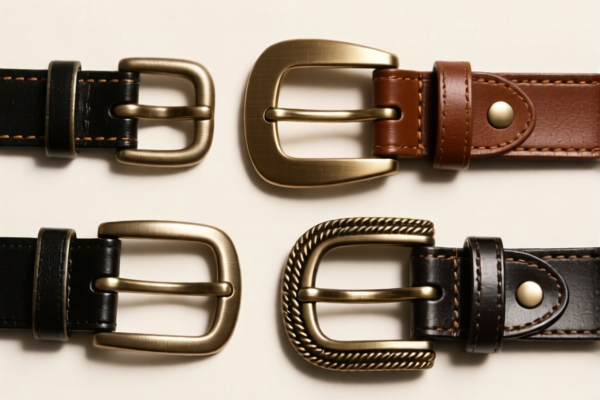
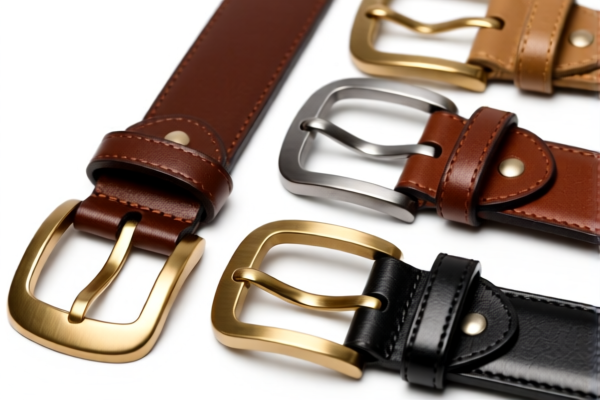
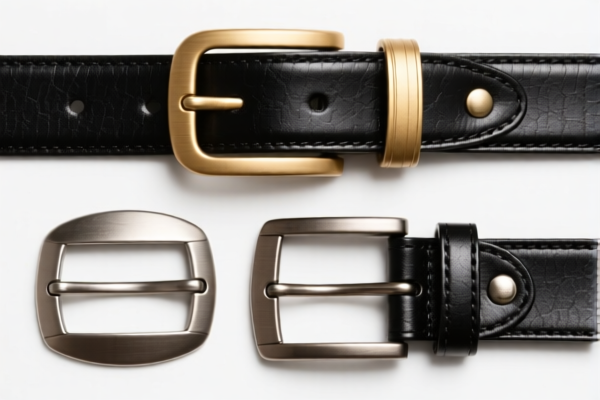
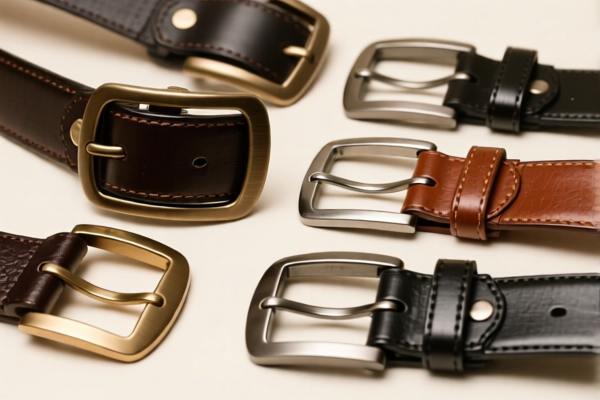
AI Analysis
🧵 Rivet Glue Button (Fasteners & Plastic Accessories)
🌐 HS Code Reference & Customs Clearance Guide | 2026 Latest Tariff Analysis | Professional Clearance Strategy
📌 I. Product Definition & Classification: Do You Really Understand "Rivets, Studs, Grommets, and Eyelets"?
"Rivet Glue Buttons" generally refer to fastening accessories used in apparel, luggage, and industrial textiles. They are primarily categorized based on their material composition (Plastic vs. Base Metal) and form/function (Clasps, Fasteners, or Cord-related items). In international trade, misclassification often leads to significant tax discrepancies due to the varying tariff rates between plastic goods, metal hardware, and textile accessories.
⚠️ Key Distinction Points:
- If the item is made of Plastic/Synthetic Resin and functions as a general fastener → Classified under 3926.90 (Other plastic articles).
- If the item is made of Base Metal and functions as a rivet/stud/clothes-fastener → Classified under 8308.20 (Tubes, rods, wires... and rivets/studs/grommets).
- If the item is specifically a Clasping Fastener made of plastic → Classified under 3926.90.85 (Clasps, fasteners...).
- If the item is derived from Cords/Ropes (e.g., decorative buttons on ropes) → Classified under 5609 (Articles of cordage, plaiting materials, etc.).
📦 II. HS Code Classification Details (2026 Latest Tariff Authority Comparison)
Based on the provided data, here are the specific HS Codes, summaries, and applicable tax rates for "Rivet Glue Buttons" depending on their specific material and design:
| HS Code | Product Summary | Material/Function | Total Tax Rate |
|---|---|---|---|
3926.90.99.89 |
Other Plastic Products | Plastic/Synthetic Resin. General plastic fasteners not specified elsewhere. | 22.8% |
8308.20.60.00 |
Tubes, Rods, Wires & Fasteners | Base Metal. Rivets, studs, grommets, eyelets. | 35.0% |
3926.90.85.00 |
Clasping Fasteners | Plastic. Specifically designed clasps/fasteners. | 24.0% |
5609.00.40.00 |
Other Articles of Cordage | Cords/Ropes. Derivative applications from ropes or belts. | 38.9% |
5609.00.30.00 |
Industrial Fixing Articles | Cords/Ropes. For industrial fixing purposes. | 39.5% |
🔍 Critical Reminder:
- Plastic vs. Metal: If your "Rivet Glue Button" is plastic, it falls under Chapter 39 (Plastics). If it is metal (even if small), it likely falls under Chapter 83 (Base Metal Articles).
- Function Matters: "Glue Buttons" that act as clasps (e.g., snap fasteners, hook-and-eye plastics) have a different rate (24.0%) than general plastic items (22.8%).
- Textile Derivatives: If the "button" is essentially a knot or part of a cordage system, it may be classified under Chapter 56, which carries the highest tariffs in this dataset (~39%).
💰 III. 2026 Latest Tariff Rate Details (Including Surcharges & Policy Add-ons)
✅ Applicable Country: United States (US)
✅ Origin: China (CN)
✅ Effective Date: 2025/2026 Tariff Structure
🎯 1. 3926.90.99.89 —— Other Plastic Products (General)
| Item | Content |
|---|---|
| Base Duty Rate | 5.3% |
| Section 301 Surcharge | 7.5% |
| Section 122 Duty | 10.0% |
| Total Tax Rate | 22.8% |
| Calculation Method | CIF Value × 22.8% |
| De Minimis Exemption | ❌ Not Eligible (High tariff rates usually exclude de minimis benefits for Chinese goods) |
| Legal Basis Path | HTSUS: 3926.90.99.89 → Section 301 List 3/4 → Section 122 Enforcement |
📌 Explanation:
- This is the "catch-all" category for plastic items that are not specifically named elsewhere.
- The 10% Section 122 duty is a specific enforcement mechanism often applied to certain Chinese goods to ensure compliance.
- Total Burden: 22.8% is moderate compared to metal or textile-derived items.
🎯 2. 8308.20.60.00 —— Base Metal Fasteners (Rivets/Studs)
| Item | Content |
|---|---|
| Base Duty Rate | 0.0% |
| Section 301 Surcharge | 25.0% |
| Section 122 Duty | 10.0% |
| Total Tax Rate | 35.0% |
| Calculation Method | CIF Value × 35.0% |
| De Minimis Exemption | ❌ Not Eligible |
| Legal Basis Path | HTSUS: 8308.20.60.00 → Section 301 List 4 → Section 122 Enforcement |
📌 Explanation:
- Although the base duty is 0%, the 25% Section 301 tariff significantly increases the cost.
- Warning: Many traders mistake metal rivets for "parts of clothing" (Chapter 61/62) which might have lower rates, but standalone metal hardware is taxed under Chapter 83.
🎯 3. 3926.90.85.00 —— Plastic Clasping Fasteners
| Item | Content |
|---|---|
| Base Duty Rate | 6.5% |
| Section 301 Surcharge | 7.5% |
| Section 122 Duty | 10.0% |
| Total Tax Rate | 24.0% |
| Calculation Method | CIF Value × 24.0% |
| De Minimis Exemption | ❌ Not Eligible |
| Legal Basis Path | HTSUS: 3926.90.85.00 → Section 301 List 3 → Section 122 Enforcement |
📌 Explanation:
- If your "Glue Button" is specifically designed as a clasp (e.g., plastic snap fasteners), this code applies.
- The base rate is slightly higher (6.5%) than general plastics (5.3%), but the total is still lower than metal counterparts.
🎯 4. 5609.00.40.00 & 5609.00.30.00 —— Cordage/Textile Derivatives
| Item | Content |
|---|---|
| Base Duty Rate | 3.9% (40) / 4.5% (30) |
| Section 301 Surcharge | 25.0% (Both) |
| Section 122 Duty | 10.0% (Both) |
| Total Tax Rate | 38.9% (40) / 39.5% (30) |
| Calculation Method | CIF Value × ~39% |
| De Minimis Exemption | ❌ Not Eligible |
| Legal Basis Path | HTSUS: 5609.00.40.00 / 5609.00.30.00 → Section 301 List 4 → Section 122 Enforcement |
📌 Explanation:
- These high rates apply if the item is considered an "article of cordage" or "textile material."
- Risk: If you declare a plastic rivet as a "textile accessory" to avoid plastic tariffs, you may face much higher taxes (39% vs 22.8%).
- Section 301 Impact: The 25% surcharge on these items is severe, making them the most expensive option in this dataset.
🛠️ IV. Customs Clearance Practical Advice (Battle-Proven Pitfall Avoidance)
✅ 1. Preparation Checklist (Must-Haves)
| Document | Required | Purpose |
|---|---|---|
| ✅ Product Photos | ✔️ | Clear view of material (shiny/metallic vs. matte/plastic). |
| ✅ Material Composition Sheet | ✔️ | Crucial for distinguishing Plastic (Ch 39) vs. Metal (Ch 83). |
| ✅ Function Description | ✔️ | Is it a "fastener," "clasp," or "decorative cord end"? |
| ✅ Commercial Invoice | ✔️ | Must accurately reflect the HS Code and country of origin. |
| ✅ Packing List | ✔️ | Weight and quantity details for duty calculation. |
✅ 2. Declaration Strategy (Key Mantra)
🔥 "Material First, Function Second, Name Precise, Tax Minimized!"
| Scenario | Correct Declaration | Wrong Action |
|---|---|---|
| Plastic Snap Fastener | 3926.90.85.00 (Clasp) |
Declare as "General Plastic Part" (3926.90.99) → Risk of audit if form clearly shows clasp mechanism. |
| Metal Rivet | 8308.20.60.00 |
Declare as "Plastic Button" → Fraud Risk! Customs X-ray will detect metal. |
| Plastic Button (General) | 3926.90.99.89 |
Declare as "Textile Accessory" (5609) → Unjustified high tariff (39% vs 22.8%). |
| Cord-Attached Decorative Button | 5609.00.40.00 |
Declare as "Plastic Toy" → Misclassification, penalties. |
✅ 3. Special Handling Tips
| Situation | Recommendation |
|---|---|
| Mixed Materials (Plastic Head + Metal Pin) | Generally classified as Plastic (Ch 39) if plastic constitutes the essential character, BUT consult a specialist. If metal dominates, it may go to Ch 83. |
| OEM/Private Label | Provide the end-user application (e.g., "for use in denim jeans") to support textile/fastener classification if applicable. |
| "Glue-Backed" Buttons | The adhesive does not change the material classification. A plastic button with glue is still a plastic article. |
🌍 V. Global Market Comparison (2026 Latest)
| Country/Region | Recommended HS Code | Estimated Tariff (China Origin) | Notes |
|---|---|---|---|
| 🇺🇸 USA | 3926.90.99.89 (Plastic) |
22.8% | Includes 301 + 122 duties. |
| 🇺🇸 USA | 8308.20.60.00 (Metal) |
35.0% | High 301 surcharge. |
| 🇪🇺 EU | 3926.90 / 8308 | ~0-5% | Generally low base rates, VAT applies separately. No Section 122/301 equivalents. |
| 🇨🇳 China | 3926 / 8308 | ~5-10% | Import duties for re-export hubs. |
| 🇦🇺 Australia | 3926 / 8308 | ~5% | GSP benefits may apply for some origins. |
📌 Conclusion:
- USA is the most complex market for these items due to the layered tariffs (Base + 301 + 122).
- Material Choice is Cost-Driven: Plastic fasteners (~23-24%) are significantly cheaper to import into the US than metal (35%) or cordage-derived (~39%) items.
📌 VI. Common Errors & Pitfalls (Blood & Tears Lessons)
❌ Error 1: Declaring Metal Rivets as "Plastic Buttons" to avoid 301 tariffs.
👉 Consequence: Customs X-ray reveals metal. Penalty, fine, and retroactive duty payment!
❌ Error 2: Declaring Plastic Clasps as "General Plastic Items" (99.89) when they fit "Clasps" (85.00).
👉 Consequence: While the rate difference is small (24.0% vs 22.8%), incorrect description can lead to audit delays.
❌ Error 3: Ignoring Section 122 Duties.
👉 Consequence: Failing to account for the 10% Section 122 duty results in underpayment and holds at the border.
❌ Error 4: Confusing "Cordage Articles" with "Textile Buttons".
👉 Consequence: Misclassification under 5609 leads to ~39% tax instead of ~23% for plastic.
✅ Correct Action:
"Plastic Snap Fastener, Model XYZ, 100% Polypropylene, For Apparel Use, HS 3926.90.85.00"
🎯 VII. Conclusion: Professional Declaration, Save Money, Save Time!
🎯 Remember the Mantra:
🔹 "Plastic is Cheap (22-24%), Metal is Expensive (35%), Cordage is Worst (39%)."
🔹 "Material Dictates Chapter, Function Dictates Sub-Heading."
📌 Pro Tip:
If your "Rivet Glue Button" is a custom OEM design, consider if it can be classified as a Clasp (3926.90.85.00) rather than a general article, as the rates are competitive and specific. Always request a Pre-Ruling from CBP if the volume is high and the classification is ambiguous.
📣 Immediate Action:
📞 Contact your customs broker with material specs and clear photos.
🚀 Classify Correctly, Clear Quickly, Keep Your Margins Healthy!
✨ Professional Customs Clearance Starts with Accurate Classification!
💼 Every Percentage Point of Duty is Pure Profit Loss if Declared Wrong!
Customer Reviews
About HS Code Classification
The Harmonized System (HS) is an internationally standardized nomenclature developed by the World Customs Organization (WCO) to classify traded products. Over 200 countries use the HS system as the basis for customs tariffs, trade statistics, and import/export regulations.
Each HS code follows a hierarchical structure:
- Chapter (2 digits) — Broad category of goods (e.g., Chapter 84: Machinery and Mechanical Appliances)
- Heading (4 digits) — More specific grouping within the chapter
- Subheading (6 digits) — Internationally standardized breakdown, used by all WCO member countries
- National subdivisions (8-10 digits) — Country-specific extensions for further classification, such as US HTSUS 10-digit codes
Correct HS code classification is essential for smooth customs clearance, accurate duty payment, and compliance with trade regulations. Misclassification can lead to customs delays, overpayment of duties, or penalties.
When importing from CN to US, the applicable tariff rates may include:
- Most-Favored-Nation (MFN) rate — The standard duty rate applied to WTO members
- General rate — Applied to countries without trade agreements
- Trade remedy duties — Additional tariffs such as Section 301 (anti-dumping), Section 232 (national security), or countervailing duties
The information provided on this page is for reference purposes only. For official classification, please consult with your local customs authority or a licensed customs broker.