roller
CN → US| HS Code | Tariff Rate | Origin | Destination | Doc |
|---|---|---|---|---|
| 9603404020 | 14.0% | CN | US | Official Doc |
| 4417008090 | 40.1% | CN | US | Official Doc |
| 9603402000 | 17.5% | CN | US | Official Doc |
| 4417004000 | 17.5% | CN | US | Official Doc |
| 4417008010 | 40.1% | CN | US | Official Doc |
Product Images
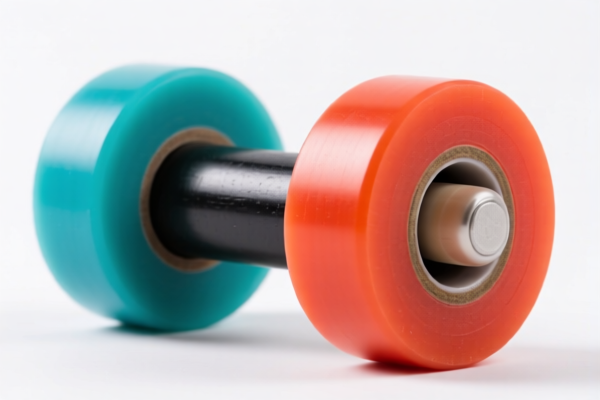
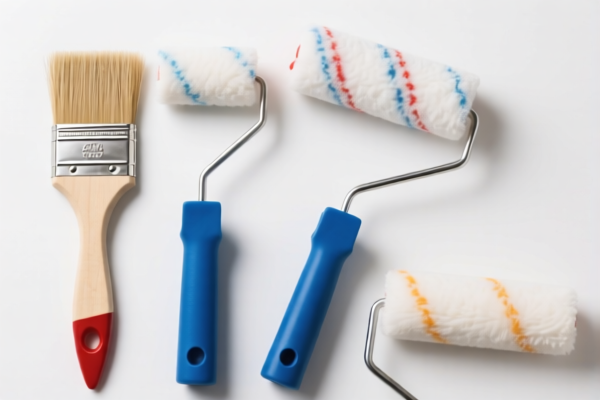
AI Analysis
🖌️ Roller Brushes & Paint Rollers: HS Code Classification & Customs Clearance Guide
🌐 HS Code Reference & Customs Strategy | 2026 Latest Tariff Analysis | Professional Clearance Protocol
📌 I. Product Definition & Classification: Do You Really Know What a "Roller" Is?
In international trade, the term "Roller" (specifically referring to cleaning/painting tools) is ambiguous and heavily dependent on material composition and intended use. The U.S. Customs and Border Protection (CBP) distinguishes between:
- Painting/Cleaning Rollers with Bristles/Strands: Classified under Chapter 96 (Brooms, Brushes).
- Rollers with Wooden Handles/Shafts: Classified under Chapter 44 (Wood and articles of wood), if they are considered parts or accessories of tools rather than the brushing head itself.
⚠️ Critical Distinction Point:
- If the item is a complete brush (rolling head + handle, or just the head designed to hold paint) → Chapter 96.
- If the item is a wooden component/accessory (e.g., the handle or sleeve core specifically designed for painting tools) → Chapter 44.
📦 II. HS Code Classification Details (2026 Latest Tariff Reference)
Based on the provided data, here are the five potential classifications for "Roller" products, detailed by structure, material, and tax implication.
| HS Code | Product Description | Key Characteristics | Estimated Total Tax |
|---|---|---|---|
9603.40.40.20 |
Roller Brushes / Paint Rollers | Complete brush product; matches "roller" category in classification explanations. | 14.0% |
4417.00.80.90 |
Wooden Roller Brush (Other) | Inferred wood material; fits "Other" category excluding tool handles. | 40.1% |
9603.40.20.00 |
Paint Rollers / Paint Rols | Specific for paint/varnish; morphology matches core definition of paint rollers. | 17.5% |
4417.00.40.00 |
Wooden Roller Accessory | Inferred wood material; matches usage/form of paint roller accessories. | 17.5% |
4417.00.80.10 |
Paint Roller (Non-Wood/Plastic Core) | Inferred non-wood material (plastic/fiber); classified as accessory/part of painting tools. | 40.1% |
🔍 Important Reminder:
- Chapter 96 generally applies to the brushing element (the part that applies the paint). - Chapter 44 applies if the item is considered a wooden part or if the classification interpretation prioritizes the material of the handle/core over the function of the bristles. - Misclassification Risk: Declaring a complete paint roller as a "wooden part" (Ch 44) may trigger higher duties (40.1%) compared to the correct "brush" classification (Ch 96, 14-17.5%).
💰 III. 2026 Latest Tariff Rate Breakdown (Including Surtaxes & Policy Additions)
✅ Applicable Country: United States (US)
✅ Origin: China (CN)
✅ Effective Date: Current tariffs include Section 301 & Section 122 (10%) surcharges.
🎯 1. 9603.40.40.20 —— Roller Brushes (Standard)
| Item | Details |
|---|---|
| Base Tariff | 4.0% |
| Section 301 Surcharge | 0.0% |
| Section 122 Tariff | 10.0% |
| Total Tax Rate | 14.0% |
| Calculation | CIF Value × 14.0% |
| De Minimis Exemption | ❌ Not Eligible (Deny de minimis for Section 122/301 items) |
| Legal Basis Path | HTSUS:9603.40.40.20 → Section 122: 10% |
📌 Explanation:
This is likely the most cost-effective classification for standard roller brushes, provided they are clearly defined as "brushes" and not wooden accessories.
🎯 2. 4417.00.80.90 —— Wooden Roller Brush (Other)
| Item | Details |
|---|---|
| Base Tariff | 5.1% |
| Section 301 Surcharge | 25.0% |
| Section 122 Tariff | 10.0% |
| Total Tax Rate | 40.1% |
| Calculation | CIF Value × 40.1% |
| De Minimis Exemption | ❌ Not Eligible |
| Legal Basis Path | HTSUS:4417.00.80.90 → Section 301: 25% → Section 122: 10% |
📌 Warning:
This classification incurs a 25% Section 301 tariff. It is significantly more expensive than Chapter 96 options. Only use this if the product is strictly defined as a "wooden article" and not a "brush."
🎯 3. 9603.40.20.00 —— Paint Rollers (Specific Use)
| Item | Details |
|---|---|
| Base Tariff | 7.5% |
| Section 301 Surcharge | 0.0% |
| Section 122 Tariff | 10.0% |
| Total Tax Rate | 17.5% |
| Calculation | CIF Value × 17.5% |
| De Minimis Exemption | ❌ Not Eligible |
| Legal Basis Path | HTSUS:9603.40.20.00 → Section 122: 10% |
📌 Note:
Slightly higher base rate than9603.40.40.20but still no Section 301 tariff. Suitable for dedicated paint/varnish rollers.
🎯 4. 4417.00.40.00 —— Wooden Roller Accessory
| Item | Details |
|---|---|
| Base Tariff | 0.0% |
| Section 301 Surcharge | 7.5% |
| Section 122 Tariff | 10.0% |
| Total Tax Rate | 17.5% |
| Calculation | CIF Value × 17.5% |
| De Minimis Exemption | ❌ Not Eligible |
| Legal Basis Path | HTSUS:4417.00.40.00 → Section 301: 7.5% → Section 122: 10% |
📌 Note:
Zero base tariff, but still subject to Section 301 and 122. Effective rate is the same as9603.40.20.00.
🎯 5. 4417.00.80.10 —— Paint Roller (Non-Wood/Plastic Core)
| Item | Details |
|---|---|
| Base Tariff | 5.1% |
| Section 301 Surcharge | 25.0% |
| Section 122 Tariff | 10.0% |
| Total Tax Rate | 40.1% |
| Calculation | CIF Value × 40.1% |
| De Minimis Exemption | ❌ Not Eligible |
| Legal Basis Path | HTSUS:4417.00.80.10 → Section 301: 25% → Section 122: 10% |
📌 Warning:
High tariff risk. If the product is a plastic/fiber core declared under Chapter 44, it faces the maximum 25% Section 301 tariff.
🛠️ IV. Customs Clearance Practical Advice (Real-World Pitfall Avoidance)
✅ 1. Required Documentation Checklist (Mandatory)
| Document | Must Provide | Purpose |
|---|---|---|
| ✅ Product Specification Sheet | ✔️ | Detail dimensions, materials (wood vs. plastic vs. bristle type), and usage (paint vs. cleaning). |
| ✅ Product Photos | ✔️ | Clear images of the roller head, handle, and any attached packaging. |
| ✅ Commercial Invoice | ✔️ | Must specify "Roller Brush" or "Paint Roller" with accurate HS Code. |
| ✅ Origin Certificate (CO) | ✔️ | Proof of origin (China) to apply correct surtaxes. |
| ✅ Packing List | ✔️ | Confirm no mixed shipments that could confuse customs. |
✅ 2. Declaration Tips (Key Mnemonics)
🔥 "Material Determines Chapter, Function Determines Subheading, Surcharge Determines Cost!"
| Scenario | Correct Declaration | Wrong Practice | Consequence |
|---|---|---|---|
| Complete Paint Roller | 9603.40.20.00 or 9603.40.40.20 |
Declare as "Wooden Part" (4417...) |
Tax Jump from 14% to 40% |
| Wooden Handle Only | 4417.00.40.00 or 4417.00.80.90 |
Declare as "Brush" (9603...) |
Customs Rejection/Seizure |
| Plastic/Fiber Roller Core | 4417.00.80.10 (if part) |
Declare as "Brush" | Misclassification Risk |
✅ 3. Special Cases Handling
| Case | Handling Advice |
|---|---|
| OEM Custom Rollers | Provide design blueprints showing material composition (e.g., "Bristles attached to wooden handle"). |
| Combined Sets (Roller + Tray + Paint) | Declare rollers separately. Paint is a different chapter entirely. Do not bundle into one HS Code. |
| Non-Chinese Origin | If the roller is made in Vietnam/Mexico, Section 301 and 122 may not apply. Check FTAs. |
🌍 V. Global Market Comparison (2026 Latest)
| Country/Region | Recommended HS Code | Est. Tax (China Origin) | Certification Requirements | Notes |
|---|---|---|---|---|
| 🇺🇸 USA | 9603.40.20.00 |
17.5% (Base 7.5% + 10% Sec 122) | No special certs | Avoid Ch 44 if possible (40.1% tax). |
| 🇨🇳 China | 9603.40.20.00 |
5-10% (Varies) | N/A | Lower duty for domestic entry. |
| 🇪🇺 EU | 9603.30 |
~6% | CE (if power-assisted), REACH | No Section 301/122. |
| 🇬🇧 UK | 9603.30 |
~6% | UKCA | Post-Brexit rules apply. |
📌 Conclusion:
- USA is the most complex market due to Section 301 and Section 122 surcharges.
- Chapter 96 is generally safer than Chapter 44 for brush-like products, avoiding the 25% Section 301 tariff.
- Always verify material: Wooden parts attract higher scrutiny and tariffs.
📌 VI. Common Errors & Pitfall Guide (Lessons Learned)
❌ Error 1: Declaring a paint roller as a wooden tool handle (4417)
👉 Result: 40.1% tax instead of 14-17.5%. Overpayment of ~26%!
❌ Error 2: Ignoring Section 122 (10%)
👉 Result: Even if base tariff is 0%, the 10% surcharge applies to most Chinese goods. Don't assume "0% Base = 0% Total".
❌ Error 3: Using vague descriptions like "Roller"
👉 Result: Customs may classify it as the highest-risk category. Always specify "Paint Roller Brush" or "Wooden Roller Handle".
✅ Correct Practice:
"Paint Roller Brush, Nylon Bristles, Plastic Core, Model XYZ" →
9603.40.20.00
"Wooden Roller Handle, Unfinished, For Painting Tools" →4417.00.40.00
🎯 VII. Conclusion: Precision Classification Saves Money!
🎯 Remember the Golden Rule:
🔹 "If it brushes, it's Chapter 96. If it's just wood/plastic part, it's Chapter 44."
🔹 "Chapter 96 avoids the 25% Section 301 tariff. Chapter 44 often triggers it."
🔹 "17.5% vs 40.1% — That's a 22.6% difference. Choose wisely!"
📌 Pro Tip:
If your rollers are originally from Vietnam, Mexico, or Thailand, you may be exempt from Section 301 (25%) and Section 122 (10%).
Action:
📞 Consult a licensed customs broker.
📝 Request an Advance Ruling (CBP Ruling) for uncertain material compositions.
🚀 Ensure smooth clearance, maximize profit, and avoid surprise tariffs!
✨ Professional Clearance Starts with Accurate Classification!
💼 Every Percentage Point Counts!
Customer Reviews
About HS Code Classification
The Harmonized System (HS) is an internationally standardized nomenclature developed by the World Customs Organization (WCO) to classify traded products. Over 200 countries use the HS system as the basis for customs tariffs, trade statistics, and import/export regulations.
Each HS code follows a hierarchical structure:
- Chapter (2 digits) — Broad category of goods (e.g., Chapter 84: Machinery and Mechanical Appliances)
- Heading (4 digits) — More specific grouping within the chapter
- Subheading (6 digits) — Internationally standardized breakdown, used by all WCO member countries
- National subdivisions (8-10 digits) — Country-specific extensions for further classification, such as US HTSUS 10-digit codes
Correct HS code classification is essential for smooth customs clearance, accurate duty payment, and compliance with trade regulations. Misclassification can lead to customs delays, overpayment of duties, or penalties.
When importing from CN to US, the applicable tariff rates may include:
- Most-Favored-Nation (MFN) rate — The standard duty rate applied to WTO members
- General rate — Applied to countries without trade agreements
- Trade remedy duties — Additional tariffs such as Section 301 (anti-dumping), Section 232 (national security), or countervailing duties
The information provided on this page is for reference purposes only. For official classification, please consult with your local customs authority or a licensed customs broker.