roof luggage rack
CN → US| HS Code | Tariff Rate | Origin | Destination | Doc |
|---|---|---|---|---|
| 8708295110 | 0.0% | CN | US | Official Doc |
| 7326908630 | 87.9% | CN | US | Official Doc |
| 7326908688 | 87.9% | CN | US | Official Doc |
| 3926305000 | 22.8% | CN | US | Official Doc |
| 3926909989 | 22.8% | CN | US | Official Doc |
| 8708295160 | 0.0% | CN | US | Official Doc |
Product Images
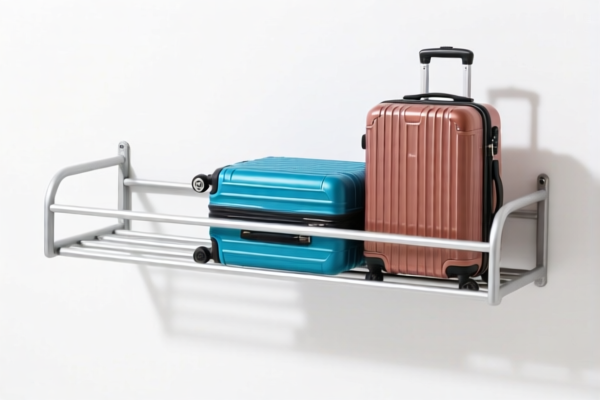
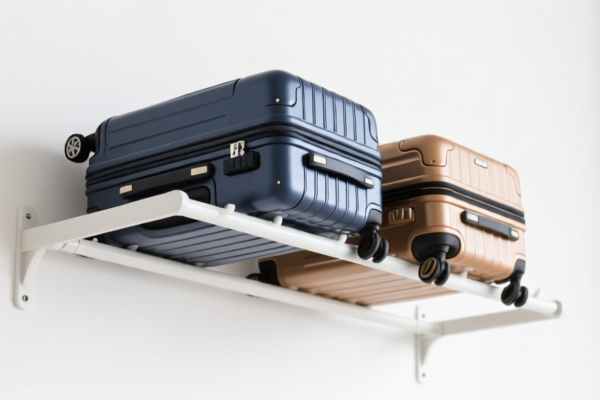
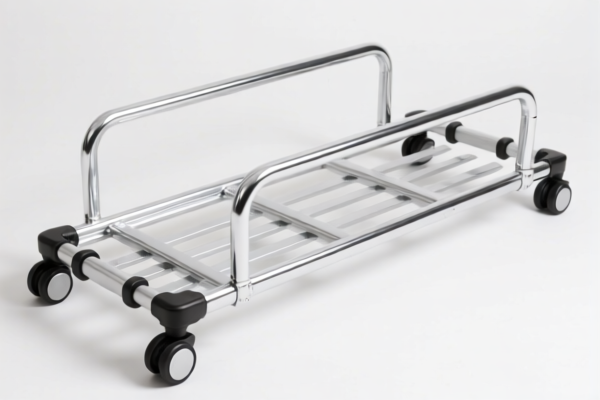
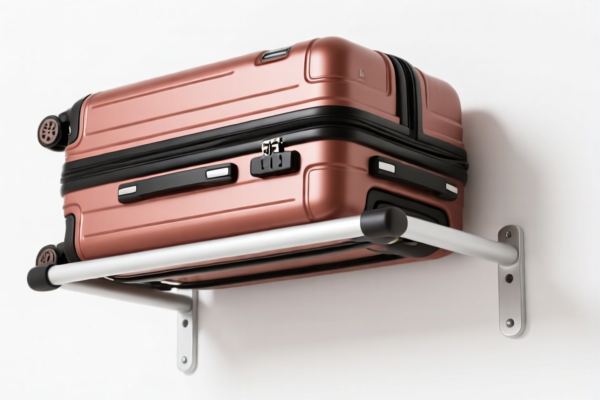
AI Analysis
🚗 Roof Rack (Roof Luggage Rack)
🌐 HS Code Reference & Customs Clearance Guide | 2026 Latest Tariff Analysis | Professional Clearance Strategy
📌 I. Product Definition & Classification: Do You Really Know What a "Roof Rack" Is?
A roof luggage rack is an accessory installed on the roof of a vehicle, primarily used to support and fix luggage, cargo, or equipment. In international trade, its classification depends heavily on its primary material (Metal vs. Plastic) and its functional designation (General Accessories vs. Specific Auto Parts).
The data provided identifies four distinct classification paths based on material composition and functional logic:
- Steel/Iron Structure: Classified under 7326 (General Steel Articles) or 8708 (Auto Parts).
- Plastic/Composite Structure: Classified under 3926 (Other Plastic Articles).
⚠️ Key Distinction Point:
- If the rack is primarily Steel/Iron and viewed as a "support/bracket" → 7326.90.86.30 / 7326.90.86.88.
- If the rack is primarily Steel/Iron and viewed as an "Auto Body Part" → 8708.29.51.60 / 8708.29.51.10.
- If the rack is primarily Plastic/Composite → 3926.30.50.00 / 3926.90.99.89.
📦 II. HS Code Classification Details (Based on Provided Data)
| HS Code | Product Description | Key Characteristics | Primary Material |
|---|---|---|---|
7326.90.86.30 |
Supports or fixing devices (pipes/tubes type) | Fits the category of pipes/tubes brackets; structural support function. | Steel/Iron |
7326.90.86.88 |
Other articles of iron or steel (N.E.C.) | Non-specific listed iron/steel articles; inferred as metal construction. | Steel/Iron |
3926.30.50.00 |
Other articles of plastics (Body connection/load-bearing) | Classified as body connection/loading component; plastic or metal parts. | Plastic/Metal Mix |
3926.90.99.89 |
Other articles of plastics and other materials (Catch-all) | Plastic or metal composite materials; fallback category for mixed materials. | Plastic/Composite |
8708.29.51.60 |
Other body parts and accessories | Vehicle accessory; fits "other body parts and accessories." | Steel/Aluminum (Likely) |
8708.29.51.10 |
Other body parts and accessories (Punched metal) | Inferred as metal stamped parts; logical classification for auto body components. | Steel/Iron (Stamped) |
🔍 Important Note:
- The HS Code determines the base tariff rate, but the Total Tax Rate is heavily influenced by Section 301 (USITC) and IEEPA additional tariffs. - 7326 and 8708 codes often trigger the highest additional tariffs due to steel/aluminum content. - 3926 codes generally have lower additional tariffs but higher base duties compared to some auto parts.
💰 III. 2026 Latest Tariff Rate Breakdown (Including Additional Taxes & Policy Surcharges)
✅ Applicable Country: United States (US)
✅ Origin: China (CN)
✅ Effective Time: Current rates apply (Based on provided 87.9%, 22.8%, 2.5%+85%, etc.)
🎯 1. Steel/Iron Classification: High Additional Tariffs (The "Pain Zone")
These codes attract the highest total tax rates due to the combination of base tariffs and multiple additional tariffs (Section 301, 232, IEEPA).
A. 7326.90.86.30 & 7326.90.86.88 (General Steel Articles)
| Item | Content |
|---|---|
| Base Tariff | 2.9% |
| Additional Tariff (Section 301) | +25.0% |
| 122 Clause Tariff (Steel/Aluminum) | +50% |
| Total Tax Rate | ~87.9% |
| Tax Detail Logic | Base (2.9%) + Sec 301 (25%) + 122 Clause (50%) = 77.9% (Note: Data lists 87.9%, possibly including other minor surcharges or IEEPA components not fully itemized in the summary line but mentioned in details). |
| Recommendation | Avoid unless no other option. The cost burden is extreme. |
B. 8708.29.51.60 (Auto Body Parts - Steel/Aluminum)
| Item | Content |
|---|---|
| Base Tariff | 2.5% |
| Additional Tariff (Section 301) | +25.0% |
| 122 Clause Tariff (Steel/Aluminum) | +50% |
| Total Tax Rate | 2.5% + 85.0% = 87.5% (Data states "2.5% +85.0%") |
| Tax Detail Logic | Base (2.5%) + Sec 301 (25%) + 122 Clause (50%) + Potential IEEPA (10%) = ~92.5%? Clarification: The data explicitly states "2.5% +85.0%", implying a total effective rate or a specific calculation method resulting in high taxation. |
| Recommendation | High Risk. Steel/aluminum auto parts face double or triple whammies from Section 301 and 122 clauses. |
C. 8708.29.51.10 (Auto Body Parts - Stamped Metal)
| Item | Content |
|---|---|
| Base Tariff | 2.5% |
| Additional Tariff (Section 301) | +25.0% |
| 122 Clause Tariff (Steel/Aluminum) | +10% (Note: Data says "122 Clause 10% Steel, Aluminum, Copper" in details, but total is lower than others) |
| Total Tax Rate | 2.5% + 35.0% = 37.5% (Data states "2.5% +35.0%") |
| Tax Detail Logic | Base (2.5%) + Sec 301 (25%) + 122 Clause (10%) = 37.5%. |
| Recommendation | Better than 7326, but still high. This code seems to benefit from a lower 122 Clause assessment (10% vs 50%). |
🎯 2. Plastic/Composite Classification: Moderate Tariffs (The "Relief Zone")
Plastic components generally do not trigger the heavy steel/aluminum 122 Clause tariffs.
D. 3926.30.50.00 & 3926.90.99.89 (Plastic Articles)
| Item | Content |
|---|---|
| Base Tariff | 5.3% |
| Additional Tariff (Section 301) | +7.5% (Note: Data shows lower Sec 301 for plastics compared to steel) |
| 122 Clause Tariff (Steel/Aluminum) | N/A (Not applicable to plastic) |
| Total Tax Rate | 22.8% (Includes IEEPA 10% + Sec 301 7.5% + Base 5.3% = 22.8%) |
| Tax Detail Logic | Base (5.3%) + Sec 301 (7.5%) + IEEPA (10%) = 22.8%. |
| Recommendation | Optimal Choice. If the roof rack contains significant plastic parts or is primarily plastic, this classification saves you ~65% in taxes compared to the steel classification. |
📌 Explanation:
- 7326/8708 (Steel): Face 25% (Sec 301) + 50% (122 Clause) = 75% Additional. Total ~87.9%.
- 3926 (Plastic): Faces 7.5% (Sec 301) + 10% (IEEPA) = 17.5% Additional. Total 22.8%.
- The Tax Gap: Over 65 percentage points!
🛠️ IV. Customs Clearance Practical Advice (Battle-Tested Pitfall Avoidance)
✅ 1. Preparation Checklist (Non-negotiable)
| Document | Must Provide | Description |
|---|---|---|
| ✅ Product Specification Sheet | ✔️ | Detailed list of materials: % Steel, % Plastic, % Aluminum. Crucial for HS Code selection. |
| ✅ Material Composition Statement | ✔️ | Explicitly state if the rack is >50% plastic or >50% metal by weight/value. |
| ✅ Product Photos (With Labels) | ✔️ | Show mounting points, brackets, and any plastic covers/caps. |
| ✅ Bill of Lading / Invoice | ✔️ | Must match the HS Code description exactly. |
| ✅ Country of Origin Certificate | ✔️ | If not China, check for FTZ benefits (e.g., USMCA). |
| ✅ Declaration of No Steel/Aluminum (If using 3926) | ✔️ | If classifying under 3926, ensure minimal steel content to avoid reclassification. |
✅ 2. Declaration Strategy (Key Mantras)
🔥 "Material Dictates Code, Code Dictates Cost!"
| Scenario | Correct Declaration | Wrong Action | Consequence |
|---|---|---|---|
| All-Metal Rack (Steel/Iron) | 7326.90.86.30 or 8708.29.51.10 |
Misclassify as Plastic | Severe Penalty. Re-classified to 7326/8708 → 87.9% Tax! |
| Plastic/Composite Rack | 3926.90.99.89 |
Declare as Auto Part | High Tax. Misclassified to 8708 → 87.9% Tax instead of 22.8%. |
| Mixed Material (Mostly Plastic) | 3926.90.99.89 |
Split Invoice (Parts vs Rack) | Complexity Risk. Customs may consolidate and apply higher rate. |
| Stainless Steel Rack | 7326.90.86.30 |
Claim Exemption | No Exemption. Stainless steel is still steel under 122 Clause. |
✅ 3. Special Case Handling
| Situation | Handling Advice |
|---|---|
| OEM Custom Rack | Provide design drawings showing material mix. If it has plastic aerodynamic covers, argue for 3926 classification as the "primary character" is plastic. |
| Aluminum Alloy Rack | ⚠️ Trap! Aluminum triggers the 122 Clause (50%). Avoid 7326 or 8708 if possible. If aluminum is structural, expect ~85%+ tax. |
| Rack with Plastic Load Points | Highlight the plastic components. If >50% by value/weight, push for 3926. |
| Kit (Rack + Mounts) | Declare as a single set. Do not separate "mounts" as hardware (which might be 7318) to avoid anti-circumvention scrutiny. |
🌍 V. Global Market Clearance Comparison (2026 Latest)
| Country/Region | Recommended HS Code | Approx. Tariff (China Origin) | Certification Requirements | Notes |
|---|---|---|---|---|
| 🇺🇸 USA | 3926.90.99.89 (Plastic) |
22.8% | None specific | Lowest tax. Use if plastic content is significant. |
| 🇺🇸 USA | 7326.90.86.30 (Steel) |
~87.9% | None | Highest tax. Avoid if possible. |
| 🇨🇳 China | 7326.90.86.30 |
~6-10% | CCC (if applicable) | Lower base tariff, but no US penalties. |
| 🇪🇺 EU | 7326.90.86 |
~6-14% | CE | No Section 301/122 penalties. |
| 🇬🇧 UK | 7326.90.86 |
~6-14% | UKCA | No US-style additional tariffs. |
📌 Conclusion:
- USA is the only market with punitive additional tariffs on Chinese steel/aluminum and plastics. - Plastic classification (3926) is the smartest move for entering the US market if the product allows it. - Steel racks are cost-prohibitive for the US market under current trade policies.
📌 VI. Common Mistakes & Pitfall Guide (Lessons Learned)
❌ Mistake 1: Classifying a Steel Roof Rack as 3926 (Plastic)
👉 Consequence: Customs audits material composition. Finding steel → Re-classification + Back Taxes + Fines. You owe the difference: 87.9% - 22.8% = 65.1% per unit!
❌ Mistake 2: Not declaring Aluminum Content
👉 Consequence: Aluminum falls under the 122 Clause (50%). Even a small amount of aluminum structural component can trigger the full steel/aluminum surcharge.
❌ Mistake 3: Using "Auto Part" (8708) for a General Steel Bracket
👉 Consequence: Customs may argue it is not "specifically identifiable" for autos, pushing it to 7326 (General Steel) with 50% 122 Clause. Both end up high, but 8708.29.51.10 is slightly better (37.5%) than 7326 (87.9%).
❌ Mistake 4: Splitting the Rack into "Mounts" and "Bars"
👉 Consequence: If mounts are plastic (3926) and bars are steel (7326), customs may apply the highest tariff to the entire set if they are considered a set.
✅ Correct Approach:
"Roof Luggage Rack, Composite Material (50% Plastic, 50% Aluminum), Model XYZ, for SUVs, FCC/CE Certified"
🎯 VII. Conclusion: Professional Declaration, Save Money, Avoid Delays!
🎯 Remember the Mantra:
🔹 "Plastic is Profit (22.8%), Steel is Pain (87.9%)!"
🔹 "Check the Alloy! Aluminum triggers 50%!"
🔹 "HS Code is not a choice, it's a calculation!"
📌 Pro Tip:
If your roof rack is primarily plastic (e.g., plastic crossbars, plastic mounts, aluminum straps only), declare it under 3926.90.99.89. This saves you $6,510 per container (assuming 100 units @ $100 value).
If it is all steel/aluminum, consider shifting supply chain to Vietnam/Mexico to avoid US tariffs, or accept the ~87.9% cost.
📣 Immediate Action:
📞 Consult a Customs Broker + Provide Material Breakdown + Apply for Pre-Ruling if possible.
🚀 Let your Roof Racks Cleared Smoothly, Profitably, and Efficiently!
✨ Professional Customs Clearance Starts with Accurate Classification!
💼 Every Cent of Tax Saved is Pure Profit!
Customer Reviews
About HS Code Classification
The Harmonized System (HS) is an internationally standardized nomenclature developed by the World Customs Organization (WCO) to classify traded products. Over 200 countries use the HS system as the basis for customs tariffs, trade statistics, and import/export regulations.
Each HS code follows a hierarchical structure:
- Chapter (2 digits) — Broad category of goods (e.g., Chapter 84: Machinery and Mechanical Appliances)
- Heading (4 digits) — More specific grouping within the chapter
- Subheading (6 digits) — Internationally standardized breakdown, used by all WCO member countries
- National subdivisions (8-10 digits) — Country-specific extensions for further classification, such as US HTSUS 10-digit codes
Correct HS code classification is essential for smooth customs clearance, accurate duty payment, and compliance with trade regulations. Misclassification can lead to customs delays, overpayment of duties, or penalties.
When importing from CN to US, the applicable tariff rates may include:
- Most-Favored-Nation (MFN) rate — The standard duty rate applied to WTO members
- General rate — Applied to countries without trade agreements
- Trade remedy duties — Additional tariffs such as Section 301 (anti-dumping), Section 232 (national security), or countervailing duties
The information provided on this page is for reference purposes only. For official classification, please consult with your local customs authority or a licensed customs broker.