roof protect film
CN → US| HS Code | Tariff Rate | Origin | Destination | Doc |
|---|---|---|---|---|
| 5906911000 | 37.7% | CN | US | Official Doc |
| 3919905060 | 40.8% | CN | US | Official Doc |
| 3919102055 | 40.8% | CN | US | Official Doc |
| 5906100000 | 37.9% | CN | US | Official Doc |
Product Images
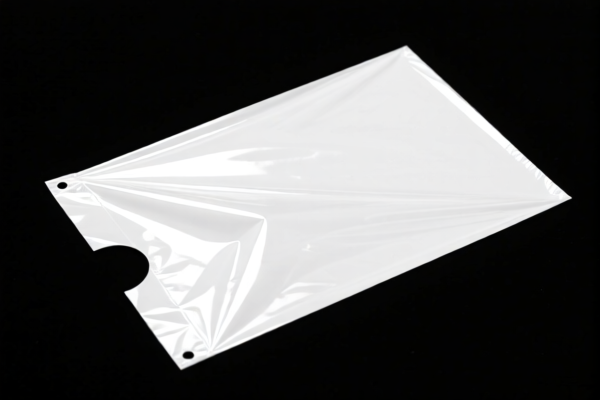
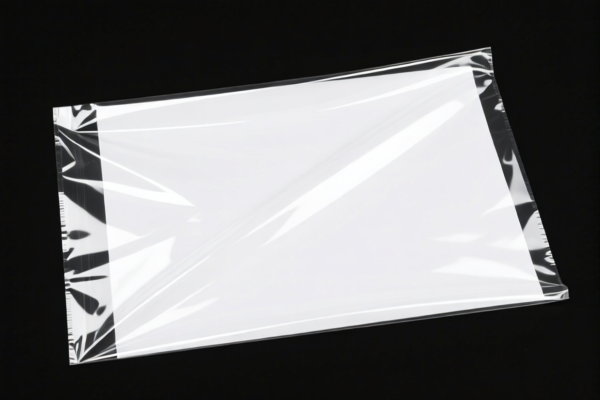
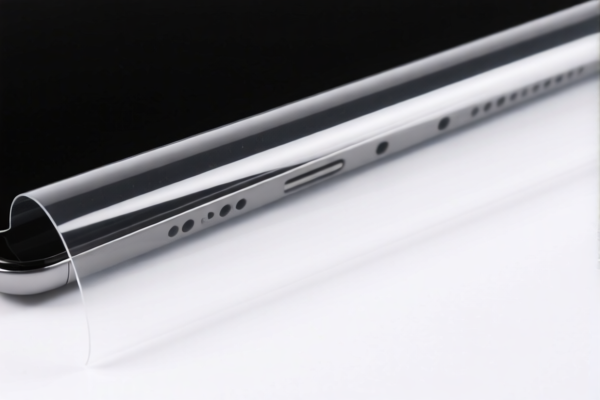
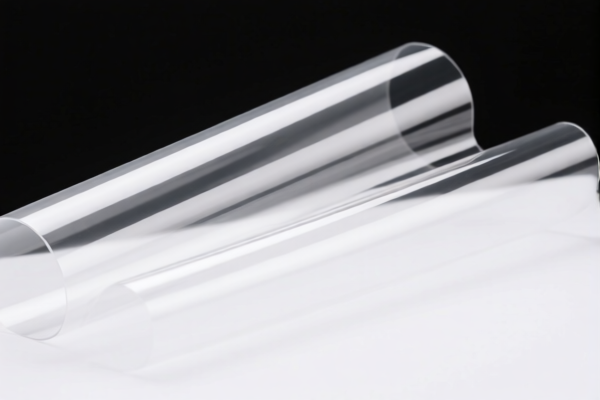
AI Analysis
🚗 Car Roof Protection Film & Repair Materials (Automotive Repair Products)
🌐 HS Code Reference & Customs Clearance Guide | 2026 Latest Tariff Analysis | Professional Clearance Strategy
📌 I. Product Definition & Classification: What Exactly is "Roof Protect Film"?
"Roof Protection Film" or "Roof Repair Materials" in the context of automotive aftermarket products generally refer to flexible, self-adhesive, or rubberized materials used for: 1. Paint Protection: Preventing stone chips, UV damage, or minor scratches on car roofs. 2. Structural Repair: Sealing leaks, patching dents, or reinforcing the roof panel using rubber/plastic composites.
In international trade, these products are rarely classified simply as "films." Their classification depends heavily on their material composition (Rubber vs. Plastic) and form (Self-adhesive sheet vs. Liquid/Sealant).
⚠️ Critical Distinction:
- If the product is rubber-based (e.g., butyl rubber, EPDM) and used for sealing or structural repair → It falls under Chapter 59 (Impregnated Rubber Textiles).
- If the product is plastic/resin-based (e.g., PVC, PET, TPU adhesive tape) → It falls under Chapter 39 (Plastics and Articles Thereof).
📦 II. HS Code Classification Details (2026 Latest Tariff Authority Comparison)
| HS Code | Product Description | Application Scenario | Material Basis |
|---|---|---|---|
5906.91.10.00 |
Rubber-coated textile fabrics, other (Specifically for Roof Repair Materials) | Roof patching kits, rubberized repair sheets, structural adhesive mats | Rubber (Rubber-ized textile base) |
3919.90.50.60 |
Self-adhesive plates, sheets, film, foil, strip, and other flat shapes of plastics (Not specifically named) | Plastic/PVC protective films, clear adhesive tapes, UV protection wraps | Plastic (Non-specific plastic film/tape) |
3919.10.20.55 |
Self-adhesive plates, sheets, film, etc., of plastics in rolls of a width <= 20 cm (Reinforcement/Filling) | Narrow self-adhesive plastic strips, reinforcement tapes for roof seams | Plastic (Narrow roll/Reinforcement type) |
5906.10.00.00 |
Rubberized textile fabrics, impregnated with chemical products (Sealants/Adhesives) | Chemical resin-based sealants, rubberized waterproofing membranes, adhesive backing materials | Rubber + Chemical Resin |
🔍 Key Reminder:
- Rubber-based repair patches (like butyl rubber tape for leak repair) are best classified under 5906.91.10.00 or 5906.10.00.00.
- Plastic/PET/TPU protective films (like clear paint protection film - PPF) are classified under 3919.90.50.60 or 3919.10.20.55.
- Misclassification can lead to significant duty differences due to Section 301 and Section 122 tariffs.
💰 III. 2026 Latest Tariff Rate Breakdown (Including Add-on Taxes & Policy Surcharges)
✅ Applicable Country: United States (US)
✅ Country of Origin: China (CN)
✅ Effective Time: 2025/2026 (Current Trade War Status)
🎯 1. 5906.91.10.00 —— Rubber-based Roof Repair Materials
| Item | Content |
|---|---|
| Base Duty Rate | 2.7% (Ad Valorem) |
| Section 301 Surcharge | +25.0% |
| Section 122 Surcharge | +10.0% (Note: Often applicable to certain automotive parts/materials under specific conditions) |
| Total Effective Rate | 37.7% |
| Tax Calculation | CIF Value × 37.7% |
| De Minimis Exemption | ❌ Not Available (Section 301 & 122 taxes apply) |
| Legal Basis Path | USITC:5906.91.10.00 → SEC301:Footnote 9903.88.01 → SEC122:Additional Duty |
📌 Explanation:
- Base 2.7%: Standard MFN duty for rubberized textiles.
- 25% Section 301: Applies to all Chinese goods in this HTSUS category as per USTR exclusions list (most automotive rubber parts are included).
- 10% Section 122: May apply if deemed an "article of transportation" or specific automotive material under recent executive orders.
- Total: 37.7%. This is a high-cost category.
🎯 2. 3919.90.50.60 —— Plastic Self-Adhesive Films (General)
| Item | Content |
|---|---|
| Base Duty Rate | 5.8% (Ad Valorem) |
| Section 301 Surcharge | +25.0% |
| Section 122 Surcharge | +10.0% |
| Total Effective Rate | 40.8% |
| Tax Calculation | CIF Value × 40.8% |
| De Minimis Exemption | ❌ Not Available |
| Legal Basis Path | USITC:3919.90.50.60 → SEC301:Footnote 9903.88.01 → SEC122:Additional Duty |
📌 Explanation:
- Plastic films have a higher base duty (5.8%) than rubber textiles.
- The same 25% + 10% surcharges apply.
- Total: 40.8%. This is the most expensive classification among the options.
🎯 3. 3919.10.20.55 —— Narrow Self-Adhesive Plastic Rolls (Reinforcement)
| Item | Content |
|---|---|
| Base Duty Rate | 5.8% (Ad Valorem) |
| Section 301 Surcharge | +25.0% |
| Section 122 Surcharge | +10.0% |
| Total Effective Rate | 40.8% |
| Tax Calculation | CIF Value × 40.8% |
| De Minimis Exemption | ❌ Not Available |
| Legal Basis Path | USITC:3919.10.20.55 → SEC301:Footnote 9903.88.01 → SEC122:Additional Duty |
📌 Explanation:
- Similar to3919.90.50.60, this is for narrower rolls (≤20cm) used for reinforcement or filling.
- Total: 40.8%. High tariff burden.
🎯 4. 5906.10.00.00 —— Rubberized Textiles with Chemical Resin (Sealants)
| Item | Content |
|---|---|
| Base Duty Rate | 2.9% (Ad Valorem) |
| Section 301 Surcharge | +25.0% |
| Section 122 Surcharge | +10.0% |
| Total Effective Rate | 37.9% |
| Tax Calculation | CIF Value × 37.9% |
| De Minimis Exemption | ❌ Not Available |
| Legal Basis Path | USITC:5906.10.00.00 → SEC301:Footnote 9903.88.01 → SEC122:Additional Duty |
📌 Explanation:
- This category is for rubberized fabrics impregnated with chemical resins (often used as sealants or adhesive backings).
- Total: 37.9%. Slightly higher than5906.91.10.00due to a 0.2% higher base rate.
🛠️ IV. Customs Clearance Practical Advice (Battle-Tested Pitfall Guide)
✅ 1. Preparation Checklist (Non-Negotiable)
| Document | Must Provide | Description |
|---|---|---|
| ✅ Material Safety Data Sheet (MSDS) | ✔️ | Crucial for chemical/resin-based products to determine flammability and hazard class. |
| ✅ Product Specification Sheet | ✔️ | Must clearly state: Material (Rubber/Plastic), Thickness, Adhesive Type, Application (Roof Repair/Protection). |
| ✅ Product Photos | ✔️ | Show the product in roll form, cross-section (if rubber), and application example. |
| ✅ Commercial Invoice | ✔️ | Must accurately describe the product. Avoid vague terms like "Film." Use "Rubberized Roof Repair Patch" or "Plastic Self-Adhesive Protective Film." |
| ✅ HS Code Pre-Ruling Request | ✔️ | Highly Recommended due to complex Section 301/122 rates. |
| ✅ Country of Origin Certificate | ✔️ | Confirm CN origin to anticipate full tariff burden. |
✅ 2. Declaration Strategy (Key Mnemonics)
🔥 “Material Determines Code, Section 301 Adds 25, Section 122 Adds 10, Total is High!”
| Scenario | Correct Declaration | Error to Avoid |
|---|---|---|
| Rubber Patch Tape | 5906.91.10.00 (Rubber-based repair) |
Misdeclare as Plastic (3919) → Risk of misclassification penalty. |
| Clear PPF Wrap | 3919.90.50.60 (Plastic film) |
Misdeclare as Rubber (5906) → Unlikely, but possible if adhesive is rubbery. |
| Roof Sealant Paste | 5906.10.00.00 (Chemical resin/rubber) |
Declare as "Glue" (3506) → May attract different tariffs or regulatory scrutiny. |
| Self-Adhesive Plastic Strip | 3919.10.20.55 (Narrow roll) |
Declare as wide sheet (3919.90) → May lead to inspection delays. |
✅ 3. Special Case Handling
| Situation | Handling Advice |
|---|---|
| Mixed Materials (e.g., Plastic film with Rubber adhesive) | Primary Characteristic Rule: If the plastic film provides the main structure/protection, it may be 3919. If the rubber provides the sealing/structural integrity, it may be 5906. Consult a broker. |
| Kit Packaging (Film + Adhesive + Tools) | Declarable as Whole: Usually classified by the principal item. If the film is the main value/component, classify as film. Do not split items unless explicitly allowed. |
| "DIY Repair Kit" | Ensure the kit includes only the film/patch and necessary basic tools. If it contains chemicals (solvents), MSDS is critical. |
🌍 V. Global Market Clearance Comparison (2026 Latest)
| Country/Region | Recommended HS Code | Tariff (China Origin) | Certification Requirements | Notes |
|---|---|---|---|---|
| 🇺🇸 USA | 5906.91.10.00 or 3919.90.50.60 |
37.7% - 40.8% | None specific, but FDA/FTC for chemical safety | Section 301 & 122 make it expensive. |
| 🇨🇳 China | 5906.91.10.00 |
5% - 8% | CCC (if applicable) | No add-on tariffs. |
| 🇪🇺 EU | 5906.91.10.00 |
6.5% | REACH (Chemicals), RoHS | No Section 301/122 equivalent. |
| 🇨🇦 Canada | 5906.91.10.00 |
5% - 10% | CSST, CE | Lower tariffs than US. |
| 🇦🇺 Australia | 5906.91.10.00 |
5% - 10% | ADR (Hazmat if chemical) | No Section 301. |
📌 Conclusion:
- USA is the most expensive market for these products due to Section 301 (25%) + Section 122 (10%) add-ons.
- EU and Canada are significantly more cost-effective for Chinese-manufactured rubber/plastic repair films.
- Consider supply chain diversification (e.g., manufacturing in Vietnam or Mexico) to avoid US add-on tariffs if shipping to the US is mandatory.
📌 VI. Common Errors & Pitfall Guide (Lessons Learned)
❌ Error 1: Declaring "Rubber Roof Patch" as "Plastic Tape" (3919)
👉 Consequence: If customs determines it’s rubber, you may face penalties for misclassification, and while the base rate might seem similar, the Section 122 applicability might differ. Worse, it raises red flags for inspection.
❌ Error 2: Ignoring Section 122 Tariff
👉 Consequence: Section 122 tariffs (10%) are often overlooked. If your product falls under specific automotive/part categories, failing to declare it correctly can lead to underpayment of duties and seizure.
❌ Error 3: Vague Product Description ("Protective Film")
👉 Consequence: Customs officers will assign a default HS Code (often the highest duty one) or request extensive documentation, causing delays and storage fees.
❌ Error 4: Not Providing MSDS for Chemical-Resin Products
👉 Consequence: 5906.10.00.00 involves chemical resins. Without MSDS, CBP may classify it as a hazardous material, requiring special handling and higher insurance costs.
✅ Correct Practice:
"Butyl Rubber Self-Adhesive Roof Repair Tape, Width 10cm, Thickness 2mm, for Automotive Leaks, MSDS Attached."
🎯 VII. Conclusion: Precision in Classification Saves Money!
🎯 Remember the Mantra:
🔹 "Rubber is 5906, Plastic is 3919, Section 301 Adds 25, Section 122 Adds 10!"
🔹 "Total Tariff: 37.7% (Rubber) vs 40.8% (Plastic). Choose Wisely!"
🔹 "MSDS is Mandatory for Chemicals. Documentation is Your Shield!"
📌 Pro Tip:
If your volume is high, consider applying for a Section 301 Exclusion if applicable (though rare for generic repair films). Alternatively, explore bonded warehouses or FTZs (Foreign Trade Zones) to defer duty payments.
📣 Immediate Action:
📞 Engage a Licensed Customs Broker to verify your specific product’s material composition.
📄 Prepare MSDS and Product Specs before shipping.
🚀 Optimize your HS Code to ensure compliance and avoid costly post-entry audits.
✨ Professional Clearance, Starts with Accurate Classification!
💼 Your Profit Margin Depends on Every Percent of Duty!
Customer Reviews
About HS Code Classification
The Harmonized System (HS) is an internationally standardized nomenclature developed by the World Customs Organization (WCO) to classify traded products. Over 200 countries use the HS system as the basis for customs tariffs, trade statistics, and import/export regulations.
Each HS code follows a hierarchical structure:
- Chapter (2 digits) — Broad category of goods (e.g., Chapter 84: Machinery and Mechanical Appliances)
- Heading (4 digits) — More specific grouping within the chapter
- Subheading (6 digits) — Internationally standardized breakdown, used by all WCO member countries
- National subdivisions (8-10 digits) — Country-specific extensions for further classification, such as US HTSUS 10-digit codes
Correct HS code classification is essential for smooth customs clearance, accurate duty payment, and compliance with trade regulations. Misclassification can lead to customs delays, overpayment of duties, or penalties.
When importing from CN to US, the applicable tariff rates may include:
- Most-Favored-Nation (MFN) rate — The standard duty rate applied to WTO members
- General rate — Applied to countries without trade agreements
- Trade remedy duties — Additional tariffs such as Section 301 (anti-dumping), Section 232 (national security), or countervailing duties
The information provided on this page is for reference purposes only. For official classification, please consult with your local customs authority or a licensed customs broker.