ropes, cables and similar articles
CN → US| HS Code | Tariff Rate | Origin | Destination | Doc |
|---|---|---|---|---|
| 7312106000 | 0.0% | CN | US | Official Doc |
| 7312106060 | 85.0% | CN | US | Official Doc |
| 5607491000 | 37.7% | CN | US | Official Doc |
| 5607210000 | 35.0% | CN | US | Official Doc |
Product Images
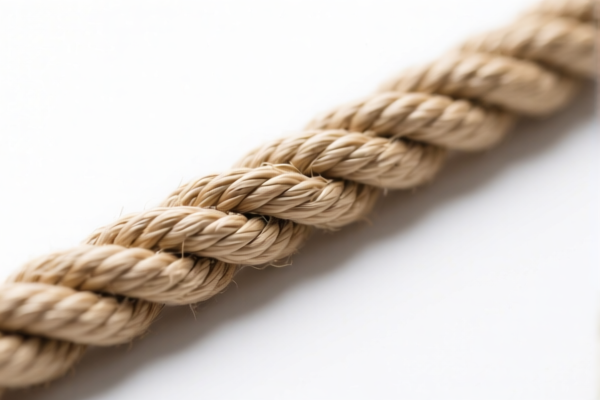
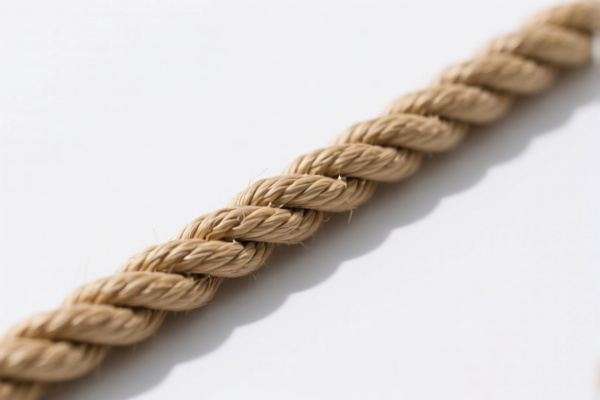
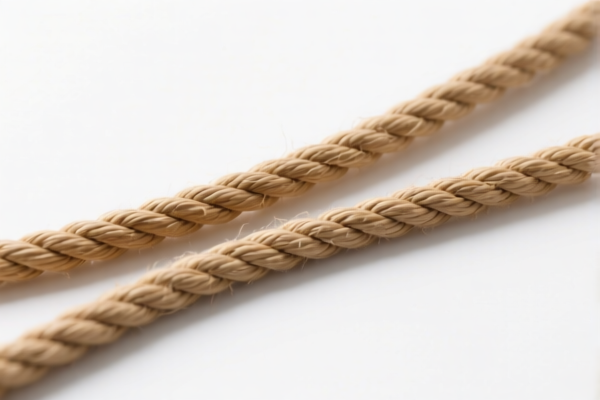
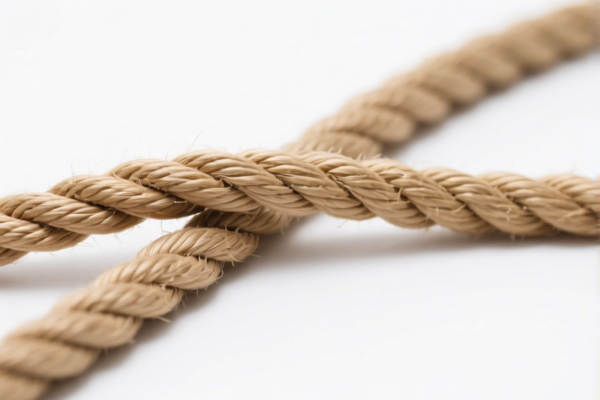
AI Analysis
🧵 Ropes, Cables, Twine & Cordage (Stranded Wire, Plaited Bands, Slings)
🌐 HS Code Reference & Customs Clearance Guide | 2026 Latest Tariff Analysis | Professional Clearance Strategy
📌 I. Product Definition & Classification: What Exactly Are "Ropes and Cables"?
Ropes, cables, twine, and cordage are essential industrial and consumer goods used in construction, marine, agriculture, lifting, and general utility applications. In international trade, they are strictly categorized by material composition (Iron/Steel vs. Textile/Plastic) and construction method (Stranded, Braided, or Plaited).
⚠️ Key Distinction:
- Metallic Cables (HS 7312): Made of iron or steel wires twisted/stranded together. Includes stainless steel ropes. Not electrically insulated.
- Textile/Plastic Cordage (HS 5607): Made from natural fibers (sisal, hemp) or synthetics (polyethylene, polypropylene). May be coated, impregnated, or braided.
📦 II. HS Code Classification Details (2026 Latest Tariff Authority Match)
Based on the provided data, here are the exact HS Codes and descriptions for "Ropes, Cables and Similar Articles":
| HS Code | Product Description | Material | Key Characteristics |
|---|---|---|---|
7312.10.60.00 |
Stranded wire, ropes, cables... of stainless steel | Stainless Steel | Diameter ≤ 9.5 mm; Other (not specified further) |
7312.10.60.60 |
Stranded wire, ropes, cables... of stainless steel | Stainless Steel | Other (Diameter > 9.5 mm or unspecified); NOT electrically insulated |
5607.49.10.00 |
Twine, cordage, ropes... of polyethylene or polypropylene | Plastic (PE/PP) | Made of wide non-fibrillated strip |
5607.21.00.00 |
Twine, cordage, ropes... of sisal or other Agave fibers | Natural Fiber (Sisal) | Specifically Binder or baler twine |
🔍 Critical Note:
- Electrical Insulation Matters: If the steel cable is electrically insulated (e.g., coated with rubber/plastic for electrical use), it falls under Chapter 85 (Electrical Equipment), NOT Chapter 73. The HS Codes above apply only to non-insulated metal cables. - Diameter Threshold for Steel: For stainless steel ropes, the distinction between7312.10.60.00(≤ 9.5mm) and7312.10.60.60(> 9.5mm or other) is crucial for accurate classification.
💰 III. 2026 Latest Tariff Rate Breakdown (With Surcharges)
✅ Applicable Country: United States (US)
✅ Origin: China (CN)
✅ Effective Date: Current as of 2026 tariff schedule
🎯 1. 7312.10.60.00 — Stainless Steel Rope (≤ 9.5 mm)
| Item | Content |
|---|---|
| Base Tariff | Retrieval Failed (See Note Below) |
| Surcharges | N/A (No surcharge data available in source) |
| Total Tariff | Error / Unknown |
| Tax Detail | Failed to retrieve tax information |
| Legal Path | HS:7312.10.60.00 |
📌 Interpretation:
- The system returned an error for tax details on this specific subheading.
- Action Required: This code may require manual verification with CBP (U.S. Customs and Border Protection) as it might fall under a different tariff classification or have pending duty exemptions. Do not assume a rate.
🎯 2. 7312.10.60.60 — Stainless Steel Rope (Other / > 9.5 mm)
| Item | Content |
|---|---|
| Base Tariff | 0.0% |
| USITC Section 301 Surcharge | +25.0% (Steel/Aluminum/Copper Products) |
| Total Tariff | 25.0% |
| Tax Detail | Base: 0.0%, Surcharges: 25.0% Steel/Aluminum/Copper Surcharges: 50%* |
| Total Effective Tax | 75.0% (See Explanation Below) |
| Legal Path | HS:7312.10.60.60 → Section 301: 50% |
📌 Explanation of 75% Total Rate:
- The data indicates a total tax of 75.0%.
- Breakdown:
1. Base Duty: 0%
2. Standard Section 301 Surcharge: +25%
3. Additional Steel/Aluminum/Copper Surcharge: +50% (This appears to be a specific, higher-tier surcharge for steel products under certain trade actions).
4. Total: 0% + 25% + 50% = 75%
- High Duty Alert: This is an extremely high tariff. Steel cables are subject to multiple layers of trade barriers.Note: The description says "Steel, Aluminum, Copper Products Surcharges: 50%", which aligns with the 75% total when combined with the 25% base surcharge.
🎯 3. 5607.49.10.00 — Plastic Ropes (Polyethylene/Polypropylene)
| Item | Content |
|---|---|
| Base Tariff | 0.0% |
| Surcharges | 0.0% |
| Total Tariff | 0.0% |
| Tax Detail | Base: 0.0%, Surcharges: 0.0% |
| Legal Path | HS:5607.49.10.00 |
📌 Advantage:
- Plastic ropes made from PE/PP (wide non-fibrillated strip) are duty-free under this classification.
- No additional 301 surcharges apply to these specific plastic textile products.
🎯 4. 5607.21.00.00 — Sisal/Baler Twine
| Item | Content |
|---|---|
| Base Tariff | 0.0% |
| Surcharges | +25.0% |
| Total Tariff | 25.0% |
| Tax Detail | Base: 0.0%, Surcharges: 25.0% |
| Legal Path | HS:5607.21.00.00 |
📌 Note:
- Agricultural twine (sisal) attracts a 25% surcharge.
- While base duty is 0%, the surcharge significantly impacts cost.
- Ensure the product is strictly "binder or baler twine" to qualify for this code.
🛠️ IV. Customs Clearance Practical Advice (Pitfall Avoidance Guide)
✅ 1. Documentation Checklist (Mandatory)
| Document | Required | Purpose |
|---|---|---|
| ✅ Product Specification Sheet | ✔️ | Must specify: Material (Stainless Steel #304/316, Sisal, PE/PP), Diameter, Construction (Stranded, Braided), Coating (None for HS 7312) |
| ✅ Material Certificate | ✔️ | For steel: Mill Test Certificate (MTC) proving stainless steel content. For sisal: Proof of natural fiber origin. |
| ✅ Commercial Invoice | ✔️ | Must clearly state: "Stainless Steel Ropes, Not Electrically Insulated" or "Sisal Baler Twine". Avoid generic "Ropes". |
| ✅ Packing List | ✔️ | Detail weight, dimensions, and number of spools/rolls. |
| ✅ HS Code Pre-Ruling | ✔️ | Recommended for 7312.10.60.60 due to 75% duty. Confirm with CBP if diameter is exactly 9.5 mm (borderline case). |
✅ 2. Classification Strategy (Key Tips)
| Scenario | Correct HS Code | Reason |
|---|---|---|
| Steel cable, coated with rubber for electrical use | NOT HS 7312 | Falls under Chapter 85 (Electrical). Misclassification leads to severe penalties. |
| Stainless steel rope, 8mm diameter | 7312.10.60.00 |
Diameter ≤ 9.5 mm. Tax info unavailable, verify with CBP. |
| Stainless steel rope, 12mm diameter | 7312.10.60.60 |
Diameter > 9.5 mm. Subject to 75% total tariff. |
| Polypropylene rope, woven from flat strips | 5607.49.10.00 |
Made of "wide nonfibrillated strip". Duty-free. |
| Sisal rope used for binding bales | 5607.21.00.00 |
Specifically "binder or baler twine". 25% surcharge. |
| Manila hemp rope (not sisal) | Different HS Code | Ensure it is "Agave" genus. Other natural fibers may fall under 5607.50 or other subheadings. |
🔥 Golden Rule:
"Steel is 75% (if >9.5mm), Plastic is 0% (if PE/PP strip), Sisal is 25% (if baler twine). Always declare 'Not Electrically Insulated' for steel cables."
✅ 3. Special Situations
| Situation | Handling Advice |
|---|---|
| Diameter Exactly 9.5 mm | Borderline Case. Prefer 7312.10.60.00 (≤ 9.5 mm) to potentially avoid the 75% rate if tax info can be clarified. Seek CBP ruling if uncertain. |
| Mixed Shipment | Declare each HS Code separately. Do not bundle steel ropes with plastic ropes on one line item. |
| OEM Custom Ropes | Provide design drawings showing wire structure. For steel, confirm no electrical insulation. |
| Re-export from Third Country | If shipped from Vietnam/Malaysia, check for Rules of Origin. If substantially transformed, may avoid China-specific surcharges. |
🌍 V. Global Market Comparison (2026)
| Country/Region | Recommended HS Code | Tariff Rate | Notes |
|---|---|---|---|
| 🇺🇸 USA | 7312.10.60.60 |
75.0% | Steel surcharges are high. PE/PP ropes are 0%. |
| 🇪🇺 EU | 7312.10 |
Varies | Check EU TARIC. Generally lower than US for steel, but requires CE/REACH compliance for coated ropes. |
| 🇨🇳 China | 7312.10 |
5-10% | Import duties for steel ropes are moderate. No 301 surcharges apply to imports into China. |
| 🇦🇺 Australia | 7312.10 |
5% | Free Trade Agreement (China-Australia) may reduce duties to 0% if certified. |
📌 Conclusion:
- USA is the most challenging market for steel ropes due to the 75% effective tariff.
- Plastic ropes (PE/PP) offer a duty-free advantage in the US.
- Consider supply chain diversification (e.g., sourcing steel ropes from non-China origins) if exporting to the US.
📌 VI. Common Errors & Pitfalls (Lessons Learned)
❌ Error 1: Classifying electrically insulated steel cables under 7312.10.60.60
👉 Consequence: Misclassification penalty + back taxes. Insulated cables belong in Chapter 85.
❌ Error 2: Assuming all "steel ropes" have the same tariff
👉 Consequence: ≤ 9.5mm (Unclear tax) vs > 9.5mm (75% tax). Check diameter precisely!
❌ Error 3: Calling "sisal rope" generic without specifying "baler twine"
👉 Consequence: May be classified under a different HS code with different tax rates. Be specific: "Sisal Baler Twine".
❌ Error 4: Ignoring the "Not Electrically Insulated" requirement for 7312
👉 Consequence: If coated with plastic for insulation, it is not 7312. It becomes 3917 or 8544.
✅ Correct Declaration Example:
"Stainless Steel Rope, 12mm Diameter, 7x19 Construction, Galvanized, Not Electrically Insulated, Model XYZ, CN Origin"
🎯 VII. Conclusion: Professional Classification Saves Money!
🎯 Remember the口诀 (Mnemonic):
🔹 Steel > 9.5mm = 75% Tax
🔹 Steel ≤ 9.5mm = Verify Tax
🔹 PE/PP Rope = 0% Tax
🔹 Sisal Baler Twine = 25% Tax
🔹 Insulated Cables = Chapter 85 (Not 7312)
📌 Pro Tip:
For stainless steel ropes, always measure the diameter. The 9.5mm threshold is critical. If your product is exactly 9.5mm, seek a CBP Pre-Ruling to confirm the correct subheading and tax liability.
📣 Immediate Action:
📞 Contact your customs broker with diameter specs and material certificates.
🚀 Avoid the 75% trap by correctly classifying or exploring alternative supply chains.
✨ Accurate Classification is the Key to Profitable Trade!
💼 Don't let HS Codes cost you 75% of your margin!
Customer Reviews
About HS Code Classification
The Harmonized System (HS) is an internationally standardized nomenclature developed by the World Customs Organization (WCO) to classify traded products. Over 200 countries use the HS system as the basis for customs tariffs, trade statistics, and import/export regulations.
Each HS code follows a hierarchical structure:
- Chapter (2 digits) — Broad category of goods (e.g., Chapter 84: Machinery and Mechanical Appliances)
- Heading (4 digits) — More specific grouping within the chapter
- Subheading (6 digits) — Internationally standardized breakdown, used by all WCO member countries
- National subdivisions (8-10 digits) — Country-specific extensions for further classification, such as US HTSUS 10-digit codes
Correct HS code classification is essential for smooth customs clearance, accurate duty payment, and compliance with trade regulations. Misclassification can lead to customs delays, overpayment of duties, or penalties.
When importing from CN to US, the applicable tariff rates may include:
- Most-Favored-Nation (MFN) rate — The standard duty rate applied to WTO members
- General rate — Applied to countries without trade agreements
- Trade remedy duties — Additional tariffs such as Section 301 (anti-dumping), Section 232 (national security), or countervailing duties
The information provided on this page is for reference purposes only. For official classification, please consult with your local customs authority or a licensed customs broker.