rotatable table corner
CN → US| HS Code | Tariff Rate | Origin | Destination | Doc |
|---|---|---|---|---|
| 9403608093 | 35.0% | CN | US | Official Doc |
| 9403200090 | 85.0% | CN | US | Official Doc |
| 7616995190 | 87.5% | CN | US | Official Doc |
| 7616109090 | 91.0% | CN | US | Official Doc |
| 3926305000 | 22.8% | CN | US | Official Doc |
| 3926301000 | 24.0% | CN | US | Official Doc |
Product Images
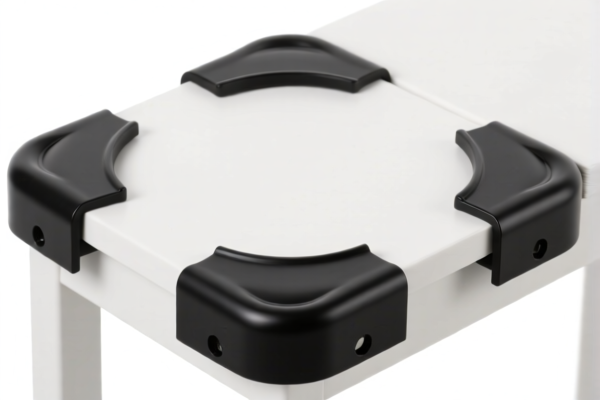
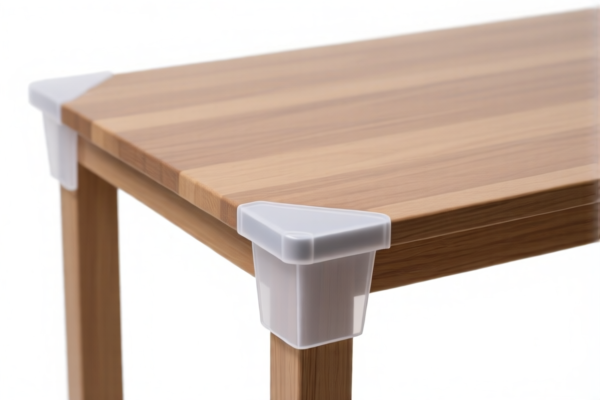
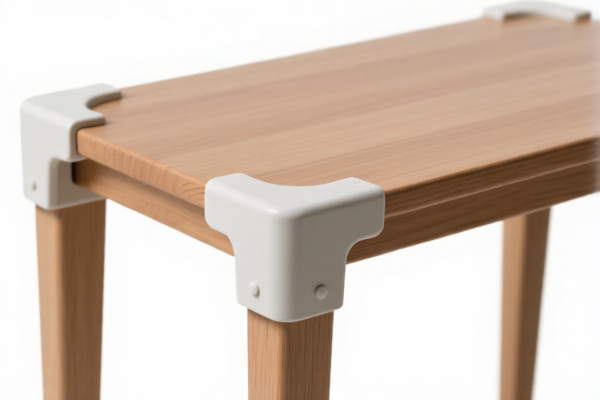
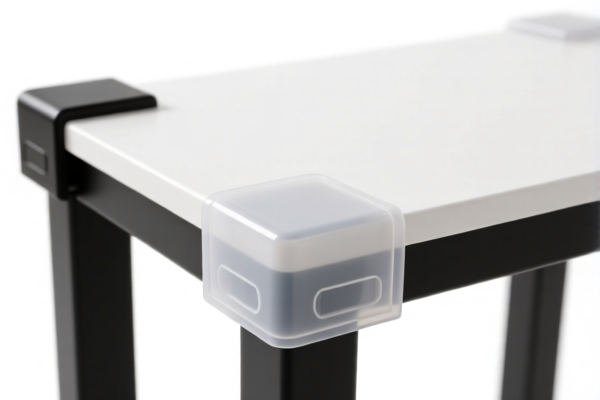
AI Analysis
🔄 Rotatable Table Corner (Furniture Parts/Accessories)
🌐 HS Code Reference & Customs Clearance Guide | 2026 Latest Tariff Breakdown | Professional Clearance Strategy
📌 I. Product Definition & Classification: Do You Really Understand "Rotatable Table Corners"?
"Rotatable Table Corners" typically refer to corner components designed for tables (especially corner desks, L-shaped tables, or turntables) that allow rotation, adjustment, or structural reinforcement at the junction. In international trade, these items are classified based on their primary material and function. They are generally categorized as:
- Furniture Parts (Metal/Wood/Plastic): Structural corner brackets, hinges, or supports made of metal, wood, or plastic.
- Furniture Fittings (Plastic): Plastic handles, knobs, or decorative corner caps.
⚠️ Key Distinction:
- If the part is structural (bearing weight, connecting table legs/surfaces) → Classify under Chapter 94 (Furniture).
- If the part is purely decorative/fitting (e.g., plastic knob, handle) → Classify under Chapter 39 (Plastics).
- Material is Critical: The tax rate varies drastically between metal (75%), wood (25%), and plastic (0%).
📦 II. HS Code Classification Details (2026 Latest Tariff Authority Comparison)
Based on the provided data, here are the relevant HS Codes for "Rotatable Table Corners" depending on material and type:
| HS Code | Product Description | Material Type | Applicable Scenario | Tax Rate (Total) |
|---|---|---|---|---|
9403.20.00.90 |
Other furniture and parts thereof: Other metal furniture: Other | Metal (Steel/Aluminum) | Metal corner brackets, steel hinges, aluminum corner supports for tables | 75.0% |
9403.60.80.93 |
Other furniture and parts thereof: Other wooden furniture: Other Other: Other | Wood | Wooden corner blocks, MDF corner connectors, bamboo corner pieces | 25.0% |
3926.30.50.00 |
Other articles of plastics...: Fittings for furniture...: Other | Plastic (Non-handle/knob) | Plastic corner protectors, non-knob plastic fittings, general plastic furniture parts | 0.0% |
3926.30.10.00 |
Other articles of plastics...: Fittings for furniture...: Handles and knobs | Plastic (Handle/Knob) | Plastic rotary knobs, plastic handles for rotating table mechanisms | 0.0% |
7616.99.51.90 |
Other articles of aluminum: Other: Other | Aluminum (Non-furniture part specific) | Caution: General aluminum parts not specifically identified as furniture fittings | 77.5% |
7616.10.90.90 |
Other articles of aluminum: Nails, tacks, screws, bolts, nuts, washers... | Aluminum (Fasteners) | Aluminum screws, bolts, nuts, washers used in table assembly | 50.0% |
🔍 Important Note:
- "Rotatable Table Corner" is not a standalone HS Code. You MUST identify the material and specific form (fitting vs. fastener).
- If it is a metal bracket, use9403.20.00.90(75%).
- If it is a plastic knob/handle, use3926.30.10.00(0%).
- If it is a general aluminum part not clearly a furniture fitting, customs may misclassify it to7616.99.51.90(77.5%) or7616.10.90.90(50%). Always prove it is a furniture part.
💰 III. 2026 Latest Tariff Rate Details (Including Surcharges & Policy Add-ons)
✅ Applicable Country: United States (US)
✅ Origin: China (CN)
✅ Effective Time: November 10, 2025 (including subsequent imports)
🎯 1. 9403.20.00.90 —— Metal Furniture Parts (Corner Brackets, etc.)
| Item | Content |
|---|---|
| Base Tariff | 0.0% |
| Surtax (Section 301) | +25.0% |
| Steel/Aluminum/Copper Surtax | +50.0% |
| Total Tax Rate | 75.0% |
| Tax Calculation | CIF Value × 75% |
| De Minimis Exemption | ❌ Not Applicable |
| Legal Basis | USITC:9403.20.00.90 → FOOTNOTE:Steel/Aluminum/Copper |
📌 Explanation:
- Metal furniture parts are subject to the base 0% tariff.
- Plus 25% Section 301 surtax (common for many Chinese goods).
- Plus 50% additional surtax for Steel/Aluminum/Copper products.
- Total: 75%. This is a high-risk, high-cost category.
🎯 2. 9403.60.80.93 —— Wooden Furniture Parts
| Item | Content |
|---|---|
| Base Tariff | 0.0% |
| Surtax (Section 301) | +25.0% |
| Total Tax Rate | 25.0% |
| Tax Calculation | CIF Value × 25% |
| De Minimis Exemption | ❌ Not Applicable |
| Legal Basis | USITC:9403.60.80.93 → FOOTNOTE:301 |
📌 Explanation:
- Wooden furniture parts are not subject to the 50% steel/aluminum surtax.
- Only the 25% Section 301 surtax applies.
- Total: 25%. This is significantly cheaper than metal.
🎯 3. 3926.30.50.00 & 3926.30.10.00 —— Plastic Furniture Fittings
| Item | Content |
|---|---|
| Base Tariff | 0.0% |
| Surtax (Section 301) | 0.0% |
| Total Tax Rate | 0.0% |
| Tax Calculation | CIF Value × 0% |
| De Minimis Exemption | ✅ May Apply (if under $800) |
| Legal Basis | USITC:3926.30.50.00 / 3926.30.10.00 |
📌 Explanation:
- Plastic furniture fittings (handles, knobs, general fittings) currently have 0% total tax.
- No Section 301 surtax applies to these plastic categories in the provided data.
- This is the most cost-effective classification for plastic parts.
🎯 4. Aluminum Articles (General)
| HS Code | Description | Total Tax | Notes |
|---|---|---|---|
7616.99.51.90 |
Other articles of aluminum | 77.5% | Base 2.5% + 25% Surtax + 50% Steel/Alum Surtax |
7616.10.90.90 |
Aluminum fasteners (screws, nuts, etc.) | 50.0% | Base 0% + 50% Steel/Alum Surtax |
📌 Explanation:
- If your "rotatable corner" is made of aluminum but not clearly defined as a furniture part, customs may classify it under Chapter 76.
-7616.10.90.90(fasteners) has a 50% tax.
-7616.99.51.90(other aluminum articles) has a 77.5% tax.
- Avoid this classification if possible by proving it is a furniture part (Chapter 94).
🛠️ IV. Customs Clearance Practical Advice (Battle-Tested Pitfall Avoidance Guide)
✅ 1. Documentation Checklist (Must-Haves)
| Document | Required | Description |
|---|---|---|
| ✅ Product Specification Sheet | ✔️ | Must clearly state Material (Metal, Wood, Plastic), Function (Corner Bracket, Knob), and Use (Furniture Part). |
| ✅ Product Photos (Clear) | ✔️ | Show the part installed on a table, or close-up with label. Must show it is not a standalone fastener. |
| ✅ Commercial Invoice | ✔️ | Description must read: "Plastic Corner Knob for Table" or "Wooden Furniture Corner Bracket", NOT just "Aluminum Part". |
| ✅ Material Declaration Letter | ✔️ | Explicitly state: "This product is made of [Material] and is a part of furniture, not a raw material or general hardware." |
| ✅ Packing List | ✔️ | Ensure quantities match invoice. |
✅ 2. Declaration Tips (Key Mantras)
🔥 "Material First, Function Second, Name Specific, Tax Lower!"
| Scenario | Correct Declaration | Wrong Practice |
|---|---|---|
| Metal Corner Bracket | HS: 9403.20.00.90Name: "Metal Furniture Corner Bracket" |
Declare as "Aluminum Fastener" → 50% or 77.5% |
| Plastic Rotary Knob | HS: 3926.30.10.00Name: "Plastic Handle/Knob for Furniture" |
Declare as "Plastic Fitting" → 0% (Same, but be precise) |
| Wooden Corner Block | HS: 9403.60.80.93Name: "Wooden Furniture Corner Part" |
Declare as "General Wood Product" → Risk of misclassification |
| Mixed Material (Metal+Plastic) | Declare based on Essential Character | If plastic is dominant, argue for Chapter 39 (0%) |
✅ 3. Special Case Handling
| Scenario | Handling Advice |
|---|---|
| Aluminum Corner Part | High Risk. Try to prove it is a "Furniture Part" (9403.20.00.90, 75%) rather than "Other Aluminum Article" (7616.99.51.90, 77.5%). The difference is small, but consistency matters. |
| Plastic Knob vs. Plastic Fitting | Both are 0%. Use 3926.30.10.00 for knobs/handles. Use 3926.30.50.00 for other fittings. Both are safe and tax-free. |
| OEM Custom Parts | Provide client design drawings showing it is a furniture component. This helps justify Chapter 94 classification. |
| De Minimis (Under $800) | If using Plastic (3926), you may qualify for Section 321 De Minimis entry (0% tax, no formal entry). Metal/Wood (9403) DO NOT qualify for De Minimis exemption from surtaxes. |
🌍 V. Global Market Comparison (2026 Latest)
| Country/Region | Recommended HS Code | Total Tax (CN Origin) | Certification | Notes |
|---|---|---|---|---|
| 🇺🇸 USA | 3926.30.10.00 (Plastic) |
0% | None | Best Option for plastic parts |
| 🇺🇸 USA | 9403.20.00.90 (Metal) |
75% | None | High tax due to Steel/Alum surtax |
| 🇺🇸 USA | 9403.60.80.93 (Wood) |
25% | None | Moderate tax |
| 🇪🇺 EU | 9403.20.00 |
Varies | CE | Generally lower than US |
| 🇨🇳 China | 9403.20.00 |
Varies | CCC | Domestic trade rules apply |
📌 Conclusion:
- Plastic parts are the most tax-efficient for entry into the US market (0% tax).
- Metal parts are heavily taxed (75%) due to the 50% surtax on steel/aluminum.
- If possible, design using plastic or wood to reduce duty costs.
📌 VI. Common Errors & Pitfalls (Blood and Tears Lessons)
❌ Error 1: Declaring a Metal Corner Bracket as "Aluminum Screw" (7616.10.90.90)
👉 Consequence: Tax changes from 75% to 50%. Wait, this is LOWER!
👉 Correction: If customs accepts it as a fastener, 50% is better than 75%. However, if it is a bracket (not a fastener), misclassification can lead to penalties and seizure. Only use if it is truly a fastener (bolt/nut).
❌ Error 2: Declaring a Wooden Corner as "Metal Furniture Part"
👉 Consequence: Tax jumps from 25% to 75%. Overpayment of 50%!
❌ Error 3: Declaring Plastic Fittings as "General Plastic Article"
👉 Consequence: Risk of being classified under Chapter 39 other headings with potential duties. Stick to 3926 for furniture fittings (0%).
❌ Error 4: Ignoring Material Declaration
👉 Consequence: Customs will ask for material proof. If you can't prove it's plastic, they may default to metal or general articles, increasing tax.
✅ Correct Approach:
"Plastic Rotary Knob for Table, Model XYZ, Made of ABS Plastic" → HS:
3926.30.10.00→ 0% Tax
🎯 VII. Conclusion: Professional Declaration Saves Money!
🎯 Remember the Mantra:
🔹 "Plastic is Free, Wood is 25%, Metal is 75%!"
🔹 "Material Defines Tax, HS Code Defines Future!"
📌 Pro Tip:
If your product is under $800 per shipment and is made of Plastic, consider using Section 321 De Minimis entry (e.g., via UPS/FedEx) for 0% tax and no formal customs entry. For Metal/Wood, this exemption does NOT apply to surtaxes.
📣 Immediate Action:
📞 Confirm Material → Choose HS Code → Declare Accurately → Save 75% Tax on Metal!
🚀 Clear Customs Smoothly, Maximize Profit!
✨ Professional Clearance Starts with Accurate Classification!
💼 Every Penny of Duty Saved is Profit Earned!
Customer Reviews
About HS Code Classification
The Harmonized System (HS) is an internationally standardized nomenclature developed by the World Customs Organization (WCO) to classify traded products. Over 200 countries use the HS system as the basis for customs tariffs, trade statistics, and import/export regulations.
Each HS code follows a hierarchical structure:
- Chapter (2 digits) — Broad category of goods (e.g., Chapter 84: Machinery and Mechanical Appliances)
- Heading (4 digits) — More specific grouping within the chapter
- Subheading (6 digits) — Internationally standardized breakdown, used by all WCO member countries
- National subdivisions (8-10 digits) — Country-specific extensions for further classification, such as US HTSUS 10-digit codes
Correct HS code classification is essential for smooth customs clearance, accurate duty payment, and compliance with trade regulations. Misclassification can lead to customs delays, overpayment of duties, or penalties.
When importing from CN to US, the applicable tariff rates may include:
- Most-Favored-Nation (MFN) rate — The standard duty rate applied to WTO members
- General rate — Applied to countries without trade agreements
- Trade remedy duties — Additional tariffs such as Section 301 (anti-dumping), Section 232 (national security), or countervailing duties
The information provided on this page is for reference purposes only. For official classification, please consult with your local customs authority or a licensed customs broker.