rotating toy
CN → US| HS Code | Tariff Rate | Origin | Destination | Doc |
|---|---|---|---|---|
| 9503000071 | 10.0% | CN | US | Official Doc |
| 9504904000 | 10.0% | CN | US | Official Doc |
| 9503000073 | 10.0% | CN | US | Official Doc |
| 9504909080 | 17.5% | CN | US | Official Doc |
| 3926909989 | 22.8% | CN | US | Official Doc |
Product Images
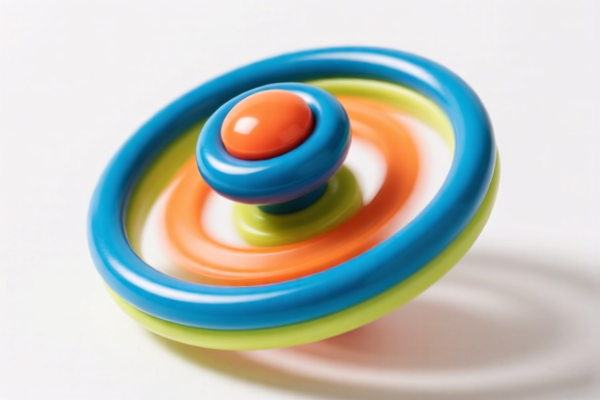
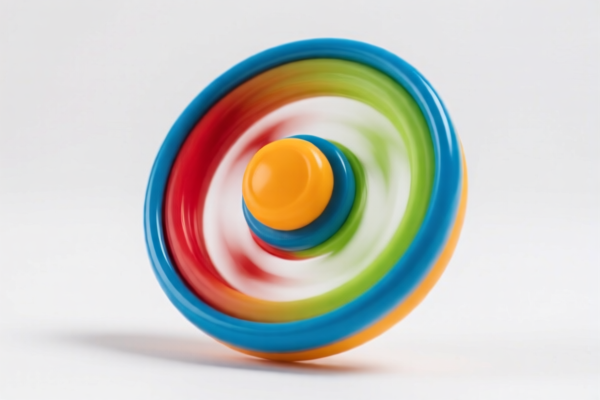
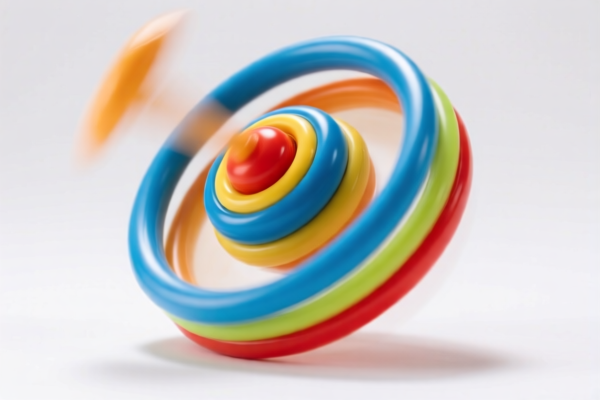
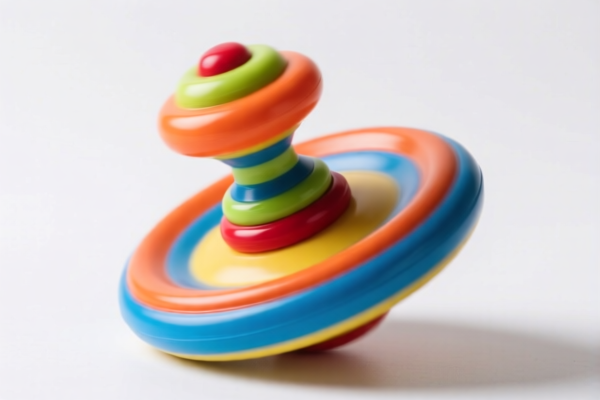
AI Analysis
🧸 Rotating Toys (Spinning Playthings & Recreational Models)
🌐 HS Code Reference & Clearance Guide | 2026 Latest Tariff Analysis | Professional Clearance Strategy
📌 I. Product Definition & Classification: What Exactly is a "Rotating Toy"?
A "Rotating Toy" is a broad category in international trade, primarily referring to items designed for entertainment or recreational spinning. In customs classification, these are generally split into two main logical groups based on their function and form:
1. Traditional Toys (Chapter 95): Items specifically designed for children or amusement, such as spinning tops, fidget spinners, or rotary play models. These fall under Heading 9503.
2. Game Equipment & Accessories (Chapter 95/90 Hybrid Logic): Items that function as "gaming accessories," "recreational models," or parts of a game system. If the item is perceived as an accessory to a game machine or a specific recreational device, it may cross-reference Heading 9504 or other specific functional headings.
⚠️ Key Distinction Point: - If the item is a standalone plaything (e.g., a spinning top, a rotary car toy) → Likely 9503. - If the item is an accessory to a game console or a specialized recreational model → Likely 9504. - If the material is purely structural/plastic without clear "toy" designation → Potential fallback to 3926 (Plastic articles).
📦 II. HS Code Classification Details (Based on Provided Data)
| HS Code | Product Description | Matching Logic | Material Inference |
|---|---|---|---|
9503.00.00.71 |
Rotating Toy (Toy Category) | Matches "similar wheeled toys/recreational models" based on function | Plastic or Metal |
9504.90.40.00 |
Rotating Toy (Game/Entertainment) | Matches specific game machines & accessories; no material/form conflict | N/A (Functional focus) |
9503.00.00.73 |
Rotating Toy (General Toy) | Fallback "general toy" rule; no specific material conflict identified | N/A (Default) |
9504.90.90.80 |
Rotating Toy (Game/Entertainment Fallback) | Matches "other game/entertainment equipment"; plastic/metal inference | Plastic or Metal |
3926.90.99.89 |
Rotating Toy (Plastic Article) | Classified as "other plastic articles"; assumes plastic composition | Plastic |
🔍 Key Insight:
- The primary classification revolves around Chapter 95 (Toys, Games, Sports).
- The divergence between 9503 and 9504 depends on whether the "rotating toy" is seen as a standalone child's toy (9503) or part of a broader game/recreational system (9504).
- The 3926 code is a "material-based fallback" if the toy nature is disputed or if it is purely a plastic component.
💰 III. 2026 Latest Tariff Rate Breakdown (Including Surcharges)
✅ Applicable Country: United States (US)
✅ Origin: China (CN)
✅ Effective Time: 2025/2026 (Post-trade war adjustments)
🎯 1. 9503.00.00.71 & 9504.90.40.00 & 9503.00.00.73
Classification: Standard Toy / Game Accessory
Total Tax Rate: 10.0%
| Item | Content |
|---|---|
| Base Tariff | 0.0% |
| Section 301 Surcharge | 0.0% |
| Section 122 Surcharge | 10.0% |
| Total Effective Rate | 10.0% |
| Calculation | CIF Value × 10% |
| De Minimis Exemption | ❌ Not Applicable (Section 122 usually targets de minimis) |
📌 Explanation:
- These codes benefit from a 0% base tariff and 0% Section 301 surcharge.
- However, they are subject to a 10% Section 122 tariff (often applied to small packages or specific recreational goods to generate revenue or restrict cheap imports).
- Net Cost Impact: Low compared to other categories, but the 10% flat rate is mandatory.
🎯 2. 9504.90.90.80
Classification: Game/Entertainment Equipment (Fallback)
Total Tax Rate: 17.5%
| Item | Content |
|---|---|
| Base Tariff | 0.0% |
| Section 301 Surcharge | 7.5% |
| Section 122 Surcharge | 10.0% |
| Total Effective Rate | 17.5% |
| Calculation | CIF Value × 17.5% |
| De Minimis Exemption | ❌ Not Applicable |
📌 Explanation:
- This code attracts a 7.5% Section 301 surcharge in addition to the 10% Section 122.
- Why higher? This classification is often used for "other" game equipment that doesn't fit neatly into the specific 9503 toy buckets, triggering broader Section 301 tariffs.
🎯 3. 3926.90.99.89
Classification: Other Plastic Articles
Total Tax Rate: 22.8%
| Item | Content |
|---|---|
| Base Tariff | 5.3% |
| Section 301 Surcharge | 7.5% |
| Section 122 Surcharge | 10.0% |
| Total Effective Rate | 22.8% |
| Calculation | CIF Value × 22.8% |
| De Minimis Exemption | ❌ Not Applicable |
📌 Explanation:
- This is the most expensive classification.
- It incurs the 5.3% base tariff (for plastics), plus 7.5% Section 301, plus 10% Section 122.
- Risk: Using this code suggests the item is not being declared as a "toy" but as a generic plastic part, which may trigger stricter customs scrutiny regarding product nature.
🛠️ IV. Clearance Practical Advice (Pitfall Avoidance Guide)
✅ 1. Documentation Checklist (Non-Negotiable)
| Document | Must Provide? | Explanation |
|---|---|---|
| ✅ Product Photos | ✔️ | Show the "rotating" mechanism clearly. Is it a top? A car? A fidget spinner? |
| ✅ Marketing Materials | ✔️ | Packaging images showing "Toy," "Game," or "Entertainment" use. |
| ✅ Material Specification | ✔️ | Declare if it's Plastic, Metal, or mixed. Impacts 3926 vs 9503 risk. |
| ✅ HS Code Pre-ruling | ✔️ | Strongly Recommended. Get an Advance Ruling for 9503.00.00.71 to lock in the 10% rate. |
✅ 2. Declaration Strategy (Key Mantras)
🔥 “Toy Name, Toy HS, 10% Rate, Smooth Clearance!”
| Scenario | Recommended HS Code | Rate | Why? |
|---|---|---|---|
| Fidget Spinner / Spinning Top | 9503.00.00.71 |
10% | Clearly a toy. Best rate. |
| Rotating Car/Model Toy | 9503.00.00.71 |
10% | Matches "wheeled toys." |
| Game Console Accessory | 9504.90.40.00 |
10% | Matches "game accessories." |
| Unclear "Gadget" | 9504.90.90.80 |
17.5% | Higher risk, higher tax. Avoid if possible. |
| Plain Plastic Part | 3926.90.99.89 |
22.8% | AVOID unless it's not a toy. Highest tax. |
📌 Critical Tip:
- Do NOT declare a "Fidget Spinner" as a "Plastic Toy" under3926. The 12.8% difference (22.8% vs 10%) is significant.
- Do NOT declare a "Game Controller" as a generic "Toy" under9503if it’s clearly electronic/accessory; ensure it fits9504correctly to avoid misclassification penalties.
✅ 3. Special Handling
| Situation | Advice |
|---|---|
| Composite Material (Plastic + Metal) | Declare as Toy (9503). Material mix is common for toys. Do not split. |
| Small Package (De Minimis) | WARNING: Section 122 Tariff (10%) often voids de minimis exemptions for these HS codes. Plan for 10% tax even on small parcels. |
| Electronic Rotating Toys | Ensure FCC/CE certification is attached. Electronic toys still fall under 9503 if the primary function is play. |
🌍 V. Global Market Comparison (2026 Snapshot)
| Country/Region | Recommended HS Code | Approx. Tariff | Notes |
|---|---|---|---|
| 🇺🇸 USA | 9503.00.00.71 |
10.0% | Includes Section 122. Avoid 3926/9504 fallbacks. |
| 🇨🇳 China | 9503.00.00.00 |
0%~6% | Domestic toy imports have lower burdens. |
| 🇪🇺 EU | 9503.00.70 |
0% | No Section 122 equivalent. Standard MFN rate. |
| 🇬🇧 UK | 9503.00.70 |
0% | Post-Brexit rules may vary, generally low for toys. |
📌 Conclusion:
- USA is the highest-cost market for rotating toys due to the Section 122 Tariff (10%).
- Correct classification is vital:9503.00.00.71is the safest and cheapest valid route for most rotating toys.
📌 VI. Common Errors & Pitfalls (Lessons Learned)
❌ Error 1: Declaring a "Fidget Spinner" as a "Plastic Ornament" (3926)
👉 Consequence: Tax jumps from 10% to 22.8%. Plus, customs may suspect undervaluation or misclassification.
❌ Error 2: Ignoring Section 122 for small packages
👉 Consequence: Package seized or taxed post-clearance. Many importers assume "De Minimis" = Tax-Free, but Section 122 often overrides this for HS 9503/9504.
❌ Error 3: Mixing "Game Accessories" with "Toys"
👉 Consequence: If declared as 9504.90.90.80 (17.5%) instead of 9503.00.00.71 (10%), you overpay by 7.5%.
✅ Correct Action:
"If it spins for play, it's a Toy (9503). If it's part of a game system, it's an Accessory (9504). Both likely hit 10% Section 122. Avoid Plastic (3926) unless necessary."
🎯 VII. Conclusion: Smart Classification, Maximize Profit
🎯 Remember the Mantra:
🔹 "Toy Name, 9503, 10% Rate. No 3926, No 9504-Fallback."
🔹 "Section 122 is the new 10% for Toys. Plan your shipping accordingly."
📌 Pro Tip:
If your rotating toy is plastic, ensure your declaration explicitly states "Toy" and "For Entertainment". Do not let customs classify it as a generic "plastic article" to save yourself the 12.8% premium.
📣 Immediate Action:
📞 Apply for an Advance Ruling for HS
9503.00.00.71.
🚀 Confirm packaging labels say "Toy" or "Game" clearly.
💼 Optimize your landed cost by avoiding the 22.8% pitfall.
✨ Professional Clearance Starts with Accurate Classification!
💼 Your Bottom Line Depends on Those Digits!
Customer Reviews
About HS Code Classification
The Harmonized System (HS) is an internationally standardized nomenclature developed by the World Customs Organization (WCO) to classify traded products. Over 200 countries use the HS system as the basis for customs tariffs, trade statistics, and import/export regulations.
Each HS code follows a hierarchical structure:
- Chapter (2 digits) — Broad category of goods (e.g., Chapter 84: Machinery and Mechanical Appliances)
- Heading (4 digits) — More specific grouping within the chapter
- Subheading (6 digits) — Internationally standardized breakdown, used by all WCO member countries
- National subdivisions (8-10 digits) — Country-specific extensions for further classification, such as US HTSUS 10-digit codes
Correct HS code classification is essential for smooth customs clearance, accurate duty payment, and compliance with trade regulations. Misclassification can lead to customs delays, overpayment of duties, or penalties.
When importing from CN to US, the applicable tariff rates may include:
- Most-Favored-Nation (MFN) rate — The standard duty rate applied to WTO members
- General rate — Applied to countries without trade agreements
- Trade remedy duties — Additional tariffs such as Section 301 (anti-dumping), Section 232 (national security), or countervailing duties
The information provided on this page is for reference purposes only. For official classification, please consult with your local customs authority or a licensed customs broker.