rough pine wood stakes
CN → US| HS Code | Tariff Rate | Origin | Destination | Doc |
|---|---|---|---|---|
| 4401210000 | 35.0% | CN | US | Official Doc |
| 4407110052 | 35.0% | CN | US | Official Doc |
| 4407110042 | 35.0% | CN | US | Official Doc |
| 4401110000 | 35.0% | CN | US | Official Doc |
| 4403220165 | 35.0% | CN | US | Official Doc |
Product Images
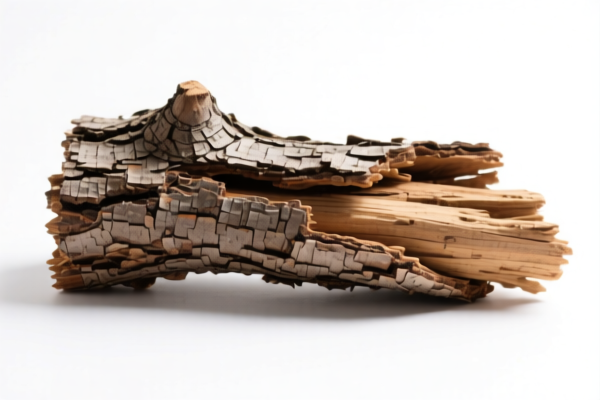
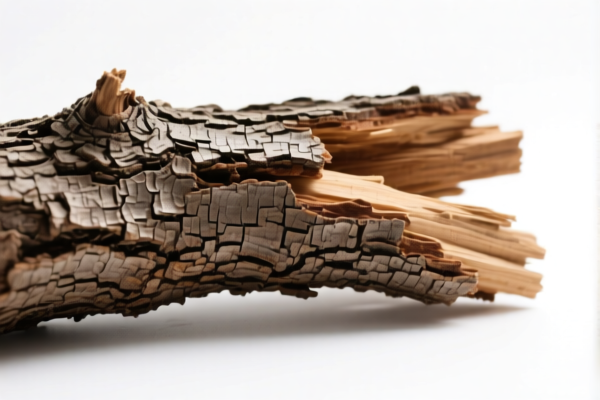
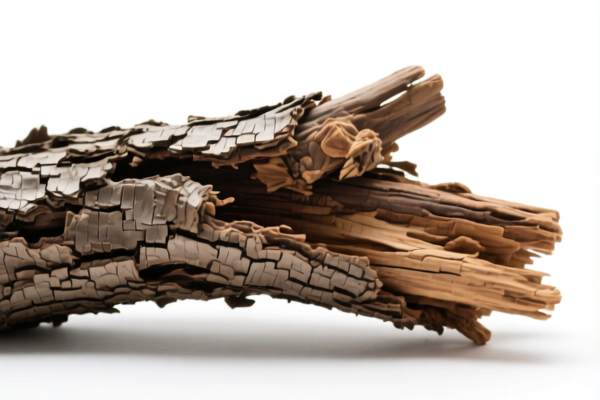
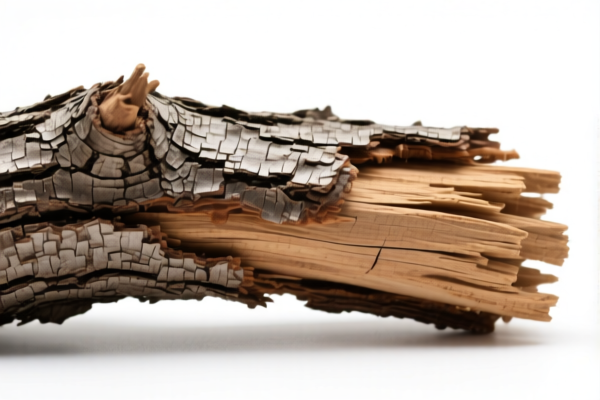
AI Analysis
🌲 Rough Pine Wood Stakes (Chaotic Pine Wood Stakes)
🌐 HS Code Reference & Customs Clearance Guide | 2026 Latest Tariff Analysis | Professional Level Clearance Strategy
📌 I. Product Definition & Classification: Do You Really Understand "Rough Pine Wood"?
Rough Pine Wood Stakes generally refer to wooden stakes made from pine (a coniferous tree), which are unplaned, unpolished, or roughly treated. In international trade, they are classified primarily based on their processing level:
Raw Timber/Rough Timber (Logs/Sawn): Unprocessed or minimally processed pine logs/sawm timber. Fuel Wood: Pine wood suitable for burning, often in log form.
⚠️ Key Distinction Point:
- If the wood is in the form of logs or rough sawn timber (not further processed into specific finished goods) → Classified under 4401.21.00.00 / 4407.11.00.52 / 4407.11.00.42 / 4401.11.00.00 / 4403.22.01.65. - Note: "Stakes" if not further processed into specific shapes (like finished garden stakes with points/tapers) might still be considered "rough timber" or "sawn timber" depending on the exact shape and dimensions. If they are specifically shaped into stakes, they might fall under different chapters (e.g., 4421), BUT based on the provided<DATA>, all relevant HS codes point to Rough Pine Wood (coniferous, primary form). Therefore, we assume the stakes are in a rough/unprocessed or semi-processed state fitting the descriptions below.
📦 II. HS Code Classification Details (2026 Latest Tariff Authority Comparison)
Based on the provided <DATA>, here are the specific HS Codes for Rough Pine Wood (which includes stakes if they are not fully finished products like "garden stakes" in Chapter 4421, but rather rough cuts or raw material):
| HS Code | Product Description | Application Scenario | Processing Level |
|---|---|---|---|
4401.21.00.00 |
Rough Pine Wood, Primary Form of Coniferous Timber | Raw logs, rough-sawn pine, unprocessed wood fuel | ✅ No/Primary |
4407.11.00.52 |
Rough Pine Wood, Fits Coarse Coniferous Pine Timber Classification | Coarse sawn timber, rough-cut planks or stakes | ✅ Coarse |
4407.11.00.42 |
Rough Pine Wood, Corresponds to Roughly Treated State of Pine | Semi-processed, rough planed or edged pine | ✅ Roughly Treated |
4401.11.00.00 |
Rough Pine Wood, Fits Characteristics of Fuelwood Logs | Pine logs intended for fuel, rough logs | ✅ Raw/Fuel |
4403.22.01.65 |
Rough Pine Wood, Fits Characteristics of Log Form | Pine logs, raw or slightly debarked, log form | ✅ Raw/Log |
🔍 Key Reminder:
- All these codes refer to Pine (Coniferous) wood in Rough/Primary/Log forms. - If the "stakes" are finished products (e.g., polished, treated with chemicals, or shaped into specific garden stakes), they might fall under 4421.10.00.00 (Wooden stakes), but that code is NOT in the provided<DATA>. Therefore, this guide assumes the stakes are classified as Rough Pine Wood under the provided codes. - Do not misclassify as finished wooden goods if they are still in raw/rough state.
💰 III. 2026 Latest Tariff Rate Breakdown (Including Additional Taxes, Policy Add-ons)
✅ Applicable Country: USA (US)
✅ Origin: China (CN)
✅ Effective Date: November 10, 2025 (including subsequent imports)
🎯 1. 4401.21.00.00 —— Rough Pine Wood, Primary Form
| Item | Content |
|---|---|
| Base Tariff | 0% (ad valorem) |
| Section 301 Additional Tariff | +25% |
| Section 122 Tariff | +10% |
| Total Tariff Rate | 35.0% |
| Tax Calculation | CIF Value × 35% |
| De Minimis Exemption | ❌ Not Eligible (deny_de_minimis) |
| Legal Basis Path | Section 301 → Section 122 → USITC:4401.21.00.00 |
📌 Explanation:
- 25% Section 301 Tariff: Imposed under U.S. Trade Act Section 301 on Chinese goods. - 10% Section 122 Tariff: Imposed under U.S. Trade Act Section 122 (national defense/import relief). - Total 35%: High tariff burden. Must be factored into cost structure.
🎯 2. 4407.11.00.52 —— Rough Pine Wood, Coarse Coniferous Classification
| Item | Content |
|---|---|
| Base Tariff | 0% |
| Section 301 Additional Tariff | +25% |
| Section 122 Tariff | +10% |
| Total Tariff Rate | 35.0% |
| Tax Calculation | CIF × 35% |
| De Minimis Exemption | ❌ Not Eligible |
| Legal Basis Path | Section 301 → Section 122 → USITC:4407.11.00.52 |
📌 Note:
- Same tariff structure as above. - Applies to pine wood that is sawn, chipped, or mechanically split but still in a rough/coarse state.
🎯 3. 4407.11.00.42 —— Rough Pine Wood, Roughly Treated State
| Item | Content |
|---|---|
| Base Tariff | 0% |
| Section 301 Additional Tariff | +25% |
| Section 122 Tariff | +10% |
| Total Tariff Rate | 35.0% |
| Tax Calculation | CIF × 35% |
| De Minimis Exemption | ❌ Not Eligible |
| Legal Basis Path | Section 301 → Section 122 → USITC:4407.11.00.42 |
📌 Note:
- Applies to pine wood that has been roughly planed or edged but not further processed. - Do not confuse with finished timber products.
🎯 4. 4401.11.00.00 —— Rough Pine Wood, Fuelwood Logs
| Item | Content |
|---|---|
| Base Tariff | 0% |
| Section 301 Additional Tariff | +25% |
| Section 122 Tariff | +10% |
| Total Tariff Rate | 35.0% |
| Tax Calculation | CIF × 35% |
| De Minimis Exemption | ❌ Not Eligible |
| Legal Basis Path | Section 301 → Section 122 → USITC:4401.11.00.00 |
📌 Note:
- If the "stakes" are considered fuelwood (logs), this code applies. - Typically for wood intended for burning, not construction.
🎯 5. 4403.22.01.65 —— Rough Pine Wood, Log Form
| Item | Content |
|---|---|
| Base Tariff | 0% |
| Section 301 Additional Tariff | +25% |
| Section 122 Tariff | +10% |
| Total Tariff Rate | 35.0% |
| Tax Calculation | CIF × 35% |
| De Minimis Exemption | ❌ Not Eligible |
| Legal Basis Path | Section 301 → Section 122 → USITC:4403.22.01.65 |
📌 Note:
- Applies to pine logs, whether or not bark has been removed. - Commonly used for construction materials, but still in raw log form.
🛠️ IV. Customs Clearance Practical Advice (Battlefield Pit-Avoidance Guide)
✅ 1. Required Documentation Checklist (None Can Be Missing)
| Document | Must Provide | Explanation |
|---|---|---|
| ✅ Product Specification Sheet | ✔️ | Include dimensions, species (Pine), treatment status (rough/raw) |
| ✅ Photos (Clear & Labelled) | ✔️ | Show wood texture, shape, any markings, and packaging |
| ✅ Commercial Invoice | ✔️ | Clearly state "Rough Pine Wood Stakes" or "Pine Logs" |
| ✅ Packing List | ✔️ | Detail weight, quantity, and packaging type |
| ✅ Phytosanitary Certificate | ✔️ | Critical for wood products to prove pest-free |
| ✅ ISPM 15 Marking | ✔️ | If pallets or packaging are wooden, they must be heat-treated/ fumISPM 15 marked |
| ✅ Origin Certificate | ✔️ | If claiming any potential exemptions (rare for China-US wood) |
✅ 2. Declaration Tips (Key Mantras)
🔥 “Rough Pine, 35% Tariff, Phytosanitary is King, Roughness Matters!”
| Scenario | Correct Declaration | Wrong Practice |
|---|---|---|
| Rough Pine Stakes (Unfinished) | 4407.11.00.52 or 4401.21.00.00 |
Misdeclare as "Finished Stakes" (4421) → Audit Risk |
| Pine Logs for Fuel | 4401.11.00.00 |
Declare as "Construction Timber" → Misclassification |
| Roughly Treated Pine | 4407.11.00.42 |
Declare as "Raw Logs" → Discrepancy |
| No Phytosanitary Certificate | None | ❌ Cargo Seized or Returned |
📌 Warning:
- Do not split rough pine wood into smaller items to avoid taxes. - Ensure accurate description: If stakes are finished (e.g., pointed, treated with preservatives), they may fall under 4421.10.00.00 (Wooden Stakes), which is NOT in the<DATA>. If they are rough, stick to the codes above. - Phytosanitary Certificate is mandatory for all wood products from China to the US.
✅ 3. Special Cases Handling
| Scenario | Handling Advice |
|---|---|
| Treated Pine (Chemical Preservative) | May require additional declarations (e.g., EPA registration). Check if it falls under different codes. |
| Mixed Wood Species | Declare only Pine. If mixed, clarify percentage. Misdeclaration can lead to penalties. |
| Wood Packaging Material | Must comply with ISPM 15. Non-compliant pallets will be rejected. |
| Low-Value Shipments | No De Minimis Exemption for wood products from China under Section 301/122. |
🌍 V. Global Main Market Clearance Comparison (2026 Latest)
| Country/Region | Recommended HS Code | Tariff | Certification | Note |
|---|---|---|---|---|
| 🇺🇸 USA | 4407.11.00.52 (Example) |
35% (China Origin) | Phytosanitary + ISPM 15 | High tariff, strict inspection |
| 🇨🇳 China | 4407.11.00.52 |
0-5% | N/A | Export tax may apply |
| 🇪🇺 EU | 4407.11.00 |
0% (if compliant) | EUDR (Deforestation Regulation) | New: Must prove no deforestation |
| 🇦🇺 Australia | 4407.11.00 |
5% | Biosecurity Clearances | Strict biosecurity |
| 🇯🇵 Japan | 4407.11.00 |
0-5% | Phytosanitary | Standard checks |
📌 Conclusion:
- USA has the highest tariff (35%) due to Section 301 and 122. - EU has strict EUDR (EU Deforestation Regulation) requirements. Ensure supply chain transparency. - Wood products are highly regulated globally due to pest and disease risks.
📌 VI. Common Mistakes & Pitfall Avoidance (Blood & Tears Lessons)
❌ Mistake 1: Declaring "Rough Pine Stakes" as "Finished Wooden Stakes" (4421)
👉 Consequence: 35% Tariff vs. Lower Tariff for Finished Goods. If inspected and found to be rough, back taxes + penalties.
❌ Mistake 2: No Phytosanitary Certificate
👉 Consequence: Cargo Detained or Returned. Wood products from China are high-risk for pests.
❌ Mistake 3: Incorrect Wood Species Declaration
👉 Consequence: If declared as "Oak" but it's "Pine", misclassification penalty.
❌ Mistake 4: Ignoring ISPM 15 for Pallets
👉 Consequence: Entire Shipment Rejected if wooden packaging is not compliant.
✅ Correct Practice:
“Rough Pine Wood Stakes, Unfinished, Species: Pinus sylvestris, Length: 1m, Diameter: 5cm, Phytosanitary Certified, ISPM 15 Packaging”
🎯 VII. Conclusion: Professional Declaration, Time-Saving, Cost-Effective!
🎯 Remember the Mantra:
🔹 “Rough Pine, 35% Tariff, Phytosanitary is King, Roughness Matters!”
🔹 “HS Code Determines Life or Death, 35% Tax Difference, Declaration Step Matters, Back Tax is Costly!”
📌 Tips:
- If your pine wood is treated with chemicals, ensure it complies with EPA regulations (if applicable).
- Pre-apply for Advance Ruling from CBP to confirm HS Code classification.
- Work with a Customs Broker experienced in wood products to avoid delays.
📣 Act Now:
📞 Contact Professional Customs Broker + Provide Product Photos + Apply for HS Code Advance Ruling
🚀 Let your Rough Pine Wood Stakes pass through customs smoothly, efficiently, and profitably!
✨ Professional Clearance Starts with Accurate Classification!
💼 Every Cent of Your Cost Deserves Precise Calculation!
Customer Reviews
About HS Code Classification
The Harmonized System (HS) is an internationally standardized nomenclature developed by the World Customs Organization (WCO) to classify traded products. Over 200 countries use the HS system as the basis for customs tariffs, trade statistics, and import/export regulations.
Each HS code follows a hierarchical structure:
- Chapter (2 digits) — Broad category of goods (e.g., Chapter 84: Machinery and Mechanical Appliances)
- Heading (4 digits) — More specific grouping within the chapter
- Subheading (6 digits) — Internationally standardized breakdown, used by all WCO member countries
- National subdivisions (8-10 digits) — Country-specific extensions for further classification, such as US HTSUS 10-digit codes
Correct HS code classification is essential for smooth customs clearance, accurate duty payment, and compliance with trade regulations. Misclassification can lead to customs delays, overpayment of duties, or penalties.
When importing from CN to US, the applicable tariff rates may include:
- Most-Favored-Nation (MFN) rate — The standard duty rate applied to WTO members
- General rate — Applied to countries without trade agreements
- Trade remedy duties — Additional tariffs such as Section 301 (anti-dumping), Section 232 (national security), or countervailing duties
The information provided on this page is for reference purposes only. For official classification, please consult with your local customs authority or a licensed customs broker.