rough square oak shipbuilding grade
CN → US| HS Code | Tariff Rate | Origin | Destination | Doc |
|---|---|---|---|---|
| 4407910022 | 35.0% | CN | US | Official Doc |
| 4403910040 | 35.0% | CN | US | Official Doc |
| 4403910020 | 35.0% | CN | US | Official Doc |
| 4407910063 | 35.0% | CN | US | Official Doc |
Product Images
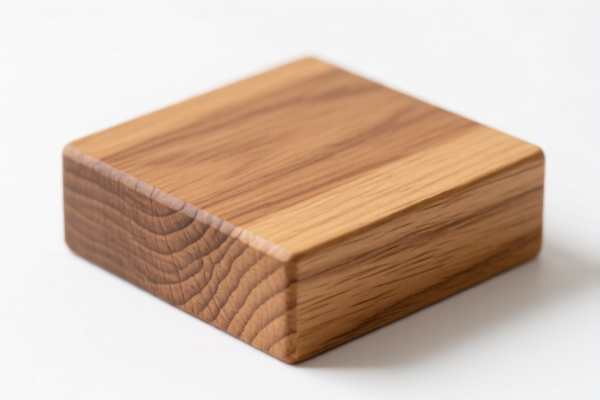
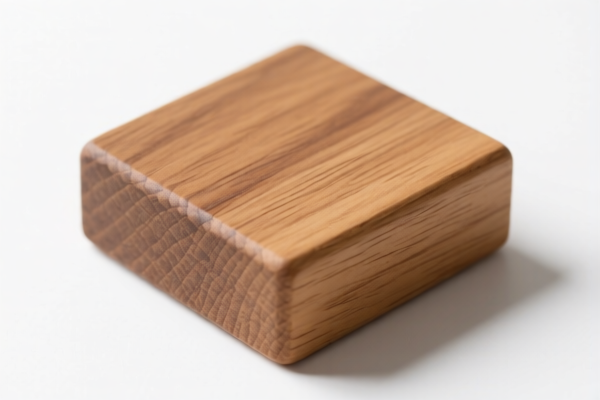
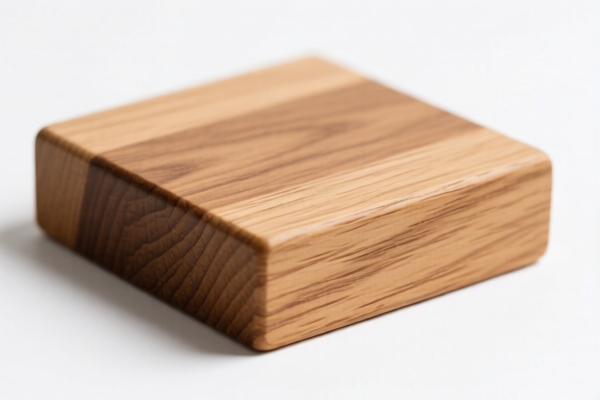

AI Analysis
🌳 Rough Square Oak – Shipbuilding Grade
🌐 HS Code Reference & Customs Clearance Guide | 2026 Latest Tariff Analysis | Professional Clearance Strategy
📌 I. Product Definition & Classification: What is "Rough Square Oak (Shipbuilding Grade)"?
Rough Square Oak, Shipbuilding Grade, refers to wood products processed from Oak (Quercus spp.), cut into rough square shapes (typically rectangular or square cross-sections that have been sawn but not planed smooth), intended primarily for shipbuilding applications.
Key Characteristics: * Material: Oak (橡木), specifically selected for strength, durability, and resistance to water/rot. * Shape/Form: "Rough Square" indicates the timber has been squared off but retains a rough surface texture (not planed/surfaced). * Grade/Purpose: "Shipbuilding Grade" denotes a specific quality tier reserved for marine applications, implying higher density, straight grain, and structural integrity. * Processing Level: Typically falls under Chapter 44 (Wood and articles of wood), specifically headings 4403 (Wood prepared for use as fuel, but also includes rough timber) or 4407 (Wood sawn or chipped lengthwise).
⚠️ Key Distinction Point:
- 4403 is generally for unfinished/unprocessed wood (including rough timber, poles, posts).
- 4407 is for sawn wood (even if rough-sawn, it is often classified here if it meets specific thickness/width criteria for further processing into finished lumber).
Note: In US HTS, 4407.91 covers "Other sawn wood... of oak." 4403.91 covers "Other wood... of oak." The distinction often lies in whether the product is considered "prepared timber" (4403) or "sawn wood" (4407). Given the "Rough Square" description and "Shipbuilding Grade," both headings are contested, leading to the multiple HS codes below.
📦 II. HS Code Classification Details (2026 Latest Tariff Authority Match)
| HS Code | Product Description | Application Scenario | Tax Rate (China Origin to US) |
|---|---|---|---|
4407.91.00.22 |
Rough square oak (shipbuilding grade), matched longitudinal sawn timber, material is oak. | Sawn oak lumber, rough-squared, matched for shipbuilding. | 35.0% |
4403.91.00.40 |
Rough square oak (shipbuilding grade), form and material match classification; shipbuilding grade is a use description. | Rough timber, poles, posts, prepared wood for marine use. | 35.0% |
4403.91.00.20 |
Rough square oak (shipbuilding grade), rough square form and oak material match classification; shipbuilding grade is a use category. | Similar to above, different sub-subheading for specific rough oak timber. | 35.0% |
4407.91.00.63 |
Rough square oak (shipbuilding grade), material is oak, form is longitudinal sawn timber, falls under "other oak" category. | Other sawn oak wood, rough squared, for marine construction. | 35.0% |
🔍 Key Takeaway:
- All four codes result in a total tariff rate of 35.0% for goods originating from China entering the United States.
- The distinction between4403and4407is critical for customs classification accuracy, even if the tax rate is identical. Misclassification can lead to delays or audits.
💰 III. 2026 Latest Tariff Rate Breakdown (Including Surtaxes & Policy Additions)
✅ Applicable Country: United States (US)
✅ Origin: China (CN)
✅ Effective Date: From November 10, 2025 (and subsequent imports)
🎯 1. All HS Codes: 4407.91.00.22, 4403.91.00.40, 4403.91.00.20, 4407.91.00.63
| Item | Content |
|---|---|
| Base Tariff | 0.0% (ad valorem) |
| Section 301 Surtax | +25.0% (From USITC Footnote 9903.88.01) |
| Section 122 Tariff | +10.0% (Specific to Chinese/Chinese-produced goods under IEEPA/Trade Act) |
| Total Tariff Rate | 35.0% |
| Tax Calculation | CIF Value × 35% |
| De Minimis Exemption? | ❌ No (deny_de_minimis) |
| Legal Basis Path | IEEPA:9903.01.25 → IEEPA:9903.01.24 → USITC:4407.91.00.xx / 4403.91.00.xx → FOOTNOTE:9903.88.01 |
📌 Explanation:
- The 0% base rate reflects the standard Most-Favored-Nation (MFN) duty for wood products.
- The 25% Section 301 tariff is a longstanding surcharge on many Chinese imports.
- The 10% Section 122 tariff is a newer addition targeting specific categories of Chinese goods, including certain wood products.
- Total 35% is a high tariff burden. This must be factored into pricing and supply chain decisions.
🛠️ IV. Customs Clearance Practical Advice (Battle-Tested Pitfall Guide)
✅ 1. Required Documentation Checklist (Non-negotiable)
| Document | Must Provide | Notes |
|---|---|---|
| ✅ Product Specification Sheet | ✔️ | Include dimensions (rough square size), moisture content, grade certificate (Shipbuilding Grade). |
| ✅ Certificate of Origin (CO) | ✔️ | Critical for proving Chinese origin (subject to 35% tax). |
| ✅ Commercial Invoice | ✔️ | Clearly state: "Rough Square Oak, Shipbuilding Grade, Sawn Wood" or "Prepared Timber." |
| ✅ Packing List | ✔️ | Detail weight, volume, and number of bundles/units. |
| ✅ Shipbuilding Certification (if applicable) | ✔️ | Proof of "Shipbuilding Grade" may help in classification defense, though tax rate is the same. |
| ✅ Bill of Lading | ✔️ | Ensure description matches invoice and packing list. |
✅ 2. Declaration Tips (Key Mantra)
🔥 "Be Precise, Don't Ambiguous, Tax is 35%, No Escape!"
| Scenario | Correct Declaration | Wrong Practice |
|---|---|---|
| Rough Square Oak, Shipbuilding Grade | Use 4407.91.00.22 or 4403.91.00.40 based on physical form (sawn vs. prepared timber). |
Vague terms like "Wood" or "Timber" → Leads to manual review, delays. |
| Matched Longitudinal Sawn Timber | Specify "Matched" and "Longitudinal Sawn" for 4407.91.00.22. |
Omitting "Sawn" → May be misclassified as 4403. |
| Shipbuilding Use | State "For Shipbuilding Construction" as a use description, not as a reason for exemption. | Claiming "Shipbuilding" implies tax exemption → ❌ Fraud! Tax is still 35%. |
✅ 3. Special Circumstances Handling
| Situation | Handling Advice |
|---|---|
| Mixed Shipments | If oak is mixed with other woods, declare separately to avoid misclassification. |
| Non-Chinese Origin | If oak is from EU, Canada, or other FTA partners, check for preferential rates. The 35% tax applies to China-origin goods. |
| Pre-Export Processing | If wood is further processed in a third country (e.g., Vietnam), ensure Substantial Transformation occurs to change origin and avoid US tariffs. |
| Audit Defense | Keep samples and test reports (density, moisture) to prove "Shipbuilding Grade" if questioned, though tax remains 35%. |
🌍 V. Global Market Comparison (2026 Latest)
| Country/Region | Recommended HS Code | Tariff (China Origin) | Certification Requirements | Notes |
|---|---|---|---|---|
| 🇺🇸 USA | 4407.91.00.22 / 4403.91.00.40 |
35.0% | None specific for wood | High tariff due to Section 301 & 122 |
| 🇨🇳 China | 4407.91.00.22 / 4403.91.00.40 |
5% - 10% (Import Duty) | FSC Certification (recommended) | No Section 301/122 |
| 🇪🇺 EU | 4407.99 / 4403.91 |
0% - 4.7% | FSC/PEFC, EUTR Compliance | No major surtax on Chinese wood |
| 🇬🇧 UK | 4407.99 / 4403.91 |
0% - 5% | UKCA, FSC | No major surtax |
| 🇯🇵 Japan | 4407.99 / 4403.91 |
2.0% - 4.0% | Phytosanitary Certificate | Low tariff, strict phyto |
📌 Conclusion:
- USA has the highest tariff burden (35%) for Chinese rough square oak.
- EU, UK, Japan, and China offer significantly lower duties.
- Strategy: If possible, source non-Chinese origin oak or process in a third country to mitigate US tariffs.
📌 VI. Common Mistakes & Pitfall Guide (Lessons Learned)
❌ Mistake 1: Declaring "Shipbuilding Grade" as a reason for tariff exemption.
👉 Consequence: 35% tax still applies. No exemption exists for shipbuilding materials under current US trade policy.
❌ Mistake 2: Using vague terms like "Wood Planks" or "Timber Logs" without specifying "Sawn" or "Rough Square."
👉 Consequence: Customs may classify under a different heading (e.g., 4407.10 for pine), leading to misclassification penalties.
❌ Mistake 3: Ignoring the 10% Section 122 tariff.
👉 Consequence: Underpaying by 10% → Back taxes + Interest + Penalties.
❌ Mistake 4: Failing to provide Phytosanitary Certificates for raw wood.
👉 Consequence: Detention or Return at US port due to pest risk (even if tax is paid).
✅ Correct Practice:
"Rough Square Oak Lumber, Shipbuilding Grade, Sawn Lengthwise, Unplaned, Moisture Content <15%, Origin: China, HS Code: 4407.91.00.22"
🎯 VII. Conclusion: Precise Declaration, Time-Saving, Cost-Effective!
🎯 Remember the Mantra:
🔹 "Rough Square Oak, Shipbuilding Grade, Tax is 35%, No Escape!"
🔹 "HS Code Matters, Tax Rate is Fixed, Declaration Must Be Precise!"
📌 Pro Tip:
- If your oak originates from Europe, Canada, or South America, you may qualify for lower tariffs (0-5%). Ensure your Certificate of Origin accurately reflects the true origin.
- For large volumes, consider Advance Ruling (Pre-Ruling) from CBP to lock in the HS Code and avoid disputes.
📣 Immediate Action:
📞 Contact a professional customs broker + Provide Product Specs + Apply for HS Code Pre-Ruling
🚀 Ensure smooth customs clearance, reduce risks, and manage costs effectively!
✨ Professional Clearance, Starting with Accurate Classification!
💼 Every cent of your cost is worth calculating precisely!
Customer Reviews
About HS Code Classification
The Harmonized System (HS) is an internationally standardized nomenclature developed by the World Customs Organization (WCO) to classify traded products. Over 200 countries use the HS system as the basis for customs tariffs, trade statistics, and import/export regulations.
Each HS code follows a hierarchical structure:
- Chapter (2 digits) — Broad category of goods (e.g., Chapter 84: Machinery and Mechanical Appliances)
- Heading (4 digits) — More specific grouping within the chapter
- Subheading (6 digits) — Internationally standardized breakdown, used by all WCO member countries
- National subdivisions (8-10 digits) — Country-specific extensions for further classification, such as US HTSUS 10-digit codes
Correct HS code classification is essential for smooth customs clearance, accurate duty payment, and compliance with trade regulations. Misclassification can lead to customs delays, overpayment of duties, or penalties.
When importing from CN to US, the applicable tariff rates may include:
- Most-Favored-Nation (MFN) rate — The standard duty rate applied to WTO members
- General rate — Applied to countries without trade agreements
- Trade remedy duties — Additional tariffs such as Section 301 (anti-dumping), Section 232 (national security), or countervailing duties
The information provided on this page is for reference purposes only. For official classification, please consult with your local customs authority or a licensed customs broker.