roughly processed spruce wood
CN → US| HS Code | Tariff Rate | Origin | Destination | Doc |
|---|---|---|---|---|
| 4407120017 | 35.0% | CN | US | Official Doc |
| 4407120019 | 35.0% | CN | US | Official Doc |
Product Images
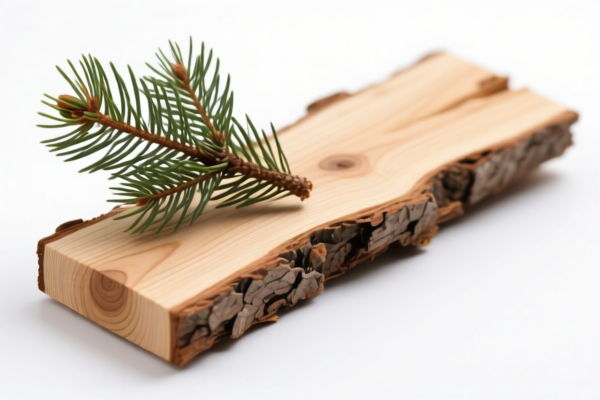
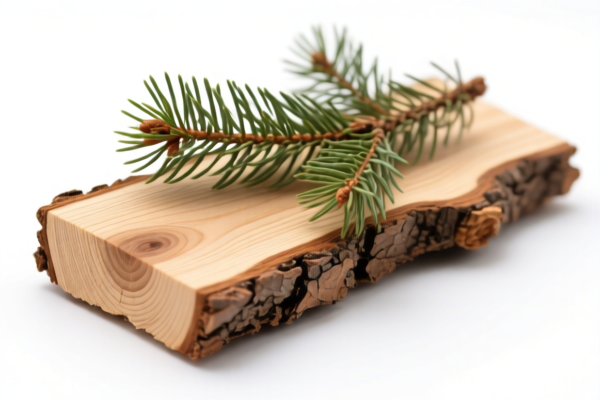
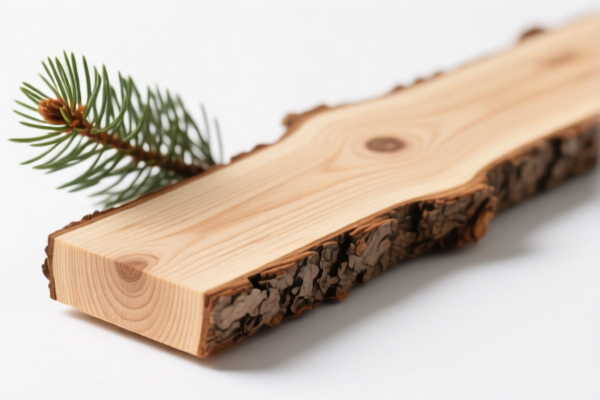
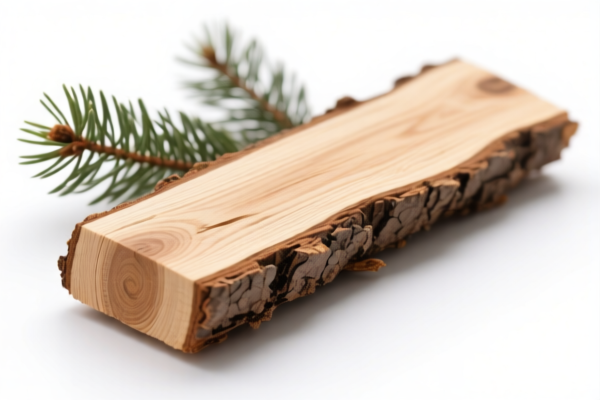
AI Analysis
🪵 Roughly Processed Spruce Wood (Sitka & Other Picea spp.)
🌐 HS Code Reference & Customs Clearance Guide | 2026 Latest Tariff Analysis | Professional Compliance Strategy
📌 I. Product Definition & Classification: Do You Really Understand "Rough Spruce Wood"?
Rough Spruce Wood refers to wood that has been sawn, chipped, sliced, or peeled lengthwise. It is defined by specific biological species, physical dimensions, and lack of further treatment. In international trade, the classification hinges on three critical factors: 1. Species: Must be Picea spp. (Spruce) or Abies spp. (Fir), specifically Sitka Spruce (Picea sitchensis) or Other Spruce. 2. Thickness: Must exceed 6 mm. 3. Processing Level: "Rough" means it is not treated (e.g., no paint, varnish, impregnation) and not further planed or sanded to a high finish.
⚠️ Key Distinction Point:
- If the wood is < 6 mm thick → It is considered veneer sheets or similar, NOT covered by HS 4407.12.
- If the wood is Treated (e.g., pressure-treated, painted) → It falls under HS 4406 or other treated wood codes, NOT this list.
- If it is Planed/Sanded Smooth → It may still fall under 4407, but the "Rough" sub-category in the provided data specifically targets unfinished, raw lumber.
📦 II. HS Code Classification Details (Based on Provided Data 2026)
The provided data restricts the classification to two specific HS Codes for Coniferous Spruce/Fir Wood of thickness > 6mm.
| HS Code | Product Description | Key Criteria |
|---|---|---|
4407.12.00.17 |
Sitka Spruce (Picea sitchensis): Rough | - Species: Sitka Spruce specifically - Status: Not treated - Finish: Rough - Thickness: > 6 mm |
4407.12.00.19 |
Other Spruce: Rough | - Species: Other Picea spp. (e.g., Norway Spruce, etc.) OR Abies (Fir) spp. - Status: Not treated - Finish: Rough - Thickness: > 6 mm |
🔍 Critical Note:
- Both codes fall under Chapter 44, heading 4407: "Wood sawn or chipped lengthwise, sliced or peeled, whether or not planed, sanded or end-jointed, of a thickness exceeding 6 mm." - The distinction is purely Species-Specific:...17is for Sitka Spruce;...19is for all other spruces or firs. - "Not Treated" is mandatory. Any chemical treatment or surface finishing disqualifies these codes.
💰 III. 2026 Latest Tariff Rate Breakdown (Detailed Tax Analysis)
✅ Applicable Jurisdiction: USA (US)
✅ Origin: China (CN) (Assumed based on the 25% surcharge typical of US-China trade context in the data)
✅ Effective Time: Current trade policy (Section 301 Tariffs)
🎯 1. 4407.12.00.17 – Sitka Spruce, Rough
| Item | Content |
|---|---|
| Base Tariff Rate | 0.0% (Most Favored Nation / General Rate) |
| Section 301 Surcharge | +25.0% |
| Total Effective Tax Rate | 25.0% |
| Tax Calculation Basis | CIF Value (Cost, Insurance, Freight) × 25% |
| De Minimis Exemption | ❌ NOT Eligible (Shipments under $800 typically subject to strict scrutiny for wood products due to phytosanitary rules; however, tax-wise, Section 301 applies to commercial imports regardless of value thresholds if duty-paid entry is made). |
| Legal Basis Path | 4407.12.00.17 → USITC Section 301 List → 25% Surcharge |
📌 Explanation:
- Although the base MFN rate is 0%, the 25% additional duty is applied due to the product's origin (likely China) under the Trade Act of 1974, Section 301. - This is a high-cost item for importers. No reduced rates apply for "rough" vs. "processed" wood in this specific tariff line.
🎯 2. 4407.12.00.19 – Other Spruce/Fir, Rough
| Item | Content |
|---|---|
| Base Tariff Rate | 0.0% |
| Section 301 Surcharge | +25.0% |
| Total Effective Tax Rate | 25.0% |
| Tax Calculation Basis | CIF Value × 25% |
| De Minimis Exemption | ❌ NOT Eligible (Same as above) |
| Legal Basis Path | 4407.12.00.19 → USITC Section 301 List → 25% Surcharge |
📌 Explanation:
- Identical tax treatment to Sitka Spruce. - Applies to Norway Spruce, Scots Pine, Douglas Fir (often grouped in trade data), etc., provided they are not Sitka Spruce.
🛠️ IV. Customs Clearance Practical Advice (Risk Mitigation Strategy)
✅ 1. Essential Documentation Checklist (Mandatory)
| Document | Required? | Purpose |
|---|---|---|
| ✅ Commercial Invoice | ✔️ | Must clearly state: "Rough Spruce Wood," Thickness > 6mm, Species (Picea sitchensis or other), Value. |
| ✅ Packing List | ✔️ | Detail dimensions, weight, and number of pieces. |
| ✅ Phytosanitary Certificate | ✔️ | CRITICAL. Wood products require pest-free certification to prevent invasive species (e.g., Emerald Ash Borer, Pine Bark Beetles). Issued by the country of origin's agricultural authority. |
| ✅ ISPM 15 Marking | ✔️ | If shipped in wooden pallets or crates, the packaging MUST bear the official IPPC mark (heat-treated or fumigated). |
| ✅ Species Verification | ✔️ | Lab report or botanical description if disputed between Sitka (...17) and Other (...19). |
✅ 2. Classification Tips (Key Mnemonics)
🔥 "Check Species, Check Thickness, Check Treatment!"
| Scenario | Correct HS Code | Risk if Misclassified |
|---|---|---|
| Sitka Spruce, >6mm, Untreated, Rough | 4407.12.00.17 |
Misclassifying as ...19 may trigger audits for species fraud. |
| Norway Spruce, >6mm, Untreated, Rough | 4407.12.00.19 |
Misclassifying as ...17 is unlikely to cause tax change (same rate) but causes data inaccuracy. |
| Wood < 6mm thick | NOT 4407 | Likely HS 4408 (Veneer sheets) or 4412. Do not use 4407! |
| Treated/Painted Wood | NOT 4407 | Likely HS 4406 or 4414. Using 4407 is fraud if treated. |
| Wood with ISPM 15 Pallets | N/A | Pallets must be declared separately or included in packaging description. |
✅ 3. Special Considerations
| Issue | Handling Advice |
|---|---|
| Moisture Content | Ensure wood is dry to prevent mold during transit. Wet wood may be rejected at border for phytosanitary reasons. |
| Smell/Odor | "Rough" wood may have a strong pine smell. This is normal but does not affect classification. |
| End-Jointed Wood | The description says "whether or not... end-jointed." So, even if pieces are glued end-to-end for length, it still qualifies as 4407 if it meets the rough/spruce criteria. |
| Origin Fraud | Ensure the certificate of origin matches the tariff preference (or lack thereof). If from Vietnam, rates might differ (check FTAs). The 25% surcharge applies to China-origin. |
🌍 V. Global Market Comparison (2026 Context)
| Region | Recommended HS Code | Base Tariff | Additional Duties (China Origin) | Total Tax | Notes |
|---|---|---|---|---|---|
| 🇺🇸 USA | 4407.12.00.17 / .19 |
0% | +25% (Section 301) | 25% | High barrier due to trade war. |
| 🇨🇳 China | 4407.12.00.17 / .19 |
~5-8% | None | ~5-8% | Export from China faces no tax here. |
| 🇪🇺 EU | 4407.12.10 |
0% | None (if compliant) | 0% | No Section 301 equivalent. Strict EUTR (EU Timber Regulation) compliance needed. |
| 🇬🇧 UK | 4407.12.10 |
0% | None | 0% | Post-Brexit rules align with EU for timber. |
| 🇨🇦 Canada | 4407.12.10 |
0% | None | 0% | USMCA/CUSMA may apply if originating in North America. |
📌 Conclusion:
- USA is the most expensive market for this product if sourced from China, due to the flat 25% surcharge.
- EU and UK are duty-free but have strict legality verification (EUTR) requirements.
📌 VI. Common Mistakes & Pitfalls (Lessons Learned)
❌ Mistake 1: Ignoring Phytosanitary Certificates
👉 Result: Shipment held at port, fumigation costs, or destruction/return. Wood products are high-priority for border biosecurity.
❌ Mistake 2: Misidentifying Thickness
👉 Result: If wood is exactly 6mm or less, it is not "sawn wood of thickness exceeding 6mm." It may be classified as veneer or plywood, leading to different duties and regulations.
❌ Mistake 3: Claiming "Treated" Status Incorrectly
👉 Result: If wood is painted or pressure-treated, declaring it as "Not Treated" (...17/.19) is customs fraud. It should be classified under 4406 (Railway sleepers) or 4414 (Frames), with different tax rates.
❌ Mistake 4: Confusing Sitka Spruce with Douglas Fir
👉 Result: Sitka is ...17. Douglas Fir is often grouped under "Other Coniferous" or ...19 depending on local nomenclature. Ensure botanical accuracy.
✅ Correct Declaration Example:
"Sitka Spruce (Picea sitchensis), Rough Sawn Lumber, Thickness 25mm, Untreated, Phytosanitary Certified, Origin: Canada/China"
🎯 VII. Conclusion: Professional Declaration, Cost Efficiency, Risk Reduction
🎯 Remember the Golden Rules:
🔹 "Species Matters: Sitka is .17, Others are .19."
🔹 "Thickness Must Be > 6mm."
🔹 "No Treatment Allowed for These Codes."
🔹 "Phytosanitary Certificate is Non-Negotiable."
🔹 "USA = 25% Surcharge on Chinese Goods."
📌 Pro Tip:
If you are importing Sitka Spruce for high-end musical instruments or aircraft components, ensure the wood is graded for structural integrity as well. Customs may request grade certificates if the value is unusually high for "rough" wood.
📣 Immediate Action Required:
📞 Contact your freight forwarder to verify the Phytosanitary Certificate status.
📝 Double-check the species name on the commercial invoice against the HS Code description.
🧮 Calculate the landed cost: Include the 25% tariff if importing from China to the USA.
✨ Professional Clearance Starts with Accurate Classification!
💼 Your Bottom Line Depends on These Details!
Customer Reviews
About HS Code Classification
The Harmonized System (HS) is an internationally standardized nomenclature developed by the World Customs Organization (WCO) to classify traded products. Over 200 countries use the HS system as the basis for customs tariffs, trade statistics, and import/export regulations.
Each HS code follows a hierarchical structure:
- Chapter (2 digits) — Broad category of goods (e.g., Chapter 84: Machinery and Mechanical Appliances)
- Heading (4 digits) — More specific grouping within the chapter
- Subheading (6 digits) — Internationally standardized breakdown, used by all WCO member countries
- National subdivisions (8-10 digits) — Country-specific extensions for further classification, such as US HTSUS 10-digit codes
Correct HS code classification is essential for smooth customs clearance, accurate duty payment, and compliance with trade regulations. Misclassification can lead to customs delays, overpayment of duties, or penalties.
When importing from CN to US, the applicable tariff rates may include:
- Most-Favored-Nation (MFN) rate — The standard duty rate applied to WTO members
- General rate — Applied to countries without trade agreements
- Trade remedy duties — Additional tariffs such as Section 301 (anti-dumping), Section 232 (national security), or countervailing duties
The information provided on this page is for reference purposes only. For official classification, please consult with your local customs authority or a licensed customs broker.