round table black
CN → US| HS Code | Tariff Rate | Origin | Destination | Doc |
|---|---|---|---|---|
| 7326190080 | 87.9% | CN | US | Official Doc |
| 9403200050 | 85.0% | CN | US | Official Doc |
| 9403608040 | 35.0% | CN | US | Official Doc |
| 9403608040 | 35.0% | CN | US | Official Doc |
| 7326908688 | 87.9% | CN | US | Official Doc |
Product Images
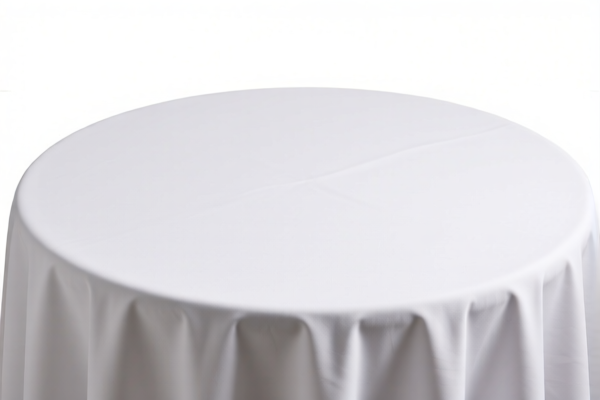
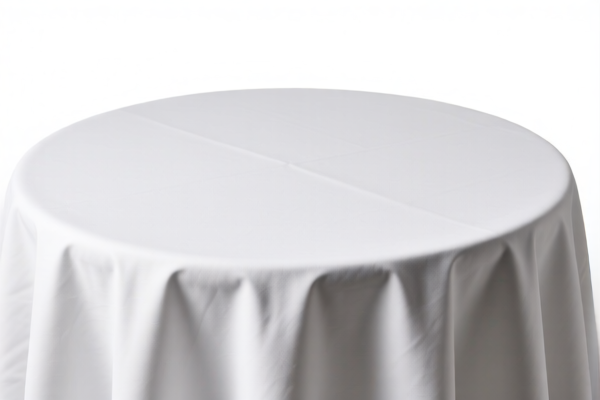
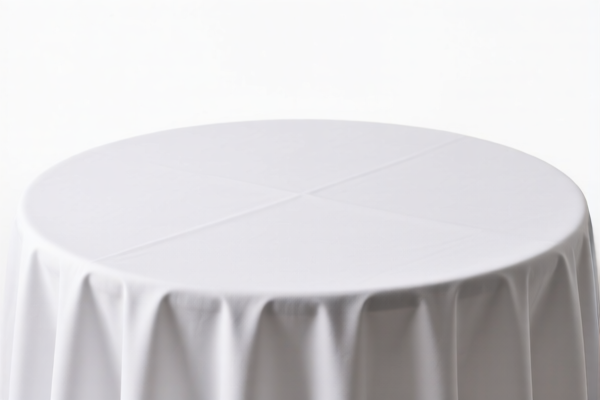
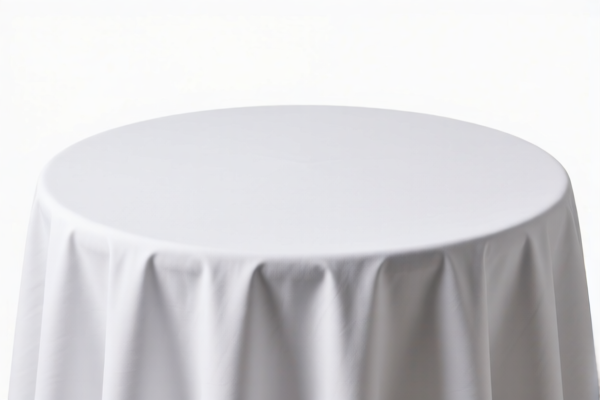
AI Analysis
🪑 Round Table Black (Black Round Table)
🌐 HS Code Reference & Customs Clearance Guide | 2026 Latest Tariff Analysis | Professional Entry Strategy
📌 Part I: Product Definition & Classification: Do You Really Understand "Round Tables"?
A Round Table Black is a classic furniture piece, characterized by its circular shape and black finish. In international trade, furniture is broadly classified based on material. The visual appearance ("Black") does not determine the HS Code; the raw material (Wood, Metal, Plastic, etc.) does.
Based on the provided data, the system has identified four potential HS Codes, primarily divided into two main categories: 1. Wooden Furniture (Lower Tax) 2. Metal/Steel Furniture (Higher Tax)
⚠️ Key Distinction Point: - If the table is made of wood (solid wood, MDF, particle board with wood veneer) → It falls under 9403.60 or 9403.20. - If the table is made of steel/iron (metal frame, metal legs, metal top) → It falls under 7326.19 or 7326.90.
📦 Part II: HS Code Classification Details (2026 Latest Tariff Authority)
| HS Code | Product Description | Material Inference | Total Tax Rate |
|---|---|---|---|
9403.60.80.40 |
Other Wooden Furniture (Round Table) | Wood (Inferred from shape/usage as dining/furniture) | 35.0% |
9403.20.00.50 |
Metal Furniture (Table) | Metal (Inferred as "Other Metal Furniture" fallback) | 85.0% |
7326.19.00.80 |
Other Articles of Iron or Steel | Metal/Steel (No material conflict, other steel products) | 87.9% |
7326.90.86.88 |
Other Articles of Iron or Steel | Iron/Steel (Fallback logic for other categories) | 87.9% |
🔍 Critical Reminder: - Wood vs. Metal is the decisive factor. A black-painted wooden table is NOT taxed as metal. -
9403.60.80.40is the most favorable option if the product is indeed wooden. - The metal options (7326...and9403.20...) carry significantly higher tariffs due to specific steel/aluminum/copper附加 taxes.
💰 Part III: 2026 Latest Tariff Rate Details (Including Surcharges & Policy Add-ons)
✅ Applicable Country: United States (US)
✅ Origin: China (CN)
✅ Effective Time: Current tariff structure applies
🎯 1. 9403.60.80.40 —— Wooden Furniture (Recommended if Wood)
| Item | Content |
|---|---|
| Base Duty | 0.0% |
| Section 301 Surcharge | +25.0% |
| Section 122 Tariff | +10.0% |
| Total Tax Rate | 35.0% |
| Tax Calculation | CIF Value × 35% |
| De Minimis Exemption | ❌ Not Eligible (High tariff rate excludes low-value shipments) |
| Legal Basis Path | USITC:9403.60.80.40 → Section 301: +25% → Section 122: +10% |
📌 Explanation: - Base Duty 0%: Wooden furniture typically has a low base rate. - Section 301 (25%): The standard additional tariff for Chinese imports under US Trade Law Section 301. - Section 122 (10%): Additional tariff under International Emergency Economic Powers Act (IEEPA) for specific Chinese goods. - Total 35%: This is the lowest possible rate among the suggested codes. If your table is wooden, this is your target code.
🎯 2. 9403.20.00.50 —— Metal Furniture (Other)
| Item | Content |
|---|---|
| Base Duty | 0.0% |
| Section 301 Surcharge | +25.0% |
| Section 122 Tariff | +10.0% |
| Steel/Aluminum/Copper Surcharge | +50.0% |
| Total Tax Rate | 85.0% |
| Tax Calculation | CIF Value × 85.0% |
| De Minimis Exemption | ❌ Not Eligible |
| Legal Basis Path | USITC:9403.20.00.50 → Steel/Aluminum/Copper: +50% |
📌 Note: - This code applies if the table is classified as "Other Metal Furniture" (e.g., aluminum or steel frame with non-steel top, or ambiguous metal content). - The +50% surcharge for "Steel, Aluminum, Copper Products" drastically increases the cost.
🎯 3. 7326.19.00.80 & 7326.90.86.88 —— Other Articles of Iron or Steel
| Item | Content |
|---|---|
| Base Duty | 2.9% |
| Section 301 Surcharge | +25.0% |
| Section 122 Tariff | +10.0% |
| Steel/Aluminum/Copper Surcharge | +50.0% |
| Total Tax Rate | 87.9% |
| Tax Calculation | CIF Value × 87.9% |
| De Minimis Exemption | ❌ Not Eligible |
| Legal Basis Path | USITC:7326.19.00.80 → Steel/Aluminum/Copper: +50% |
📌 Note: - These codes are for pure steel/iron articles that do not fit other specific metal furniture categories. - 87.9% is an extremely high effective tariff. This should only be used if the product is purely a steel structure (e.g., an industrial steel table) and cannot be classified as furniture under Chapter 94.
🛠️ Part IV: Customs Clearance Practical Advice (Battle-Tested Pitfall Avoidance)
✅ 1. Preparation Checklist (Mandatory)
| Document | Required | Explanation |
|---|---|---|
| ✅ Product Specifications | ✔️ | Must explicitly state Material (e.g., "Solid Wood Top," "Steel Legs," "MDF Board"). |
| ✅ Material Composition Statement | ✔️ | Percentage of wood vs. metal. If mixed, determine the essential character. |
| ✅ Product Photos | ✔️ | Clear images showing joints, legs, and surface texture to prove material (wood grain vs. metal weld). |
| ✅ Commercial Invoice | ✔️ | Must clearly describe as "Round Wooden Table" or "Round Steel Table." Do not just say "Table." |
| ✅ Packing List | ✔️ | Weight and dimensions to verify freight costs. |
✅ 2. Declaration Strategy (Key Mantra)
🔥 "Material Determines Code, Code Determines Tax!"
| Scenario | Correct Declaration | Wrong Practice |
|---|---|---|
| Wooden Table (Black Painted/Stained) | 9403.60.80.40 (35%) |
Declare as Steel → 87.9% Tax |
| Steel Table (Black Powder-Coated) | 7326.19.00.80 (87.9%) |
Declare as Wood → 35% Tax (Risk of Penalty) |
| Mixed Material (Wood Top, Metal Legs) | Analyze "Essential Character" | Split shipment → Complex Customs Review |
| Plastic Table | Not listed in data | ❌ Do not use Wood/Metal codes |
📌 Advice for Mixed Materials: - If the table has a wooden top and metal legs, customs usually classifies it as Wooden Furniture (9403.60) if the wooden part provides the essential character. This saves you 52.9% in tax! - Provide photos showing the wooden top prominently.
✅ 3. Special Circumstances
| Situation | Handling Advice |
|---|---|
| OEM Custom Black Table | Provide design files. If the design specifies "Wood," use 9403.60.80.40. |
| Black Metal Table | Ensure the invoice says "Steel Furniture." Be prepared for 85-88% tax. Consider pricing strategy. |
| Table with Glass Top | If the frame is metal, it might still be 9403.60 if the structure is wood, or 7326 if metal. Clarify structure. |
| Drop Shipping/De Minimis | ❌ Do Not Attempt. All suggested codes have >10% tariffs, disqualifying them from de minimis (Section 321) tax-free entry under $800. |
🌍 Part V: Global Market Comparison (2026 Latest)
| Country/Region | Recommended HS Code | Estimated Total Tax (China Origin) | Notes |
|---|---|---|---|
| 🇺🇸 USA | 9403.60.80.40 (Wood) |
35.0% | Lowest rate if wood. |
| 🇺🇸 USA | 7326.19.00.80 (Steel) |
87.9% | High cost for steel. |
| 🇨🇳 China | 9403.60 |
~5-10% | Lower base rates, no Section 301. |
| 🇪🇺 EU | 9403.60 |
~0-4% | No Section 301/122. Check EPR/WEEE for black furniture. |
| 🇬🇧 UK | 9403.60 |
~0-12% | Post-Brexit tariffs apply. |
📌 Conclusion: - USA imposes heavy tariffs on Chinese furniture. - Material Declaration is Critical: Misdeclaring steel as wood can lead to fraud penalties and shipment seizure. - Cost Impact: Choosing the correct wooden code (
9403.60.80.40) saves you ~53% in tax compared to steel codes.
📌 Part VI: Common Errors & Pitfalls (Lessons Learned)
❌ Error 1: Declaring a Steel Table as 9403.60.80.40 (Wooden)
👉 Consequence: Customs inspection reveals metal. Back taxes + 25% penalty + Possible seizure. Tax difference: 35% vs 87.9%.
❌ Error 2: Using "Round Table Black" without specifying material 👉 Consequence: Customs may assign the worst-case scenario (Steel Code, 87.9%) or hold the shipment for clarification.
❌ Error 3: Assuming "Black Color" implies a specific category 👉 Consequence: Color is irrelevant to HS Code. Material is King.
✅ Correct Practice:
"Round Dining Table, Black Finish, Solid Oak Wood Top, Stainless Steel Legs. Model: RT-BLK-01" -> This allows customs to classify as Wooden Furniture (9403.60.80.40) if wood is the essential character.
🎯 Part VII: Conclusion: Precision Classification, Maximize Profit!
🎯 Remember the Mantra:
🔹 "Wood is King (35%), Steel is Pain (88%), Color is Nothing!" 🔹 "Specify Material in Invoice, Save 53% in Tax!"
📌 Pro Tip:
If your "Round Table Black" has a wooden top and metal legs, classify it under 9403.60.80.40. This is the most common and tax-efficient strategy for multi-material furniture. Ensure your product photos and specs highlight the wood component.
📣 Immediate Action:
📞 Verify Material: Is it wood or metal? 📄 Update Invoice: Explicitly state "Wooden Table" or "Steel Table." 📦 Prepare for 35-88% Tax: Plan your pricing accordingly. Do not rely on de minimis exemptions.
✨ Professional Clearance Starts with Accurate Classification! 💼 Every Percentage Point of Tax Affects Your Bottom Line!
Customer Reviews
About HS Code Classification
The Harmonized System (HS) is an internationally standardized nomenclature developed by the World Customs Organization (WCO) to classify traded products. Over 200 countries use the HS system as the basis for customs tariffs, trade statistics, and import/export regulations.
Each HS code follows a hierarchical structure:
- Chapter (2 digits) — Broad category of goods (e.g., Chapter 84: Machinery and Mechanical Appliances)
- Heading (4 digits) — More specific grouping within the chapter
- Subheading (6 digits) — Internationally standardized breakdown, used by all WCO member countries
- National subdivisions (8-10 digits) — Country-specific extensions for further classification, such as US HTSUS 10-digit codes
Correct HS code classification is essential for smooth customs clearance, accurate duty payment, and compliance with trade regulations. Misclassification can lead to customs delays, overpayment of duties, or penalties.
When importing from CN to US, the applicable tariff rates may include:
- Most-Favored-Nation (MFN) rate — The standard duty rate applied to WTO members
- General rate — Applied to countries without trade agreements
- Trade remedy duties — Additional tariffs such as Section 301 (anti-dumping), Section 232 (national security), or countervailing duties
The information provided on this page is for reference purposes only. For official classification, please consult with your local customs authority or a licensed customs broker.