rubber coated gloves
CN → US| HS Code | Tariff Rate | Origin | Destination | Doc |
|---|---|---|---|---|
| 3926204050 | 16.5% | CN | US | Official Doc |
| 4015191150 | 38.0% | CN | US | Official Doc |
| 4015195100 | 49.0% | CN | US | Official Doc |
| 6116106500 | 24.5% | CN | US | Official Doc |
| 6116109500 | 24.5% | CN | US | Official Doc |
Product Images
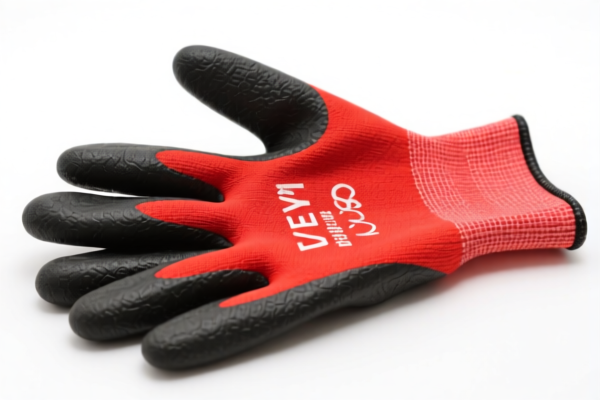
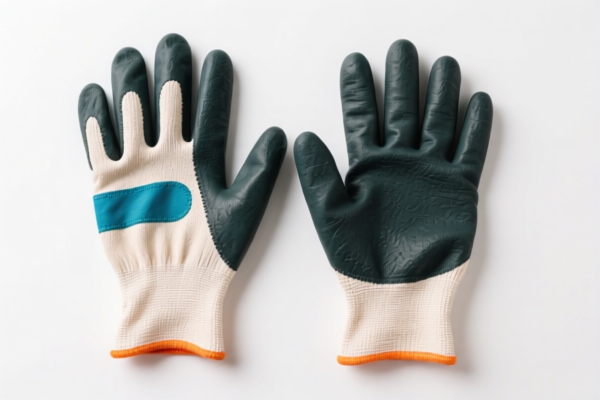
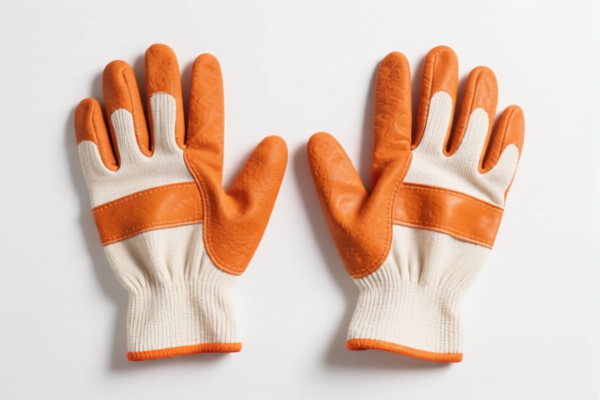
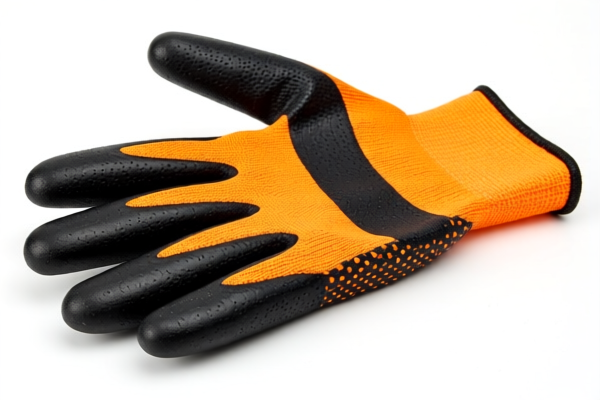
AI Analysis
🧤 Rubber Coated Gloves (Agricultural & Industrial Use)
🌐 HS Code Reference & Customs Clearance Guide | 2026 Latest Tariff Analysis | Professional-Level Entry Strategy
📌 I. Product Definition & Classification: Do You Really Understand "Rubber Coated Gloves"?
"Rubber Coated Gloves" are a broad category of protective handwear where the base material (often knitted fabric or plastic) is covered with rubber or plastic. However, classification depends entirely on the manufacturing process and primary material. In international trade, this term is ambiguous and can fall into multiple Harmonized System (HS) chapters depending on whether the base is knitted (Chapter 61) or solid rubber (Chapter 40), or if it’s classified as a plastic article (Chapter 39).
⚠️ Key Distinction Points:
- If the base is knitted/crocheted fabric (e.g., cotton) with rubber/plastic coating → Chapter 61.
- If the glove is entirely made of solid/vulcanized rubber (no fabric base) → Chapter 40.
- If classified under plastic provisions due to specific trade logic (less common for pure rubber) → Chapter 39.
📦 II. HS Code Classification Details (2026 Latest Tariff Authority Comparison)
| HS Code | Product Description | Applicable Scenario | Material/Form Logic |
|---|---|---|---|
3926.20.40.50 |
Other articles of plastics, hand gloves | Agricultural rubber gloves, classified under plastic logic due to usage | Plastic classification logic |
4015.19.11.50 |
Other protective garments and accessories of vulcanized rubber | Solid rubber agricultural gloves, vulcanized rubber clothing/accessories | Vulcanized rubber clothing |
4015.19.51.00 |
Other protective garments and accessories of vulcanized rubber | Solid rubber agricultural gloves, vulcanized rubber clothing/accessories | Vulcanized rubber clothing |
6116.10.65.00 |
Gloves,浸渍/coated/plastic/rubber, knitted/crocheted | Rubber-coated knitted gloves, plastic/rubber浸渍 logic | Knitted base + rubber coating |
6116.10.95.00 |
Gloves,浸渍/coated/plastic/rubber, knitted/crocheted | Rubber-coated knitted gloves, plastic/rubber浸渍 logic | Knitted base + rubber coating |
🔍 Key Reminder:
- Knitted Base + Rubber Coating: Must be classified under 6116.10.xx (Chapter 61).
- Solid Vulcanized Rubber: Must be classified under 4015.19.xx (Chapter 40).
- Misclassification Risk: Declaring solid rubber gloves as plastic (3926) or knitted gloves as solid rubber (4015) will result in significant tariff differences and potential customs penalties.
💰 III. 2026 Latest Tariff Rate Breakdown (Including Additional Taxes & Policy Add-ons)
✅ Applicable Country: United States (US)
✅ Origin: China (CN)
✅ Effective Time: Includes imports from 2025 onwards (Section 301 & IEEPA tariffs apply)
🎯 1. 3926.20.40.50 — Plastic Articles, Hand Gloves
| Item | Content |
|---|---|
| Base Tariff | 6.5% (ad valorem) |
| Additional Tariff (Section 301) | 0.0% |
| IEEPA Tariff (Section 122/9903) | +10% |
| Total Tariff | 16.5% |
| Tax Calculation | CIF Value × 16.5% |
| De Minimis Eligibility | ❌ No (Subject to high tariffs) |
| Legal Basis Path | IEEPA:9903.01.24 → USITC:3926.20.40.50 |
📌 Explanation:
- Base Rate: 6.5% is standard for plastic articles.
- IEEPA 10%: Applies to Chinese-origin plastic goods under emergency economic powers.
- Total 16.5%: The lowest tariff among the options provided.
🎯 2. 4015.19.11.50 — Other Protective Garments, Vulcanized Rubber
| Item | Content |
|---|---|
| Base Tariff | 3.0% (ad valorem) |
| Additional Tariff (Section 301) | +25.0% |
| IEEPA Tariff (Section 122/9903) | +10% |
| Total Tariff | 38.0% |
| Tax Calculation | CIF Value × 38.0% |
| De Minimis Eligibility | ❌ No |
| Legal Basis Path | IEEPA:9903.01.24 → USITC:4015.19.11.50 → FOOTNOTE:9903.88.01 |
📌 Explanation:
- Base Rate: Low at 3.0%, but Section 301 adds 25% due to "Rubber Products" classification.
- IEEPA 10%: Additional 10% on Chinese goods.
- Total 38.0%: Significant jump due to Section 301.
🎯 3. 4015.19.51.00 — Other Protective Garments, Vulcanized Rubber
| Item | Content |
|---|---|
| Base Tariff | 14.0% (ad valorem) |
| Additional Tariff (Section 301) | +25.0% |
| IEEPA Tariff (Section 122/9903) | +10% |
| Total Tariff | 49.0% |
| Tax Calculation | CIF Value × 49.0% |
| De Minimis Eligibility | ❌ No |
| Legal Basis Path | IEEPA:9903.01.24 → USITC:4015.19.51.00 → FOOTNOTE:9903.88.01 |
📌 Explanation:
- Base Rate: High at 14.0% for specific rubber clothing items.
- Section 301 +25%: Same heavy penalty as other rubber goods.
- IEEPA +10%: Total reaches 49.0%, the highest tariff in this list.
🎯 4. 6116.10.65.00 — Knitted Gloves, Rubber/Plastic Coated
| Item | Content |
|---|---|
| Base Tariff | 7.0% (ad valorem) |
| Additional Tariff (Section 301) | +7.5% |
| IEEPA Tariff (Section 122/9903) | +10% |
| Total Tariff | 24.5% |
| Tax Calculation | CIF Value × 24.5% |
| De Minimis Eligibility | ❌ No |
| Legal Basis Path | IEEPA:9903.01.24 → USITC:6116.10.65.00 |
📌 Explanation:
- Base Rate: 7.0% for knitted gloves.
- Section 301 +7.5%: Lower penalty than rubber (4015) or plastic (3926) in some cases.
- IEEPA +10%: Total 24.5%.
- Note: Only applies if the base is knitted.
🎯 5. 6116.10.95.00 — Knitted Gloves, Rubber/Plastic Coated
| Item | Content |
|---|---|
| Base Tariff | 7.0% (ad valorem) |
| Additional Tariff (Section 301) | +7.5% |
| IEEPA Tariff (Section 122/9903) | +10% |
| Total Tariff | 24.5% |
| Tax Calculation | CIF Value × 24.5% |
| De Minimis Eligibility | ❌ No |
| Legal Basis Path | IEEPA:9903.01.24 → USITC:6116.10.95.00 |
📌 Explanation:
- Same as 6116.10.65.00: Tariff is identical.
- Distinction: Subheading difference usually depends on specific material composition or usage nuances within knitted gloves.
🛠️ IV. Customs Clearance Practical Advice (Pitfall Avoidance Guide)
✅ 1. Required Documentation Checklist (All Mandatory)
| Document | Mandatory | Explanation |
|---|---|---|
| ✅ Product Specification Sheet | ✔️ | Must detail: Base material (Knitted/Cotton/Plastic), Coating material (Natural Rubber/Synthetic), Thickness. |
| ✅ Physical Sample | ✔️ | Critical for customs to determine if it's "Knitted + Coated" (Ch. 61) or "Solid Rubber" (Ch. 40). |
| ✅ Product Photos | ✔️ | Show cross-section, label, and packaging. |
| ✅ Commercial Invoice | ✔️ | Clearly state "Rubber Coated Knitted Gloves" or "Solid Vulcanized Rubber Gloves". Avoid vague terms like "Rubber Gloves". |
| ✅ Packing List | ✔️ | Ensure weight/volume matches invoice. |
| ✅ Origin Certificate | ✔️ | Required for Section 301/IEEPA assessment. |
✅ 2. Declaration Tips (Key Mantras)
🔥 “Base Determines Chapter, Coating Determines Subheading, Name Must Be Precise!”
| Scenario | Correct HS Code | Wrong Declaration | Consequence |
|---|---|---|---|
| Knitted Cotton Glove + Rubber Dip | 6116.10.xx |
"Plastic Gloves" (3926) |
Underpayment (if 16.5% vs 24.5%) or Overpayment risk |
| Knitted Cotton Glove + Rubber Dip | 6116.10.xx |
"Solid Rubber Gloves" (4015) |
High Tariff Risk: 38-49% vs 24.5% |
| Solid Rubber Glove (No Fabric) | 4015.19.xx |
"Knitted Gloves" (6116) |
Misclassification Penalty: Base rate 3-14% vs 7%, but Section 301 is 25% vs 7.5% |
| Plastic-Coated Knitted Glove | 6116.10.xx |
"Plastic Gloves" (3926) |
Risk of penalty if structure is clearly knitted |
✅ 3. Special Circumstances Handling
| Situation | Handling Advice |
|---|---|
| Mixed Materials (e.g., Latex Tip + Knitted Wrist) | Still 6116 if knitted is the primary structural component. |
| Solid Rubber with Fabric Lining | If lining is negligible (<5%), may still be 4015. If lining is integral, argue for 6116 but risk challenge. |
| OEM/Custom Colors | Provide color codes and Pantone numbers in specs. |
| Agricultural vs. Industrial Use | Do not declare "Agricultural Gloves" to seek exemptions. Use generic "Protective Gloves". |
🌍 V. Global Market Clearance Comparison (2026 Latest)
| Country/Region | Recommended HS Code | Tariff (China Origin) | Certification Req. | Notes |
|---|---|---|---|---|
| 🇺🇸 USA | 6116.10.65.00 |
24.5% (Knitted) 38-49% (Solid Rubber) |
CPSIA (if for kids), ASTM F2675 | Section 301 & IEEPA apply heavily. |
| 🇨🇳 China | 6116.10.65.00 |
~7% | CCC (if applicable) | Lower tariffs. |
| 🇪🇺 EU | 6116.10.65.00 |
0-4.5% | CE (PPE Regulation) | No Section 301. |
| 🇬🇧 UK | 6116.10.65.00 |
0-5% | UKCA (PPE) | Post-Brexit rules apply. |
| 🇯🇵 Japan | 6116.10.65.00 |
0-7.5% | PSE (if electrical) | Generally low tariffs. |
📌 Conclusion:
- USA Tariffs are the highest globally due to Section 301 (25%) and IEEPA (10%).
- Knitted Base (6116) is significantly cheaper (24.5%) than Solid Rubber (4015, 38-49%) in the US.
- Strategy: If possible, ensure the base is knitted fabric to qualify for Chapter 61, saving 13.5-24.5% in tariffs.
📌 VI. Common Errors & Pitfall Guide (Blood-Tested Lessons)
❌ Error 1: Calling "Solid Rubber Gloves" as "Plastic Gloves" (3926)
👉 Result: Customs may reclassify to 4015, charging 38-49% instead of 16.5%. Plus penalties.
❌ Error 2: Calling "Knitted Rubber-Coated Gloves" as "Solid Rubber Gloves" (4015)
👉 Result: Overpaying 13.5-24.5% in tariffs. Easy to prove knitted base with a photo.
❌ Error 3: Vague Description "Rubber Gloves"
👉 Result: Customs officer will choose the highest duty rate or request detailed specs, causing delay.
❌ Error 4: Ignoring Section 301 Footnotes
👉 Result: Assuming 0% additional tax for rubber. Incorrect: 4015 items are often subject to 25% Section 301.
✅ Correct Approach:
"Knitted Cotton Gloves, Rubber-Coated, for Agricultural Use, Model XYZ, ASTM F2675 Certified"
HS Code:6116.10.65.00
Total Duty: 24.5%
🎯 VII. Conclusion: Precision in Classification, Profit in Logistics!
🎯 Remember the Mantra:
🔹 "Knitted Base = 6116 (24.5%), Solid Rubber = 4015 (38-49%), Plastic = 3926 (16.5%)"
🔹 "Check the Base, Check the Coating, Save the 25% Section 301 Penalty!"
📌 Pro Tip:
- If your product is knitted with rubber coating, always use 6116.10.xx.
- If your product is solid rubber, be prepared for 4015.19.xx at 38-49%.
- Pre-classification Ruling: Apply for an Advance Ruling from CBP if unsure. It costs nothing and protects you from penalties.
📣 Immediate Action:
📞 Provide product photos (cross-section view) to your broker.
🚀 Classify as Knitted + Rubber Coated (6116) to save 13.5-24.5% vs Solid Rubber.
💼 Don't let tariff ambiguity eat your profit margin!
✨ Professional Classification Starts with Details!
💼 Every Percent Saved is Pure Profit!
Customer Reviews
About HS Code Classification
The Harmonized System (HS) is an internationally standardized nomenclature developed by the World Customs Organization (WCO) to classify traded products. Over 200 countries use the HS system as the basis for customs tariffs, trade statistics, and import/export regulations.
Each HS code follows a hierarchical structure:
- Chapter (2 digits) — Broad category of goods (e.g., Chapter 84: Machinery and Mechanical Appliances)
- Heading (4 digits) — More specific grouping within the chapter
- Subheading (6 digits) — Internationally standardized breakdown, used by all WCO member countries
- National subdivisions (8-10 digits) — Country-specific extensions for further classification, such as US HTSUS 10-digit codes
Correct HS code classification is essential for smooth customs clearance, accurate duty payment, and compliance with trade regulations. Misclassification can lead to customs delays, overpayment of duties, or penalties.
When importing from CN to US, the applicable tariff rates may include:
- Most-Favored-Nation (MFN) rate — The standard duty rate applied to WTO members
- General rate — Applied to countries without trade agreements
- Trade remedy duties — Additional tariffs such as Section 301 (anti-dumping), Section 232 (national security), or countervailing duties
The information provided on this page is for reference purposes only. For official classification, please consult with your local customs authority or a licensed customs broker.