rubber gloves non hard rubber
CN → US| HS Code | Tariff Rate | Origin | Destination | Doc |
|---|---|---|---|---|
| 3926201020 | 10.0% | CN | US | Official Doc |
| 3926204010 | 16.5% | CN | US | Official Doc |
Product Images
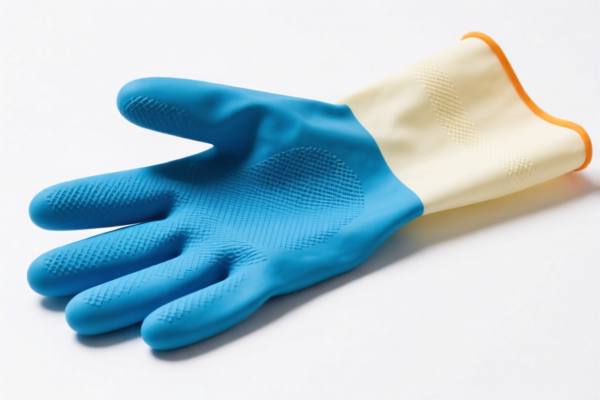
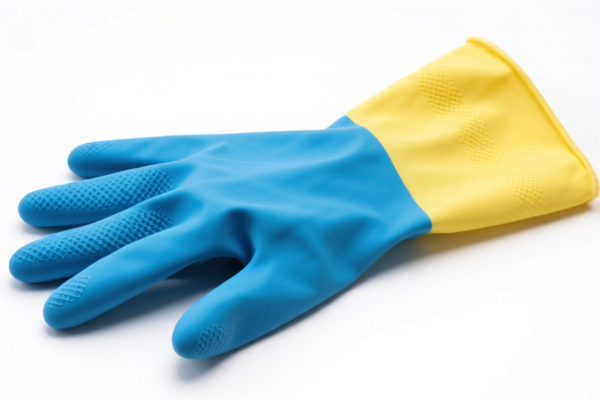
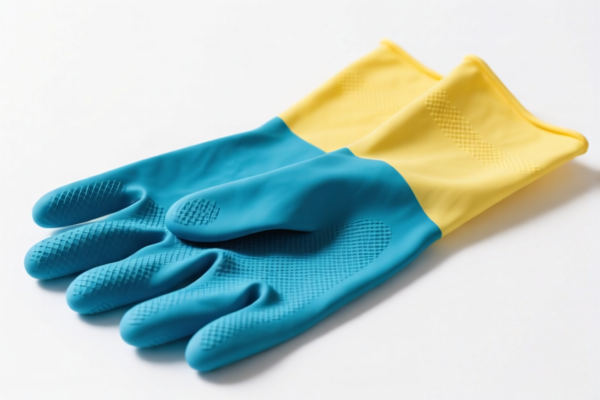
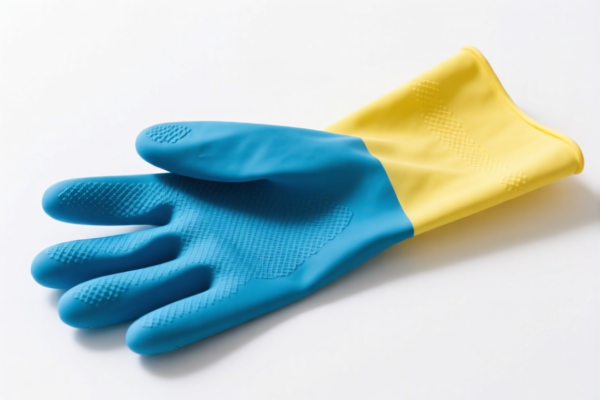
AI Analysis
🧤 Rubber Gloves (Non-Hard Rubber)
🌐 HS Code Reference & Customs Clearance Guide | 2026 Latest Tariff Analysis | Professional-Level Clearance Strategy
📌 Part I: Product Definition & Classification: Do You Really Understand "Non-Hard Rubber Gloves"?
Rubber gloves, in the context of international trade, primarily refer to protective equipment made from natural or synthetic rubber/elastomers that are flexible, not rigid. The key distinction lies in the term "non-hard rubber", which excludes vulcanized rubber sheets/plates used for industrial flooring, gaskets, or rigid insulation. Instead, it points to elastic, form-fitting gloves used for hygiene, medical, industrial, or household purposes.
In international trade, these are categorized based on: 1. Material Composition: Natural rubber latex, synthetic rubber (nitrile, neoprene, silicone, PVC). 2. Intended Use: Medical (surgical/examination), Industrial (chemical/mechanical protection), Household (cleaning), or Sports/Consumer. 3. Sterility: Sterile vs. Non-sterile.
⚠️ Key Distinction:
- Non-hard rubber = Flexible, elastic gloves (HS Chapters 39 or 40).
- Hard rubber = Vulcanized rubber sheets/plates for industrial use (HS Code 4016.93).
- Liners vs. Gloves: If the item is merely a "liner" or "glove-shaped" but not intended for hand protection, it may fall under different codes.
📦 Part II: HS Code Classification Details (2026 Latest Tariff Authoritative Comparison)
| HS Code | Product Description | Application Scenario | Key Characteristics |
|---|---|---|---|
4015.11.00.00 |
Surgical gloves, of vulcanized rubber (other than hard rubber) | Surgical rooms, sterile environments | Sterile, powder-free/oiled, latex/nitrile |
4015.19.00.00 |
Other surgical gloves, of vulcanized rubber | Medical facilities, non-latex surgical needs | Sterile, non-latex (nitrile/neoprene) |
4015.90.10.00 |
Gloves for medical, surgical, dental, or veterinary purposes (non-surgical) | Examination gloves, non-sterile medical use | Non-sterile, powder/powder-free, latex/nitrile |
4015.90.90.00 |
Other gloves of vulcanized rubber, not hard rubber | Industrial, household, chemical-resistant gloves | Non-medical, durable, chemical/mechanical protection |
3926.20.00.00 |
Articles of plastic, gloves & mittens | Disposable plastic gloves (PE/PVC), low-cost consumer use | Non-rubber, disposable, low-protection |
🔍 Critical Reminder:
- Medical gloves (Surgical & Examination) are strictly regulated. If marketed as "medical devices," they require FDA/CE certification before customs clearance.
- Industrial gloves (e.g., chemical-resistant nitrile) fall under4015.90.90.00, not4015.11/19.
- PVC/PE disposable gloves (cheap restaurant/household gloves) are plastic, not rubber → HS Code3926.20.00.00.
💰 Part III: 2026 Latest Tariff Rate Details (Including Surtaxes, Policy Add-ons)
✅ Applicable Country: United States (US)
✅ Country of Origin: China (CN)
✅ Effective Date: From November 10, 2025 (including subsequent imports)
🎯 1. 4015.11.00.00 & 4015.19.00.00 —— Surgical Gloves (Vulcanized Rubber)
| Item | Content |
|---|---|
| Base Tariff Rate | 0% (ad valorem) |
| USITC Surtax | +25% (from USITC Footnote 9903.88.01 – Section 301) |
| IEEPA Surtax | +10% (for China/HK origin, from Nov 10, 2025) |
| Total Tariff Rate | 45% |
| Tax Calculation | CIF Value × 45% |
| De Minimis Eligibility | ❌ Not Eligible (deny_de_minimis) |
| Legal Authority Path | IEEPA:9903.01.25 → IEEPA:9903.01.24 → USITC:4015.11.00.00 → FOOTNOTE:9903.88.01 |
📌 Explanation:
- Surgical gloves are highly sensitive due to healthcare supply chain dependencies. However, the 2025 policy adds IEEPA 10% on top of existing Section 301 25%, totaling 45%.
- Note: The U.S. has shown flexibility in medical supplies, but non-sterile or industrial rubber gloves may still face lower rates. Confirm with CBP ruling.
🎯 2. 4015.90.10.00 —— Medical Examination Gloves (Non-Surgical)
| Item | Content |
|---|---|
| Base Tariff Rate | 0% |
| USITC Surtax | +25% |
| IEEPA Surtax | +10% |
| Total Tariff Rate | 45% |
| Tax Calculation | CIF × 45% |
| De Minimis Eligibility | ❌ Not Eligible |
| Legal Authority Path | Same as above |
📌 Note:
- Even "examination gloves" are classified under medical gloves in many interpretations, attracting the same 45% total tariff.
- If marketed as "industrial" or "household", they may shift to4015.90.90.00.
🎯 3. 4015.90.90.00 —— Other Rubber Gloves (Industrial/Household)
| Item | Content |
|---|---|
| Base Tariff Rate | 3.5% |
| USITC Surtax | +25% |
| IEEPA Surtax | +10% |
| Total Tariff Rate | 38.5% |
| Tax Calculation | CIF × 38.5% |
| De Minimis Eligibility | ❌ Not Eligible |
| Legal Authority Path | IEEPA:9903.01.25 → USITC:4015.90.90.00 |
📌 Note:
- Industrial gloves (e.g., chemical-resistant, mechanic’s gloves) have a higher base rate but still face surcharges.
- Total 38.5% is still significant. Consider third-country manufacturing (Vietnam, Thailand, Malaysia) for IEEPA exemption.
🎯 4. 3926.20.00.00 —— Plastic Gloves (PVC/PE)
| Item | Content |
|---|---|
| Base Tariff Rate | 3.4% |
| USITC Surtax | +25% |
| IEEPA Surtax | +10% |
| Total Tariff Rate | 38.4% |
| Tax Calculation | CIF × 38.4% |
| De Minimis Eligibility | ❌ Not Eligible |
📌 Note:
- Often mistaken for rubber, but PVC/PE gloves are plastic.
- Same surcharge structure applies.
🛠️ Part IV: Customs Clearance Practical Advice (Avoid Pitfalls)
✅ 1. Required Documentation Checklist (No Omissions)
| Document | Required | Notes |
|---|---|---|
| ✅ Product Specification Sheet | ✔️ | Material (latex/nitrile), thickness, powder-free/oiled, sterile/non-sterile |
| ✅ Medical Device Certificate | ✔️ | If marketed as medical: FDA 510(k) or CE MDR certificate |
| ✅ Material Safety Data Sheet (MSDS) | ✔️ | For chemical-resistant industrial gloves |
| ✅ Third-Party Testing Report | ✔️ | ASTM D6319 (latex), ASTM D5250 (nitrile), ISO 13485 (quality) |
| ✅ Commercial Invoice | ✔️ | Clearly state "Rubber Gloves, Non-Hard Rubber, Medical/Industrial" |
| ✅ Certificate of Origin (CO) | ✔️ | If from Vietnam/Thailand, claim IEEPA exemption |
| ✅ Packing List | ✔️ | Show units per carton, gross weight, net weight |
✅ 2. Declaration Tips (Key Mantra)
🔥 "Material matters, Use defines Code, Medical needs Certificate, Industrial avoids Medical!"
| Scenario | Correct Declaration | Wrong Practice |
|---|---|---|
| Surgical Gloves (Sterile, Latex) | 4015.11.00.00 + FDA 510(k) |
Declare as "household gloves" → Penalty |
| Examination Gloves (Non-sterile, Nitrile) | 4015.90.10.00 |
Declare as "industrial" to avoid medical regs → Audit risk |
| Chemical-Resistant Gloves | 4015.90.90.00 |
Declare as "medical" → Higher scrutiny |
| PVC Disposable Gloves | 3926.20.00.00 |
Declare as "rubber" → Misclassification penalty |
✅ 3. Special Cases Handling
| Scenario | Handling Advice |
|---|---|
| OEM for US Hospital | Provide hospital order + FDA registration number. Request medical exemption if applicable (rare). |
| Mixed Shipment (Medical + Industrial) | Split declarations. Medical gloves under 4015.11/19/90.10, Industrial under 4015.90.90.00. |
| Gloves with Textile Liners | If the rubber is the essential character, classify as rubber gloves. If textile dominates, may fall under Chapter 61/62. |
| Sent to Vietnam for Final Assembly | If substantially transformed, Origin = Vietnam → IEEPA 10% exempt. |
🌍 Part V: Global Market Comparison (2026 Latest)
| Country/Region | Recommended HS Code | Tariff | Certification | Notes |
|---|---|---|---|---|
| 🇺🇸 USA | 4015.11/19/90.10/90.90 |
38.5%–45% | FDA/CE/FCC (if electronic) | High surcharges |
| 🇨🇳 China | 4015.19.00.00 |
7.5% | CCC (if medical) | No surtax |
| 🇪🇺 EU | 4015.19.00.00 |
0% | CE MDR + ISO 13485 | 0% if CE certified |
| 🇬🇧 UK | 4015.19.00.00 |
0% | UKCA + ISO 13485 | 0% post-Brexit for compliant goods |
| 🇦🇺 Australia | 4015.19.00.00 |
5% | TGA + ISO 13485 | Moderate rate |
| 🇯🇵 Japan | 4015.19.00.00 |
0% | PMDA + ISO 13485 | 0% |
📌 Conclusion:
- USA is the most expensive market due to Section 301 + IEEPA surtaxes.
- EU/UK/Japan offer 0% tariff if CE/UKCA/PMDA certified.
- China-origin goods to US face 38.5%–45%, making third-country sourcing highly attractive.
📌 Part VI: Common Errors & Pitfall Guide (Blood Lessons)
❌ Error 1: Declaring Medical Gloves as Industrial Gloves to avoid FDA scrutiny
👉 Consequence: Seizure, FDA Warning Letter, $10,000+ penalties
❌ Error 2: Declaring PVC Gloves as Rubber Gloves
👉 Consequence: HS Code misclassification → Audit, Back Taxes
❌ Error 3: Ignoring Sterile vs. Non-Sterile distinction
👉 Consequence: Medical device regulations trigger → Import delay or return
❌ Error 4: Not providing FDA 510(k) number for Medical Gloves to US
👉 Consequence: CBP holds shipment, FDA issues Refusal to Admit
✅ Correct Practice:
"Sterile Nitrile Surgical Gloves, Powder-Free, Latex-Free, FDA 510(k) Cleared, Class I Medical Device, Model XYZ, CE Certified"
🎯 Part VII: Conclusion: Professional Declaration, Save Time, Reduce Costs!
🎯 Remember the Mantra:
🔹 "Medical Needs Certificate, Industrial Avoids Medical, Origin Matters for Surtax, Plastic ≠ Rubber!"
🔹 "HS Code determines Destiny, Tariff Differs by 7.5 Points, Misdeclaration Costs Thousands!"
📌 Pro Tip:
If your gloves are manufactured in Vietnam, Thailand, Malaysia, or India, apply for Certificate of Origin to claim IEEPA 10% Exemption. Total tariff drops from 45% to 20% (for medical) or 38.5% to 28.5% (for industrial).
Recommend applying for Pre-Ruling (Customs Ruling) from CBP to confirm classification.
📣 Act Now:
📞 Contact a Licensed Customs Broker + Provide Product Specs + Apply for Pre-Ruling
🚀 Let Your Gloves Clear Smoothly, Export Efficiently, Profit Double!
✨ Professional Clearance Starts with Accurate Classification!
💼 Every Penny of Your Cost Deserves Precise Calculation!
Customer Reviews
About HS Code Classification
The Harmonized System (HS) is an internationally standardized nomenclature developed by the World Customs Organization (WCO) to classify traded products. Over 200 countries use the HS system as the basis for customs tariffs, trade statistics, and import/export regulations.
Each HS code follows a hierarchical structure:
- Chapter (2 digits) — Broad category of goods (e.g., Chapter 84: Machinery and Mechanical Appliances)
- Heading (4 digits) — More specific grouping within the chapter
- Subheading (6 digits) — Internationally standardized breakdown, used by all WCO member countries
- National subdivisions (8-10 digits) — Country-specific extensions for further classification, such as US HTSUS 10-digit codes
Correct HS code classification is essential for smooth customs clearance, accurate duty payment, and compliance with trade regulations. Misclassification can lead to customs delays, overpayment of duties, or penalties.
When importing from CN to US, the applicable tariff rates may include:
- Most-Favored-Nation (MFN) rate — The standard duty rate applied to WTO members
- General rate — Applied to countries without trade agreements
- Trade remedy duties — Additional tariffs such as Section 301 (anti-dumping), Section 232 (national security), or countervailing duties
The information provided on this page is for reference purposes only. For official classification, please consult with your local customs authority or a licensed customs broker.