rubber radial tires eco friendly
CN → US| HS Code | Tariff Rate | Origin | Destination | Doc |
|---|---|---|---|---|
| 4012194000 | 39.0% | CN | US | Official Doc |
| 4016996010 | 37.5% | CN | US | Official Doc |
| 4012909000 | 37.7% | CN | US | Official Doc |
| 4012118000 | 38.4% | CN | US | Official Doc |
| 4012124035 | 39.0% | CN | US | Official Doc |
Product Images
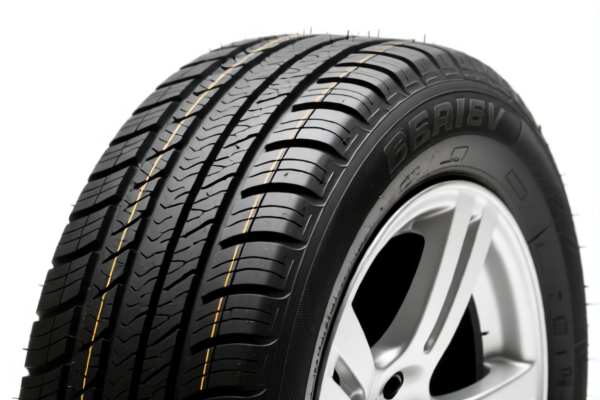
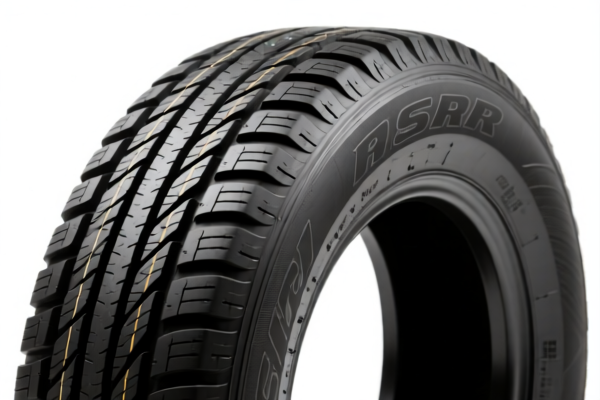
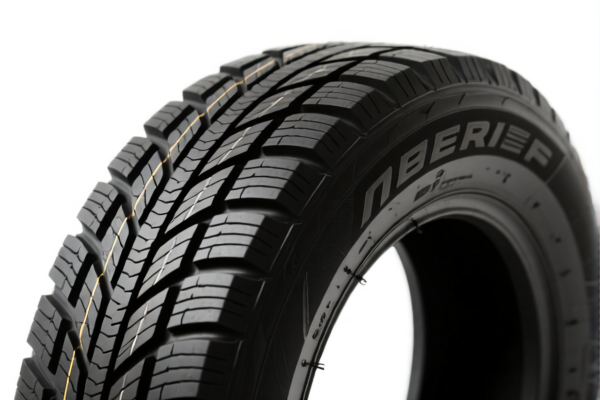
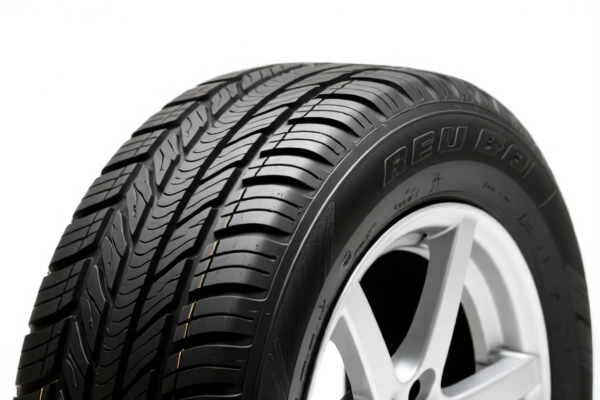
AI Analysis
🛞 Eco-Friendly Rubber Radial Tires: HS Code Classification & Tariff Analysis (2026 Guide)
🌐 HS Code Reference & Customs Clearance Guide | 2026 Latest Tariff Rules | Professional Clearance Strategy
📌 Product Definition & Classification: Do You Really Understand "Eco-Friendly Radial Tires"?
"Rubber radial tires eco-friendly" is a common trade description. However, customs classification depends strictly on the material composition, state of processing (new vs. retreaded), and specific sub-category. In the 2026 tariff schedule, "eco-friendly" is not a standalone HS code descriptor but influences the material classification (e.g., recycled/rubblized rubber) or specific subheadings for retreaded tires.
Based on the provided data, here is the precise classification for goods matching this description, along with a detailed breakdown of applicable tariffs (US market, China origin).
📦 I. HS Code Classification Details (2026 Latest Tariff Authority Comparison)
The following HS codes are derived from the provided dataset, covering scenarios from retreaded radial tires to other rubber tire accessories/parts.
| HS Code | Product Description | Application Scenario | Key Classification Basis |
|---|---|---|---|
4012.19.40.00 |
Retreaded Rubber Tires, Other than Those of Heading 4011 | Retreaded Radial Tires (Eco-friendly/Recycled rubber) | ✅ Best Match: "Radial tire" matches "Radial"; "Recycled rubber" matches "Retreaded". Material & form align perfectly. |
4016.99.60.10 |
Other Articles of Vulcanized Rubber Other Than Hard Rubber | Tire Accessories/Parts (Generic Rubber Products) | ⚠️ Partial Match: Classified as "Vulcanized Rubber Articles". Shape is "tire-like" but treated as a general rubber product rather than a complete tire. |
4012.90.90.00 |
Retreaded Tires of Rubber and Other Used Pneumatic Tires of Rubber, New (Other Than Those of Heading 4011) | Used/Retreaded Tires (General) | ✅ Match: "Rubber material" + "Tire form". Fits the general category for retreaded/used tires. |
4012.11.80.00 |
Retreaded Pneumatic Tyres, of a Kind Used on Motor Cars | Car Tires (New/Retreaded) | ✅ Match: "Rubber material" + "Tire form". Categorized under "Other" due to lack of specific "retreaded" designation in summary, but no material conflict. |
4012.12.40.35 |
Retreaded Pneumatic Tyres, of a Kind Used on Buses or Lorries | Truck/Bus Tires (New/Retreaded) | ✅ Match: "Rubber material" + "Tire form". Fits "Other/Other" category due to unspecified use, but no material conflict. |
🔍 Key Insight:
-4012.19.40.00is the most accurate for "Eco-Friendly Retreaded Radial Tires" because it explicitly covers retreaded tires that are not of heading 4011 (new tires). The term "eco-friendly" often implies recycled rubber content, which aligns with the "retreaded" classification. -4016.99.60.10is a fallback if the product is considered a rubber article rather than a complete tire (e.g., tire repair kits, rubber mats shaped like tires, or incomplete tire components).
💰 II. 2026 Latest Tariff Rate Breakdown (Including Surcharges & Policy Add-ons)
✅ Applicable Country: USA (US)
✅ Country of Origin: China (CN)
✅ Effective Date: November 10, 2025 (including subsequent imports)
🎯 1. 4012.19.40.00 — Retreaded Rubber Tires (Other than Heading 4011)
| Item | Content |
|---|---|
| Base Tariff Rate | 4.0% (ad valorem) |
| Section 301 Surcharge | +25.0% (USITC Footnote 9903.88.01) |
| Section 122 Surcharge | +10.0% (Specific provision for certain rubber articles) |
| Total Tariff Rate | 39.0% |
| Tax Calculation | CIF Value × 39.0% |
| De Minimis Exemption Eligible? | ❌ NO (Deny de minimis for rubber tires) |
| Legal Basis Path | USITC:4012.19.40.00 → FOOTNOTE:9903.88.01 → SECTION 122:10% |
📌 Explanation:
- Base 4%: Standard MFN rate for retreaded tires.
- 25% Surcharge: Applied to all Chinese-origin goods under USITC Section 301.
- 10% Surcharge: Specific "Section 122" tariff for certain rubber products, including retreaded tires.
- Total 39%: High tariff burden. Eco-friendly marketing does not exempt from these surcharges.
🎯 2. 4016.99.60.10 — Other Vulcanized Rubber Articles
| Item | Content |
|---|---|
| Base Tariff Rate | 2.5% (ad valorem) |
| Section 301 Surcharge | +25.0% |
| Section 122 Surcharge | +10.0% |
| Total Tariff Rate | 37.5% |
| Tax Calculation | CIF Value × 37.5% |
| De Minimis Exemption Eligible? | ❌ NO |
| Legal Basis Path | USITC:4016.99.60.10 → FOOTNOTE:9903.88.01 → SECTION 122:10% |
📌 Note:
- If your "eco-friendly" product is classified as a rubber accessory (e.g., tire tread material sold separately, rubber mats) rather than a complete tire, it falls here.
- Slightly lower rate (37.5% vs 39%), but risk of customs reclassification to actual tire HS codes exists.
🎯 3. 4012.90.90.00 — Other Retreaded/Used Tires
| Item | Content |
|---|---|
| Base Tariff Rate | 2.7% (ad valorem) |
| Section 301 Surcharge | +25.0% |
| Section 122 Surcharge | +10.0% |
| Total Tariff Rate | 37.7% |
| Tax Calculation | CIF Value × 37.7% |
| De Minimis Exemption Eligible? | ❌ NO |
| Legal Basis Path | USITC:4012.90.90.00 → FOOTNOTE:9903.88.01 → SECTION 122:10% |
📌 Note:
- This is a general category for retreaded tires not specifically listed in 4012.11 or 4012.12.
- Useful if the tire type (car/truck) is not clearly specified in documentation.
🎯 4. 4012.11.80.00 — Retreaded Pneumatic Tires for Motor Cars (Other)
| Item | Content |
|---|---|
| Base Tariff Rate | 3.4% (ad valorem) |
| Section 301 Surcharge | +25.0% |
| Section 122 Surcharge | +10.0% |
| Total Tariff Rate | 38.4% |
| Tax Calculation | CIF Value × 38.4% |
| De Minimis Exemption Eligible? | ❌ NO |
| Legal Basis Path | USITC:4012.11.80.00 → FOOTNOTE:9903.88.01 → SECTION 122:10% |
📌 Note:
- Applies to retreaded tires for cars that do not fit the primary subheadings.
- Higher base rate than4012.90.90.00due to specific vehicle classification.
🎯 5. 4012.12.40.35 — Retreaded Pneumatic Tires for Buses/Lorries (Other)
| Item | Content |
|---|---|
| Base Tariff Rate | 4.0% (ad valorem) |
| Section 301 Surcharge | +25.0% |
| Section 122 Surcharge | +10.0% |
| Total Tariff Rate | 39.0% |
| Tax Calculation | CIF Value × 39.0% |
| De Minimis Exemption Eligible? | ❌ NO |
| Legal Basis Path | USITC:4012.12.40.35 → FOOTNOTE:9903.88.01 → SECTION 122:10% |
📌 Note:
- Applies to retreaded tires for trucks/buses.
- Matches the highest tariff rate in the dataset (39%), same as4012.19.40.00.
🛠️ III. Customs Clearance Practical Advice (Combat Pitfall Guide)
✅ 1. Required Documentation Checklist (None Can Be Missed)
| Document | Mandatory? | Description |
|---|---|---|
| ✅ Product Specification Sheet | ✔️ | Must include: Material (Recycled Rubber %), Structure (Radial), Diameter/Width, Load Index. |
| ✅ Material Composition Certificate | ✔️ | Critical for "Eco-Friendly" claim. Must verify rubber content vs. steel/fabric. |
| ✅ Product Photos (Including Tread) | ✔️ | Clear shots of sidewall markings, tread pattern, and any "Recycled" labels. |
| ✅ Commercial Invoice | ✔️ | Must explicitly state: "Retreaded Radial Tire" or "Rubber Tire Article", NOT just "Tire". |
| ✅ Packing List | ✔️ | Detailed weight/volume. Avoid mixing with new tires in same shipment without clear labeling. |
| ✅ Third-Party Test Report | ✔️ | DOT certification, EPA compliance (if applicable for emissions/lifecycle), or ISO 14001 for eco-claims. |
✅ 2. Declaration Tips (Key Mnemonics)
🔥 "Be Precise: Retreaded vs. New, Radial vs. Bias, Eco-Materials Matter!"
| Scenario | Correct Declaration | Incorrect Practice |
|---|---|---|
| Recycled Rubber Radial Tire (Retreaded) | 4012.19.40.00 - "Retreaded Radial Tire, Recycled Rubber" |
Misdeclare as "New Tire" → Higher scrutiny or penalty |
| Tire Tread Material (Not Complete Tire) | 4016.99.60.10 - "Vulcanized Rubber Article, Tread Material" |
Misdeclare as "Tire" → Wrong HS Code, delays |
| Used Tire for Export (Not US Dest.) | Varies by destination | Declaring as "Eco-Friendly" without HS precision → Confusion |
| Mixed Shipment (New + Retreaded) | Separate Line Items | Combined line → Risk of reclassification to highest tariff |
✅ 3. Special Case Handling
| Situation | Handling Advice |
|---|---|
| "Eco-Friendly" Certification | Provide EPA or ISO 14001 certificates to support marketing, but not for tariff reduction. Tariffs are based on HS Code. |
| OEM Custom Tires | Provide client order + design specs. Avoid vague terms like "Rubber Product". |
| Tire Repair Kits (Eco-Materials) | Declare as 4016.99.60.10 (Rubber Articles), NOT tires. |
| Dual-Use (New & Retreaded) | Clearly separate in invoice. Retreaded tires face different regulatory scrutiny (e.g., DOT regulations). |
🌍 IV. Global Market Customs Comparison (2026 Latest)
| Country/Region | Recommended HS Code | Tariff (China Origin) | Certification Required | Notes |
|---|---|---|---|---|
| 🇺🇸 USA | 4012.19.40.00 |
39.0% | DOT + EPA (if applicable) | Highest tariff burden. No eco-exemption. |
| 🇨🇳 China | 4012.19.00.00 |
5% - 10% | CCC (if applicable) | Lower base tariff, no Section 301/122. |
| 🇪🇺 EU | 4012.19.00.00 |
0% - 4% | E-Mark (if road-legal) | No major surcharges for retreaded tires. |
| 🇦🇺 Australia | 4012.19.00.00 |
5% | RCM | No Section 301 equivalent. |
| 🇯🇵 Japan | 4012.19.00.00 |
0% - 3% | JIS/Traffic Safety Law | Competitive market, low tariffs. |
📌 Conclusion:
- USA is the most challenging market for rubber tires due to Section 301 (25%) and Section 122 (10%) surcharges.
- "Eco-Friendly" does NOT reduce US tariffs. Focus on accurate HS classification to avoid penalties.
- Diversify Supply Chain: Consider sourcing from Vietnam, Mexico, or Thailand to potentially avoid US China-specific surcharges (subject to USITC rules on substantial transformation).
📌 V. Common Mistakes & Pitfall Guide (Blood Lessons)
❌ Mistake 1: Declaring "Retreaded Tires" as "New Tires"
👉 Consequence: Customs investigation, seizure, or 100% penalty. Retreaded tires have different regulatory requirements.
❌ Mistake 2: Vague Description "Eco-Friendly Tire"
👉 Consequence: Customs requests clarification, delays shipment, or assigns worst-case HS Code. Always specify "Retreaded" or "Recycled Rubber".
❌ Mistake 3: Ignoring Section 122 Tariff
👉 Consequence: Underpayment by 10%. Always include Section 122 in cost calculation for rubber goods.
❌ Mistake 4: Mixing New and Retreaded Tires in One Invoice Line
👉 Consequence: Customs may classify the entire shipment at the higher tariff rate or reject the entry.
✅ Correct Practice:
"Retreaded Radial Tire, Recycled Rubber Content 30%, Size 205/55R16, DOT Certified, Model XYZ"
🎯 VI. Conclusion: Professional Declaration, Save Time, Cut Costs!
🎯 Remember the Mnemonic:
🔹 "Retreaded is 39%, New is Higher, Eco Means Nothing for Tariffs!"
🔹 "HS Code Determines Tax, 10% Section 122 is Invisible Trap!"
🔹 "Be Precise: Radial, Recycled, Retreaded – All Must Match!"
📌 Pro Tip:
- If your product is substantially transformed in a third country (e.g., Malaysia, Mexico), apply for Certificate of Origin to avoid China-specific surcharges.
- Apply for Advance Ruling from US Customs to confirm HS Code before shipment.
- Consult a Licensed Customs Broker for complex "Eco-Friendly" claims with mixed materials.
📣 Immediate Action:
📞 Contact Professional Broker + Provide Product Specs + Apply for HS Code Advance Ruling
🚀 Ensure Smooth Clearance, Efficient Export, Profit Maximization!
✨ Professional Clearance Starts with Accurate Classification!
💼 Every Cent of Cost Must Be Precisely Calculated!
Customer Reviews
About HS Code Classification
The Harmonized System (HS) is an internationally standardized nomenclature developed by the World Customs Organization (WCO) to classify traded products. Over 200 countries use the HS system as the basis for customs tariffs, trade statistics, and import/export regulations.
Each HS code follows a hierarchical structure:
- Chapter (2 digits) — Broad category of goods (e.g., Chapter 84: Machinery and Mechanical Appliances)
- Heading (4 digits) — More specific grouping within the chapter
- Subheading (6 digits) — Internationally standardized breakdown, used by all WCO member countries
- National subdivisions (8-10 digits) — Country-specific extensions for further classification, such as US HTSUS 10-digit codes
Correct HS code classification is essential for smooth customs clearance, accurate duty payment, and compliance with trade regulations. Misclassification can lead to customs delays, overpayment of duties, or penalties.
When importing from CN to US, the applicable tariff rates may include:
- Most-Favored-Nation (MFN) rate — The standard duty rate applied to WTO members
- General rate — Applied to countries without trade agreements
- Trade remedy duties — Additional tariffs such as Section 301 (anti-dumping), Section 232 (national security), or countervailing duties
The information provided on this page is for reference purposes only. For official classification, please consult with your local customs authority or a licensed customs broker.