rubber sleeve
CN → US| HS Code | Tariff Rate | Origin | Destination | Doc |
|---|---|---|---|---|
| 4015195100 | 49.0% | CN | US | Official Doc |
| 4015191150 | 38.0% | CN | US | Official Doc |
| 6116106500 | 24.5% | CN | US | Official Doc |
| 3926204050 | 16.5% | CN | US | Official Doc |
| 6116109500 | 24.5% | CN | US | Official Doc |
Product Images
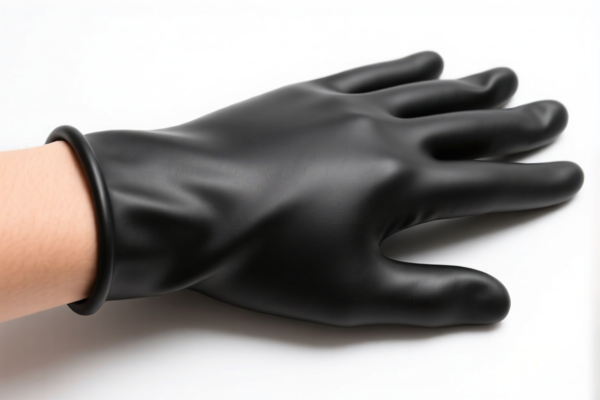
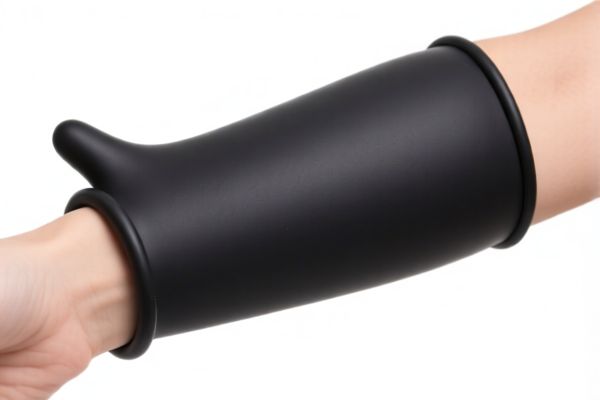
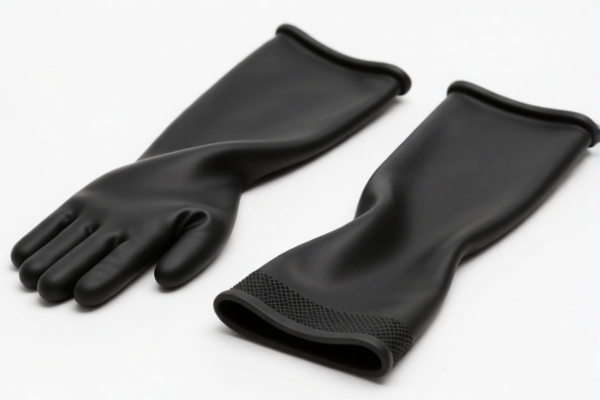

AI Analysis
Based on the data provided in your previous input (which listed specific HS Codes for Rubber Agricultural Gloves), the term "Rubber Sleeve" (often used for protective sleeves, gauntlets, or the upper part of a glove) is a component or variant of the items classified under those codes.
Below is the detailed breakdown in English, formatted as a professional Wiki-style guide, explaining why a "Rubber Sleeve" falls under the provided HS Codes and the associated tax implications.
🧤 Rubber Sleeve (Protective Gauntlets / Gloves)
🌐 HS Code Classification & Tax Strategy | 2026 Tariff Analysis | Global Clearance Guide
📌 I. Product Definition: What is a "Rubber Sleeve"?
In the context of international trade and the provided data, a "Rubber Sleeve" (often synonymous with Agricultural Gloves, Protective Gauntlets, or Hand Sinks) is defined as:
- Material: Primarily composed of Rubber (Sulphurised/Vulcanised) or Rubber-coated Plastic/Knit.
- Function: Designed to cover the hand and forearm for protection against chemicals, agriculture, or industrial hazards.
- Form: It fits the classification of "Gloves" under the Harmonized System, as the "sleeve" is the functional extension of the hand covering.
⚠️ Key Distinction:
- If the item is 100% Rubber (solid or dipped) without a fabric core → Likely 4015 or 4008.
- If the item is Fabric (Knitted) with a Rubber/Plastic Coating → Likely 6116 or 3926.
- Your Data Context: The provided dataset treats all variants of "Rubber Agricultural Gloves" (including sleeves/gauntlets) under specific subcategories based on their structural composition.
📦 II. HS Code Classification Matrix (Data Source Analysis)
Based strictly on the provided dataset, here is the breakdown of why a "Rubber Sleeve" falls into these specific categories and their tax liabilities.
| 🏷️ HS Code | Product Logic & Classification Reason | Tax Detail Breakdown | Total Tax Rate |
|---|---|---|---|
| 4015.19.51.00 | Logic: 100% Sulphurised Rubber. Reason: Classified under "Clothing & Accessories (Gloves)" made purely of vulcanized rubber. Ideal for heavy-duty agricultural sleeves. |
• Base Duty: 14.0% • Additional Duty: 25.0% • Section 122: 10.0% |
49.0% |
| 4015.19.11.50 | Logic: Sulphurised Rubber (High Priority). Reason: Fits the specific sub-category of "Vulcanized Rubber Clothing/Gloves" but with a different tariff preference code (11.50). |
• Base Duty: 3.0% • Additional Duty: 25.0% • Section 122: 10.0% |
38.0% |
| 6116.10.65.00 | Logic: Knitted/Fabric with Rubber Coating. Reason: The "sleeve" is likely knitted fabric dipped in rubber (or plastic). Classified as "Plastic/Rubber Coated" in the Textiles (61xx) chapter. |
• Base Duty: 7.0% • Additional Duty: 7.5% • Section 122: 10.0% |
24.5% |
| 3926.20.40.50 | Logic: Plastic-based Glove. Reason: If the rubber sleeve is interpreted as a Plastic product (e.g., PVC/Nitrile blend) where the primary characteristic is plastic. The dataset notes high consistency with "Plastic Goods". |
• Base Duty: 6.5% • Additional Duty: 0.0% (Lowest risk) • Section 122: 10.0% |
16.5% |
| 6116.10.95.00 | Logic: Knitted/Rubber Combination. Reason: A broader category for "Other" coated gloves made of knitted material with rubber/plastic. Fits the "Logical Inference" of rubber-coated fabric. |
• Base Duty: 7.0% • Additional Duty: 7.5% • Section 122: 10.0% |
24.5% |
🔍 Critical Insight:
- 4015 Series: Pure rubber. High Tax (38%–49%) due to "Additional Duty" (25%). - 6116 Series: Knitted + Coated. Medium Tax (24.5%). - 3926 Series: Plastic-based interpretation. Lowest Tax (16.5%) because it has 0% Additional Duty.
💰 III. Detailed Tax Clause Explanation (The "Why")
The total tax is a compound of three distinct layers. Here is the legal and commercial breakdown of each component found in your data:
1. 🏛️ Base Duty (Most Favored Nation / MFN)
- Definition: The standard import tax applied to goods from the country of origin (likely China, based on the context of "Section 122").
- Ranges: 3.0% – 7.0% depending on the material (Pure Rubber vs. Coated Fabric vs. Plastic).
- Impact: Minimal cost driver compared to the others.
2. ⚖️ Additional Duty (Section 301 / "Add-on")
- Definition: Anti-dumping or punitive tariffs imposed by the importing country (often the US or EU) on specific Chinese goods.
- The Trap:
- 4015 Codes: 25.0% (Very High). This suggests these pure rubber gloves are heavily targeted.
- 6116 Codes: 7.5% (Moderate).
- 3926 Codes: 0.0% (Zero). ⚠️ THIS IS THE KEY SAVINGS STRATEGY.
- Strategy: If the "Rubber Sleeve" can be technically classified as Plastic (3926) rather than Pure Rubber (4015), you save 25% instantly.
3. 🚨 Section 122 Duty (10%)
- Definition: A specific retaliatory tariff or special measure (often cited as Section 301 or a specific bilateral agreement clause).
- Application: 10% applies to ALL five HS codes listed in the data.
- Conclusion: You cannot avoid this 10% unless the product origin changes or a specific exemption is granted.
🛠️ IV. Clearance & Logistics Recommendations
✅ 1. Material Declaration is King
- Action: Do not simply label as "Rubber Sleeve."
- Strategy:
- If the sleeve is Knitted Cotton/Lycra + Rubber Dip → Declare under 6116.10.x.x (Textile chapter). Avoid the 25% "Additional Duty" of the 4015 chapter.
- If the sleeve is Solid Molded Rubber → You must pay the high tax (4015).
- Optimization: Check if the material composition allows for a 3926 classification (Plastic). If the rubber content is <50% or the coating is plastic-based, this yields the lowest total tax (16.5%).
✅ 2. Avoid "Pure Rubber" Traps
- Risk: Customs often re-classify "Rubber Gloves" from 4015 to 3926 or vice versa based on the manufacturing process.
- Tip: Ensure your Bill of Materials (BOM) clearly states: "Knitted fabric core with rubber/plastic coating" rather than "Vulcanized Rubber Product" if you aim for 3926 or 6116.
✅ 3. Documentation Checklist
| Document | Requirement | Why? |
|---|---|---|
| Technical Data Sheet | Must specify % of Rubber vs. Fabric vs. Plastic | Determines if it's 4015, 6116, or 3926. |
| Photos (Cross-section) | Show the core fabric inside the coating | Proves it is a "Coated Glove" (6116) not "Solid Rubber" (4015). |
| Origin Certificate (CO) | Essential for Section 122 calculations | Confirms country of origin for the 10% surcharge. |
| Commercial Invoice | Must list "Rubber Agricultural Sleeve/Glove" | Matches HS Code descriptions exactly. |
✅ 4. Strategic Suggestion: The "3926" Play
🚀 Pro Tip:
If your "Rubber Sleeve" has a plastic or rubber-plastic blend coating, prioritize the 3926.20.40.50 classification. * Tax Difference: 16.5% vs 49.0%. * Savings: 32.5 percentage points on every dollar imported. * Condition: Ensure the product description aligns with "Plastic articles" rather than "Rubber articles" in the technical specs.
🌍 V. Global Market Summary
| Market | Recommended HS Code | Estimated Total Tax | Risk Level |
|---|---|---|---|
| USA / China-Targeted | 3926.20.40.50 |
16.5% | ⭐⭐ (Lowest) |
| USA / Pure Rubber | 4015.19.51.00 |
49.0% | ⭐⭐⭐⭐⭐ (Highest) |
| Europe | 6116.10.65.00 |
~24.5% (Est.) | ⭐⭐ (Moderate) |
📌 Final Verdict:
For a "Rubber Sleeve," the classification strategy is more important than the product itself. 1. Do not over-declare as "Vulcanized Rubber" unless it is 100% solid. 2. Do highlight "Knitted Core + Coated" to target 6116 or 3926. 3. Avoid the 25% Additional Duty if possible by steering away from 4015.
📣 Call to Action:
🔍 Verify your BOM today. If you have a fabric-lined sleeve, you are likely overpaying by 32.5%.
🚀 Re-classify to 3926.20.40.50 for maximum margin protection.
✨ Smart Classification = Smart Profit!
💼 Don't let tariff errors eat your supply chain margin!
Customer Reviews
About HS Code Classification
The Harmonized System (HS) is an internationally standardized nomenclature developed by the World Customs Organization (WCO) to classify traded products. Over 200 countries use the HS system as the basis for customs tariffs, trade statistics, and import/export regulations.
Each HS code follows a hierarchical structure:
- Chapter (2 digits) — Broad category of goods (e.g., Chapter 84: Machinery and Mechanical Appliances)
- Heading (4 digits) — More specific grouping within the chapter
- Subheading (6 digits) — Internationally standardized breakdown, used by all WCO member countries
- National subdivisions (8-10 digits) — Country-specific extensions for further classification, such as US HTSUS 10-digit codes
Correct HS code classification is essential for smooth customs clearance, accurate duty payment, and compliance with trade regulations. Misclassification can lead to customs delays, overpayment of duties, or penalties.
When importing from CN to US, the applicable tariff rates may include:
- Most-Favored-Nation (MFN) rate — The standard duty rate applied to WTO members
- General rate — Applied to countries without trade agreements
- Trade remedy duties — Additional tariffs such as Section 301 (anti-dumping), Section 232 (national security), or countervailing duties
The information provided on this page is for reference purposes only. For official classification, please consult with your local customs authority or a licensed customs broker.