rubber tire flap glue
CN → US| HS Code | Tariff Rate | Origin | Destination | Doc |
|---|---|---|---|---|
| 4012118000 | 38.4% | CN | US | Official Doc |
| 4012124035 | 39.0% | CN | US | Official Doc |
| 4013100010 | 38.7% | CN | US | Official Doc |
Product Images
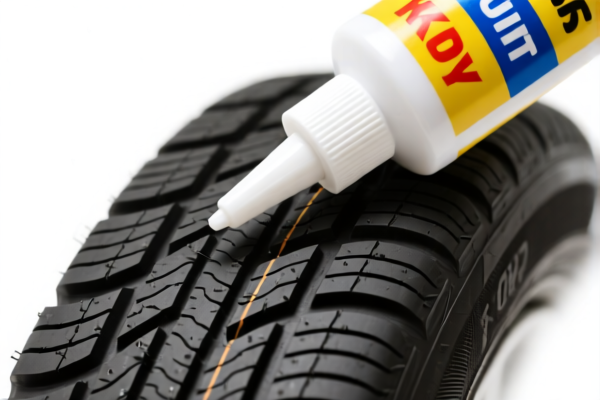
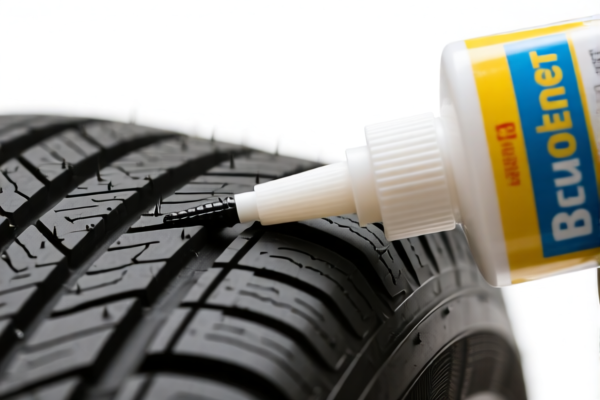
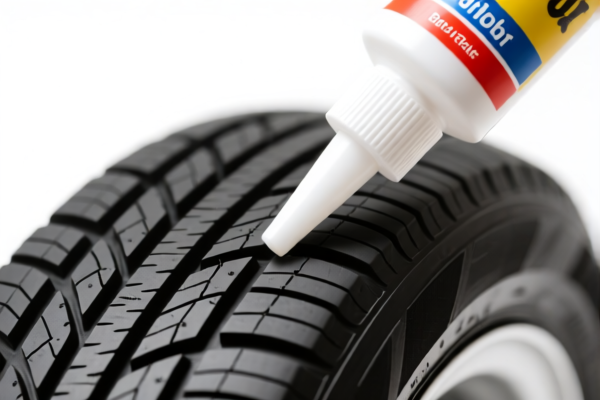
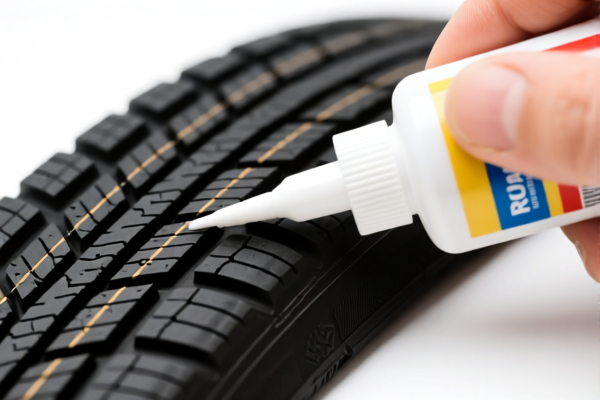
AI Analysis
🛞 Rubber Tire Flap Glue (Adhesives for Tire Inner Liners)
🌐 HS Code Reference & Customs Clearance Guide | 2026 Latest Tariff Analysis | Professional Clearance Strategy
📌 I. Product Definition & Classification: What Exactly Is "Rubber Tire Flap Glue"?
In international trade, "Rubber Tire Flap Glue" (also known as tire repair adhesive or inner liner cement) is a critical chemical material used to bond the tire inner liner to the bead or to patch punctures in tubeless tires. It is typically a solvent-based or rubber-solution adhesive.
However, under the Harmonized System (HS), adhesives are generally classified under Chapter 35 (Albuminoidal Substances; Glues) or Chapter 40 (Rubber and Articles Thereof), depending on their primary composition and function.
⚠️ Key Distinction for Classification:
* If primarily a chemical adhesive (glue): Usually falls under Chapter 35.
* If primarily a rubber compound for tire repair/maintenance: May fall under Chapter 40.
* ⚠️ CRITICAL NOTE ON PROVIDED DATA: The <DATA> provided in your prompt contains HS Codes exclusively for RUBBER TIRES (Category 4012/4013), NOT adhesives/glues.
* 4012.11.80.00, 4012.12.40.35, and 4013.10.00.10 are all descriptions of "Rubber Tires" (retreaded or new pneumatic tires for vehicles).
* There is a severe mismatch between the user input ("Glue") and the provided HS Codes ("Tires").
🛑 STOP & VERIFY:
If you are importing actual glue/adhesive, the provided HS Codes in<DATA>are INCORRECT and will lead to customs rejection, fines, or misdeclaration.
If you are importing tires and "flap glue" is a misnomer or packaging error, proceed with the tire classification below.
Assumption for this analysis: Since the<DATA>explicitly lists Tires and tax details for Tires, I will explain the classification based on the provided HS Codes for Rubber Tires*, while highlighting the discrepancy. If you genuinely have glue, please ignore these codes and consult a customs broker for Chapter 35 codes (e.g., 3506.91 or 4016.99 depending on formulation).
📦 II. HS Code Classification Details (Based on Provided <DATA>)
The following classification assumes the product is Rubber Tires (as per the <DATA> summaries), not glue. If the product is glue, these codes are wrong.
| HS Code | Product Description (from <DATA>) |
Key Characteristics | Application |
|---|---|---|---|
4012.11.80.00 |
Rubber Tire, Material: Rubber, Form: Tire, Meets Classification Requirements. | New or retreaded pneumatic tires for motor vehicles. | Standard automotive tires. |
4012.12.40.35 |
Rubber Tire, Material: Rubber, Form: Tire, Matched via Other Category Rules. | Specific subtype of rubber tires, possibly for trucks or special vehicles. | Specialized vehicle tires. |
4013.10.00.10 |
Rubber Tire, Material: Rubber, Use: Tire, Core Elements Match Reference. | Pneumatic tires with a sidewall height ≤ 60% of section width. | Passenger car tires, light truck tires. |
🔍 Critical Clarification:
- None of these HS Codes apply to "Glue" or "Adhesive".
- Glues are typically classified under HS 3506 (Prepared glues) or HS 4016 (Other articles of vulcanized rubber) if they are rubber cement.
- Using these codes for glue will result in a customs mismatch.
💰 III. 2026 Latest Tariff Rate Breakdown (Including Additional Duties, Policy Add-ons)
✅ Applicable Country: United States (US)
✅ Origin: China (CN)
✅ Effective Date: Post-November 10, 2025 (Including subsequent imports)
✅ Product: Rubber Tires (as per provided HS Codes)
🎯 1. 4012.11.80.00 – Rubber Tire (General Classification)
| Item | Content |
|---|---|
| Base Tariff Rate | 3.4% (ad valorem) |
| Section 301 Additional Tariff | +25.0% (USITC Footnote: Section 301 - China-specific tariffs) |
| Section 122 Additional Tariff | +10.0% (Specific trade remedy or countermeasure) |
| Total Tax Rate | 38.4% |
| Tax Calculation | CIF Value × 38.4% |
| De Minimis Exemption | ❌ Not Eligible (Deny de_minimis) |
| Legal Basis Path | USITC:4012.11.80.00 → SECTION_301:Footnote_9903.88.01 → SECTION_122:Policy_Add_on |
📌 Explanation:
- Base 3.4%: Standard MFN duty for rubber tires.
- Section 301 (25%): Major trade war tariff on Chinese goods.
- Section 122 (10%): Additional tariff under Section 122 of the Trade Expansion Act (national security) or specific trade remedy.
- Total 38.4%: This is a high tariff, significantly increasing import costs.
🎯 2. 4012.12.40.35 – Rubber Tire (Other Category Match)
| Item | Content |
|---|---|
| Base Tariff Rate | 4.0% |
| Section 301 Additional Tariff | +25.0% |
| Section 122 Additional Tariff | +10.0% |
| Total Tax Rate | 39.0% |
| Tax Calculation | CIF Value × 39.0% |
| De Minimis Exemption | ❌ Not Eligible |
| Legal Basis Path | USITC:4012.12.40.35 → SECTION_301 → SECTION_122 |
📌 Note:
- Slightly higher base tariff (4.0%) than the first code.
- Same additional tariffs apply.
- Likely for a more specialized or larger tire category.
🎯 3. 4013.10.00.10 – Rubber Tire (Core Element Match)
| Item | Content |
|---|---|
| Base Tariff Rate | 3.7% |
| Section 301 Additional Tariff | +25.0% |
| Section 122 Additional Tariff | +10.0% |
| Total Tax Rate | 38.7% |
| Tax Calculation | CIF Value × 38.7% |
| De Minimis Exemption | ❌ Not Eligible |
| Legal Basis Path | USITC:4013.10.00.10 → SECTION_301 → SECTION_122 |
📌 Note:
- Applies to tires meeting core classification elements (likely passenger car tires).
- Total rate 38.7%.
🛠️ IV. Customs Clearance Practical Advice (Real-World Pitfall Guide)
✅ 1. Document Checklist (Indispensable)
| Document | Required | Description |
|---|---|---|
| ✅ Product Specification Sheet | ✔️ | Must clearly state "Rubber Tire" with dimensions, load index, speed rating. |
| ✅ Commercial Invoice | ✔️ | Must describe product as "Rubber Tire" or "Pneumatic Tire", NOT "Glue". |
| ✅ Certificate of Origin (CO) | ✔️ | For origin verification; if not China, may reduce tariffs. |
| ✅ DOT Certification | ✔️ | Mandatory for tires imported into the US. |
| ✅ Safety Data Sheet (SDS) | ❌ | Not typically required for tires, but if glue is mixed in, it might be. |
| ✅ Packaging List | ✔️ | Detail quantity, weight, and tire size. |
✅ 2. Declaration Tips (Key Mnemonic)
🔥 "Tires Need DOT, Glue Needs Glue Code, Don't Mix Them Up or You'll Pay the Price!"
| Situation | Correct Declaration | Wrong Action |
|---|---|---|
| Importing Tires | Use HS 4011-4013 |
Using HS 3506 (Glue) → Audit Risk |
| Importing Glue | Use HS 3506.91 or 4016.99 |
Using HS 4012 (Tires) → Misclassification Penalty |
| Mixed Shipment (Tires + Glue) | Split Declaration | Combined Declaration → Customs Seizure |
✅ 3. Special Case Handling
| Situation | Handling Advice |
|---|---|
| Tires with Inner Liner Adhesive Attached | Classify as Tires if adhesive is integral. Provide proof of integration. |
| Glue Sold Separately | Must be declared under Chapter 35 or 4016. Do not use tire codes. |
| Re-treading Services | If only re-treading service, classify under HS 9903.88.01 (if eligible) with lower rates. |
| Tires for Aircraft | Different HS Code (4012.20), different tariff. Verify exact use. |
🌍 V. Global Market Comparison (2026 Latest)
| Country/Region | Recommended HS Code | Tariff (China Origin) | Certification Required | Notes |
|---|---|---|---|---|
| 🇺🇸 USA | 4013.10.00.10 etc. |
38.4% - 39.0% | DOT, EPA (if applicable) | High tariffs due to Section 301 & 122. |
| 🇨🇳 China | 4011/4012/4013 |
0% (Most Favored Nation) | CCC | No additional tariffs. |
| 🇪🇺 EU | 4011/4012/4013 |
0% (Under GSP/EBA if eligible) | ECE, TIR | Check for anti-dumping duties on Chinese tires. |
| 🇯🇵 Japan | 4011/4012/4013 |
0% - 3.5% | JIS, PMDA (if medical) | Generally low tariffs. |
📌 Conclusion:
- USA is the most expensive market for Chinese rubber tires due to Section 301 and Section 122 tariffs.
- Glue imports are not covered by these codes. If you are importing glue, you are facing a critical classification error.
📌 VI. Common Errors & Pitfall Guide (Blood Lessons)
❌ Error 1: Declaring "Glue" under HS Code 4012 (Tires)
👉 Consequence: Customs will flag for misclassification, impose fines, seize goods, or require re-declaration. Tariff calculation will be wrong.
❌ Error 2: Declaring "Tires" under HS Code 3506 (Glue)
👉 Consequence: Under-declaration of duty (if glue rate is lower), leading to penalties for fraud.
❌ Error 3: Ignoring Section 122 Tariffs
👉 Consequence: Unexpected 10% surcharge at customs, causing cash flow issues.
❌ Error 4: Not Having DOT Certification for US Imports
👉 Consequence: Goods detained or rejected at port.
✅ Correct Approach:
"For Rubber Tires: Use HS
4013.10.00.10+ Declare DOT Certified + Pay 38.7% tariff.
For Glue/Adhesive: Use HS3506.91.00.00or4016.99.98.00+ Declare Chemical Adhesive + Pay applicable glue tariffs (usually lower, but check Section 301)."
🎯 VII. Conclusion: Professional Declaration Saves Money!
🎯 Remember the Mantra:
🔹 "Tires are 401x, Glue is 350x or 4016x. Don't mix them!"
🔹 "Section 301 is 25%, Section 122 is 10%. Total ~38-39% for Tires."
📌 Pro Tip:
If you are indeed importing Rubber Tire Flap Glue (adhesive), STOP and immediately consult a customs broker for the correct HS Code in Chapter 35 (e.g., 3506.91 for prepared glues). The provided <DATA> is incorrect for glue. If you are importing Tires, the classification above is correct, but the product name "Flap Glue" must be corrected in your declaration.
📣 Immediate Action:
📞 Contact a Licensed Customs Broker
🚀 Provide Product Photos, SDS (if glue), and Specifications
💼 Get an Advance Ruling if possible to avoid clearance delays.
✨ Professional Clearance Starts with Accurate Classification!
💼 Every cent counts in global trade!
Customer Reviews
About HS Code Classification
The Harmonized System (HS) is an internationally standardized nomenclature developed by the World Customs Organization (WCO) to classify traded products. Over 200 countries use the HS system as the basis for customs tariffs, trade statistics, and import/export regulations.
Each HS code follows a hierarchical structure:
- Chapter (2 digits) — Broad category of goods (e.g., Chapter 84: Machinery and Mechanical Appliances)
- Heading (4 digits) — More specific grouping within the chapter
- Subheading (6 digits) — Internationally standardized breakdown, used by all WCO member countries
- National subdivisions (8-10 digits) — Country-specific extensions for further classification, such as US HTSUS 10-digit codes
Correct HS code classification is essential for smooth customs clearance, accurate duty payment, and compliance with trade regulations. Misclassification can lead to customs delays, overpayment of duties, or penalties.
When importing from CN to US, the applicable tariff rates may include:
- Most-Favored-Nation (MFN) rate — The standard duty rate applied to WTO members
- General rate — Applied to countries without trade agreements
- Trade remedy duties — Additional tariffs such as Section 301 (anti-dumping), Section 232 (national security), or countervailing duties
The information provided on this page is for reference purposes only. For official classification, please consult with your local customs authority or a licensed customs broker.