rubber workwear
CN → US| HS Code | Tariff Rate | Origin | Destination | Doc |
|---|---|---|---|---|
| 6210203000 | 13.8% | CN | US | Official Doc |
| 4015900010 | 39.0% | CN | US | Official Doc |
| 4015900050 | 39.0% | CN | US | Official Doc |
| 6210207000 | 13.3% | CN | US | Official Doc |
Product Images
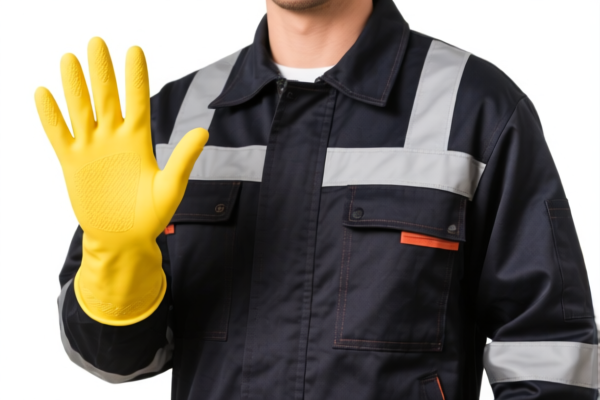
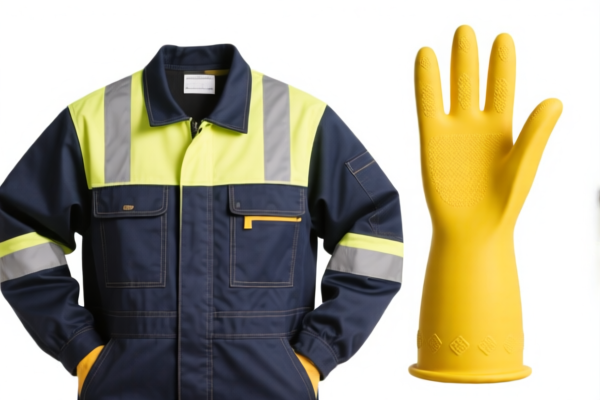

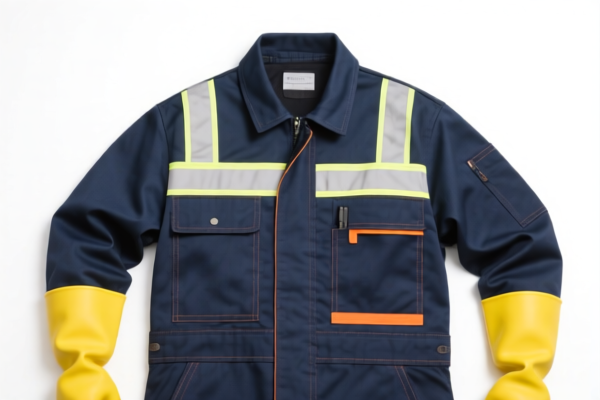
AI Analysis
🧥 Rubber Workwear (Protective Clothing)
🌐 HS Code Reference & Customs Clearance Guide | 2026 Latest Tariff Analysis | Professional Compliance Strategy
📌 I. Product Definition & Classification: What Exactly is "Rubber Workwear"?
Rubber workwear refers to protective garments designed to shield the wearer from chemical spills, water, oil, and other hazardous substances. In international trade, the classification depends heavily on the material composition and manufacturing process.
It is generally divided into two main categories based on the primary material and construction:
1. Textile Base with Rubber Coating/Lamination (HS Chapter 62):
Garments made primarily of textile fabrics (man-made fibers) where the outer surface is impregnated, coated, covered, or laminated with rubber. These are considered "textile articles" with rubber treatment.
2. Pure Rubber/Sulfurized Rubber Apparel (HS Chapter 40):
Garments made predominantly of solid rubber or sulfurized rubber, often molded or vulcanized, rather than just coated textiles. These fall under "articles of vulcanized rubber other than hard rubber."
⚠️ Key Distinction Point:
- If the base is textile/fabric with a rubber layer → Look at Chapter 62 (6210).
- If the base is solid rubber/rubber sheet → Look at Chapter 40 (4015).
📦 II. HS Code Classification Details (2026 Latest Tariff Authority Comparison)
| HS Code | Product Description | Applicable Scenario | Base Material Characteristics |
|---|---|---|---|
6210.20.30.00 |
Rubber-coated protective clothing (Type A) | Textile base, coated with artificial fiber/rubber mix; common industrial overalls | ✅ Textile + Artificial Fiber/Rubber Coating |
4015.90.00.10 |
Pure Rubber Protective Clothing (Type B) | Solid rubber suits, molded rubber gear, distinct from textile-backed types | ✅ Pure Rubber / Vulcanized Rubber |
4015.90.00.50 |
Other Sulfurized Rubber Apparel & Accessories (Type C) | Sulfurized rubber garments and accessories; high chemical resistance | ✅ Sulfurized Rubber / Vulcanized |
6210.20.70.00 |
Rubber-coated protective clothing (Type D) | Textile base, outer surface impregnated/coated/covered/laminated with rubber | ✅ Textile + Rubber Coating/Lamination |
🔍 Critical Reminder:
- Do not mix up Chapter 62 and Chapter 40.
- If the garment can be identified as a textile article coated with rubber, it belongs to 6210.20.
- If the garment is made of solid rubber material (like a diving suit or pure chemical suit), it belongs to 4015.90.
- Misclassification can lead to significant duty differences due to the Section 301 (25%) and 122 Provisions applicability.
💰 III. 2026 Latest Tariff Rate Breakdown (Including Surtaxes & Policy Add-ons)
✅ Applicable Country: United States (US)
✅ Country of Origin: China (CN)
✅ Effective Time: Current rates including ongoing trade measures
🎯 1. 6210.20.30.00 & 6210.20.70.00 —— Textile-Based Rubber Workwear
These codes fall under Section 301 Exemptions/Partial Exemptions but are subject to specific surtaxes.
| Item | Content |
|---|---|
| Base Duty Rate | 3.8% (30.20.30.00) / 3.3% (6210.20.70.00) |
| Section 301 Surtax | 0.0% (Currently exempted for these specific subheadings under certain conditions, but verify latest exclusion lists) |
| Section 122 Surtax | +10% (Under 19 U.S.C. § 1677j or similar provisions for non-market economy goods) |
| Total Tariff Rate | 13.8% (for .30) / 13.3% (for .70) |
| Tax Calculation | CIF Value × 13.8% / 13.3% |
| De Minimis Eligibility | ❌ Not Eligible (Section 122 generally applies to all imports; ensure compliance with de minimis thresholds if applicable, but high-risk goods are often scrutinized) |
| Legal Basis Path | USITC:6210.20 → Section 122: 10% → Base Duty: 3.8%/3.3% |
📌 Explanation:
- The Base Duty is relatively low (3-4%) because these are considered textile products.
- The Section 122 Tariff of 10% is applied to most Chinese imports under current enforcement guidelines.
- Section 301 (25%) does not apply to these specific textile-based rubber coats, making them significantly cheaper than pure rubber goods.
🎯 2. 4015.90.00.10 & 4015.90.00.50 —— Pure/Sulfurized Rubber Workwear
These codes fall under Chapter 40, which is heavily impacted by trade wars and specific surtaxes.
| Item | Content |
|---|---|
| Base Duty Rate | 4.0% |
| Section 301 Surtax | +25.0% (Standard 301 tariff for Chinese rubber articles) |
| Section 122 Surtax | +10.0% |
| Total Tariff Rate | 39.0% |
| Tax Calculation | CIF Value × 39.0% |
| De Minimis Eligibility | ❌ Not Eligible |
| Legal Basis Path | USITC:4015.90 → Section 301: 25% → Section 122: 10% → Base Duty: 4.0% |
📌 Explanation:
- Base Duty is 4%.
- Section 301 imposes a hefty 25% tariff on rubber articles from China.
- Section 122 adds another 10%.
- Total: 39%. This is a very high duty rate. Importers must carefully justify the HS code to avoid overpaying if the product qualifies for Chapter 62.
🛠️ IV. Customs Clearance Practical Advice (Real-World Pitfall Avoidance)
✅ 1. Documentation Checklist (Non-negotiable)
| Document | Required | Notes |
|---|---|---|
| ✅ Product Specification Sheet | ✔️ | Must detail material composition (e.g., "Polyester base with PVC/Rubber coating") |
| ✅ Material Composition Statement | ✔️ | Critical for distinguishing between Ch. 62 (Textile) and Ch. 40 (Rubber) |
| ✅ Product Photos (Clear) | ✔️ | Show texture: Is it a fabric weave with rubber backing, or solid rubber? |
| ✅ Commercial Invoice | ✔️ | Clearly state "Protective Clothing" and material composition |
| ✅ Packing List | ✔️ | Ensure no mix of materials that could confuse the customs broker |
| ✅ Certification (if any) | ✔️ | OSHA compliance, NIOSH, or EN ISO standards for protective clothing |
✅ 2. Declaration Strategy (Key Mnemonic)
🔥 “Fabric Base = Ch 62 (Low Tax); Solid Rubber = Ch 40 (High Tax). Define Clearly!”
| Scenario | Correct Declaration | Common Mistake |
|---|---|---|
| Raincoat/Overalls with Fabric + Rubber Layer | 6210.20.30.00 or 6210.20.70.00 |
Declaring as 4015 → 39% Duty |
| Pure Rubber Diving Suit/Chemical Suit | 4015.90.00.10 or 4015.90.00.50 |
Declaring as 6210 → Audit Risk/Penalty |
| Mixed Material (e.g., Rubber Gloves + Fabric Cuffs) | Analyze Essential Character | Misclassifying based on accessory |
✅ 3. Special Circumstances Handling
| Scenario | Handling Advice |
|---|---|
| OEM/Contract Manufacturing | Provide end-user specs to prove material nature. If it's a textile with rubber coating, insist on Ch 62. |
| Importing from Non-China Origins | If sourced from Vietnam/Malaysia, verify if Section 301 (25%) is still applicable (usually no). This could drop the rate to ~4-5%. |
| Partially Rubber-Coated Textiles | If the rubber coating is the essential character, Customs may still lean towards Ch 40. Provide lab tests. |
🌍 V. Global Market Comparison (2026 Latest)
| Country/Region | Recommended HS Code | Estimated Duty (China Origin) | Notes |
|---|---|---|---|
| 🇺🇸 USA | 6210.20.70.00 |
13.3% | Best option if textile-based. Avoid 4015 (39%) if possible. |
| 🇺🇸 USA | 4015.90.00.10 |
39.0% | High cost for pure rubber suits. |
| 🇨🇳 China | 6210.20.00 |
10-14% | Varies by specific subheading; generally lower than US. |
| 🇪🇺 EU | 6210.20 |
10% | Standard duty; no Section 301 equivalent. |
| 🇬🇧 UK | 6210.20 |
10% | Post-Brexit tariff alignment with EU. |
📌 Conclusion:
- USA is the most expensive market due to Section 122 and Section 301.
- Strategic Move: If your product is a textile garment with rubber coating, strictly declare under 6210.20 to save ~25% in duties compared to 4015.90.
- Supplier Verification: Ask suppliers for the material breakdown. If >50% is textile fabric, argue for Ch 62.
📌 VI. Common Errors & Pitfalls (Blood Lessons)
❌ Error 1: Declaring Textile-Based Rubber Overalls as 4015.90
👉 Consequence: Paying 39% duty instead of 13.3%. Loss of ~25% in profit margin!
❌ Error 2: Declaring Pure Rubber Suits as 6210
👉 Consequence: Customs audit, seizure, or forced reclassification + back duties + penalties.
❌ Error 3: Ignoring Section 122
👉 Consequence: Even if Section 301 is exempted, the 10% Section 122 still applies. Budget for this.
❌ Error 4: Vague Description "Rubber Suit"
👉 Consequence: Customs assigns the highest possible rate (4015) by default.
✅ Correct Practice:
"Protective Overalls, Outer Surface Laminated with Synthetic Rubber, Textile Base (Polyester/Cotton Blend), Model XYZ, for Industrial Chemical Use"
🎯 VII. Conclusion: Precise Classification Saves Thousands!
🎯 Remember This Rule:
🔹 "Textile Base + Rubber Coat = 13% Duty"
🔹 "Solid Rubber Suit = 39% Duty"
🔹 "Check the Material! Don't Pay 26% Extra for Nothing!"
📌 Pro Tip:
If you have a high volume of rubber workwear, consider:
1. Advance Ruling (Ruling Request) from US CBP to get official classification.
2. Supply Chain Diversification: Source from Vietnam or Thailand to potentially avoid Section 301 (25%) and Section 122 (10%) if applicable, reducing the rate to ~4%.
📣 Take Action Now:
📞 Contact Your Customs Broker with detailed material specs.
📄 Request a Material Composition Certificate from your supplier.
🚀 Classify Correctly Today to Save 26% Tomorrow!
✨ Professional Classification, Smarter Shipping!
💼 Every Percentage Point Counts in Your Bottom Line!
Customer Reviews
About HS Code Classification
The Harmonized System (HS) is an internationally standardized nomenclature developed by the World Customs Organization (WCO) to classify traded products. Over 200 countries use the HS system as the basis for customs tariffs, trade statistics, and import/export regulations.
Each HS code follows a hierarchical structure:
- Chapter (2 digits) — Broad category of goods (e.g., Chapter 84: Machinery and Mechanical Appliances)
- Heading (4 digits) — More specific grouping within the chapter
- Subheading (6 digits) — Internationally standardized breakdown, used by all WCO member countries
- National subdivisions (8-10 digits) — Country-specific extensions for further classification, such as US HTSUS 10-digit codes
Correct HS code classification is essential for smooth customs clearance, accurate duty payment, and compliance with trade regulations. Misclassification can lead to customs delays, overpayment of duties, or penalties.
When importing from CN to US, the applicable tariff rates may include:
- Most-Favored-Nation (MFN) rate — The standard duty rate applied to WTO members
- General rate — Applied to countries without trade agreements
- Trade remedy duties — Additional tariffs such as Section 301 (anti-dumping), Section 232 (national security), or countervailing duties
The information provided on this page is for reference purposes only. For official classification, please consult with your local customs authority or a licensed customs broker.