running cap
CN → US| HS Code | Tariff Rate | Origin | Destination | Doc |
|---|---|---|---|---|
| 6504009045 | 41.8% | CN | US | Official Doc |
| 6504009015 | 41.8% | CN | US | Official Doc |
| 6505008050 | 0.0% | CN | US | Official Doc |
Product Images


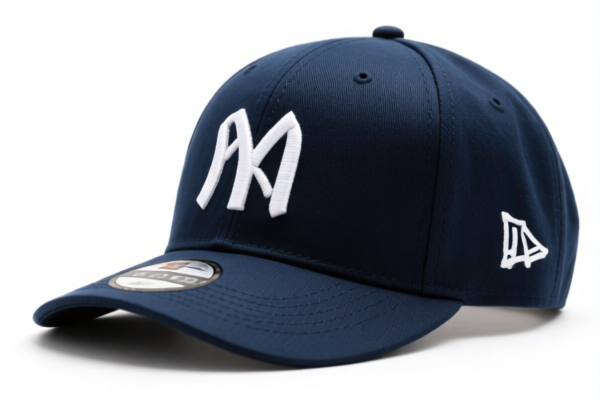
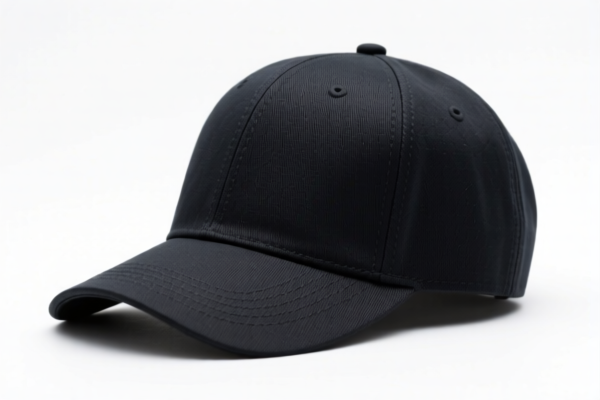
AI Analysis
🧢 Running Cap (Athletic Headwear for Sports)
🌐 HS Code Reference & Customs Clearance Guide | 2026 Latest Tariff Analysis | Professional Strategy
📌 I. Product Definition & Classification: What is a "Running Cap"?
A running cap is a specialized headwear designed for athletic activities, particularly running. It typically features breathable materials (polyester, nylon, or cotton blends), moisture-wicking properties, and often includes a visor to shield the eyes from sunlight. It falls under the category of "Headgear" or "Hair accessories" in international trade.
⚠️ Key Distinction Point:
- If the item is clearly fashion-oriented or used as a general hair accessory (not specifically for sport), it may fall under 6504.00.
- If it is knitted/crocheted or made from specific fiber types not covered elsewhere, it may fall under 6505.00.
- The classification depends heavily on material composition and manufacturing method (knitted vs. woven/sewn).
📦 II. HS Code Classification Details (2026 Latest Tariff Authority Match)
Based on the provided , here are the three applicable HS Codes for "Running Caps," with their respective tax implications.
| HS Code | Product Description | Material/Type | Tax Rate Summary |
|---|---|---|---|
| 6504.00.90.45 | Hats of all kinds, other materials | Polyester or Cotton (Non-knitted) | 41.8% |
| 6504.00.90.15 | Headgear, other materials | Artificial or Other Fibers (Sewn) | 41.8% |
| 6505.00.80.50 | Knitted/Crocheted Hats | Artificial or Synthetic Fibers | 18.7¢/kg + 41.8% |
🔍 Critical Note:
- 6504 generally covers hats not knitted or crocheted (e.g., woven straw, felt, or sewn fabric caps).
- 6505 covers hats knitted or crocheted.
- Many running caps are sewn from woven fabric (Polyester/Nylon), thus falling under 6504. If the cap is knitted (like a beanie or certain athletic headbands), it falls under 6505.
💰 III. 2026 Latest Tariff Rate Breakdown (Including Additional Taxes)
✅ Applicable Country: United States (US)
✅ Origin: China (CN)
✅ Effective Date: From 2025/2026 imports (based on provided tax details)
🎯 1. HS Code: 6504.00.90.45
Product: Hats of other materials (e.g., Polyester/Cotton woven caps)
| Item | Detail |
|---|---|
| Base Duty | 6.8% |
| Section 301 Additional Duty | 25.0% |
| Section 122 Duty (China-specific) | 10.0% |
| Total Effective Rate | 41.8% (Ad Valorem) |
| De Minimis Exemption | ❌ Not Eligible (Due to high additional duties) |
| Legal Basis | Section 301 + Section 122 (China-specific trade measures) |
📌 Explanation:
- The 6.8% is the standard MFN (Most Favored Nation) duty for non-knitted hats.
- The 25% is under Section 301 (Trade Remedy Actions against China).
- The 10% is under Section 122 (often related to national security or specific trade remedies, as noted in the data).
- Total: 41.8% is a significant cost burden.
🎯 2. HS Code: 6504.00.90.15
Product: Other headgear (Artificial/Other Fibers, Sewn)
| Item | Detail |
|---|---|
| Base Duty | 6.8% |
| Section 301 Additional Duty | 25.0% |
| Section 122 Duty | 10.0% |
| Total Effective Rate | 41.8% (Ad Valorem) |
| De Minimis Exemption | ❌ Not Eligible |
| Legal Basis | Section 301 + Section 122 |
📌 Note:
- This code is for headgear made from artificial fibers (e.g., polyester, nylon) that are sewn (not knitted).
- Most standard running caps (e.g., Nike Dri-FIT, Under Armour) fall here if they are sewn from synthetic fabric.
- Tax rate is identical to 6504.00.90.45.
🎯 3. HS Code: 6505.00.80.50
Product: Knitted/Crocheted Hats (Artificial/Synthetic Fibers)
| Item | Detail |
|---|---|
| Specific Duty | 18.7¢ per kg |
| Base Duty | 6.8% (Ad Valorem) |
| Section 301 Additional Duty | 25.0% |
| Section 122 Duty | 10.0% |
| Total Effective Rate | 18.7¢/kg + 41.8% (Ad Valorem) |
| De Minimis Exemption | ❌ Not Eligible |
| Legal Basis | Section 301 + Section 122 |
📌 Note:
- If the running cap is knitted (e.g., a knit beanie or certain mesh panels are knitted), it falls here.
- Note: This code applies if it does not conflict with other categories (e.g., sun hats might have different rules, but standard running caps are often classified here if knitted).
- The 18.7¢/kg is a specific duty added to the ad valorem rate.
🛠️ IV. Customs Clearance Practical Advice (Avoiding Pitfalls)
✅ 1. Documentation Checklist (Mandatory)
| Document | Required | Reason |
|---|---|---|
| Product Specification Sheet | ✔️ | Must specify material composition (e.g., 100% Polyester, 50/50 Cotton/Poly). |
| Manufacturing Process Description | ✔️ | Clarify if Knitted (6505) or Sewn/Woven (6504). This is the critical differentiator. |
| Product Photos | ✔️ | Show the cap, label, and fabric texture. |
| Commercial Invoice | ✔️ | Must clearly state "Running Cap" or "Athletic Hat." |
| Packing List | ✔️ | Include net weight (for 6505 specific duty calculation). |
| Origin Certificate | ✔️ | Confirm China origin to apply correct Section 301/122 duties. |
✅ 2. Declaration Strategy (Key Tips)
🔥 "Material & Method Dictate HS: Knitted = 6505, Sewn = 6504"
| Scenario | Correct HS Code | Declaration Tip |
|---|---|---|
| Standard Synthetic Running Cap (e.g., Polyester, sewn) | 6504.00.90.15 | Declare as "Woven Polyester Running Cap." |
| Cotton/Poly Blend Cap (Sewn) | 6504.00.90.45 | Declare as "Mixed Fiber Hat." |
| Knitted Athletic Headband/Cap | 6505.00.80.50 | Declare as "Knitted Synthetic Hat." |
| Sun Hat with Wide Brim | Check 6504/6506 | May conflict with "running cap" classification; ensure it’s not a "Sun Hat" under different rules. |
⚠️ Warning:
- Misclassifying a Sewn Cap as Knitted (or vice versa) can lead to duty discrepancies and customs delays.
- The 18.7¢/kg specific duty for 6505 is small, but the ad valorem rate remains high.
✅ 3. Special Cases & Mitigation
| Situation | Action |
|---|---|
| High-Value Luxury Brand Cap | Still subject to 41.8% duties; no exemption for brand value. |
| Sample Shipments | If under $800, De Minimis may not apply due to Section 301/122 exclusions. Check current CBP rulings. |
| Origin Diversification | If shipped from Vietnam or Mexico, Section 301/122 may not apply → Lower Duty. Consider supply chain adjustment. |
| Material Change | Switch to Cotton (if applicable) to see if it changes the subheading, but Section 301/122 usually applies to all Chinese headwear. |
🌍 V. Global Market Comparison (2026)
| Market | HS Code | Duty Rate (China Origin) | Notes |
|---|---|---|---|
| 🇺🇸 USA | 6504/6505 | 41.8% + Specific (if 6505) | High Section 301/122 duties. |
| 🇨🇳 China (Export) | 6504/6505 | 0% Export Duty | Standard export policy. |
| 🇪🇺 EU | 6504/6505 | 6% - 8% | No Section 301/122 equivalent. |
| 🇬🇧 UK | 6504/6505 | 6% - 8% | Post-Brexit standard duties. |
| 🇨🇦 Canada | 6504/6505 | 6% - 8% | MFN rates apply. |
📌 Conclusion:
- USA is the most expensive market for Chinese-made running caps due to Section 301/122.
- EU, UK, and Canada have significantly lower duties (6-8%).
- Consider diversifying production to non-China origins if shipping to the US.
📌 VI. Common Mistakes & Pitfalls (Lessons Learned)
❌ Mistake 1: Assuming all "Hats" have the same tax rate.
👉 Result: Misclassification → Penalties & Delays.
❌ Mistake 2: Ignoring Section 122 (10% additional duty).
👉 Result: Underpaying duties → Back taxes + Interest.
❌ Mistake 3: Claiming De Minimis for small shipments of Chinese caps.
👉 Result: CBP often rejects De Minimis for items subject to Section 301/122.
✅ Correct Approach:
"Running Cap, 100% Polyester, Sewn Construction, Model XYZ, Origin: China"
🎯 VII. Conclusion: Strategic Clearance for Running Caps
🎯 Key Takeaway:
🔹 Material & Construction Determine HS: Sewn = 6504, Knitted = 6505.
🔹 All Chinese-Origin Headwear Faces ~41.8% Duty in the US.
🔹 Plan for High Clearance Costs or Diversify Supply Chain.
📌 Pro Tip:
If your volume is high, consider Applying for an Advance Ruling with CBP to confirm the correct HS Code and avoid disputes.
Evaluate Supply Chain Shifts to Vietnam/Mexico for US-bound goods to eliminate Section 301/122 duties.
📣 Action Required:
📞 Consult a Customs Broker to verify material composition and construction.
📄 Prepare Detailed Specs to support your HS Code classification.
🚀 Optimize Costs by understanding the 41.8% duty burden upfront.
✨ Precision in Classification, Savings in Clearance!
💼 Your Profit Margin Depends on Accurate Tariff Management.
Customer Reviews
About HS Code Classification
The Harmonized System (HS) is an internationally standardized nomenclature developed by the World Customs Organization (WCO) to classify traded products. Over 200 countries use the HS system as the basis for customs tariffs, trade statistics, and import/export regulations.
Each HS code follows a hierarchical structure:
- Chapter (2 digits) — Broad category of goods (e.g., Chapter 84: Machinery and Mechanical Appliances)
- Heading (4 digits) — More specific grouping within the chapter
- Subheading (6 digits) — Internationally standardized breakdown, used by all WCO member countries
- National subdivisions (8-10 digits) — Country-specific extensions for further classification, such as US HTSUS 10-digit codes
Correct HS code classification is essential for smooth customs clearance, accurate duty payment, and compliance with trade regulations. Misclassification can lead to customs delays, overpayment of duties, or penalties.
When importing from CN to US, the applicable tariff rates may include:
- Most-Favored-Nation (MFN) rate — The standard duty rate applied to WTO members
- General rate — Applied to countries without trade agreements
- Trade remedy duties — Additional tariffs such as Section 301 (anti-dumping), Section 232 (national security), or countervailing duties
The information provided on this page is for reference purposes only. For official classification, please consult with your local customs authority or a licensed customs broker.