running headband
CN → US| HS Code | Tariff Rate | Origin | Destination | Doc |
|---|---|---|---|---|
| 6117808500 | 32.1% | CN | US | Official Doc |
| 6117803010 | 12.3% | CN | US | Official Doc |
| 6217108500 | 24.6% | CN | US | Official Doc |
| 6217109510 | 32.1% | CN | US | Official Doc |
| 9506910030 | 22.1% | CN | US | Official Doc |
| 9506996080 | 21.5% | CN | US | Official Doc |
Product Images
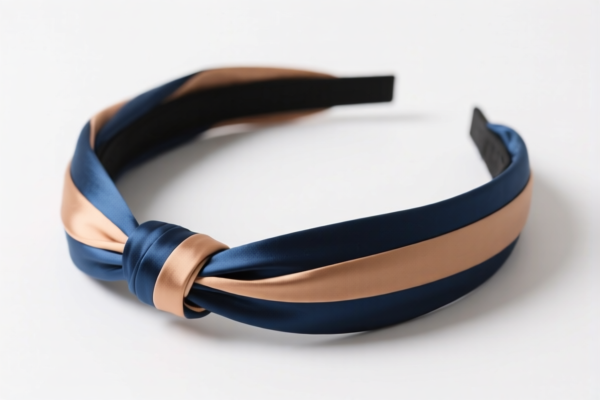
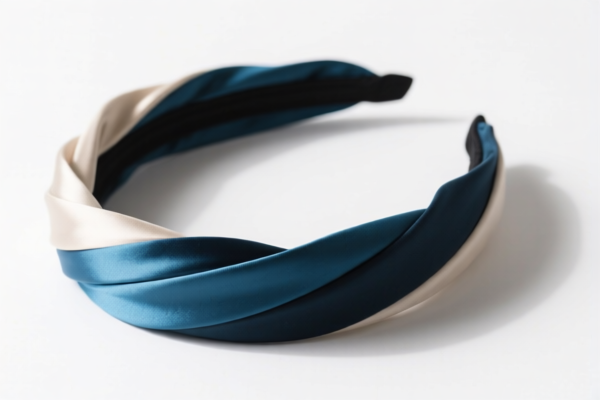

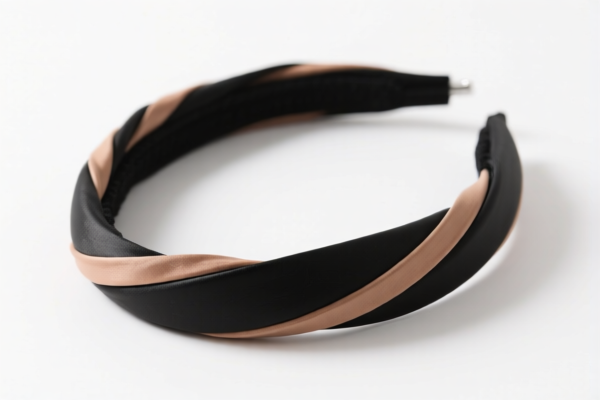
AI Analysis
🏃♂️ Running Headband (Sports Headband)
🌐 HS Code Reference & Customs Clearance Guide | 2026 Latest Tariff Analysis | Professional Entry Strategy
📌 I. Product Definition and Classification: Do You Really Understand "Running Headband"?
The running headband is a critical accessory for runners and outdoor athletes, designed to absorb sweat, keep hair in place, and provide warmth. In international trade, its classification is not straightforward. It sits at the intersection of textile apparel accessories and sports equipment. The correct HS Code depends heavily on the material composition (knitted vs. woven) and the specific nature of the accessory.
⚠️ Key Distinction:
- Is it a knitted item (elastic, jersey-like)? → Likely Chapter 61.
- Is it a woven item (non-stretch, structured fabric)? → Likely Chapter 62.
- Is it purely an accessory to clothing? → Likely Chapter 61/62 Heading 80.
- Is it considered general sports gear? → Likely Chapter 95.
📦 II. HS Code Classification Details (2026 Latest Tariff Authoritative Comparison)
Below are the 6 most relevant HS Codes based on the product's characteristics. Note that tax rates vary significantly based on the specific sub-category and origin.
| HS Code | Product Description | Application Scenario | Key Differentiator |
|---|---|---|---|
6117.80.85.00 |
Other made up clothing accessories, knitted or crocheted | Knitted sports headbands (common athletic sweatbands) | ✅ Knitted fabric; high tax burden |
6117.80.30.10 |
Other made up clothing accessories, containing ≥5% silk | Silk-blend or silk-containing headbands | ✅ Silk Content; lower base tax |
6217.10.85.00 |
Other made up clothing accessories, not knitted | Woven headbands or hair accessories | ✅ Woven fabric; moderate tax |
6217.10.95.10 |
Other made up clothing accessories, of cotton | Cotton woven headbands (fallback category) | ✅ Cotton; high tax burden |
9506.91.00.30 |
Articles and equipment for general physical exercise | Generic sports headband (elastic/fiber) | ✅ Sporting Use; moderate tax |
9506.99.60.80 |
Other equipment for general physical exercise | Outdoor sports accessories | ✅ Outdoor/Sports; lowest base tax |
🔍 Important Note:
- Chapter 61 (Knitted) vs Chapter 62 (Woven): If the headband is stretchy and made of jersey knit, it falls under 61. If it is a woven fabric strip, it falls under 62.
- Chapter 95 (Sports Goods): Often used as a "catch-all" for sporting accessories, but customs may prefer 61/62 if it is clearly a clothing accessory. 9506 can offer lower base duties but carries specific "Section 122" surcharges.
💰 III. 2026 Latest Tariff Rate Breakdown (Including Surtaxes & Policy Add-ons)
✅ Applicable Country: United States (US)
✅ Origin: China (CN)
✅ Effective Date: 2025/2026 (Current Trade Environment)
🎯 1. 6117.80.85.00 — Knitted Clothing Accessories
| Item | Content |
|---|---|
| Base Tariff | 14.6% |
| Section 301 Surtax | +7.5% |
| Section 122 Tariff | +10% |
| Total Tax Rate | 32.1% |
| Calculation | CIF Value × 32.1% |
| Legal Basis | Standard textile duties + US trade remedy actions |
📌 Explanation:
- This is the standard rate for knitted sports accessories.
- The 7.5% is the Section 301 duty on textiles.
- The 10% is the Section 122 duty (national security/industrial base).
- Total 32.1% is significant. Ensure the item is truly knitted to use this code.
🎯 2. 6117.80.30.10 — Silk-Containing Knitted Accessories
| Item | Content |
|---|---|
| Base Tariff | 2.3% |
| Section 301 Surtax | 0.0% |
| Section 122 Tariff | +10% |
| Total Tax Rate | 12.3% |
| Calculation | CIF Value × 12.3% |
| Legal Basis | Preferential textile rates for silk content |
📌 Explanation:
- Lowest total tariff among textile options.
- Applies only if the headband contains silk or silk waste (typically ≥5%).
- Section 301 duty is 0% for this specific silk sub-category, saving 7.5%.
🎯 3. 6217.10.85.00 — Woven Clothing Accessories
| Item | Content |
|---|---|
| Base Tariff | 14.6% |
| Section 301 Surtax | 0.0% |
| Section 122 Tariff | +10% |
| Total Tax Rate | 24.6% |
| Calculation | CIF Value × 24.6% |
| Legal Basis | Woven textile accessory duties |
📌 Explanation:
- For woven headbands.
- Section 301 duty is 0% for this specific woven sub-category.
- Lower total rate than knitted equivalents due to different duty structures.
🎯 4. 6217.10.95.10 — Cotton Woven Accessories (Fallback)
| Item | Content |
|---|---|
| Base Tariff | 14.6% |
| Section 301 Surtax | +7.5% |
| Section 122 Tariff | +10% |
| Total Tax Rate | 32.1% |
| Calculation | CIF Value × 32.1% |
| Legal Basis | General cotton textile duty |
📌 Explanation:
- Used if the material is cotton but doesn't fit other specific woven categories.
- Hits the maximum tariff bracket due to Section 301 applicability.
🎯 5. 9506.91.00.30 — Sports Equipment (General)
| Item | Content |
|---|---|
| Base Tariff | 4.6% |
| Section 301 Surtax | +7.5% |
| Section 122 Tariff | +10% |
| Total Tax Rate | 22.1% |
| Special Note | Steel/Aluminum/Copper items: +50% (Not applicable to fabric headbands) |
| Legal Basis | Sporting goods category |
📌 Explanation:
- Classifies the headband as sports equipment.
- Lower base rate (4.6%) but still subject to all surcharges.
- Good option if customs argues it's "gear" rather than "clothing."
🎯 6. 9506.99.60.80 — Other Sports Equipment
| Item | Content |
|---|---|
| Base Tariff | 4.0% |
| Section 301 Surtax | +7.5% |
| Section 122 Tariff | +10% |
| Total Tax Rate | 21.5% |
| Special Note | Steel/Aluminum/Copper items: +50% (Not applicable to fabric headbands) |
| Legal Basis | Other sporting articles |
📌 Explanation:
- Lowest total tax rate for non-silk options (21.5%).
- Best for polyester/nylon/elastic headbands marketed explicitly as outdoor sports gear.
- Requires strong justification that it is "sports equipment" not "clothing accessory."
🛠️ IV. Customs Clearance Practical Advice (Real-World Pitfall Avoidance)
✅ 1. Documentation Checklist (Mandatory)
| Document | Required | Purpose |
|---|---|---|
| ✅ Product Specification Sheet | ✔️ | Defines material (Knitted vs. Woven), composition (Cotton/Poly/Silk), and construction. |
| ✅ Sample Photo | ✔️ | Visual proof of knit structure vs. woven texture. |
| ✅ Commercial Invoice | ✔️ | Must clearly state "Running Headband" and HS Code. |
| ✅ Material Declaration | ✔️ | Crucial for distinguishing between 6117.80.30.10 (Silk) and others. |
| ✅ Labeling | ✔️ | Ensure care labels match declared material composition. |
✅ 2. Declaration Strategy (Key Tips)
🔥 “Knit or Woven? Silk or Synthetic? Sports or Apparel?”
| Scenario | Recommended HS Code | Reason |
|---|---|---|
| Silk Blend Headband | 6117.80.30.10 |
Lowest Tax (12.3%) if silk content is verified. |
| Standard Polyester Knit | 6117.80.85.00 |
Standard knitted accessory. |
| Woven Fabric Headband | 6217.10.85.00 |
Woven items have 0% Section 301, lowering total to 24.6%. |
| Marketing as "Sports Gear" | 9506.99.60.80 |
Lowest Total Tax (21.5%) if customs accepts "sporting equipment" classification. |
| Cotton Woven (Generic) | 6217.10.95.10 |
Highest risk (32.1%); avoid if possible. |
📌 Critical Warning:
- Do not misdeclare a knitted item as woven to avoid Section 301 duties. Customs uses microscopy and texture analysis.
- If claiming9506, ensure the product is marketed and used as sports equipment, not just fashion.
✅ 3. Special Cases
| Case | Advice |
|---|---|
| Silk Content Uncertain | Perform fiber analysis. If <5% silk, you cannot use 6117.80.30.10. |
| Mixed Materials | Use the principal material rule. If 60% polyester, it's likely 6117.80.85.00. |
| Packaged as Set | If headband comes with socks, declare separately. Don't bundle unless instructed. |
🌍 V. Global Market Comparison (2026 Latest)
| Country/Region | Recommended HS Code | Est. Duty (China Origin) | Key Requirement |
|---|---|---|---|
| 🇺🇸 USA | 9506.99.60.80 |
21.5% (Best Option) | Sportswear justification |
| 🇺🇸 USA | 6117.80.30.10 |
12.3% (If Silk) | Proof of silk content |
| 🇨🇳 China | 6117.80.85.00 |
~14.6% | Standard textile |
| 🇪🇺 EU | 6117.80.99 |
~12% | No Section 122/301 |
| 🇬🇧 UK | 6117.80.90 |
~12% | Post-Brexit rules apply |
📌 Conclusion:
- USA is the most complex market due to Section 122 and 301 tariffs.
- Chapter 95 (Sports) offers the best savings for non-silk items (21.5%) compared to Chapter 61/62 (24.6% - 32.1%).
- Silk items are a niche but highly efficient route (12.3%).
📌 VI. Common Mistakes & Pitfalls (Lessons Learned)
❌ Mistake 1: Declaring a knitted headband as woven to avoid 7.5% Section 301.
👉 Consequence: Customs audit, penalty, and potential retroactive duty of 7.5% + interest.
❌ Mistake 2: Using 9506 for a fashion headband with no sports functionality.
👉 Consequence: Rejected as incorrect classification; reassigned to 6117.80.85.00 (32.1%).
❌ Mistake 3: Ignoring Section 122 (10%).
👉 Consequence: This duty applies to almost all textile imports from China under current laws. It is unavoidable.
❌ Mistake 4: Claiming silk content without verification.
👉 Consequence: Fraud allegations, fines, and loss of trust with customs.
✅ Correct Approach:
“Precise Material Declaration + Correct Chapter Selection = Lower Risk”
🎯 VII. Conclusion: Smart Classification, Efficient Clearance
🎯 Remember:
🔹 “Silk? Go 30.10 (12.3%).”
🔹 “Woven? Go 10.85 (24.6%).”
🔹 “Knit? Go 9506 if Sports (21.5%), else 6117.80.85 (32.1%).”
🔹 “Section 122 is everywhere. Plan for 10%.”
📌 Pro Tip:
If you are importing large volumes, consider applying for a Section 301 Exclusion if your specific HTS code qualifies, or use Chapter 95 aggressively if your product is clearly for athletic use.
📣 Immediate Action:
📞 Contact a Customs Broker + Provide Material Test Report + Apply for Ruling (if unsure)
🚀 Optimize your HS Code to save up to 10% in duties!
✨ Professional Clearance Starts with Accurate Classification!
💼 Every cent saved in duty is pure profit!
Customer Reviews
About HS Code Classification
The Harmonized System (HS) is an internationally standardized nomenclature developed by the World Customs Organization (WCO) to classify traded products. Over 200 countries use the HS system as the basis for customs tariffs, trade statistics, and import/export regulations.
Each HS code follows a hierarchical structure:
- Chapter (2 digits) — Broad category of goods (e.g., Chapter 84: Machinery and Mechanical Appliances)
- Heading (4 digits) — More specific grouping within the chapter
- Subheading (6 digits) — Internationally standardized breakdown, used by all WCO member countries
- National subdivisions (8-10 digits) — Country-specific extensions for further classification, such as US HTSUS 10-digit codes
Correct HS code classification is essential for smooth customs clearance, accurate duty payment, and compliance with trade regulations. Misclassification can lead to customs delays, overpayment of duties, or penalties.
When importing from CN to US, the applicable tariff rates may include:
- Most-Favored-Nation (MFN) rate — The standard duty rate applied to WTO members
- General rate — Applied to countries without trade agreements
- Trade remedy duties — Additional tariffs such as Section 301 (anti-dumping), Section 232 (national security), or countervailing duties
The information provided on this page is for reference purposes only. For official classification, please consult with your local customs authority or a licensed customs broker.