running shoes
CN → US| HS Code | Tariff Rate | Origin | Destination | Doc |
|---|---|---|---|---|
| 6402191520 | 22.6% | CN | US | Official Doc |
| 6404112071 | 20.5% | CN | US | Official Doc |
| 6404115900 | 58.0% | CN | US | Official Doc |
| 6402191541 | 22.6% | CN | US | Official Doc |
| 6403194090 | 21.8% | CN | US | Official Doc |
| 6403916040 | 18.5% | CN | US | Official Doc |
Product Images

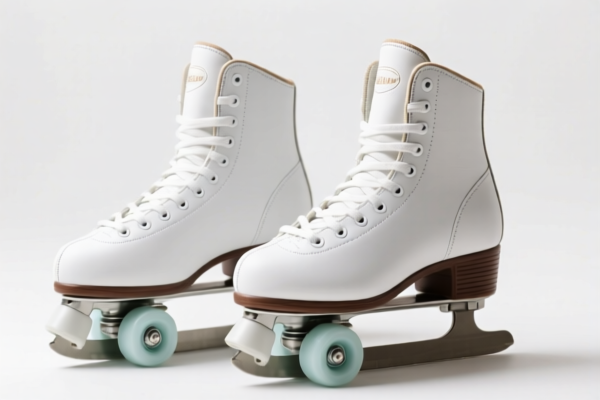

AI Analysis
👟 Running Shoes: The Ultimate Global HS Code & Tariff Master Guide (2026 Edition)
🌐 HS Code Reference & Clearance Strategy | 2026 Tariff Breakdown | Professional Clearance Tactics
📌 I. Product Definition: What Are "Running Shoes"?
Running Shoes are specialized athletic footwear designed for jogging, running, and general sports performance. In the complex world of international trade, they are not a single, uniform category. Their classification depends entirely on material composition and construction:
- Synthetic/Plastic & Rubber Footwear: Shoes where both the upper and outsole are predominantly rubber or plastics (often cheap, lightweight, or fashion-focused runners).
- Textile & Rubber/Plastic Footwear: Shoes with textile uppers (mesh, fabric) and rubber/plastic outsoles (the most common professional running shoes).
- Leather/Synthetic Leather Footwear: Shoes with leather or synthetic leather uppers.
- "Other" Categories: Items that don't fit specific descriptions and fall into catch-all categories, often subject to much higher duties.
⚠️ Critical Distinction:
- Material Matters: A shoe with a Textile Upper vs. a Rubber/Plastic Upper can have a tax difference of 30% or more.
- Outsole Matters: The specific type of rubber or plastic used can shift the classification.
- The "122 Clause" Trap: Almost all running shoes imported into the US from China face a mandatory 10% "Section 122" tariff on top of base and Section 301 duties.
📦 II. HS Code Classification Breakdown (2026 Latest Tariff Schedule)
Based on current trade data, here are the 6 critical HS Codes for Running Shoes, their logic, and their financial impact.
| HS Code | Product Description & Logic | Material Logic | Tax Rate (Total) |
|---|---|---|---|
| 6402.19.15.20 | Men's Sports Shoes (Rubber/Plastic Focus) | Upper & Outsole: Rubber/Plastic | 22.6% |
| 6404.11.20.71 | Sports Shoes (Textile Focus) | Upper: Textile, Outsole: Rubber/Plastic | 20.5% |
| 6404.11.59.00 | Sports Shoes ("Other" Catch-All) | No specific material conflict; General Category | 58.0% ⚠️ |
| 6402.19.15.41 | Men's Sports Shoes (Rubber/Plastic) | Upper & Outsole: Rubber/Plastic (Similar to .20) | 22.6% |
| 6403.19.40.90 | Sports Shoes (Leather/Synthetic) | Upper: Leather/Synthetic, Outsole: Rubber/Plastic | 21.8% |
| 6403.91.60.40 | Training Shoes (Other Sports) | General Training/Sports classification | 18.5% |
💰 III. 2026 Tariff Rate Deep Dive (US Market Analysis)
✅ Target Market: United States (US)
✅ Origin: China (CN)
✅ Applicable Policy: Section 301 + Section 122 + Base Duty
🎯 Scenario A: The "Plastic/Rubber" Runners (Codes 6402.19.15.20 & .41)
Targeting shoes made of synthetic leather, PVC, or fully molded rubber.
| Item | Details |
|---|---|
| Base Duty | 5.1% |
| Section 301 (Additional) | 7.5% |
| Section 122 (China Specific) | 10.0% (Mandatory) |
| Total Effective Rate | 22.6% |
| Legal Path | USITC:6402.19.15 + Section 301:7.5% + Section 122:10% |
📌 Explanation:
- This is a low-risk, moderate-tax category for fully synthetic shoes.
- The "Section 122" tax is a specific penalty on Chinese footwear.
🎯 Scenario B: The "Textile" Runners (Code 6404.11.20.71)
Targeting mesh sneakers, knit uppers (like Nike Flyknit), with rubber soles.
| Item | Details |
|---|---|
| Base Duty | 10.5% |
| Section 301 (Additional) | 0.0% (Note: Base duty is already high) |
| Section 122 (China Specific) | 10.0% (Mandatory) |
| Total Effective Rate | 20.5% |
| Legal Path | USITC:6404.11.20 + Section 122:10% |
📌 Explanation:
- Best Value! This code often has the lowest total tax (20.5%).
- Many brands prefer textile uppers to qualify for this lower bracket.
🎯 Scenario C: The "Danger Zone" - Catch-All "Other" (Code 6404.11.59.00)
Shoes that don't fit specific descriptions (e.g., unusual materials, misclassified).
| Item | Details |
|---|---|
| Base Duty | 48.0% (Extremely High!) |
| Section 301 | 0.0% |
| Section 122 | 10.0% |
| Total Effective Rate | 58.0% ⚠️ HIGH RISK |
| Legal Path | USITC:6404.11.59 + Section 122:10% |
📌 Explanation:
- AVOID THIS CODE if possible. It is a "catch-all" penalty category.
- A 58% tax can kill profit margins instantly. This usually happens due to poor material definition in the declaration.
🎯 Scenario D: Leather & Training Variants (6403 & 6403.91.60.40)
Leather uppers or general training shoes.
| HS Code | Base | Section 301 | Section 122 | Total |
|---|---|---|---|---|
| 6403.19.40.90 | 4.3% | 7.5% | 10.0% | 21.8% |
| 6403.91.60.40 | 8.5% | 0.0% | 10.0% | 18.5% |
📌 Explanation:
- 6403.91.60.40 is the cheapest option (18.5%), but it is classified under "Training Shoes" or "Other". If your product is strictly a "Running Shoe" but falls here due to "Other" logic, ensure it matches the "Training" description to avoid audits.
🛠️ IV. Clearance Practical Advice (Real-World Pitfall Avoidance)
✅ 1. Material Definition is King
The海关 (Customs) will dissect your shoe. * ❌ Wrong: "Upper made of synthetic material." (Too vague → Risk of 58% tax) * ✅ Right: "Upper: 100% Knitted Textile (Mesh)" OR "Upper: PVC/Rubber Coated Fabric". * Action: Your Bill of Materials (BOM) must explicitly state the percentage of textile vs. rubber/plastic.
✅ 2. The "Section 122" Rule
- Fact: 10% is added to almost all Chinese footwear imports under Section 122, regardless of the HS code.
- Strategy: You cannot avoid this. Your pricing model must include this 10% cost. If your supplier quotes FOB price, add 10% + Base Duty immediately.
✅ 3. Avoid the "58% Trap" (Code 6404.11.59.00)
- Why: This code is for "Other" footwear. If your shoe doesn't clearly fit "Textile" (6404.11.20) or "Leather" (6403), Customs will default to "Other".
- Prevention: Ensure your product marketing and specs highlight the Textile or Leather nature. Do not use generic terms like "Synthetic".
✅ 4.申报 (Declaration) Checklist
| Document | Requirement | Why? |
|---|---|---|
| Product Specs | List Upper Material % & Outsole Type | To prove eligibility for 20.5% or 18.5% rates. |
| Photos | High-res close-ups of the sole and upper | Customs officers verify the "Textile vs. Rubber" claim visually. |
| Lining Info | Is it textile or leather? | Determines if it falls under 6403 (Leather) or 6404 (Textile). |
| Usage Claim | "For Running/Jogging/Sports" | Must match the "Sports Shoe" definition in the HS Code summary. |
🌍 V. Global Market Comparison (Quick Reference)
| Market | Recommended Code | Est. Total Tax (China Origin) | Key Constraint |
|---|---|---|---|
| 🇺🇸 USA | 6404.11.20.71 (Textile) |
20.5% | Must prove textile upper. Avoid "Other". |
| 🇨🇳 China | Varies | ~11% - 15% | Domestic production rules apply. |
| 🇪🇺 EU | 6404.11 |
~8% - 12% | Generally lower duties, but CE/FSC certs needed. |
| 🇯🇵 Japan | 6404.11 |
~10% | Strict material testing. |
📌 Conclusion: The US Market is the most complex due to Section 301 + Section 122. - Winning Strategy: Classify as Textile (6404.11.20.71) or Training (6403.91.60.40) to get 18.5% - 20.5%. - Losing Strategy: Classify as "Other" (6404.11.59.00) → 58.0% (Cost killer).
🎯 VI. Pro Tips for Merchants & Customs Brokers
🔥 Rule of Thumb:
"If it's Mesh, it's 20.5%. If it's Rubber-All, it's 22.6%. If it's 'Other', it's 58.0%!"
- Pre-Shipment Classification: Always get a Binding Ruling from US Customs (CBP) if the material is ambiguous.
- Sample Testing: Have a lab test the upper material. If the "synthetic" claim is actually >85% fabric, fight for the textile code.
- Avoid "Synthetic Leather": This term is ambiguous. Use "PU Leather" (often 6403) or "Textile" (6404).
- Invoice Transparency: Clearly state: "Men's Running Shoe, Upper: Textile, Outsole: Rubber" on the commercial invoice.
📌 VII. Conclusion: Precision Pays
In the world of footwear, a 1% error in material description can cost you 40% in taxes.
✅ Success Formula:
Correct HS Code + Detailed Material Spec + Pre-Filed Section 122 Cost = Smooth Clearance.
🚀 Don't gamble on "Other" categories. Know your materials. Protect your margin!
✨ Need a Customs Classification Review?
Contact your logistics partner immediately with your shoe photos and BOM to secure the 18.5%-20.5% rate.
Customer Reviews
About HS Code Classification
The Harmonized System (HS) is an internationally standardized nomenclature developed by the World Customs Organization (WCO) to classify traded products. Over 200 countries use the HS system as the basis for customs tariffs, trade statistics, and import/export regulations.
Each HS code follows a hierarchical structure:
- Chapter (2 digits) — Broad category of goods (e.g., Chapter 84: Machinery and Mechanical Appliances)
- Heading (4 digits) — More specific grouping within the chapter
- Subheading (6 digits) — Internationally standardized breakdown, used by all WCO member countries
- National subdivisions (8-10 digits) — Country-specific extensions for further classification, such as US HTSUS 10-digit codes
Correct HS code classification is essential for smooth customs clearance, accurate duty payment, and compliance with trade regulations. Misclassification can lead to customs delays, overpayment of duties, or penalties.
When importing from CN to US, the applicable tariff rates may include:
- Most-Favored-Nation (MFN) rate — The standard duty rate applied to WTO members
- General rate — Applied to countries without trade agreements
- Trade remedy duties — Additional tariffs such as Section 301 (anti-dumping), Section 232 (national security), or countervailing duties
The information provided on this page is for reference purposes only. For official classification, please consult with your local customs authority or a licensed customs broker.