safety goggles
CN → US| HS Code | Tariff Rate | Origin | Destination | Doc |
|---|---|---|---|---|
| 3926909950 | 22.8% | CN | US | Official Doc |
| 3926909989 | 22.8% | CN | US | Official Doc |
| 9004900090 | 20.0% | CN | US | Official Doc |
| 9004900010 | 20.0% | CN | US | Official Doc |
Product Images
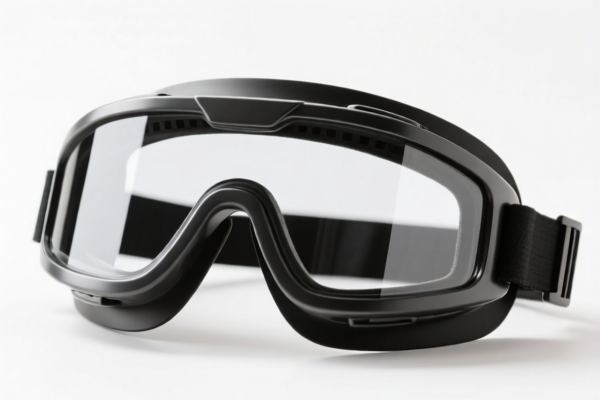
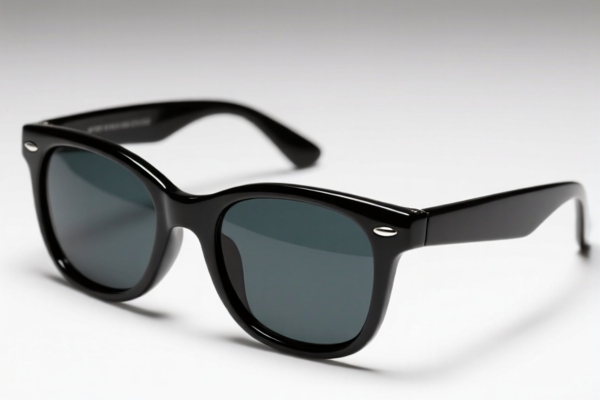


AI Analysis
🥽 Safety Goggles: The Ultimate Guide to HS Codes, Tariffs & Customs Clearance (2026 Edition)
🌐 Global HS Code Reference & Customs Strategy | Expert-Level Clearance Tactics
📌 Part 1: What are Safety Goggles? Are They "Plastic Toys" or "Medical Gear"?
Safety Goggles are critical Personal Protective Equipment (PPE) designed to shield the eyes from chemical splashes, impact, dust, and radiation. In international trade, they often fall into a "grey zone" between plastic products and medical/protective eyewear.
Two Main Classification Paths:
1. Medical/Protective Category (9004): Goggles specifically designed for eye protection (e.g., chemical splash, impact resistance). They are treated as "glasses/spectacles" regardless of material.
2. Plastic Category (3926): If the goggles lack specific optical/protective functionality or are deemed "general plastic parts," they fall under "Other articles of plastics."
⚠️ Critical Distinction:
- If the product is primarily for eye protection (medical/safety function) → 9004.90.00.10 / 9004.90.00.90 (20% Total Tax).
- If the product is general plastic without specific protective certification or fails "eyewear" definition → 3926.90.99.50 / 3926.90.99.89 (22.8% Total Tax).
📦 Part 2: HS Code Classification Breakdown (2026 Latest Tariff)
| HS Code | Product Description | Application Scenarios | Key Differentiator |
|---|---|---|---|
9004.90.00.10 |
Safety Goggles (Specific Eye Protection) | Industrial safety, medical labs, chemical handling. | Perfectly matches function: Explicitly for "protective" use. |
9004.90.00.90 |
Other Eyewear (Spectacles/Protectors) | General purpose protective eyewear, non-prescription safety glasses. | Broad Category: Includes safety goggles but also regular eyewear. |
3926.90.99.50 |
Plastic Protective Masks/Shields | Plastic face shields, masks, or goggles deemed "masks" rather than "eyewear." | Material Focus: "Plastic" + "Mask/Shield" characteristics dominate. |
3926.90.99.89 |
Other Plastic Articles | General plastic components, generic safety gear not fitting specific categories. | Catch-all: No specific protective function or material conflict. |
🔍 Focus Alert:
-9004(20%) is the lowest tax path for safety goggles. It requires proving the item is primarily for eye protection.
-3926(22.8%) is the higher tax path. It applies if customs views the item as a "plastic shield" or generic plastic part rather than "eyewear."
- No Material Conflict:9004allows plastic materials; the key is the function, not the material.
💰 Part 3: 2026 Tariff Rate Breakdown (Detailed Tax Structure)
✅ Applicable Market: United States (US)
✅ Country of Origin: China (CN)
✅ Effective Date: Post-2025 Policies (Current Active Rates)
🎯 Category A: "Eyewear" Classification (9004.90.00.10 / 9004.90.00.90)
Total Tax Rate: 20.0%
This is the preferred rate for genuine safety goggles.
| Tax Component | Rate | Legal Basis / Description |
|---|---|---|
| Base Tariff (MFN) | 2.5% | Standard Most Favored Nation duty for eyewear. |
| Section 301 / "Add-on" | +7.5% | Targeted addition for specific categories under US trade measures. |
| Section 122 Tariff | +10% | 122 Clause: Specific additional duty levied on Chinese goods under current emergency provisions. |
| TOTAL | 20.0% | 2.5% + 7.5% + 10% |
📌 Interpretation:
- "Section 122 Tariff (10%)": This is a specific, high-impact duty often applied to goods deemed strategic or non-compliant with certain trade remedies.
- "Add-on 7.5%": Part of the cumulative trade penalty structure.
- Result: A 20% total burden. This is the most cost-effective option for safety goggles if correctly classified.
🎯 Category B: "Plastic" Classification (3926.90.99.50 / 3926.90.99.89)
Total Tax Rate: 22.8%
Higher tax applied if the item is classified as a "mask," "shield," or generic plastic article.
| Tax Component | Rate | Legal Basis / Description |
|---|---|---|
| Base Tariff (MFN) | 5.3% | Standard duty for "Other plastic articles." |
| Section 301 / "Add-on" | +7.5% | Same add-on as above. |
| Section 122 Tariff | +10% | Same 122 Clause penalty. |
| TOTAL | 22.8% | 5.3% + 7.5% + 10% |
📌 Interpretation:
- Difference: The Base Tariff (5.3%) is higher than for eyewear (2.5%), leading to a 2.8% extra cost.
- When this applies: If the product is marketed as a "face shield" or "mask" (even if it has eye holes) or lacks specific "eyewear" certification.
- Item3926.90.99.50: Specifically for items matching "Mask/Shield" characteristics.
- Item3926.90.99.89: The "catch-all" for plastics.
🛠️ Part 4: Customs Clearance Practical Guide (Avoiding Pitfalls)
✅ 1. Preparation Checklist (Must-Have Docs)
| Document | Status | Why it Matters |
|---|---|---|
| ✅ Product Specification Sheet | Required | Must explicitly state "Protective Eyewear" or "Safety Goggles." Avoid vague terms like "plastic shield." |
| ✅ Material Safety Data Sheet (MSDS) | Required | Proves the material is suitable for chemical/dust protection (supports 9004 claim). |
| ✅ Function Declaration | Required | Clear statement: "Used for eye protection against impact/chemicals." |
| ✅ Technical Drawings | Recommended | Shows the lens/strap structure typical of eyewear, not a flat mask. |
| ✅ Commercial Invoice | Required | Must use HS Code 9004.90.00.10 (preferred) or 3926... with accurate description. |
| ✅ CE / ANSI / Z87.1 Certification | Highly Recommended | Proof of safety standards. Strong evidence for 9004 classification. |
✅ 2. Declaration Tips (The "Golden Rule")
🔥 Mantra: "Function > Material. If it protects eyes, it's Eyewear (9004)."
| Scenario | Correct Declaration | Incorrect Declaration | Consequence |
|---|---|---|---|
| Standard Safety Goggles | HS 9004.90.00.10 Description: "Safety Goggles for Chemical Protection" |
HS 3926.90.99.50 Description: "Plastic Mask/Shield" |
Overpay 2.8%, potential audit. |
| Face Shield (Full Face) | HS 3926.90.99.50 Description: "Plastic Face Shield" |
HS 9004.90.00.10 Description: "Goggles" |
Underpayment → Seizure/Back Duty. |
| Generic Plastic Eyewear | HS 3926.90.99.89 | HS 9004.90.00.10 | 2.8% Extra Tax if not truly "protective." |
📌 Crucial Note:
- Do not call it a "Mask" if it is clearly "Goggles." Customs may reclassify to3926if the description sounds like a face cover.
-9004is the functional category.3926is the material category. Function wins for safety goggles.
✅ 3. Special Scenarios & Mitigation
| Situation | Recommendation |
|---|---|
| OEM / Private Label | Ensure the brand documentation specifies "Safety Standard Z87.1" or "ANSI Z87.1" to support 9004. |
| Bundled with Straps | Still 9004 if the strap is for securing eye protection. Do not bundle with unrelated plastic parts. |
| Clear vs. Tinted | Both are 9004. Tinted lenses for specific hazards (e.g., laser, welding) strengthen the "protective" argument. |
| High-Tax Risk (3926) | If you must use 3926 (e.g., lack of certification), calculate the 2.8% difference into your margin. |
🌍 Part 5: Market Comparison (US vs. Global)
| Region | Recommended HS Code | Tax Rate (China Origin) | Key Requirement |
|---|---|---|---|
| 🇺🇸 USA | 9004.90.00.10 |
20.0% (2.5+7.5+10) | Z87.1 / CE Proof is critical for 9004. |
| 🇪🇺 EU | 9004.90.00 |
~0% - 2% (CE Mark) | CE Marking mandatory. No Section 122. |
| 🇨🇳 China | 9004.90.00 |
Low (5.3%) | Domestic standards (GB). |
| 🇯🇵 Japan | 9004.90.00 |
5% | PSE / JIS Certification. |
📌 Conclusion:
- USA is the hardest market due to Section 122 (10%) and Section 301 (7.5%).
- Getting9004right saves 2.8% on every dollar.
- Documentation is King: Without proof of "protective function," customs will default to3926(Plastic).
📌 Part 6: Common Errors & Lessons Learned
❌ Error 1: Calling "Safety Goggles" a "Plastic Face Mask"
👉 Result: Classified as 3926.90.99.50 → 22.8% Tax (Overpayment).
👉 Fix: Use "Safety Goggles" in the description, not "Mask."
❌ Error 2: Claiming "Eyewear" without Safety Standards
👉 Result: Customs doubts the "protective" function → Rejected 9004 → Forced to 3926.
👉 Fix: Submit Z87.1, ANSI, or CE test reports.
❌ Error 3: Ignoring Section 122 Tariff
👉 Result: Unexpected 10% charge at port.
👉 Fix: Always quote 20.0% or 22.8% in your cost analysis for US imports.
✅ Correct Approach:
"Safety Goggles (Z87.1 Certified), Anti-Fog, Plastic Lens, for Industrial Chemical Protection. HS Code: 9004.90.00.10."
🎯 Part 7: Final Verdict – Strategic Recommendation
🎯 The Bottom Line:
For Safety Goggles, always aim for
9004.90.00.10(20.0% Total Tax).
- Why? It is 2.8% cheaper than the plastic alternative (3926.90.99.89).
- How? Prove function (eye protection) over material (plastic).
- Risk: If misclassified, you pay more AND risk customs delays.🔹 Formula for Success:
Correct Doc + "Protective" Keyword + Safety Standard =9004= 20% Tax
Vague Doc + "Plastic/Mask" Keyword =3926= 22.8% Tax
📌 Pro Tip:
If your product is not certified for safety (e.g., just fashion glasses), you must use 3926.90.99.89. Do not falsely claim "Safety Goggles" to get the lower tax rate; it will lead to fraud penalties.
📣 Action Step:
1. Verify your product meets Z87.1/ANSI/CE standards.
2. Prepare a technical sheet emphasizing "Eye Protection."
3. Declare using 9004.90.00.10 for US imports.
4. Budget for 20.0% total duty (2.5% Base + 7.5% Add-on + 10% Section 122).
✨ Clearance Starts with Classification!
💼 Precision Saves Dollars!
Customer Reviews
About HS Code Classification
The Harmonized System (HS) is an internationally standardized nomenclature developed by the World Customs Organization (WCO) to classify traded products. Over 200 countries use the HS system as the basis for customs tariffs, trade statistics, and import/export regulations.
Each HS code follows a hierarchical structure:
- Chapter (2 digits) — Broad category of goods (e.g., Chapter 84: Machinery and Mechanical Appliances)
- Heading (4 digits) — More specific grouping within the chapter
- Subheading (6 digits) — Internationally standardized breakdown, used by all WCO member countries
- National subdivisions (8-10 digits) — Country-specific extensions for further classification, such as US HTSUS 10-digit codes
Correct HS code classification is essential for smooth customs clearance, accurate duty payment, and compliance with trade regulations. Misclassification can lead to customs delays, overpayment of duties, or penalties.
When importing from CN to US, the applicable tariff rates may include:
- Most-Favored-Nation (MFN) rate — The standard duty rate applied to WTO members
- General rate — Applied to countries without trade agreements
- Trade remedy duties — Additional tariffs such as Section 301 (anti-dumping), Section 232 (national security), or countervailing duties
The information provided on this page is for reference purposes only. For official classification, please consult with your local customs authority or a licensed customs broker.