salad cup
CN → US| HS Code | Tariff Rate | Origin | Destination | Doc |
|---|---|---|---|---|
| 3924102000 | 24.0% | CN | US | Official Doc |
| 3924104000 | 13.4% | CN | US | Official Doc |
| 6911108010 | 38.3% | CN | US | Official Doc |
| 7013496090 | 24.7% | CN | US | Official Doc |
| 6911103510 | 43.5% | CN | US | Official Doc |
| 7013492090 | 32.5% | CN | US | Official Doc |
Product Images
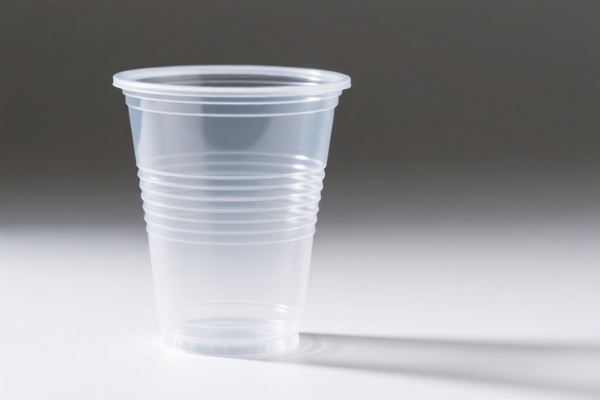
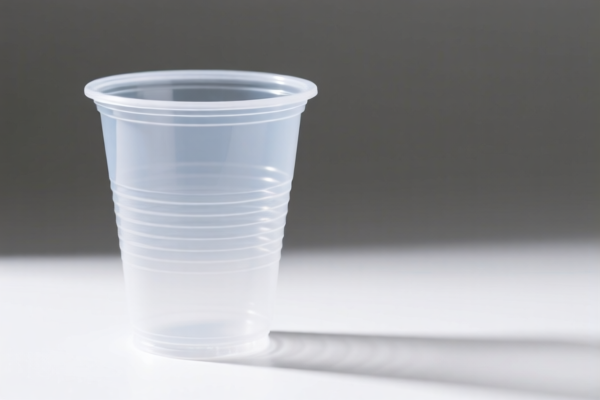
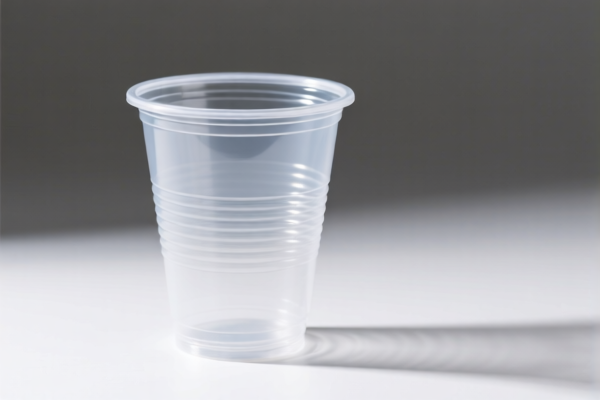

AI Analysis
🥗 Salad Cups (Plastic & Ceramic Tableware)
🌐 HS Code Reference & Customs Clearance Guide | 2026 Latest Tariff Analysis | Professional Entry Strategy
📌 I. Product Definition & Classification: What Exactly Is a "Salad Cup"?
Salad Cups are small, single-serve or multi-serve containers primarily designed for holding salads, dips, side dishes, or desserts. In international trade, they are categorized by material composition. Misclassification is common because the function (holding salad) matters less to customs than the material (plastic, porcelain, or glass).
⚠️ Key Distinction Points:
- Plastic Material: Falls under Chapter 39. Specific subheadings depend on exact shape and usage nuances.
- Ceramic/Porcelain Material: Falls under Chapter 69.
- Glass Material: Falls under Chapter 70.
- Crucial Note: Even if labeled "Salad Cup," if it is made of glass or ceramic, it cannot be classified under the plastic HS codes.
📦 II. HS Code Classification Details (2026 Latest Tariff Authority Mapping)
Based on the provided data, here are the exact HS Codes for Salad Cups, strictly mapped to their material and tax profile:
| HS Code | Product Description | Material | Total Tax Rate | Tax Breakdown |
|---|---|---|---|---|
3924.10.20.00 |
Plastic tableware, cups for salad | 🥤 Plastic | 24.0% | Base: 6.5% + Section 301: 7.5% + Section 122: 10% |
3924.10.40.00 |
Plastic tableware, cups for salad | 🥤 Plastic | 13.4% | Base: 3.4% + Section 301: 0.0% + Section 122: 10% |
6911.10.80.10 |
Ceramic tableware, for holding food | 🏺 Ceramic | 38.3% | Base: 20.8% + Section 301: 7.5% + Section 122: 10% |
7013.49.60.90 |
Glass tableware, cups for kitchen/table | 🥛 Glass | 24.7% | Base: 7.2% + Section 301: 7.5% + Section 122: 10% |
6911.10.35.10 |
Ceramic cups/tableware for salad | 🏺 Ceramic | 43.5% | Base: 26.0% + Section 301: 7.5% + Section 122: 10% |
7013.49.20.90 |
Non-crystal glass cups for kitchen/table | 🥛 Glass | 32.5% | Base: 22.5% + Section 301: 0.0% + Section 122: 10% |
🔍 Critical Observation:
- Plastic Cups have two divergent tax paths: 24.0% vs 13.4%. This suggests a specific technical distinction (likely based on wall thickness, capacity, or exact usage definition in the HTSUS notes) that must be verified against your product specs.
- Ceramic Cups are significantly more expensive to import, with rates ranging from 38.3% to 43.5%.
- Glass Cups vary widely (24.7% vs 32.5%) depending on whether they are "Crystal" (excluded here) or "Non-Crystal," and their specific manufacturing process.
💰 III. 2026 Latest Tariff Rate Breakdown (Including Surcharges)
✅ Applicable Region: United States (US)
✅ Origin: China (CN)
✅ Effective Date: Current policies apply (Section 122 & 301 Tariffs Active)
🎯 1. Plastic Salad Cups (3924.10.20.00 & 3924.10.40.00)
| Item | 3924.10.20.00 |
3924.10.40.00 |
|---|---|---|
| Base Duty | 6.5% | 3.4% |
| Section 301 Tariff | 7.5% | 0.0% |
| Section 122 Tariff | 10% | 10% |
| Total Effective Rate | 24.0% | 13.4% |
| De Minimis Exemption? | ❌ NO (Valued > $800 threshold often triggers scrutiny for plastic tableware; ensure compliance) | ❌ NO |
📌 Explanation:
- Section 122 (10%): A specific additional duty on imports from China, applied broadly to many consumer goods.
- Section 301 (7.5% or 0%): The key differentiator.3924.10.40.00enjoys a 0% Section 301 rate, making it significantly cheaper than3924.10.20.00.
- Strategy: If your plastic cup qualifies for3924.10.40.00, you save 10.6% on the total value compared to3924.10.20.00.
🎯 2. Ceramic Salad Cups (6911.10.80.10 & 6911.10.35.10)
| Item | 6911.10.80.10 |
6911.10.35.10 |
|---|---|---|
| Base Duty | 20.8% | 26.0% |
| Section 301 Tariff | 7.5% | 7.5% |
| Section 122 Tariff | 10% | 10% |
| Total Effective Rate | 38.3% | 43.5% |
| De Minimis Exemption? | ❌ NO | ❌ NO |
📌 Explanation:
- Ceramic tableware faces high base duties. The 43.5% rate for6911.10.35.10is extremely high.
- Check if your ceramic cup can be classified under6911.10.80.10("for holding food" vs specific "salad" definitions) to save 5.2%.
🎯 3. Glass Salad Cups (7013.49.60.90 & 7013.49.20.90)
| Item | 7013.49.60.90 |
7013.49.20.90 |
|---|---|---|
| Base Duty | 7.2% | 22.5% |
| Section 301 Tariff | 7.5% | 0.0% |
| Section 122 Tariff | 10% | 10% |
| Total Effective Rate | 24.7% | 32.5% |
| De Minimis Exemption? | ❌ NO | ❌ NO |
📌 Explanation:
- Section 301 is the hero here.7013.49.20.90has 0% Section 301, but a high base duty (22.5%), totaling 32.5%.
-7013.49.60.90has a low base duty (7.2%) plus 7.5% Section 301, totaling 24.7%.
- Result:7013.49.60.90is the cheaper option for glass cups despite having a Section 301 tariff.
🛠️ IV. Customs Clearance Practical Advice (Pitfall Avoidance Guide)
✅ 1. Preparation Checklist (Mandatory)
| Document | Required | Notes |
|---|---|---|
| ✅ Product Composition Proof | ✔️ | Certificate of Material (Plastic/Ceramic/Glass) |
| ✅ Product Photos | ✔️ | Clear images showing no decorative painting that might reclassify as "decorative article" |
| ✅ Commercial Invoice | ✔️ | Must specify: "Plastic/Ceramic/Glass Salad Cup," Quantity, Unit Price, HS Code |
| ✅ Country of Origin | ✔️ | If not China, Section 122/301 may not apply (check FTAs) |
| ✅ FCC/Contact List | ❌ | Not usually required for tableware, but have it ready if asked |
✅ 2. Classification Strategy (Key Formulas)
🔥 “Material First, Tax Second! Don’t Guess, Verify!”
| Scenario | Correct HS Code | Wrong Code | Consequence |
|---|---|---|---|
| Plastic Cup | 3924.10.20.00 or 3924.10.40.00 |
6911... (Ceramic) |
20%+ Tax Difference + Penalty |
| Ceramic Cup | 6911.10.80.10 or 6911.10.35.10 |
3924... (Plastic) |
15%+ Tax Difference + Penalty |
| Glass Cup | 7013.49.60.90 or 7013.49.20.90 |
9013... (Miscellaneous) |
30%+ Tax Difference + Delay |
| Mixed Pack (Plastic + Ceramic) | Split Declaration | Single Mixed HS | Customs Rejection or Audit |
✅ 3. Special Case Handling
| Situation | Handling Advice |
|---|---|
| Plastic Cup with Silicone Rim | Declare as Plastic (3924...). The silicone part is considered minor accessory. |
| Ceramic Cup with Plastic Lid | Declare as Ceramic (6911...). The primary material determines the code. |
| "Salad Cup" vs "Dessert Cup" | If the product is identical but labeled "Dessert Cup," check if it fits the "Tableware" description in HTSUS. Usually, yes, but ensure the description matches the legal text for the HS code selected. |
| Low-Value Shipments (<$800) | Even if under $800, Section 122 (10%) and Section 301 may still apply depending on current CBP enforcement. Do not assume duty-free without verification. |
🌍 V. Global Market Comparison (2026 Update)
| Market | Recommended HS Code | Est. Total Tax | Key Requirement |
|---|---|---|---|
| 🇺🇸 USA | Varies by Material (See Above) | 13.4% - 43.5% | Accurate Material Declaration |
| 🇨🇳 China | Varies by Material | 5% - 12% | CCC Certification (if applicable) |
| 🇪🇺 EU | Varies by Material | 0% - 4% | REACH Compliance, Food Contact Standards |
| 🇬🇧 UK | Varies by Material | 0% - 5% | UKCA Marking |
📌 Conclusion:
- USA has the highest and most complex tariff structure due to Section 122 and Section 301.
- EU/UK are generally more favorable for tableware if compliance standards are met.
- China has moderate base duties but no Section 122/301 surcharges for exports.
📌 VI. Common Errors & Pitfalls (Blood & Tears Lessons)
❌ Error 1: Classifying all "Salad Cups" under one generic HS Code
👉 Consequence: If you pick plastic (3924) but ship ceramic (6911), you face a 15-20% tax difference + fines.
❌ Error 2: Ignoring Section 301 differences in Plastic Codes
👉 Consequence: Using 3924.10.20.00 (24.0%) instead of 3924.10.40.00 (13.4%) wastes 10.6% profit.
❌ Error 3: Assuming "De Minimis" ($800) exempts all tariffs
👉 Consequence: Section 122 (10%) often applies even to de minimis shipments from China. Do not risk it.
❌ Error 4: Vague Description "Salad Cup" on Invoice
👉 Consequence: Customs may detain for "Material Unknown." Always specify: "100% PP Plastic Salad Cup, 500ml."
✅ Correct Practice:
"PP Plastic Salad Cup, 500ml, White, Stackable, Food Grade" → HS
3924.10.40.00(13.4%)
"Bone China Ceramic Salad Cup, 500ml, Printed" → HS6911.10.80.10(38.3%)
🎯 VII. Conclusion: Precision Saves Money!
🎯 Remember the Mantra:
🔹 "Material Dictates Code, Code Dictates Cost!"
🔹 "Plastic 13%, Plastic 24%, Ceramic 43%, Glass 32%! Know the Difference!"
🔹 "Section 122 10% is Always On! Don't Forget It!"
📌 Pro Tip:
If you are importing Plastic Salad Cups, work with your supplier to confirm if your specific design qualifies for 3924.10.40.00 (13.4% total) rather than 3924.10.20.00 (24.0%). A small design or usage distinction could save you over $10,000 on a $100,000 shipment.
📣 Immediate Action:
📞 Verify Material Composition with Supplier
🔍 Confirm Exact HTSUS Subheading with Freight Forwarder
🚀 Clear Customs Smoothly, Keep Profits High!
✨ Professional Clearance Starts with Accurate Classification!
💼 Every Percentage Point Counts in 2026!
Customer Reviews
About HS Code Classification
The Harmonized System (HS) is an internationally standardized nomenclature developed by the World Customs Organization (WCO) to classify traded products. Over 200 countries use the HS system as the basis for customs tariffs, trade statistics, and import/export regulations.
Each HS code follows a hierarchical structure:
- Chapter (2 digits) — Broad category of goods (e.g., Chapter 84: Machinery and Mechanical Appliances)
- Heading (4 digits) — More specific grouping within the chapter
- Subheading (6 digits) — Internationally standardized breakdown, used by all WCO member countries
- National subdivisions (8-10 digits) — Country-specific extensions for further classification, such as US HTSUS 10-digit codes
Correct HS code classification is essential for smooth customs clearance, accurate duty payment, and compliance with trade regulations. Misclassification can lead to customs delays, overpayment of duties, or penalties.
When importing from CN to US, the applicable tariff rates may include:
- Most-Favored-Nation (MFN) rate — The standard duty rate applied to WTO members
- General rate — Applied to countries without trade agreements
- Trade remedy duties — Additional tariffs such as Section 301 (anti-dumping), Section 232 (national security), or countervailing duties
The information provided on this page is for reference purposes only. For official classification, please consult with your local customs authority or a licensed customs broker.