salon mat
CN → US| HS Code | Tariff Rate | Origin | Destination | Doc |
|---|---|---|---|---|
| 9401993580 | 35.0% | CN | US | Official Doc |
| 9401999070 | 0.0% | CN | US | Official Doc |
| 9403200050 | 85.0% | CN | US | Official Doc |
| 9403896020 | 35.0% | CN | US | Official Doc |
Product Images
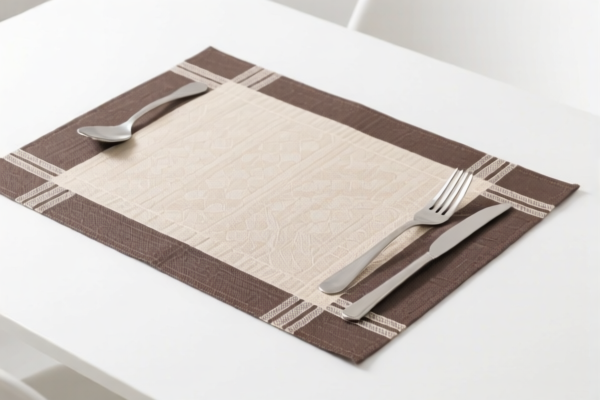
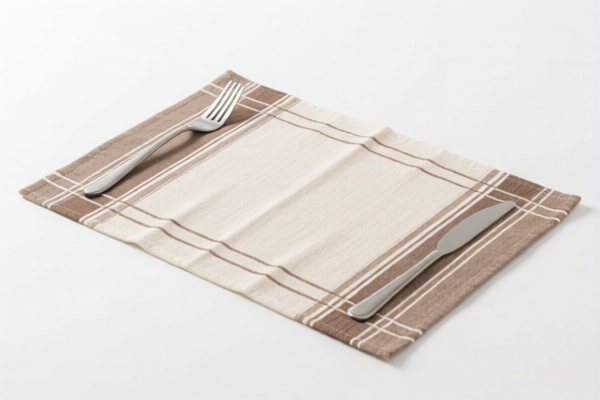
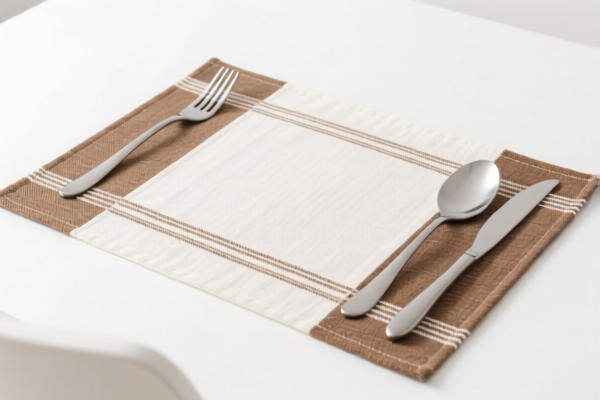
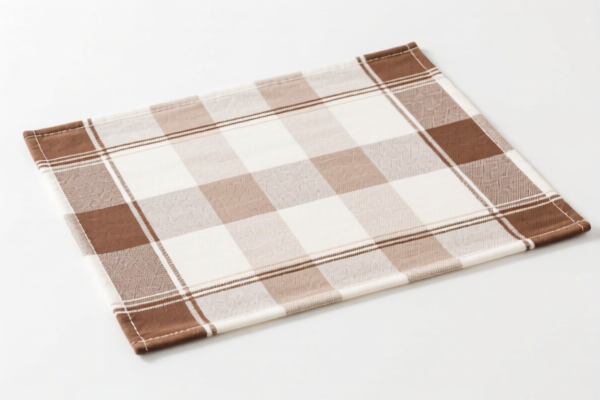
AI Analysis
🛋️ Salon Mat (Professional Salon Furniture & Accessories)
🌐 HS Code Reference & Customs Clearance Guide | 2026 Latest Tariff Analysis | Professional Entry Strategy
📌 1. Product Definition & Classification: Do You Truly Understand "Salon Mat"?
A "Salon Mat" generally refers to flooring mats, anti-fatigue mats, or mats integrated into salon furniture (such as shampoo bowls or pedicure chairs). In international trade, classification depends heavily on material, usage context, and whether it is part of a larger furniture unit.
Based on the provided dataset, we analyze two primary classification paths: 1. Metal Furniture Parts: If the mat is a specific component of a metal salon unit (e.g., a metal footrest or integrated tray). 2. Furniture of Other Materials: If the mat is a standalone item made of cane, bamboo, wood, or similar materials, often used for seating or support. 3. Seat Parts (Rubber/Plastic): If the mat is an accessory for a salon chair (e.g., a rubber/plastic cushion or footrest for a hydraulic chair).
⚠️ Key Distinction:
- If the item is a loose floor mat (rubber/plastic) not integral to furniture, it may fall under heading 5903 or 5911, which is NOT listed in the provided<DATA>. Therefore, this guide strictly focuses on furniture-related mats as per the provided codes.
- If the mat is a seat cushion/footrest for a salon chair → 9401.99
- If the mat is part of a metal salon station → 9403.20
- If the mat is made of natural materials (wood/bamboo) for salon use → 9403.89
📦 2. HS Code Classification Details (Based on Provided Data)
| HS Code | Product Description | Application Scenario | Material/Type |
|---|---|---|---|
9403.20.00.50 |
Other metal furniture; Household: Other | Metal salon stations, metal-framed shampoo bowls with integrated mats | Metal |
9403.89.60.20 |
Furniture of other materials (cane, osier, bamboo, etc.); Other | Wooden or bamboo salon stools, mats made of natural fibers used in salon decor | Cane/Bamboo/Wood |
9401.99.35.80 |
Parts of seats (salon chairs); Other: Of rubber or plastics | Rubber anti-fatigue mats for hydraulic chairs, plastic footrests for pedicure units | Rubber/Plastic |
9401.99.90.70 |
Parts of seats; Other: Other | Non-specific material seat parts; Error in Tax Retrieval | Other/Mixed |
🔍 Important Note:
- The term "Salon Mat" is ambiguous. If it is a floor mat (5903/5911), it is excluded from this specific dataset.
- The provided data assumes the "mat" is either furniture itself or a part of a seat.
-9401.99.90.70has an Error in tax information; proceed with caution.
💰 3. 2026 Latest Tariff Rate Details (Detailed Breakdown)
✅ Applicable Country: United States (US)
✅ Origin: China (CN)
✅ Effective Time: Current Trade Restrictions (Section 301)
🎯 1. 9403.20.00.50 —— Other Metal Furniture (Household)
| Item | Detail |
|---|---|
| Base Tariff | 0.0% |
| Additional Tariff (Section 301) | +25% |
| Steel/Aluminum/Copper Surcharge | +50% ⚠️ |
| Total Tariff | 75.0% |
| Tax Calculation | CIF Value × 75% |
| De Minimis Exemption | ❌ Not Applicable (High value/furniture items excluded) |
| Legal Basis | Section 301: Steel/Aluminum products → HS 9403.20 |
📌 Explanation:
- This code applies if the "mat" is considered part of metal furniture.
- Critical Warning: If the product contains steel, aluminum, or copper components, an additional 50% surcharge applies on top of the 25%.
- Total Rate: 75%. This is a very high tariff rate.
- Compliance Tip: Ensure material composition is accurately declared. If it’s purely a rubber mat attached to metal, argue for "part of seat" (9401) to avoid the steel surcharge.
🎯 2. 9403.89.60.20 —— Furniture of Other Materials (Bamboo/Cane/Wood)
| Item | Detail |
|---|---|
| Base Tariff | 0.0% |
| Additional Tariff (Section 301) | +25% |
| Total Tariff | 25.0% |
| Tax Calculation | CIF Value × 25% |
| De Minimis Exemption | ❌ Not Applicable |
| Legal Basis | Section 301: General Chinese Goods → HS 9403.89 |
📌 Explanation:
- Applies if the mat is made of natural materials (e.g., bamboo flooring mats, wooden salon stools).
- Total Rate: 25%. Significant but lower than metal furniture.
🎯 3. 9401.99.35.80 —— Parts of Seats (Rubber/Plastic)
| Item | Detail |
|---|---|
| Base Tariff | 0.0% |
| Additional Tariff (Section 301) | +25% |
| Total Tariff | 25.0% |
| Tax Calculation | CIF Value × 25% |
| De Minimis Exemption | ❌ Not Applicable |
| Legal Basis | Section 301: General Chinese Goods → HS 9401.99 |
📌 Explanation:
- Applies if the "mat" is a rubber or plastic accessory for a salon chair (e.g., a footrest pad).
- Total Rate: 25%.
- Compliance Tip: If the product is a standalone floor mat, this code may be incorrect. However, if it’s part of a chair assembly, this is the most cost-effective classification among the options.
🎯 4. 9401.99.90.70 —— Parts of Seats (Other)
| Item | Detail |
|---|---|
| Base Tariff | N/A |
| Additional Tariff | N/A |
| Total Tariff | Error ⚠️ |
| Tax Calculation | Undefined |
| Legal Basis | Failed to retrieve tax information |
📌 Critical Warning:
- Tax information failed to retrieve.
- Risk: Do NOT use this code without consulting a customs broker. The actual rate could be 0%, 25%, or even higher depending on recent updates.
- Recommendation: Use9401.99.35.80(if rubber/plastic) or seek a pre-ruling.
🛠️ 4. Customs Clearance Practical Advice (Pitfall Avoidance Guide)
✅ 1. Preparation Checklist (Non-negotiable)
| Document | Required | Notes |
|---|---|---|
| ✅ Product Photos | ✔️ | Must show material (metal, rubber, wood) and context (attached to chair vs. floor mat). |
| ✅ Material Composition Statement | ✔️ | Explicitly state % of steel, aluminum, rubber, plastic, bamboo. |
| ✅ Function Description | ✔️ | Clarify if it’s a "floor mat" (excluded from data) or "furniture part/seat part". |
| ✅ Commercial Invoice | ✔️ | Do NOT just write "Salon Mat". Write: "Rubber Footrest Pad for Salon Chair" or "Metal Salon Station Frame". |
| ✅ Packing List | ✔️ | Show if it’s shipped with furniture or separately. |
✅ 2. Declaration Strategy (Key Mantras)
🔥 "Define Material, Define Function, Avoid 'Floor Mat' Ambiguity!"
| Scenario | Correct Declaration | Wrong Approach | Consequence |
|---|---|---|---|
| Rubber Pad for Chair | "Rubber Footrest Part for Salon Chair" | "Salon Floor Mat" | Misclassification → Seizure/Fin |
| Metal Station Component | "Metal Furniture Part" | "Salon Mat" | Tax Evasion Allegation |
| Bamboo Mat | "Bamboo Furniture Accessory" | "Textile Mat" | Wrong Code → 25% vs. Unknown |
| Standalone Floor Mat | Excluded from this data | Use 9401.99.35.80 |
Illegal Classification |
✅ 3. Special Considerations
| Case | Advice |
|---|---|
| Steel/Aluminum Content | If 9403.20.00.50 is used, ensure no steel/aluminum components to avoid the 50% surcharge. Otherwise, total tax is 75%. |
| Mixed Materials | If the mat has a rubber top and metal base, argue for "Part of Seat" (9401.99) to avoid the 75% rate. |
Error Code (9401.99.90.70) |
Avoid this code until tax info is confirmed. It poses a high compliance risk. |
🌍 5. Global Market Comparison (2026 Update)
| Country/Region | Recommended HS Code | Tariff (China Origin) | Notes |
|---|---|---|---|
| 🇺🇸 USA | 9401.99.35.80 |
25% | Best option for rubber/plastic parts. Avoid 9403.20 (75%). |
| 🇪🇺 EU | 9401.99 |
Varies (0-5%) | No Section 301 tariffs. Lower rates. |
| 🇨🇳 China | 9401.99 |
0-5% | Import duties may be low; check VAT. |
| 🇬🇧 UK | 9401.99 |
Varies | Post-Brexit tariffs apply. |
📌 Conclusion:
- USA imposes 25-75% tariffs on these goods.
- EU/UK are significantly cheaper but require different compliance (CE, UKCA).
- Strategy: If exporting to the USA, try to classify as9401.99.35.80(25%) rather than9403.20.00.50(75%) by emphasizing the "seat part" aspect.
📌 6. Common Errors & Pitfalls (Lessons Learned)
❌ Error 1: Declaring a standalone floor mat as 9401.99
👉 Result: Customs may reject it because floor mats are not "parts of seats." → Delays/Returns
❌ Error 2: Ignoring the 50% steel surcharge on 9403.20.00.50
👉 Result: Paying only 25% and facing a 50% penalty later → Massive Cost Overrun
❌ Error 3: Using the Error Code 9401.99.90.70
👉 Result: Unpredictable tax liability. → Compliance Risk
❌ Error 4: Vague Description "Salon Mat"
👉 Result: Customs cannot determine material → Inspection Hold
✅ Correct Approach:
"Rubber Anti-Fatigue Footrest Pad for Hydraulic Salon Chair, Model XYZ, Made of PVC/Rubber"
HS Code:9401.99.35.80
Tariff: 25%
🎯 7. Conclusion: Professional Classification Saves Money!
🎯 Remember the Mantra:
🔹 "Rubber/Plastic Part = 25% (9401.99.35.80)"
🔹 "Metal Furniture = 75% (9403.20.00.50) – AVOID if possible!"
🔹 "Natural Material = 25% (9403.89.60.20)"
🔹 "Error Code = DO NOT USE!"
📌 Tip:
If your product is a standalone floor mat (not attached to furniture/seat), it likely falls under Heading 5903 or 5911, which is not in the provided data. You must consult a customs broker for accurate classification outside this dataset.
📣 Immediate Action:
📞 Contact a Customs Broker
📷 Provide clear photos of the "mat" and its attachment/use
📝 Request an Advance Ruling for9401.99.35.80if applicable
🚀 Ensure Smooth Clearance & Minimize Tariff Costs!
✨ Professional Customs Clearance Begins with Accurate Classification!
💼 Every Percent Saved is Pure Profit!
Customer Reviews
About HS Code Classification
The Harmonized System (HS) is an internationally standardized nomenclature developed by the World Customs Organization (WCO) to classify traded products. Over 200 countries use the HS system as the basis for customs tariffs, trade statistics, and import/export regulations.
Each HS code follows a hierarchical structure:
- Chapter (2 digits) — Broad category of goods (e.g., Chapter 84: Machinery and Mechanical Appliances)
- Heading (4 digits) — More specific grouping within the chapter
- Subheading (6 digits) — Internationally standardized breakdown, used by all WCO member countries
- National subdivisions (8-10 digits) — Country-specific extensions for further classification, such as US HTSUS 10-digit codes
Correct HS code classification is essential for smooth customs clearance, accurate duty payment, and compliance with trade regulations. Misclassification can lead to customs delays, overpayment of duties, or penalties.
When importing from CN to US, the applicable tariff rates may include:
- Most-Favored-Nation (MFN) rate — The standard duty rate applied to WTO members
- General rate — Applied to countries without trade agreements
- Trade remedy duties — Additional tariffs such as Section 301 (anti-dumping), Section 232 (national security), or countervailing duties
The information provided on this page is for reference purposes only. For official classification, please consult with your local customs authority or a licensed customs broker.