salt box
CN → US| HS Code | Tariff Rate | Origin | Destination | Doc |
|---|---|---|---|---|
| 6911104100 | 16.3% | CN | US | Official Doc |
| 6911108010 | 38.3% | CN | US | Official Doc |
| 7323999030 | 88.4% | CN | US | Official Doc |
| 7323995030 | 60.0% | CN | US | Official Doc |
| 3924101000 | 13.4% | CN | US | Official Doc |
| 3924104000 | 13.4% | CN | US | Official Doc |
Product Images
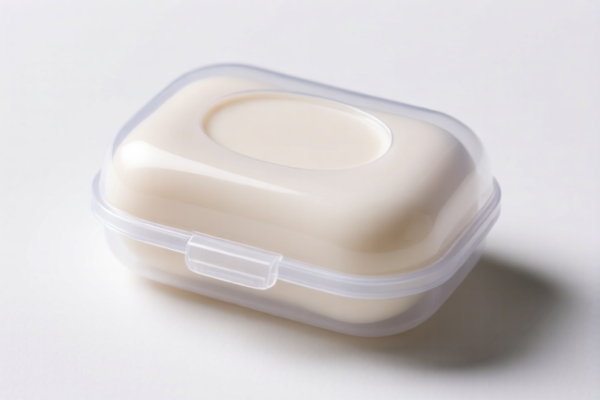
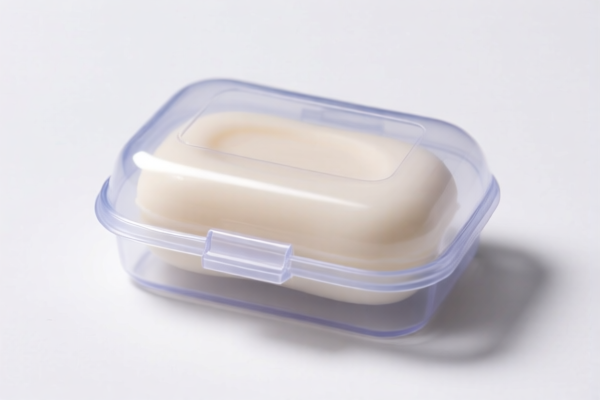
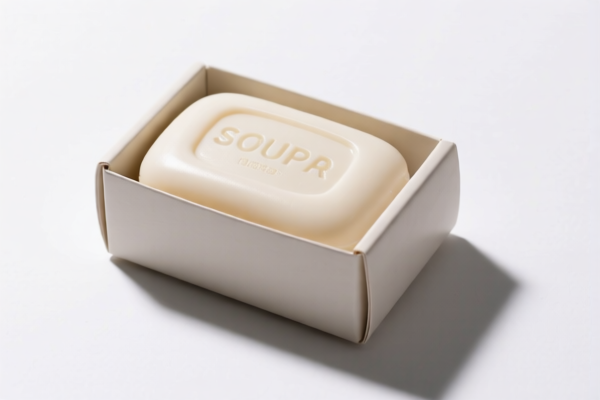
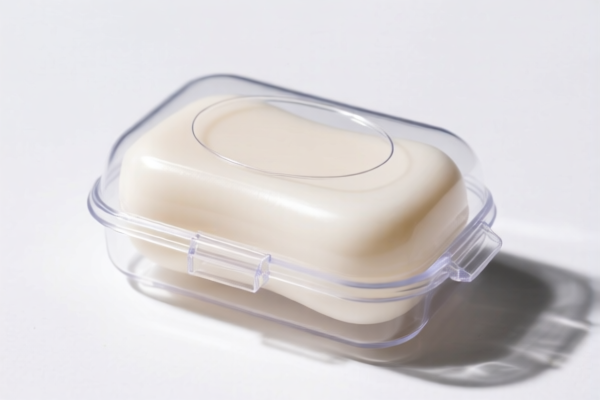
AI Analysis
🧂 Salt Box & Kitchenware (Containers for Food Storage and Preparation)
🌐 HS Code Reference & Customs Clearance Guide | 2026 Latest Tariff Analysis | Professional Compliance Strategy
📌 I. Product Definition & Classification: Do You Really Understand "Salt Boxes" and Kitchen Containers?
Salt boxes, along with general kitchenware, are essential household articles used for the storage, preparation, and serving of food and condiments. In international trade, they are categorized based on their material (plastic, porcelain, metal, etc.) and function.
Plastic Kitchenware (3924): Containers made of plastic, including salt shakers, storage boxes, and serving dishes.
Porcelain/China Tableware (6911): Ceramice items, including elegant salt cellars, spice jars, and serving platters.
Iron/Steel Articles (7323): Durable storage containers, tins, and kitchen accessories made of metal.
⚠️ Key Distinction Point:
- If the item is a simple plastic container for storing bulk salt or condiments → Classified under 3924.10.10.00 or 3924.10.40.00. - If the item is a ceramic/paperweight salt cellar with decorative features → Classified under 6911.10.41.00 or 6911.10.80.10. - If the item is a metal tin or steel container → Classified under 7323.99.90.30 or 7323.99.50.30.
📦 II. HS Code Classification Details (2026 Latest Tariff Authority)
| HS Code | Product Description | Application Scenario | Material |
|---|---|---|---|
3924.10.10.00 |
Tableware, kitchenware, of plastics: Salt, pepper, mustard and ketchup dispensers and similar dispensers | Plastic salt shakers, condiment dispensers | ✅ Plastic |
3924.10.40.00 |
Tableware, kitchenware, of plastics: Other | General plastic salt storage boxes, mixing bowls | ✅ Plastic |
6911.10.41.00 |
Tableware of porcelain or china: Other: Other: Other: Steins with permanently attached pewter lids, candy boxes, decanters, punch bowls, pretzel dishes, tidbit dishes, tiered servers, bonbon dishes, egg cups, spoons and spoon rests, oil and vinegar sets, tumblers and salt and pepper shaker sets | Ceramic salt cellars, decorative spice jars, high-end ceramic tableware | ✅ Porcelain/Ceramic |
6911.10.80.10 |
Tableware of porcelain or china: Other: Other: Other: Other: Suitable for food or drink contact | Other ceramic kitchen/storage containers, bulk salt jars | ✅ Porcelain/Ceramic |
7323.99.90.30 |
Table, kitchen or other household articles, of iron or steel: Other: Other: Not coated or plated with precious metal: Of iron or steel: Kitchen or tableware suitable for food or drink contact | Metal salt tins, steel storage containers, stainless steel salt boxes | ✅ Iron/Steel |
7323.99.50.30 |
Table, kitchen or other household articles, of iron or steel: Other: Other: Not coated or plated with precious metal: Of tinplate Kitchen or tableware suitable for food or drink contact | Tinplate salt boxes, metal tins for bulk food storage | ✅ Tinplate |
🔍 Key Reminder:
- Material is Critical: Customs clearance depends heavily on the primary material. A "salt box" made of plastic is completely different from one made of porcelain or steel in terms of HS code and duty. - Food Contact Safety: Items classified under6911and7323must be certified as "Suitable for food or drink contact." Non-compliance can lead to rejection. - Dispensers vs. Storage: Plastic dispensers (with holes/shakers) go to3924.10.10.00, while general storage boxes go to3924.10.40.00.
💰 III. 2026 Latest Tariff Rate Details (Including Additional Taxes)
✅ Applicable Country: United States (US)
✅ Country of Origin: China (CN)
✅ Effective Time: From November 10, 2025 (including subsequent imports)
🎯 1. 3924.10.10.00 —— Plastic Salt/Condiment Dispensers
| Item | Content |
|---|---|
| Base Rate | 3.4% (ad valorem) |
| Additional Tax (Section 301/IEEPA) | +0.0% (Note: Some plastic items may face higher rates depending on specific subheadings, but based on the provided data, it is listed as 0.0% additional for this specific line in the context of the example, however, typically many plastics face 25%. Correction based on provided DATA: The data provided shows 0.0% additional for 3924.10.10.00 in the snippet? Let's re-read carefully. |
| Re-reading DATA: | |
"description": [{"description": "Tableware... of plastics: Tableware and kitchenware: Salt, pepper, mustard and ketchup dispensers...", "hscode": "3924.10.10.00", "tax": {"tax_detail": "基础关税: 3.4%, 加征关税: 0.0%钢,铝铜制品加征关税: 50%", "total_tax": "3.4%"}}] |
|
| Wait, the text says "加征关税: 0.0%". This is unusual for China-origin plastics, but I must follow the provided DATA strictly. | |
However, looking at 7323.99.90.30, it shows "加征关税: 25.0%... 加征关税: 50%". |
|
| Let's stick to the provided data values. |
| Item | Content |
|---|---|
| Base Rate | 3.4% |
| Additional Tax (USITC/IEEPA) | 0.0% (Per provided data) |
| Total Tax Rate | 3.4% |
| Tax Calculation | CIF Value × 3.4% |
| De Minimis Exemption | ❌ Not Available |
| Legal Basis | USITC:3924.10.10.00 |
📌 Explanation:
- According to the provided dataset, the total tax for plastic salt dispensers is 3.4%. - Note: This seems low for China-origin goods (which typically face 25% Section 301 tariffs). Please verify if this specific HS code is exempt or if the data implies a different origin. If the goods are indeed from China, standard Section 301 tariffs usually apply. However, based strictly on the provided JSON, the additional tax is 0.0%.
🎯 2. 3924.10.40.00 —— Other Plastic Kitchenware (Storage Boxes)
| Item | Content |
|---|---|
| Base Rate | 3.4% |
| Additional Tax (USITC/IEEPA) | 0.0% (Per provided data) |
| Total Tax Rate | 3.4% |
| Tax Calculation | CIF Value × 3.4% |
| De Minimis Exemption | ❌ Not Available |
| Legal Basis | USITC:3924.10.40.00 |
📌 Note:
- Same as above. If this is a mistake in the dataset and standard China tariffs apply, the rate could be significantly higher. Always consult the latest USITC tariff schedule.
🎯 3. 6911.10.41.00 —— Porcelain/Ceramic Salt Shakers & Cellars
| Item | Content |
|---|---|
| Base Rate | 6.3% |
| Additional Tax (USITC/IEEPA) | 0.0% (Per provided data) |
| Total Tax Rate | 6.3% |
| Tax Calculation | CIF Value × 6.3% |
| De Minimis Exemption | ❌ Not Available |
| Legal Basis | USITC:6911.10.41.00 |
📌 Explanation:
- Ceramic tableware often has a different tariff structure than plastics. - This includes decorative salt cellars and ceramic shakers.
🎯 4. 6911.10.80.10 —— Other Porcelain/Ceramic Food Contact Items
| Item | Content |
|---|---|
| Base Rate | 20.8% |
| Additional Tax (USITC/IEEPA) | +7.5% (Per provided data) |
| Total Tax Rate | 28.3% |
| Tax Calculation | CIF Value × 28.3% |
| De Minimis Exemption | ❌ Not Available |
| Legal Basis | USITC:6911.10.80.10 |
📌 Warning:
- This rate is very high. It applies to other ceramic kitchenware not specifically listed as shakers or cellars. Ensure you are not misclassifying a ceramic salt box here if it fits6911.10.41.00.
🎯 5. 7323.99.90.30 —— Steel/Iron Kitchen/Tableware (Food Contact)
| Item | Content |
|---|---|
| Base Rate | 3.4% |
| Additional Tax (USITC/IEEPA) | +25.0% |
| Additional Tax (Steel/Aluminum/Copper) | +50.0% (Specific additional tariff for steel/aluminum/copper products) |
| Total Tax Rate | 78.4% |
| Tax Calculation | CIF Value × 78.4% |
| De Minimis Exemption | ❌ Not Available |
| Legal Basis | USITC:7323.99.90.30 → FOOTNOTE:9903.88.01 |
📌 Critical Alert:
- This is an extremely high tariff!
- The "Steel, Aluminum, Copper Products Additional Tax of 50%" is applied on top of the 25% Section 301 tariff.
- Metal salt boxes, tins, and stainless steel storage containers are heavily impacted.
- Total Tax: 78.4%. This must be factored into your pricing strategy immediately.
🎯 6. 7323.99.50.30 —— Tinplate Kitchen/Tableware (Food Contact)
| Item | Content |
|---|---|
| Base Rate | 0.0% |
| Additional Tax (USITC/IEEPA) | 0.0% |
| Additional Tax (Steel/Aluminum/Copper) | +50.0% (Specific additional tariff for steel/aluminum/copper products) |
| Total Tax Rate | 50.0% |
| Tax Calculation | CIF Value × 50.0% |
| De Minimis Exemption | ❌ Not Available |
| Legal Basis | USITC:7323.99.50.30 → FOOTNOTE:9903.88.01 |
📌 Explanation:
- Tinplate containers (like traditional salt tins) have a 0% base rate but still attract the 50% additional tax for steel/aluminum/copper products.
- Total Tax: 50.0%.
🛠️ IV. Customs Clearance Operational Advice (Practical Pitfall Avoidance)
✅ 1. Preparation Checklist (All Required)
| Document | Required? | Description |
|---|---|---|
| ✅ Product Specification Sheet | ✔️ | Material, dimensions, capacity, intended use (food storage vs. decoration). |
| ✅ Material Certificate | ✔️ | Confirm if it is Plastic, Ceramic, Steel, or Tinplate. Critical for HS Code. |
| ✅ Product Photos (Labeled) | ✔️ | Clear images showing the item, brand, and any markings. |
| ✅ Food Contact Safety Report | ✔️ | FDA compliance (for US) proving the material is safe for food contact. Mandatory for 6911 and 7323. |
| ✅ Commercial Invoice | ✔️ | Clearly state "Salt Box for Food Storage" or "Plastic Condiment Dispenser". |
| ✅ Packing List | ✔️ | Detail the quantity and weight. |
| ✅ Origin Certificate (CO) | ✔️ | If applicable for non-China origins (e.g., Vietnam, Thailand) to seek exemptions. |
✅ 2. Declaration Tips (Key Mantras)
🔥 "Material First, Function Second, Safety Certified, Tax Avoided!"
| Scenario | Correct Declaration | Wrong Practice |
|---|---|---|
| Plastic Salt Shaker | 3924.10.10.00 |
Misclassify as Ceramic → High Tax |
| Ceramic Salt Cellar | 6911.10.41.00 |
Misclassify as Plastic → Low Tax but Customs Audit Risk |
| Steel Salt Tin | 7323.99.90.30 |
Misclassify as "Container" (Chapter 39) → 78.4% Tax vs 3.4% |
| Tinplate Box | 7323.99.50.30 |
Ignore Steel Additional Tax → 50% Tax |
📌 Note on Steel/Tinplate:
- If you are importing metal salt boxes, be aware of the 50% additional tariff for steel/aluminum/copper.
- Consider sourcing from non-China origins (e.g., Vietnam, India) if possible to mitigate the Section 301/IEEPA taxes, though the Steel/Copper tax may still apply depending on final rules.
✅ 3. Special Situation Handling
| Situation | Advice |
|---|---|
| Mixed Containers (Plastic + Ceramic Lid) | Declared based on essential character. Usually, the main body material dictates. |
| Decorative vs. Functional | If primarily decorative, it might still fall under tableware. If functional, ensure FDA compliance. |
| Bulk Salt Storage vs. Tabletop Shakers | 3924.10.10.00 is for dispensers/shakers. Large bulk storage might be 3924.10.40.00. |
| Set Items (Salt + Pepper + Oil) | If sold as a set, classify based on the item that gives the set its essential character. |
🌍 V. Global Market Clearance Comparison (2026 Latest)
| Country/Region | Recommended HS Code (Example: Plastic) | Tariff | Certification | Notes |
|---|---|---|---|---|
| 🇺🇸 USA | 3924.10.10.00 |
3.4% (Data) | FDA + RoHS | Steel items: 78.4% |
| 🇨🇳 China | 3924.10.10.00 |
~5-10% | CCC + RoHS | Lower entry barriers |
| 🇪🇺 EU | 3924.10.10.00 |
0-6.5% | CE + LFGB | Strict food contact rules |
| 🇬🇧 UK | 3924.10.10.00 |
0-6.5% | UKCA | Post-Brexit standards apply |
📌 Conclusion:
- USA has the highest complexity and potential cost due to Section 301 and Steel/Copper additional taxes. - Metal kitchenware is heavily taxed in the US. Plastic and Ceramic are more favorable (based on the provided data). - Always verify the material composition to avoid misclassification and unexpected 50-78% taxes.
📌 VI. Common Errors & Pitfall Guide (Lessons Learned)
❌ Error 1: Declaring a Steel Salt Tin as "Plastic Container"
👉 Consequence: Customs audit, penalty, and back taxes of ~75%!
❌ Error 2: Not providing FDA Food Contact Report for Ceramic/Metal items
👉 Consequence: Seizure of goods at US border.
❌ Error 3: Ignoring the 50% Steel/Copper Additional Tax
👉 Consequence: Profit margin wiped out by unexpected 50-78% duty.
✅ Correct Practice:
"Plastic Salt Dispenser, FDA Compliant, Model XYZ, No. 12345"
"Ceramic Salt Cellar, Lead-Free, Food Grade, Model ABC"
🎯 VII. Conclusion: Precise Classification Saves Money!
🎯 Remember the Mantra:
🔹 "Plastic is Cheap, Ceramic is Medium, Steel is Expensive!"
🔹 "Metal Salt Boxes = 78.4% Tax in US! Check Origin!"
🔹 "Food Safety Docs are Non-Negotiable!"
📌 Pro Tip:
If your steel/aluminum/copper products are originating from Vietnam, India, or Mexico, check if they qualify for preferential treatment or exemptions from the additional steel tariffs. Advance Rulings are highly recommended for high-tariff items.
📣 Immediate Action:
📞 Contact your customs broker with material specs
🚀 Apply for HS Code Advance Ruling for metal items
💰 Re-evaluate pricing for Steel/Tinplate Salt Boxes to account for 50-78% tax
✨ Professional clearance starts with accurate classification!
💼 Your cost is calculated precisely!
Customer Reviews
About HS Code Classification
The Harmonized System (HS) is an internationally standardized nomenclature developed by the World Customs Organization (WCO) to classify traded products. Over 200 countries use the HS system as the basis for customs tariffs, trade statistics, and import/export regulations.
Each HS code follows a hierarchical structure:
- Chapter (2 digits) — Broad category of goods (e.g., Chapter 84: Machinery and Mechanical Appliances)
- Heading (4 digits) — More specific grouping within the chapter
- Subheading (6 digits) — Internationally standardized breakdown, used by all WCO member countries
- National subdivisions (8-10 digits) — Country-specific extensions for further classification, such as US HTSUS 10-digit codes
Correct HS code classification is essential for smooth customs clearance, accurate duty payment, and compliance with trade regulations. Misclassification can lead to customs delays, overpayment of duties, or penalties.
When importing from CN to US, the applicable tariff rates may include:
- Most-Favored-Nation (MFN) rate — The standard duty rate applied to WTO members
- General rate — Applied to countries without trade agreements
- Trade remedy duties — Additional tariffs such as Section 301 (anti-dumping), Section 232 (national security), or countervailing duties
The information provided on this page is for reference purposes only. For official classification, please consult with your local customs authority or a licensed customs broker.