sandpaper pen
CN → US| HS Code | Tariff Rate | Origin | Destination | Doc |
|---|---|---|---|---|
| 6805200000 | 35.0% | CN | US | Official Doc |
| 6805100000 | 35.0% | CN | US | Official Doc |
| 4016996050 | 37.5% | CN | US | Official Doc |
| 4016993550 | 35.0% | CN | US | Official Doc |
| 6805200000 | 35.0% | CN | US | Official Doc |
Product Images
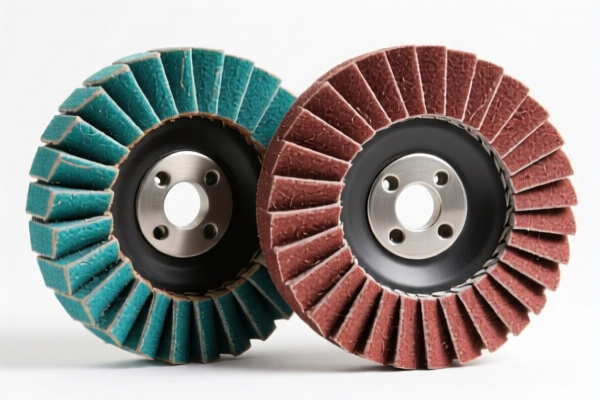
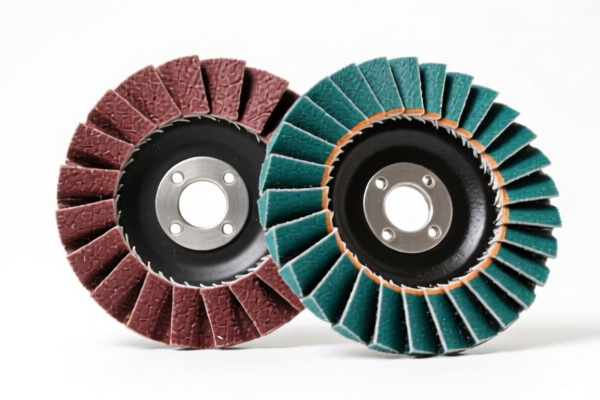
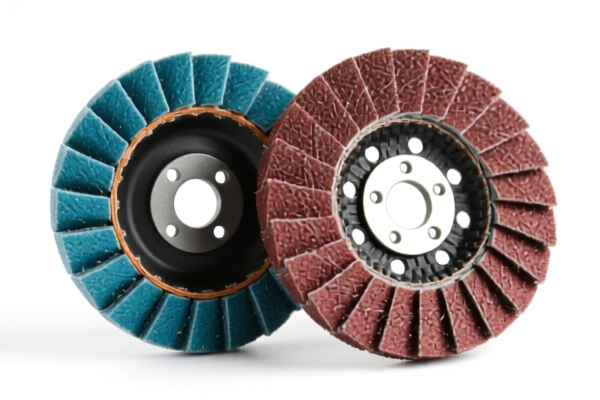
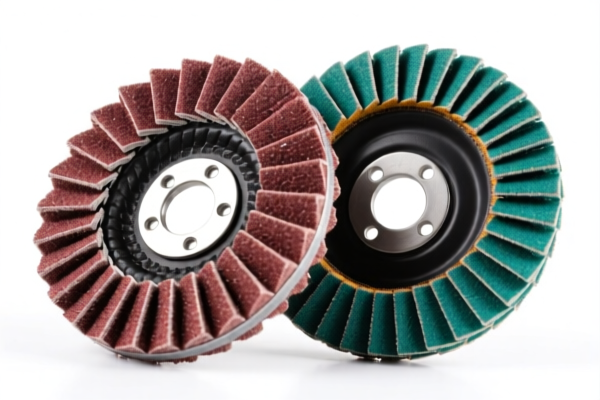
AI Analysis
✏️ Sandpaper Pen (Abrasive Paper Pen / Sanding Stick Pen)
🌐 HS Code Reference & Customs Clearance Guide | 2026 Latest Tariff Analysis | Professional Clearance Strategy
📌 One Product, Four Classification Paths: Why Does the Same Sandpaper Pen Have Different Tax Rates?
A Sandpaper Pen is a specialized handheld tool designed for precision sanding, deburring, or polishing in tight spaces. Structurally, it consists of a backing material (usually paper, cloth, or rubber) with abrasive particles (sand/grit) adhered to its surface.
In international trade, the classification depends heavily on the nature of the backing material and the manufacturing process. The same physical product can fall under different HS Codes depending on whether it is viewed primarily as a "paper-based abrasive" or a "rubber-based tool."
⚠️ Key Distinction Point:
- If the backing is predominantly Paper/Cardboard → It falls under Chapter 68 (Articles of Stone, Plaster, Cement, etc.), specifically heading 6805.
- If the backing contains significant Rubber or is classified as a general "Other Abrasive Tool" not elsewhere specified → It may fall under Chapter 40 (Rubber and Articles Thereof), specifically heading 4016.
📦 HS Code Classification Details (Based on Provided Data)
| HS Code | Product Description | Key Classification Logic | Tax Implication |
|---|---|---|---|
6805.20.00.00 |
Abrasive Paper & Pads | Sandpaper/pads where the substrate is clearly Paper or Cardboard. The core feature is the abrasive powder/grit attached to this paper base. | 35.0% Total Tax |
6805.10.00.00 |
Abrasive Paper (General) | Sandpaper belonging to grinding products where the base is Paper or Textile Material, with abrasive grains coated onto the base. | 35.0% Total Tax |
4016.99.60.50 |
Other Abrasive Tools (Non-Sulfurized Rubber) | Sandpaper classified as an "abrasive tool" made of backing material that does not fit the specific "sulfurized rubber" exclusion, categorized under other miscellaneous abrasive articles. | 37.5% Total Tax |
4016.99.35.50 |
Other Rubber-Based Articles (Catch-All) | Sandpaper backing/structure often contains Rubber-based adhesives or binders. Fits the "catch-all" logic for other rubber-related articles not specifically enumerated elsewhere. | 35.0% Total Tax |
🔍 Critical Note:
- The difference between6805and4016often hinges on the dominant material of the backing or the specific tariff rulings in the destination country.
-6805items generally have 0% Base Tariff, while4016.99.60.50has a 2.5% Base Tariff.
💰 2026 Latest Tariff Rate Breakdown (Including Surtaxes & Policy Add-ons)
✅ Applicable Country: United States (US)
✅ Origin: China (CN)
✅ Effective Date: Post-2025 (Current Trade War Context)
🎯 1. Category A: Paper-Based Abrasives (6805.20.00.00 & 6805.10.00.00)
These codes classify the sandpaper pen primarily as a paper-based abrasive product.
| Item | Details |
|---|---|
| Base Tariff | 0.0% (ad valorem) |
| Section 301 Surtax | +25.0% (Add-on Tariff) |
| Section 122 Tariff | +10.0% (Specific Trade Action) |
| Total Tax Rate | 35.0% |
| Calculation Base | CIF Value × 35% |
| De Minimis Eligibility | ❌ Not Applicable (High duty rates usually trigger stricter scrutiny; check specific carrier policies, but generally not eligible for $800 exemption if duties are high). |
| Legal Basis Path | USITC:6805.20.00.00 → Section 301 Footnote → Section 122 Authority |
📌 Explanation:
- Although the base tariff is 0%, the heavy add-ons bring the effective rate to 35%.
- This is the most common classification for standard paper-backed sanding sticks/pen.
🎯 2. Category B: Rubber-Backed / Other Abrasive Tools (4016.99.60.50)
This code classifies the item as a rubber or miscellaneous abrasive article.
| Item | Details |
|---|---|
| Base Tariff | 2.5% (ad valorem) |
| Section 301 Surtax | +25.0% (Add-on Tariff) |
| Section 122 Tariff | +10.0% (Specific Trade Action) |
| Total Tax Rate | 37.5% |
| Calculation Base | CIF Value × 37.5% |
| De Minimis Eligibility | ❌ Not Applicable |
| Legal Basis Path | USITC:4016.99.60.50 → Section 301 Footnote → Section 122 Authority |
📌 Explanation:
- This is the highest tax burden among the provided options due to the 2.5% base tariff added to the 35% surcharges.
- Likely applies if the pen uses a significant rubber component or is marketed specifically as a "rubber tool" rather than "abrasive paper."
🎯 3. Category C: Rubber-Adhesive Based (4016.99.35.50)
This code is a "catch-all" for articles where rubber adhesives are present.
| Item | Details |
|---|---|
| Base Tariff | 0.0% (ad valorem) |
| Section 301 Surtax | +25.0% (Add-on Tariff) |
| Section 122 Tariff | +10.0% (Specific Trade Action) |
| Total Tax Rate | 35.0% |
| Calculation Base | CIF Value × 35% |
| De Minimis Eligibility | ❌ Not Applicable |
| Legal Basis Path | USITC:4016.99.35.50 → Section 301 Footnote → Section 122 Authority |
📌 Explanation:
- Despite containing rubber adhesives, if the base tariff is ruled at 0%, the total remains 35%, same as the paper-based options.
- Risk: If customs argues the rubber content is substantial enough to shift it to4016.99.60.50, the rate jumps to 37.5%.
🛠️ Customs Clearance Practical Advice (Real-World Pitfall Guide)
✅ 1. Documentation Checklist (Non-Negotiable)
| Document | Required | Notes |
|---|---|---|
| ✅ Product Specification Sheet | ✔️ | Must detail: Base material (Paper vs. Rubber), Grit size, Adhesive type. |
| ✅ Product Photos (Clear) | ✔️ | Show the pen structure: Is the backing paper-like or rubber-like? |
| ✅ Commercial Invoice | ✔️ | Describe accurately: "Sandpaper Pen, Paper Backed, 120 Grit" vs. "Rubber Abrasive Stick". Mislabeling leads to audits. |
| ✅ Bill of Lading / Packing List | ✔️ | Ensure weight and dimensions match the HS Code classification. |
| ✅ Origin Certificate | ✔️ | Proof of Chinese origin is mandatory for surtax calculation. |
✅ 2. Classification Strategy (Crucial Tips)
🔥 “Base Material Matters: Paper Wins on Base, Rubber Rises on Base.”
| Scenario | Recommended HS Code | Why? | Risk Level |
|---|---|---|---|
| Standard Sandpaper Pen (Paper backing, standard glue) | 6805.20.00.00 |
Clearly fits "Abrasive paper on paper base." 0% Base Tariff. | ✅ Low |
| Sandpaper Pen (Cloth/Textile backing) | 6805.10.00.00 |
Fits "Abrasive on textile base." 0% Base Tariff. | ✅ Low |
| Heavy-Duty Pen (Significant rubber body) | 4016.99.60.50 |
Classified as "Other abrasive tool" or rubber article. 2.5% Base Tariff. | ⚠️ Medium (Higher Tax) |
| Pen with Rubber Adhesive Only | 4016.99.35.50 |
Fallback category. 0% Base Tariff, but risky if customs doubts the "rubber content." | ⚠️ Medium (Audit Risk) |
📌 Pro Tip:
- If the product is 90% paper and 10% adhesive/glue, fight for6805. The 0% base rate is safer and clearer.
- Do NOT use4016.99.60.50unless the rubber content is undeniable and substantial, as it incurs an extra 2.5% on top of the 35% surcharges.
✅ 3. Special Handling for Sandpaper Pens
| Situation | Action |
|---|---|
| Mixed Packaging (Pen + Box) | Declare the Pen as the principal item. Do not split the box weight unless necessary. |
| Bulk Shipments | Ensure each pen is individually wrapped if required to prevent dust contamination, which may trigger additional sanitation checks. |
| Brand Name | Include the brand name on the invoice. Some brands may have specific tariff rulings (though rare for consumables). |
🌍 Global Market Comparison (2026 Context)
| Region | Likely HS Code | Total Effective Duty (China Origin) | Remarks |
|---|---|---|---|
| 🇺🇸 USA | 6805.20.00.00 or 4016.99.60.50 |
35% or 37.5% | High impact from Section 301 + 122. |
| 🇨🇳 China | 6805.20.00.00 |
~5-8% | Low duty, no surcharges. |
| 🇪🇺 EU | 6805.10.00 / 6805.20.00 |
0-4% | No Section 301/122 equivalents. |
| 🇬🇧 UK | 6805.20.00 |
0-4% | Post-Brexit tariffs generally lower than US. |
📌 Conclusion:
- The USA is the most expensive market for Sandpaper Pens due to Section 301 and 122 tariffs.
- European and Asian markets are significantly more cost-effective.
📌 Common Errors & Pitfalls (Lessons Learned)
❌ Error 1: Declaring a Rubber-Backed pen as 6805.20.00.00
👉 Consequence: Customs may reclassify it to 4016.99.60.50, charging 37.5% instead of 35%. Plus, potential penalties for misdeclaration.
❌ Error 2: Ignoring the 122 Tariff in cost calculations
👉 Consequence: Budgeting only for 25% (Section 301) leaves a 10% hole in your profit margin.
❌ Error 3: Using vague descriptions like "Sanding Tool"
👉 Consequence: Customs officers will use their judgment, likely assigning the highest probable duty rate or holding the shipment for further inspection.
✅ Correct Declaration Example:
"Sandpaper Pen, Handheld Abrasive Tool, Paper Backing, Silica Grit, Model XYZ, Origin China"
🎯 Final Conclusion: Professional Declaration, Maximize Savings!
🎯 Remember the Golden Rule:
🔹 "Paper Base = 0% Base Tariff (35% Total)"
🔹 "Rubber Base = 2.5% Base Tariff (37.5% Total)"
🔹 "Don't Guess, Specify: Material Composition is Key!"
📌 Action Plan:
1. Verify the backing material of your specific Sandpaper Pen.
2. Choose 6805 if it's paper/cloth-backed.
3. Avoid 4016.99.60.50 unless necessary.
4. Include all surtaxes (35% or 37.5%) in your pricing model for the US market.
📣 Immediate Action:
📞 Consult a licensed customs broker for a Pre-Ruling if your product contains mixed materials (e.g., rubber handle + paper sanding tip).
🚀 Precision in Classification = Profit in Your Pocket!
✨ Smart Clearing Starts with the Right HS Code!
💼 Every 0.5% Counts – Don't Leave Money on the Table!
Customer Reviews
About HS Code Classification
The Harmonized System (HS) is an internationally standardized nomenclature developed by the World Customs Organization (WCO) to classify traded products. Over 200 countries use the HS system as the basis for customs tariffs, trade statistics, and import/export regulations.
Each HS code follows a hierarchical structure:
- Chapter (2 digits) — Broad category of goods (e.g., Chapter 84: Machinery and Mechanical Appliances)
- Heading (4 digits) — More specific grouping within the chapter
- Subheading (6 digits) — Internationally standardized breakdown, used by all WCO member countries
- National subdivisions (8-10 digits) — Country-specific extensions for further classification, such as US HTSUS 10-digit codes
Correct HS code classification is essential for smooth customs clearance, accurate duty payment, and compliance with trade regulations. Misclassification can lead to customs delays, overpayment of duties, or penalties.
When importing from CN to US, the applicable tariff rates may include:
- Most-Favored-Nation (MFN) rate — The standard duty rate applied to WTO members
- General rate — Applied to countries without trade agreements
- Trade remedy duties — Additional tariffs such as Section 301 (anti-dumping), Section 232 (national security), or countervailing duties
The information provided on this page is for reference purposes only. For official classification, please consult with your local customs authority or a licensed customs broker.