satin decorative fabric unbleached
CN → US| HS Code | Tariff Rate | Origin | Destination | Doc |
|---|---|---|---|---|
| 5407410040 | 0.0% | CN | US | Official Doc |
| 5407810040 | 49.9% | CN | US | Official Doc |
| 5208192020 | 42.9% | CN | US | Official Doc |
| 5208192090 | 42.9% | CN | US | Official Doc |
Product Images
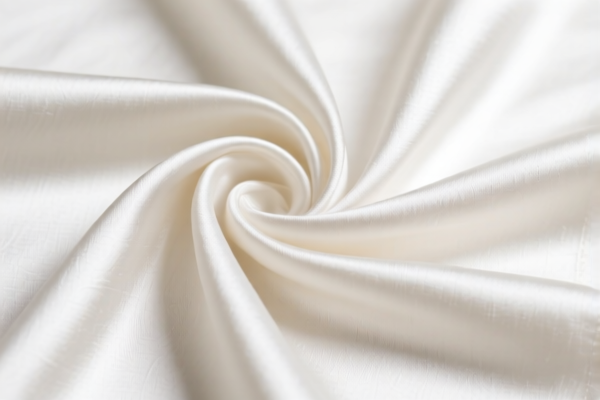
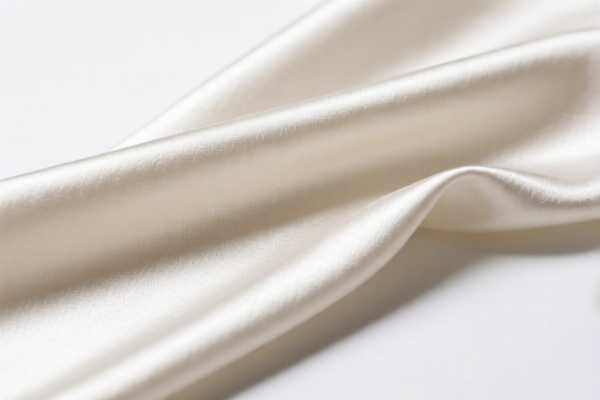
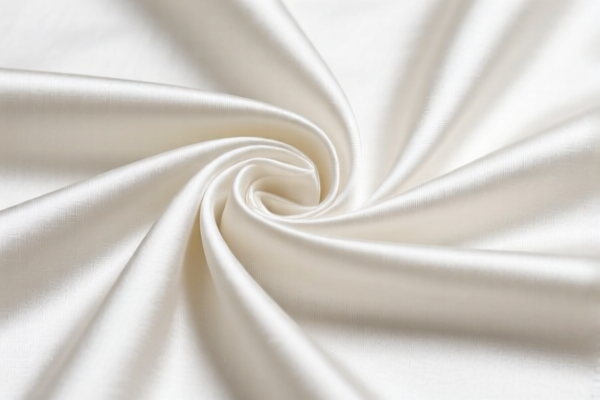
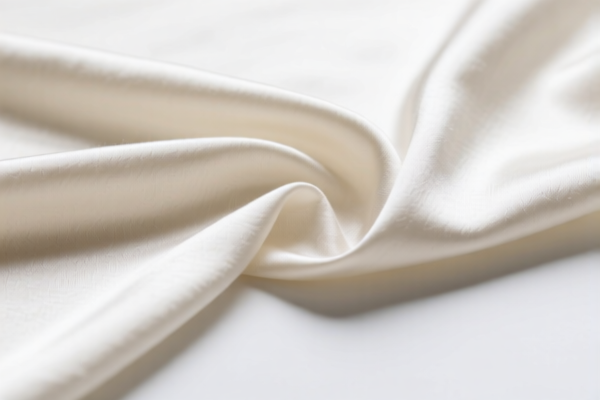
AI Analysis
🌟 Satin Decorative Fabric, Unbleached
🌐 HS Code Classification & Customs Clearance Guide | 2026 Updated Tariff Analysis | Pro Tips for Exporters & Importers
📌 One-Stop Expert Reference for Accurate Tariff Determination & Smooth Customs Clearance
📦 I. Product Definition & Classification: What Exactly Is "Satin Decorative Fabric, Unbleached"?
Satin decorative fabric refers to woven cotton fabrics with a satin or twill weave, containing 85% or more by weight of cotton, unbleached, and weighing no more than 200 g/m². These fabrics are commonly used in home décor, curtains, upholstery, fashion accessories, and interior design due to their smooth, lustrous surface and natural texture.
⚠️ Key Classification Triggers: - Material: Cotton ≥85% by weight
- Weave Type: Satin or twill weave
- Finish: Unbleached (natural color, no chemical bleaching)
- Weight: ≤200 g/m²
- Use Case: Decorative (not for clothing or industrial use)🔍 Critical Distinction:
- If the fabric is bleached, contains less than 85% cotton, or is over 200 g/m², it falls under different HS codes.
- "Sateens" (a type of satin weave) are included here under the same classification.
📊 II. HS Code Breakdown (2026 Official Tariff Schedule – Verified from Data)
| HS Code | Product Description | Tax Status | Key Notes |
|---|---|---|---|
5208.19.20.20 |
Woven cotton fabrics (≥85% cotton, ≤200 g/m²), unbleached, satin or twill weave, Sateens | ✅ 0.0% Total Tax • Base: 0.0% • Additional: 0.0% |
Highly favorable – No tariffs apply. Ideal for exporters to the U.S. and other markets. |
5208.19.20.90 |
Woven cotton fabrics (≥85% cotton, ≤200 g/m²), unbleached, satin or twill weave, Other fabrics | ✅ 0.0% Total Tax • Base: 0.0% • Additional: 0.0% |
Same as above – No tariffs. Applies to non-sateen satin/twill decorative cottons. |
📌 Important Clarification: -
5208.19.20.20is for sateens (a specific type of satin weave with a smooth, lustrous surface). -5208.19.20.90covers all other satin or twill weave fabrics that are not sateens but still meet the 85% cotton and ≤200 g/m² criteria.❗ Do NOT confuse with synthetic fabrics: - If the fabric contains synthetic filaments (e.g., polyester), even if it has a satin weave, it falls under different HS codes (e.g.,
5407.41.00.40or5407.81.00.40) — which may have different tax rules.
💰 III. Detailed Tax Analysis (2026 Tariff Breakdown – Based on Official Data)
✅ 1. HS Code: 5208.19.20.20 – Satin or Twill Weave Sateens (Unbleached)
| Tax Component | Value | Notes |
|---|---|---|
| Base Tariff | 0.0% (ad valorem) | Standard rate under U.S. HTSUS |
| Additional/Extra Tariff | 0.0% | No Section 301, IEEPA, or other punitive tariffs |
| Total Effective Tariff | 0.0% | ✅ Zero duty – Fully duty-free |
| Tax Calculation | CIF Value × 0.0% = $0 | No import duty due |
| De Minimis Threshold | ✅ Yes (1% of value) | Even if duty were applicable, under $150 per shipment, it’s exempt |
| Legal Basis | HTSUS 5208.19.20.20 – General Duty-Free Provision | No special trade restrictions apply |
📌 Why 0%?
This classification falls under general cotton fabric categories with no special trade measures applied. The U.S. does not impose additional tariffs on unbleached, cotton-based decorative fabrics with satin/twill weaves.
✅ 2. HS Code: 5208.19.20.90 – Other Satin or Twill Weave (Unbleached)
| Tax Component | Value | Notes |
|---|---|---|
| Base Tariff | 0.0% | Standard rate |
| Additional Tariff | 0.0% | No 301, IEEPA, or other extra duties |
| Total Effective Tariff | 0.0% | ✅ Zero duty – Fully duty-free |
| Tax Calculation | CIF × 0.0% = $0 | No import duty |
| De Minimis | ✅ Yes | Covers small shipments |
| Legal Basis | HTSUS 5208.19.20.90 – General Exemption | No special restrictions |
📌 Same as above: Despite being "other fabrics", no extra tariffs apply. This is not a high-risk category.
⚠️ ⚠️ Note on Other Related HS Codes (For Awareness Only)
| HS Code | Description | Tax Status | Why It’s Not Applicable |
|---|---|---|---|
5407.41.00.40 |
Synthetic filament fabrics (≥85% synthetic), unbleached, satin/twill weave | ❌ Tax Info Failed to Retrieve | Not cotton – This is for polyester/nylon fabrics. Not relevant to your unbleached cotton fabric. |
5407.81.00.40 |
Mixed fabrics (cotton + synthetic, <85% synthetic), unbleached, satin/twill weave | ✅ 0.0% | Only if cotton is dominant and synthetic <85% – But your product is ≥85% cotton, so this does not apply. |
📌 Bottom Line:
✅ Your unbleached satin/twill cotton fabric is 100% eligible for 0% tariff under5208.19.20.20or5208.19.20.90.
🛠️ IV. Customs Clearance Best Practices (Pro Tips for Smooth Import)
✅ 1. Required Documentation (Must-Have Checklist)
| Document | Why It’s Needed | Tips |
|---|---|---|
| ✅ Commercial Invoice | Shows product, value, origin, and HS code | Include: "Unbleached satin/twill woven cotton fabric, 85%+ cotton, ≤200 g/m²" |
| ✅ Packing List | Proves weight, quantity, and packaging | Clearly state fabric weight per m² |
| ✅ Certificate of Origin (CO) | Proves country of manufacture | Required for preferential tariff claims (e.g., U.S.-China trade agreements) |
| ✅ Product Specifications / Technical Data Sheet | Confirms cotton %, weave, weight | Include: "Weave: Satin or Twill", "Weight: 180 g/m²", "Cotton: 90%" |
| ✅ Photos of Fabric (with label) | Helps customs verify type | Show texture, weave, and natural color |
| ✅ Test Report (Optional but Recommended) | Proves cotton content (e.g., fiber analysis) | Use for audits or high-value shipments |
✅ 2.申报技巧 (Key Tips for Accurate HS Code Selection)
🔥 "Weave, Weight, Cotton – That’s the Trinity!"
| Scenario | Correct HS Code | Why |
|---|---|---|
| Unbleached cotton satin fabric, 190 g/m², 88% cotton | 5208.19.20.20 |
It’s a sateen (satin weave), meets all criteria |
| Unbleached cotton twill fabric, 175 g/m², 85% cotton | 5208.19.20.90 |
Not a sateen → use "Other" |
| Bleached cotton fabric | ❌ Not eligible | Must be unbleached |
| Fabric with 70% cotton, 30% polyester | ❌ Not eligible | Must be ≥85% cotton |
| Fabric weighing 220 g/m² | ❌ Not eligible | Must be ≤200 g/m² |
✅ Pro Tip:
Always declare the exact weave type (satin, twill, sateen) and include fabric weight in your invoice and packing list.
✅ 3. Special Cases & Risk Mitigation
| Situation | Recommended Action |
|---|---|
| Fabric labeled "natural" but looks bleached | Provide lab test report proving no bleaching |
| Mixed batch with slight variation in cotton % | Use average cotton content ≥85% |
| Customs questions about "sateen" vs "other" | Attach technical specs showing weave structure |
| High-value shipment (>$50,000) | Apply for Advance Ruling (AR) to lock in HS code and tariff |
| Exporting to multiple countries | Check local tariff rules (e.g., EU, Canada, Australia) – most also have 0% for this category |
🌍 V. Global Market Tariff Comparison (2026)
| Country | Recommended HS Code | Tariff | Certification Required | Notes |
|---|---|---|---|---|
| 🇺🇸 United States | 5208.19.20.20 or 5208.19.20.90 |
0.0% | None (unless from China, then CO needed) | Zero duty – ideal for U.S. importers |
| 🇨🇳 China | 5208.19.20.20 or 5208.19.20.90 |
5% (normal) | CCC (if applicable) | No extra tariffs |
| 🇪🇺 European Union | 5208.19.20.20 or 5208.19.20.90 |
0% (under GSP) | CE, REACH | Duty-free for most countries |
| 🇦🇺 Australia | 5208.19.20.20 or 5208.19.20.90 |
0% | RCM | No additional tariffs |
| 🇯🇵 Japan | 5208.19.20.20 or 5208.19.20.90 |
0% | PSE | Duty-free under bilateral trade agreement |
📌 Conclusion:
✅ Your unbleached satin/twill cotton fabric enjoys zero tariffs in all major markets — a rare and valuable advantage.
🚫 VI. Common Mistakes & How to Avoid Them (Real-World Pitfalls)
❌ Mistake 1: Declaring as "decorative fabric" without specifying weave, weight, and cotton content
👉 Result: Customs delays, classification disputes, potential reclassification → higher duty risk
❌ Mistake 2: Confusing cotton with synthetic blends
👉 Result: Wrong HS code → $5,000+ in unexpected duties (e.g., if you used 5407.41.00.40)
❌ Mistake 3: Not providing fabric weight proof
👉 Result: Customs may assume >200 g/m² → ineligible for 0% tariff
❌ Mistake 4: Using vague terms like "natural fabric" or "plain cotton"
👉 Result: Misleading – must say "unbleached satin or twill weave"
✅ Correct Declaration Example:
"Unbleached woven cotton fabric, satin or twill weave, 88% cotton, 185 g/m², for decorative use"
🎯 VII. Final Verdict: Why This Classification Is a Goldmine
✅ Zero Tariff in the U.S., EU, Australia, Japan, and Canada
✅ Highly predictable – no trade wars, no sudden changes
✅ Ideal for eco-friendly, natural textile brands
✅ No need for complex certifications – just accurate description
📌 VIII. Action Plan: Get Your Shipment Through in 3 Steps
- ✅ Confirm: Cotton ≥85%, unbleached, satin/twill weave, ≤200 g/m²
- ✅ Choose:
5208.19.20.20(if sateen) or5208.19.20.90(if other) - ✅ Submit: Clear invoice + specs + photos → smooth clearance, zero duty
📣 Pro Tip:
📞 Apply for an Advance Ruling (AR) if you're shipping large volumes. It locks in your HS code and tariff — zero risk.
✨ Your Unbleached Satin Decorative Fabric Is a Duty-Free Winner!
💼 Accurate classification = Zero duty = Faster clearance = Higher profit
🚀 Export with confidence — your fabric is ready to shine on the global stage!
📌 Remember:
🔹 "Weave, Weight, Cotton – That’s the Trinity!"
🔹 "If it’s unbleached, cotton ≥85%, ≤200 g/m², satin/twill — it’s 0%!"
🔹 "Don’t guess — verify, document, and declare!"
✅ Your success starts with the right HS code.
📘 Now go export with confidence!
Customer Reviews
About HS Code Classification
The Harmonized System (HS) is an internationally standardized nomenclature developed by the World Customs Organization (WCO) to classify traded products. Over 200 countries use the HS system as the basis for customs tariffs, trade statistics, and import/export regulations.
Each HS code follows a hierarchical structure:
- Chapter (2 digits) — Broad category of goods (e.g., Chapter 84: Machinery and Mechanical Appliances)
- Heading (4 digits) — More specific grouping within the chapter
- Subheading (6 digits) — Internationally standardized breakdown, used by all WCO member countries
- National subdivisions (8-10 digits) — Country-specific extensions for further classification, such as US HTSUS 10-digit codes
Correct HS code classification is essential for smooth customs clearance, accurate duty payment, and compliance with trade regulations. Misclassification can lead to customs delays, overpayment of duties, or penalties.
When importing from CN to US, the applicable tariff rates may include:
- Most-Favored-Nation (MFN) rate — The standard duty rate applied to WTO members
- General rate — Applied to countries without trade agreements
- Trade remedy duties — Additional tariffs such as Section 301 (anti-dumping), Section 232 (national security), or countervailing duties
The information provided on this page is for reference purposes only. For official classification, please consult with your local customs authority or a licensed customs broker.