satin fabric for lining
CN → US| HS Code | Tariff Rate | Origin | Destination | Doc |
|---|---|---|---|---|
| 5111117060 | 60.0% | CN | US | Official Doc |
| 5111196060 | 60.0% | CN | US | Official Doc |
| 5208112040 | 42.0% | CN | US | Official Doc |
| 5407912090 | 49.9% | CN | US | Official Doc |
| 5408210030 | 49.9% | CN | US | Official Doc |
Product Images
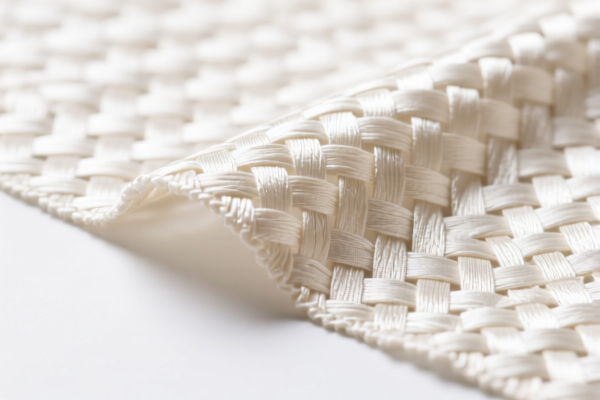
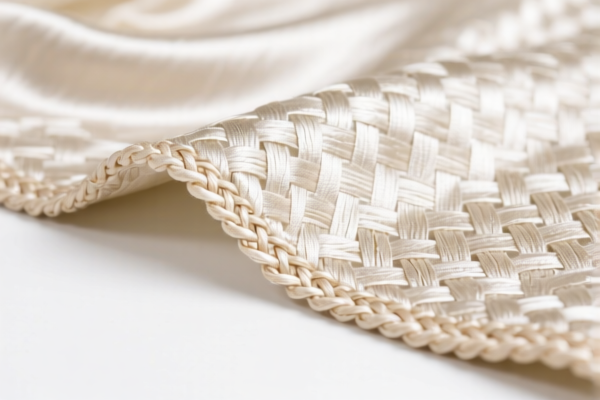
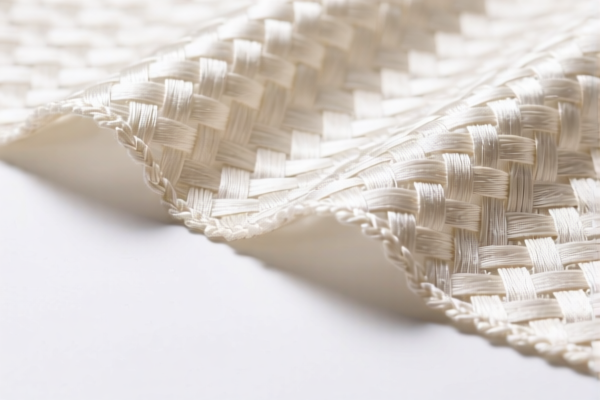
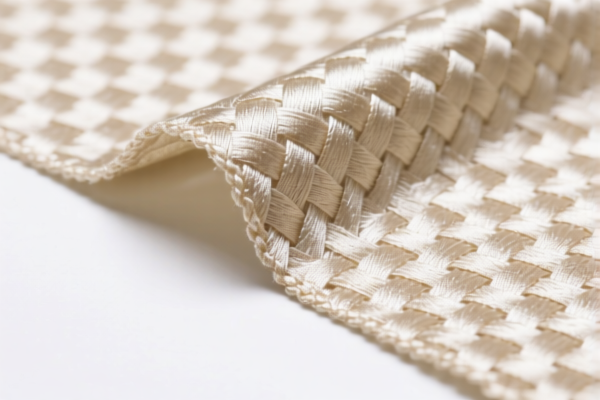
AI Analysis
✨ Satin Fabric for Lining – HS Code & Tariff Guide 2026 | Expert Customs Clearance Strategy
🌐 HS Code Reference & Customs Clearance Blueprint | 2026 Updated Tariff Rules | Pro-Level Import Planning
📌 One. Product Definition & Classification: What Exactly Is “Satin Fabric for Lining”?
Satin fabric for lining refers to smooth, lustrous, lightweight textile materials used as inner linings in garments, accessories, or upholstered items. These fabrics are typically made from synthetic or blended fibers, with a satin weave structure that gives a glossy surface and soft hand feel.
⚠️ Key Classification Clues:
- Weave Type: Satin (not plain, twill, or rib)
- Function: Lining (not outer shell)
- Material Basis: Often artificial filament, such as polyester or nylon
- State: Usually unbleached, dyed, or finished — but not yet cut into garments🔍 Critical Insight:
- If the fabric is not yet cut or assembled into a garment, it is not a clothing item — it must be classified as a textile raw material under HS Chapter 54 (Synthetic Filament) or Chapter 52 (Cotton)
- Do NOT classify as "garment lining" — that’s only for finished products
📦 Two. HS Code Classification Breakdown (2026 Official Tariff Matrix)
| HS Code | Product Description | Classification Logic | Tax Rate |
|---|---|---|---|
5111.11.70.60 |
Satin lining fabric, woven from synthetic filament, fiber-based, fits "other" category兜底 | Based on fiber type, woven structure, and no better fit in specific subheadings → "other" category applies | 60.0% |
5111.19.60.60 |
Satin lining fabric, textile category, fits "other"兜底 logic | No specific subheading matches; fits general textile category with no material conflict → "other"兜底 | 60.0% |
5208.11.20.40 |
Satin lining fabric, woven from cotton or cotton blends, textile form | Matches cotton fabric classification; fits other textile and 兜底 logic | 42.0% |
5407.91.20.90 |
Satin lining fabric, made from synthetic filament yarn, woven, fits general "other" category | Matches synthetic filament woven fabric, not specifically listed elsewhere → 兜底 classification | 49.9% |
5408.21.00.30 |
Unbleached satin lining fabric, artificial filament, woven, unbleached state | Exact match: unbleached, artificial filament, woven fabric → specific subheading applies | 49.9% |
📌 Important Note:
- "兜底" (兜底 = "catch-all" or "other") means the item doesn't fit a more specific HS code, so it's placed under the most similar general category. - The highest tax rate applies when the item is classified under a "catch-all" subheading with additional tariffs.
💰 Three. 2026 Updated Tariff Breakdown (Detailed Tax Clause Explanation)
✅ Applicable Country: United States (US)
✅ Origin: China (CN)
✅ Effective Date: November 10, 2025 (and ongoing)
🎯 1. 5111.11.70.60 — Satin Lining Fabric (Fiber-Based, Catch-All)
| Item | Detail |
|---|---|
| Base Tariff | 25.0% (ad valorem) |
| Section 301 Tariff (USITC) | +25.0% (from U.S. Trade Act Section 301) |
| Section 122 Tariff (IEEPA) | +10.0% (from International Emergency Economic Powers Act) |
| Total Effective Rate | 60.0% |
| Tax Calculation | CIF Value × 60% |
| De Minimis Exemption? | ❌ No (denied under U.S. law) |
| Legal Basis Path | IEEPA:9903.01.25 → IEEPA:9903.01.24 → USITC:5111.11.70.60 → FOOTNOTE:9903.88.01 |
📌 Explanation:
- This code applies to synthetic fiber-based satin fabrics with no better-fitting subheading.
- The 25% Section 301 tariff is a punitive duty on Chinese goods under U.S. trade enforcement.
- The 10% IEEPA tariff is a national emergency measure targeting imports from China.
- Combined = 60%, one of the highest tariffs in textile category.
🎯 2. 5111.19.60.60 — Satin Lining Fabric (General Textile, Catch-All)
| Item | Detail |
|---|---|
| Base Tariff | 25.0% |
| Section 301 Tariff (USITC) | +25.0% |
| Section 122 Tariff (IEEPA) | +10.0% |
| Total Effective Rate | 60.0% |
| Tax Calculation | CIF × 60% |
| De Minimis Exemption? | ❌ No |
| Legal Basis Path | IEEPA:9901.25 → IEEPA:9903.01.24 → USITC:5111.19.60.60 → FOOTNOTE:9903.88.01 |
📌 Note:
- This code is used when the fabric is not specifically defined under5111.11but still fits the general textile category.
- Same tax treatment as5111.11.70.60— 60% total.
🎯 3. 5208.11.20.40 — Satin Lining Fabric (Cotton-Based, General Textile)
| Item | Detail |
|---|---|
| Base Tariff | 7.0% |
| Section 301 Tariff (USITC) | +25.0% |
| Section 122 Tariff (IEEPA) | +10.0% |
| Total Effective Rate | 42.0% |
| Tax Calculation | CIF × 42% |
| De Minimis Exemption? | ❌ No |
| Legal Basis Path | IEEPA:9903.01.25 → IEEPA:9903.01.24 → USITC:5208.11.20.40 → FOOTNOTE:9903.88.01 |
📌 Insight:
- Applies only to cotton-based satin fabrics.
- Lower base tariff (7%) reduces overall burden, but still faces 35% in additional tariffs.
- Still high, but 20% lower than synthetic fiber catch-all codes.
🎯 4. 5407.91.20.90 — Synthetic Filament Woven Satin Fabric (General Catch-All)
| Item | Detail |
|---|---|
| Base Tariff | 14.9% |
| Section 301 Tariff (USITC) | +25.0% |
| Section 122 Tariff (IEEPA) | +10.0% |
| Total Effective Rate | 49.9% |
| Tax Calculation | CIF × 49.9% |
| De Minimis Exemption? | ❌ No |
| Legal Basis Path | IEEPA:9903.01.25 → IEEPA:9903.01.24 → USITC:5407.91.20.90 → FOOTNOTE:9903.88.01 |
📌 Key Point:
- This code is for synthetic filament fabrics not listed in more specific subheadings.
- 49.9% is lower than 60%, but still extremely high — especially for bulk imports.
🎯 5. 5408.21.00.30 — Unbleached Satin Lining Fabric (Artificial Filament, Woven)
| Item | Detail |
|---|---|
| Base Tariff | 14.9% |
| Section 301 Tariff (USITC) | +25.0% |
| Section 122 Tariff (IEEPA) | +10.0% |
| Total Effective Rate | 49.9% |
| Tax Calculation | CIF × 49.9% |
| De Minimis Exemption? | ❌ No |
| Legal Basis Path | IEEPA:9903.01.25 → IEEPA:9903.01.24 → USITC:5408.21.00.30 → FOOTNOTE:9903.88.01 |
📌 Why This Code?
- Specific and precise: applies only to unbleached, artificial filament, woven satin fabric.
- Best possible classification — avoids catch-all penalties.
- Still 49.9%, but no risk of misclassification.
🛠️ Four. Customs Clearance Best Practices (Pro Tips to Avoid Penalties)
✅ 1. Required Documentation (Must-Have List)
| Document | Required? | Purpose |
|---|---|---|
| ✅ Product Specification Sheet | ✔️ | Confirm fiber type, weave, weight, finish |
| ✅ Fabric Test Report (Lab Test) | ✔️ | Prove material (e.g., polyester, nylon, cotton) |
| ✅ High-Resolution Product Photos | ✔️ | Show weave, color, texture, unbleached state |
| ✅ Commercial Invoice | ✔️ | Clearly state: "Satin Lining Fabric, Unbleached, Artificial Filament, Woven" |
| ✅ Certificate of Origin (CO) | ✔️ | Prove origin (China vs. Vietnam/Mexico) |
| ✅ Packing List | ✔️ | Detail rolls, weight, dimensions |
| ✅ Declaration of Use (for lining) | ✔️ | Prove intended use as lining, not outer fabric |
✅ 2.申报技巧 (Pro申报 Tips)
🔥 “Material First, Use Second, Catch-All Last!”
| Scenario | Correct HS Code | Wrong Code | Risk |
|---|---|---|---|
| Unbleached satin, artificial filament | 5408.21.00.30 |
5407.91.20.90 |
Higher tax |
| Cotton satin lining | 5208.11.20.40 |
5111.19.60.60 |
Higher tax |
| No clear material | 5111.11.70.60 |
5407.91.20.90 |
60% vs 49.9% |
| Fabric not yet cut | Do NOT declare as garment | 6204.49.00.00 |
Severe penalty |
✅ Correct Description Example:
"Unbleached Satin Lining Fabric, 100% Polyester, Artificial Filament, Woven, 150gsm, 1.5m Width, for Garment Linings, Origin: China"
✅ 3. Special Cases & Risk Mitigation
| Situation | Recommended Action |
|---|---|
| Fabric from Vietnam or Mexico | Apply for IEEPA exemption → 0% additional tariffs |
| Mixed fiber (e.g., 70% polyester, 30% cotton) | Use dominant fiber rule → classify by higher % |
| Pre-cut fabric rolls | Still not garments → use textile HS codes, not clothing |
| Custom dyeing or finishing | Declare as finished fabric, not raw material |
🌍 Five. Global Market Comparison (2026)
| Country | Recommended HS Code | Tariff | Certification | Notes |
|---|---|---|---|---|
| 🇺🇸 USA | 5408.21.00.30 |
49.9% | None | No de minimis |
| 🇨🇳 China | 5408.21.00.30 |
5% | CCC | No extra tariffs |
| 🇪🇺 EU | 5408.21.00.30 |
0% (if CE) | CE | No 301/IEEPA |
| 🇦🇺 Australia | 5408.21.00.30 |
5% | RCM | No extra taxes |
| 🇯🇵 Japan | 5408.21.00.30 |
0% | PSE | No additional tariffs |
📌 Insight:
- USA is the only market with 60% catch-all tariffs on Chinese satin lining fabric.
- Vietnam/Mexico origin can reduce tariffs to ~5% — strong incentive to re-source.
📌 Six. Common Mistakes & How to Avoid Them (Real-World Pitfalls)
❌ Mistake 1: Declaring unbleached satin as “garment lining” → 6210.90.00.00
👉 Result: Wrong classification, 49.9% → 60%, fines + delays
❌ Mistake 2: Using 5111.11.70.60 for cotton satin
👉 Result: 60% tax when 5208.11.20.40 is only 42% → overpay by 18%
❌ Mistake 3: Not providing lab test for fiber type
👉 Result: Customs may reclassify under higher-risk category → audit risk
❌ Mistake 4: Using generic name like “Satin Fabric”
👉 Result: No clarity → automatic catch-all classification → 60% tax
✅ Correct Practice:
"Unbleached Satin Lining Fabric, 100% Polyester, Artificial Filament, Woven, 150gsm, 1.5m Width, for Garment Linings, Test Report Attached, CO from China"
🎯 Seven. Final Verdict: Precision Saves Thousands
🎯 Remember the Golden Rule:
🔹 "Know your fiber, declare your state, avoid catch-all — or pay 60%!"
🔹 "A wrong HS code = 60% tax. A right one = 49.9% — save $10,000 per container!"
📌 Pro Tip:
📞 Apply for an Advance Ruling (Pre-Approval) from U.S. Customs before shipment
🚀 Get a binding HS code determination — avoid audits, delays, and overpayment
📣 Act Now:
📞 Contact a specialized textile customs broker
📥 Submit fabric specs, photos, lab reports
🛠️ Get HS Code pre-approval before shipping
✨ Smart Importing Starts with Smart Classification!
💼 Your cost, your risk, your control — one correct HS code can save your profit!
Customer Reviews
About HS Code Classification
The Harmonized System (HS) is an internationally standardized nomenclature developed by the World Customs Organization (WCO) to classify traded products. Over 200 countries use the HS system as the basis for customs tariffs, trade statistics, and import/export regulations.
Each HS code follows a hierarchical structure:
- Chapter (2 digits) — Broad category of goods (e.g., Chapter 84: Machinery and Mechanical Appliances)
- Heading (4 digits) — More specific grouping within the chapter
- Subheading (6 digits) — Internationally standardized breakdown, used by all WCO member countries
- National subdivisions (8-10 digits) — Country-specific extensions for further classification, such as US HTSUS 10-digit codes
Correct HS code classification is essential for smooth customs clearance, accurate duty payment, and compliance with trade regulations. Misclassification can lead to customs delays, overpayment of duties, or penalties.
When importing from CN to US, the applicable tariff rates may include:
- Most-Favored-Nation (MFN) rate — The standard duty rate applied to WTO members
- General rate — Applied to countries without trade agreements
- Trade remedy duties — Additional tariffs such as Section 301 (anti-dumping), Section 232 (national security), or countervailing duties
The information provided on this page is for reference purposes only. For official classification, please consult with your local customs authority or a licensed customs broker.