sauce dipping bowl set 6 pieces
CN → US| HS Code | Tariff Rate | Origin | Destination | Doc |
|---|---|---|---|---|
| 3924102000 | 24.0% | CN | US | Official Doc |
| 7013492090 | 40.0% | CN | US | Official Doc |
| 6911103750 | 25.5% | CN | US | Official Doc |
| 6911103710 | 25.5% | CN | US | Official Doc |
| 3924104000 | 13.4% | CN | US | Official Doc |
Product Images
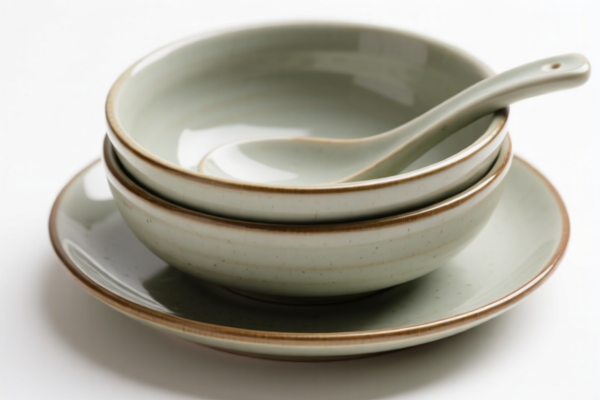
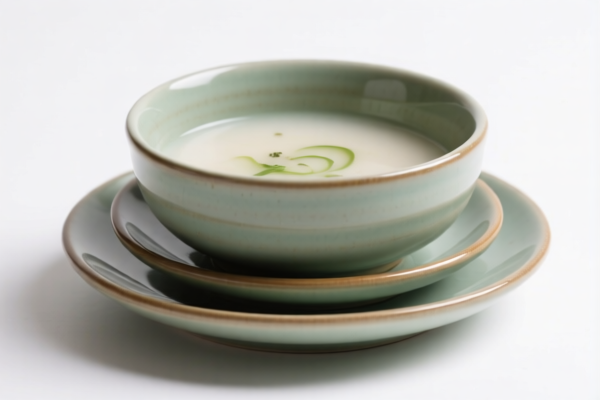
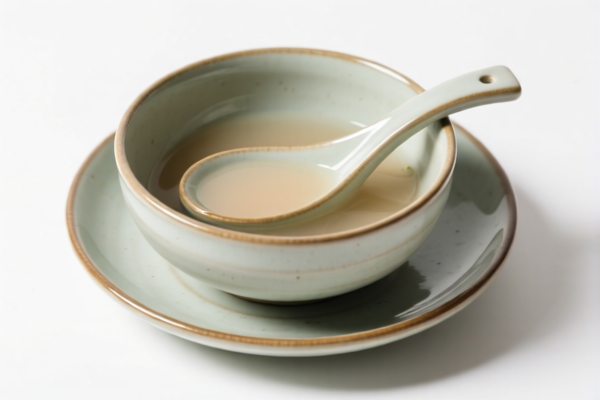
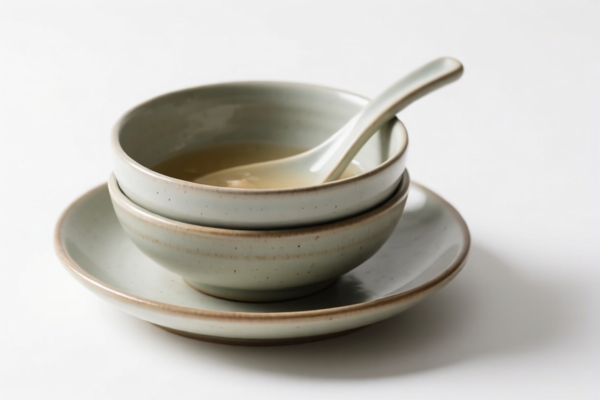
AI Analysis
🥣 Sauce Dipping Bowl Set (6 Pieces)
🌐 HS Code Reference & Customs Clearance Guide | 2026 Latest Tariff Analysis | Professional Entry Strategy
📌 1. Product Definition & Classification: What Exactly Is a "Sauce Dipping Bowl Set"?
A 6-piece sauce dipping bowl set is typically a coordinated tableware item used for serving sauces, condiments, or small portions in dining settings. In international trade, these sets are categorized based on their material composition and functional design.
The key distinction lies in the manufacturing material: * Plastic Sets: Made primarily from polymers; lightweight, durable, and often dishwasher-safe. * Ceramic/Glass Sets: Made from fired clay (ceramic/porcelain) or silica-based glass; heavier, aesthetically varied, and heat-resistant.
⚠️ Critical Classification Point:
- If the set is primarily plastic → It falls under Chapter 39 (Plastics).
- If the set is primarily ceramic → It falls under Chapter 69 (Ceramic Products).
- If the set is primarily glass → It falls under Chapter 70 (Glass and Glassware).
Note: "Set" classification requires that the items are packed together for retail sale and are functionally related.
📦 2. HS Code Classification Details (2026 Latest Tariff Mapping)
Based on the provided data, here is the precise mapping for Sauce Dipping Bowl Sets:
| HS Code | Product Description | Material | Key Feature |
|---|---|---|---|
3924.10.20.00 |
Plastic dipping bowl set, for table/kitchen use | Plastic | Primary material: Plastic |
7013.49.20.90 |
Glass/ceramic dipping bowl set, for table use | Glass/Ceramic | Note: Data lists this as Glass/Ceramic mix or specific glass subtype |
6911.10.37.50 |
Ceramic dipping bowl set, specific form | Ceramic | Specific ceramic form factor |
6911.10.37.10 |
Ceramic tableware/kitchen utensil set | Ceramic | General ceramic tableware set |
3924.10.40.00 |
Other plastic dipping bowl sets | Plastic | Residual plastic tableware category |
🔍 重点提醒:
- Material is King: You must determine the dominant material. If a set contains both plastic handles and ceramic bowls, classification depends on the essential character (usually the main body material). - "Set" Definition: Ensure the 6 pieces are presented together as a single retail unit. If sold individually, they may fall under different single-item codes.
💰 3. 2026 Latest Tariff Rate Breakdown (Including Additional Duties & Policies)
✅ Applicable Country: USA (US)
✅ Origin: China (CN)
✅ Effective Date: Post-November 2025 (Reflecting current trade tensions)
🎯 1. 3924.10.20.00 —— Plastic Dipping Bowl Set
| Item | Detail |
|---|---|
| Base Tariff | 6.5% |
| Additional Tariff (Section 301) | 7.5% |
| 122 Provision Tariff | 10% |
| Total Effective Tax Rate | 24.0% |
| Calculation Basis | CIF Value × 24% |
| De Minimis Exemption | ❌ Not Applicable (High combined rate typically blocks Section 321 de minimis) |
📌 Explanation:
- Base (6.5%): Standard Most-Favored-Nation (MFN) rate for plastic tableware. - Section 301 (7.5%): Retaliatory tariff on Chinese plastic goods. - 122 Provision (10%): Specific trade remedy tariff. - Total 24%: Significantly higher than historical averages. Cost calculation must include this full burden.
🎯 2. 7013.49.20.90 —— Glass/Ceramic Dipping Bowl Set
| Item | Detail |
|---|---|
| Base Tariff | 22.5% |
| Additional Tariff (Section 301) | 7.5% |
| 122 Provision Tariff | 10% |
| Total Effective Tax Rate | 40.0% |
| Calculation Basis | CIF Value × 40% |
| De Minimis Exemption | ❌ Not Applicable |
📌 Warning:
- This is the highest tax bracket in the provided data. - Glassware attracts high base tariffs due to protectionist measures for domestic glass industries. - 40% total duty makes this category extremely sensitive to price fluctuations.
🎯 3. 6911.10.37.50 & 6911.10.37.10 —— Ceramic Dipping Bowl Set
| Item | Detail |
|---|---|
| Base Tariff | 8.0% |
| Additional Tariff (Section 301) | 7.5% |
| 122 Provision Tariff | 10% |
| Total Effective Tax Rate | 25.5% |
| Calculation Basis | CIF Value × 25.5% |
| De Minimis Exemption | ❌ Not Applicable |
📌 Comparison:
- Ceramic sets have a lower base tariff (8.0%) compared to glass (22.5%) but still incur the same additional duties. - The total rate (25.5%) is slightly higher than plastic (24.0%), but lower than glass. - Difference between .50 and .10 subheadings: Likely based on specific shape, decoration, or intended use (e.g., "specific form" vs. "general tableware"). Ensure description matches exactly.
🎯 4. 3924.10.40.00 —— Other Plastic Dipping Bowl Sets
| Item | Detail |
|---|---|
| Base Tariff | 3.4% |
| Additional Tariff (Section 301) | 0.0% |
| 122 Provision Tariff | 10% |
| Total Effective Tax Rate | 13.4% |
| Calculation Basis | CIF Value × 13.4% |
| De Minimis Exemption | ❓ Check Eligibility (Lower total rate might qualify for de minimis if other conditions met, but Section 122 often overrides) |
📌 Opportunity:
- This is the most tax-efficient classification if applicable. - 0% Section 301 tariff is a significant advantage. - Caution: This code is for "Other" plastic tableware. If your product clearly fits3924.10.20.00(specific plastic bowls), misclassification can lead to penalties. Use only if the product structure differs significantly from standard dipping bowls.
🛠️ 4. Customs Clearance Practical Advice (Pitfall Avoidance Guide)
✅ 1. Required Documentation Checklist
| Document | Mandatory? | Notes |
|---|---|---|
| Product Description | ✔️ | Must specify material (Plastic/Ceramic/Glass), piece count (6 pcs), and set nature. |
| Material Composition | ✔️ | % of plastic vs. ceramic if mixed. Essential for correct HS Code. |
| Commercial Invoice | ✔️ | Value must be accurate; CIF value is the basis for duty calculation. |
| Packing List | ✔️ | Show 6 pieces per set. Do not list as 6 individual loose items. |
| Material Safety Data | ✔️ | FDA compliance for food-contact plastics/ceramics (lead/cadmium limits). |
| Country of Origin | ✔️ | Must be marked "Made in China" for these tariff rates to apply. |
✅ 2. Declaration Strategy (Key Tips)
🔥 "Material First, Set Second, Description Precise!"
| Scenario | Correct Declaration | Incorrect Declaration | Consequence |
|---|---|---|---|
| Plastic Set | 3924.10.20.00 - "Plastic Dipping Bowl Set, 6 Pieces" |
"Kitchen Utensils" | Audit risk, potential reclassification. |
| Ceramic Set | 6911.10.37.50 - "Ceramic Dipping Bowl Set" |
"Dinner Plates" | Wrong tariff rate (25.5% vs. different rate). |
| Glass Set | 7013.49.20.90 - "Glass Serving Bowl Set" |
"Glassware, Not for Table" | Base tariff drops, but Section 301/122 may still apply. |
| Mixed Set | Determine Essential Character | "Mixed Materials" | High risk of classification dispute. |
✅ 3. Special Considerations for Section 122 & 301 Tariffs
- Section 122 Tariff (10%): This is a specific tariff that applies to many Chinese imports. It is non-negotiable and non-excludable for most consumer goods like tableware. Ensure your cost model includes this 10% fixed addition.
- Section 301 Tariffs:
- Plastic: 7.5% additional.
- Glass/Ceramic: 7.5% additional.
- Exclusions: Check if your specific SKU has an exclusion list number. Most standard dipping bowls do not have exclusions.
- De Minimis (Section 321):
- Historically, packages under $800 could enter duty-free.
- Current Status: With total tariffs exceeding 13.4% (especially 40% for glass), de minimis exemptions are often waived or suspended for Chinese goods under these specific tariff codes. Assume duty is payable.
🌍 5. Global Market Comparison (2026 Context)
| Market | Recommended HS Code | Est. Total Duty (CN Origin) | Key Certifications |
|---|---|---|---|
| 🇺🇸 USA | 3924.10.20.00 (Plastic) |
24.0% | FDA, CPSIA (if for kids) |
| 🇪🇺 EU | 3924.10 (Plastic) |
~5-8% (No 301/122) | REACH, LFGB |
| 🇨🇦 Canada | 3924.10 (Plastic) |
~6.5% + CUSMA check | Health Canada |
| 🇬🇧 UK | 3924.10 (Plastic) |
~6.5% + UK Trade Policy | UKCA |
📌 Insight:
- The USA is the most expensive market for these items due to the layered tariff structure (Base + 301 + 122). - EU/UK tariffs are significantly lower as they do not impose Section 301 or 122-style penalties.
📌 6. Common Mistakes & Pitfalls (Lessons Learned)
❌ Mistake 1: Classifying a Ceramic Set as Plastic to save 16.5% tax.
👉 Consequence: Customs inspection reveals material mismatch → Penalties + Back Duties + Delay.
❌ Mistake 2: Listing the set as 6 separate items instead of 1 set.
👉 Consequence: May trigger different "individual item" codes, potentially increasing total duty or causing rejection if not a recognized set.
❌ Mistake 3: Ignoring Section 122 Tariff.
👉 Consequence: Underquoting CIF value or omitting the 10% in cost modeling → Profit margin erosion.
✅ Best Practice:
"6-Piece Plastic Dipping Bowl Set, Food-Grade PP Material, FDA Compliant, HS Code: 3924.10.20.00"
🎯 7. Conclusion: Strategic Sourcing & Cost Management
🎯 Key Takeaways:
1. Plastic Sets (3924.10.20.00): Best balance of cost and durability. 24% Total Duty.
2. Glass Sets (7013.49.20.90): Highest duty burden. 40% Total Duty. Only use if premium pricing is guaranteed.
3. Ceramic Sets (6911.10.37.50): Mid-range duty. 25.5% Total Duty. Good for aesthetic products.
4. Special Plastic Code (3924.10.40.00): Lowest duty (13.4%) but must ensure product fits "Other" criteria. Consult a customs broker before using.
📞 Action Item:
- Pre-Arrival Ruling: Submit a binding ruling request to US CBP for your specific 6-piece set design.
- Supplier Negotiation: Factor in the 10% Section 122 tariff into your landed cost model.
- Labeling: Ensure "Made in China" is clearly marked on each piece and the package.
✨ Professional Clearance Starts with Accurate Classification!
💼 Your Profit Margin Depends on Correct HS Code Selection!
Customer Reviews
About HS Code Classification
The Harmonized System (HS) is an internationally standardized nomenclature developed by the World Customs Organization (WCO) to classify traded products. Over 200 countries use the HS system as the basis for customs tariffs, trade statistics, and import/export regulations.
Each HS code follows a hierarchical structure:
- Chapter (2 digits) — Broad category of goods (e.g., Chapter 84: Machinery and Mechanical Appliances)
- Heading (4 digits) — More specific grouping within the chapter
- Subheading (6 digits) — Internationally standardized breakdown, used by all WCO member countries
- National subdivisions (8-10 digits) — Country-specific extensions for further classification, such as US HTSUS 10-digit codes
Correct HS code classification is essential for smooth customs clearance, accurate duty payment, and compliance with trade regulations. Misclassification can lead to customs delays, overpayment of duties, or penalties.
When importing from CN to US, the applicable tariff rates may include:
- Most-Favored-Nation (MFN) rate — The standard duty rate applied to WTO members
- General rate — Applied to countries without trade agreements
- Trade remedy duties — Additional tariffs such as Section 301 (anti-dumping), Section 232 (national security), or countervailing duties
The information provided on this page is for reference purposes only. For official classification, please consult with your local customs authority or a licensed customs broker.