scarf
CN → US| HS Code | Tariff Rate | Origin | Destination | Doc |
|---|---|---|---|---|
| 6117101000 | 27.1% | CN | US | Official Doc |
| 6117102010 | 21.3% | CN | US | Official Doc |
| 6214200000 | 24.2% | CN | US | Official Doc |
| 6214900090 | 28.8% | CN | US | Official Doc |
| 5111117030 | 60.0% | CN | US | Official Doc |
| 5111113000 | 45.0% | CN | US | Official Doc |
| 6214900010 | 28.8% | CN | US | Official Doc |
Product Images
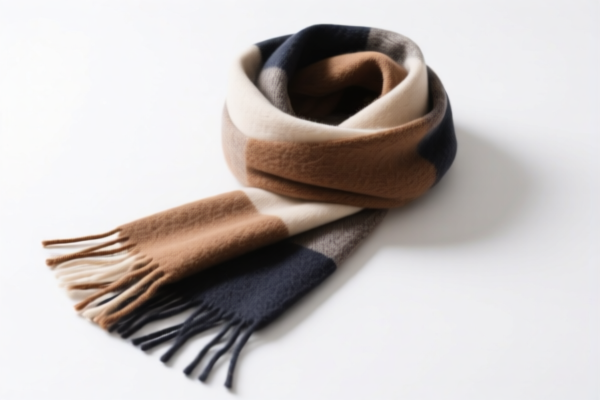
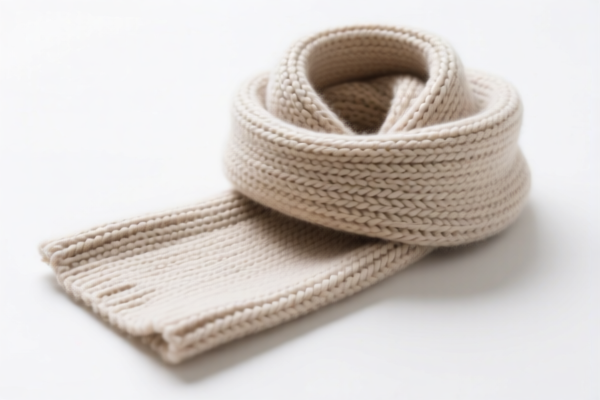
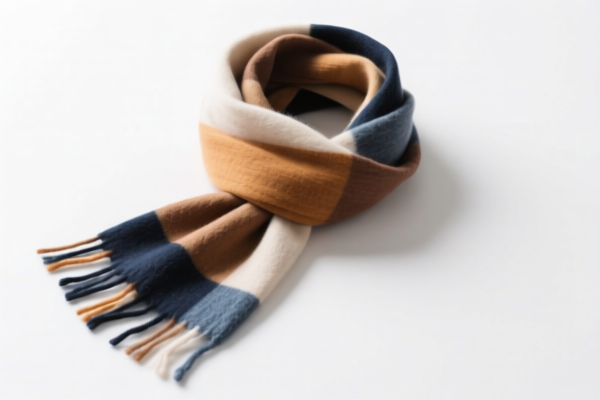
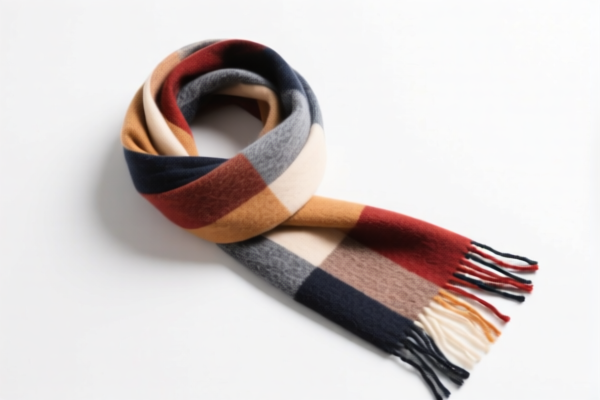
AI Analysis
🧣 Scarves & Shawls (Textile Articles)
🌐 HS Code Reference & Customs Clearance Guide | 2026 Latest Tariff Full Analysis | Professional Entry Strategies
📌 I. Product Definition & Classification: Do You Really Understand "Scarves"?
Scarves and shawls are versatile textile accessories used for warmth, fashion, and cultural expression. In international trade, they are classified based on material composition (wool, cotton, synthetic, etc.) and manufacturing method (knitted, woven, or simply made up). The key distinction lies in whether the item is a finished accessory (Heading 6117 or 6214) or a fabric piece intended to be used as a scarf (Heading 5111).
⚠️ Key Distinction:
- Finished Scarves/Shawls (Headings 6117, 6214): Items that have been cut, sewn, hemmed, or otherwise "made up" into their final shape. This includes woven scarves, knitted scarves, and shawls.
- Fabric/Textile Pieces (Heading 5111): Raw or unfinished woolen fabrics intended to be made into scarves but not yet processed into the final article. If declared as "scarf" but is just a bolt of fabric, it belongs here.
📦 II. HS Code Classification Details (2026 Latest Tariff Authority Comparison)
| HS Code | Product Description | Application Scenario | Material/Nature |
|---|---|---|---|
6117.10.10.00 |
Wool shawls, scarves | Fashion shawls, knitted wool accessories | ✅ Knitted/Crocheted |
6117.10.20.10 |
Scarves containing wool or fine animal hair | High-end wool blends, cashmere blends | ✅ Knitted/Crocheted |
6214.20.00.00 |
Scarves of wool | Woven wool scarves, traditional stoles | ✅ Woven |
6214.90.00.90 |
Scarves of other textile materials | Synthetic blends, polyester, acrylic scarves | ✅ Woven |
5111.11.70.30 |
Woven fabric of wool, containing ≥85% fine animal hair | Fabric for scarves, not finished yet | ❌ Not Finished |
5111.11.30.00 |
Woven fabric of wool, containing <85% fine animal hair | Fabric for scarves, mixed wool | ❌ Not Finished |
6214.90.00.10 |
Cotton shawls, scarves | Summer scarves, lightweight cotton wraps | ✅ Woven/Cotton |
🔍 Key Reminder:
- Finished vs. Unfinished: A "scarf" that is already cut and hemmed goes to 6117 (knitted) or 6214 (woven). If it is just "woolen fabric" sold by the meter or yard for the buyer to make into scarves, it goes to 5111.
- Material Matters: Wool content determines the specific subheading within 6117 and 5111. Cotton goes to 6214.90.
💰 III. 2026 Latest Tariff Rate Details (Including Surtaxes, Policy Add-ons)
✅ Applicable Country: United States (US)
✅ Origin: China (CN)
✅ Effective Date: November 10, 2025 (and subsequent imports)
🎯 1. 6117.10.10.00 —— Wool Shawls, Scarves (Knitted/Crocheted)
| Item | Content |
|---|---|
| Base Rate | 9.6% |
| Section 301 Surtax | +7.5% |
| Section 122 Surtax | +10% |
| Total Tax Rate | 27.1% |
| Tax Calculation | CIF Value × 27.1% |
| De Minimis Eligibility | ❌ Not Eligible (High tariffs usually deny de minimis) |
| Legal Basis Path | Base Tariff: 9.6% → 301 Surtax: 7.5% → Sec 122: 10% |
📌 Explanation:
- This is a knitted wool product.
- The total tax burden is 27.1%, driven by base duties and multiple layers of additional tariffs (301 + 122).
🎯 2. 6117.10.20.10 —— Scarves Containing Wool or Fine Animal Hair (Knitted)
| Item | Content |
|---|---|
| Base Rate | 11.3% |
| Section 301 Surtax | 0.0% |
| Section 122 Surtax | +10% |
| Total Tax Rate | 21.3% |
| Tax Calculation | CIF Value × 21.3% |
| De Minimis Eligibility | ❌ Not Eligible |
| Legal Basis Path | Base Tariff: 11.3% → Sec 122: 10% |
📌 Note:
- This specific code benefits from a 0% Section 301 surtax, making it significantly cheaper than other wool scarves (21.3% vs 27.1%+).
- Likely applies to specific wool blends or fine animal hair products where 301 relief is granted.
🎯 3. 6214.20.00.00 —— Scarves of Wool (Woven)
| Item | Content |
|---|---|
| Base Rate | 6.7% |
| Section 301 Surtax | +7.5% |
| Section 122 Surtax | +10% |
| Total Tax Rate | 24.2% |
| Tax Calculation | CIF Value × 24.2% |
| De Minimis Eligibility | ❌ Not Eligible |
| Legal Basis Path | Base Tariff: 6.7% → 301 Surtax: 7.5% → Sec 122: 10% |
📌 Explanation:
- Woven wool scarves have a lower base rate (6.7%) compared to knitted ones (9.6-11.3%).
- However, with 301 and 122 tariffs, the total is 24.2%.
🎯 4. 6214.90.00.90 —— Scarves of Other Textile Materials (e.g., Synthetic)
| Item | Content |
|---|---|
| Base Rate | 11.3% |
| Section 301 Surtax | +7.5% |
| Section 122 Surtax | +10% |
| Total Tax Rate | 28.8% |
| Tax Calculation | CIF Value × 28.8% |
| De Minimis Eligibility | ❌ Not Eligible |
| Legal Basis Path | Base Tariff: 11.3% → 301 Surtax: 7.5% → Sec 122: 10% |
📌 Note:
- Polyester, acrylic, or blend scarves that are not wool/cotton.
- Highest tax burden among finished scarves at 28.8%.
🎯 5. 5111.11.70.30 —— Woven Fabric of Wool (≥85% Fine Animal Hair)
| Item | Content |
|---|---|
| Base Rate | 25.0% |
| Section 301 Surtax | +25.0% |
| Section 122 Surtax | +10% |
| Total Tax Rate | 60.0% |
| Tax Calculation | CIF Value × 60.0% |
| De Minimis Eligibility | ❌ Not Eligible |
| Legal Basis Path | Base Tariff: 25.0% → 301 Surtax: 25.0% → Sec 122: 10% |
📌 CRITICAL WARNING:
- This is FINISHED FABRIC, not a finished scarf.
- Extreme Tariff Alert: At 60.0%, this is a massive cost driver.
- Do NOT declare unfinished fabric as "Scarves" to avoid this rate. If you sell fabric, expect this high cost.
🎯 6. 5111.11.30.00 —— Woven Fabric of Wool (<85% Fine Animal Hair)
| Item | Content |
|---|---|
| Base Rate | 10.0% |
| Section 301 Surtax | +25.0% |
| Section 122 Surtax | +10% |
| Total Tax Rate | 45.0% |
| Tax Calculation | CIF Value × 45.0% |
| De Minimis Eligibility | ❌ Not Eligible |
| Legal Basis Path | Base Tariff: 10.0% → 301 Surtax: 25.0% → Sec 122: 10% |
📌 Note:
- Still unfinished fabric.
- 45.0% total tax. High, but lower than the fine animal hair fabric.
- Ensure product description clearly states "Fabric" not "Scarf".
🎯 7. 6214.90.00.10 —— Cotton Shawls, Scarves
| Item | Content |
|---|---|
| Base Rate | 11.3% |
| Section 301 Surtax | +7.5% |
| Section 122 Surtax | +10% |
| Total Tax Rate | 28.8% |
| Tax Calculation | CIF Value × 28.8% |
| De Minimis Eligibility | ❌ Not Eligible |
| Legal Basis Path | Base Tariff: 11.3% → 301 Surtax: 7.5% → Sec 122: 10% |
📌 Note:
- Cotton scarves are taxed similarly to synthetic scarves in this dataset (28.8%).
- Lower base rate but same surtaxes as other non-wool woven items.
🛠️ IV. Customs Clearance Practical Advice (Battle-Hardened Pitfall Guide)
✅ 1. Documentation Checklist (Non-Negotiable)
| Document | Required | Description |
|---|---|---|
| ✅ Product Specification Sheet | ✔️ | Must detail: Material (e.g., 100% Wool, Cotton Blend), Dimensions, Weight, Knitted/Woven |
| ✅ Fabric Swatch | ✔️ | Physical sample or high-res photo to prove material composition (Wool vs Cotton vs Synthetic) |
| ✅ Commercial Invoice | ✔️ | Clearly state "Scarf" or "Shawl" and HS Code. Avoid vague terms like "Textile Accessory" |
| ✅ Packing List | ✔️ | Show quantity, net/gross weight. If shipping fabric, state "Yards/Meters" |
| ✅ Certificate of Origin | ✔️ | Required to verify China origin for 301/122 tariffs |
| ✅ Photos of Product | ✔️ | Must show finished edges/hemming if claiming Heading 6117/6214. If fabric, show no finished edges |
✅ 2. Declaration Tips (Key Mantras)
🔥 "Finished Scarf: 6117/6214. Unfinished Fabric: 5111. Name it right, save your life!"
| Scenario | Correct Declaration | Wrong Declaration |
|---|---|---|
| Finished Knitted Wool Scarf | 6117.10.10.00 (27.1%) |
Declaring as Fabric 5111 → 60% Tax |
| Finished Woven Cotton Scarf | 6214.90.00.10 (28.8%) |
Declaring as 6214.20 (Wool) → Misclassification Penalty |
| Raw Wool Fabric for Scarves | 5111.11.30.00 (45.0%) |
Declaring as "Scarf" 6214 → Lower tax? No, customs may reclassify as Fabric → 45% anyway |
| Cashmere Blend Scarf | 6117.10.20.10 (21.3%) |
Declaring as 6117.10.10 (27.1%) → Overpaying 5.8% |
📌 Critical:
- If the item has finished edges, tassels, or hemming, it is NOT fabric. It is a scarf.
- If you declare "Wool Scarf" but send "Wool Fabric", you risk misdeclaration fines and 45%+ tax if reclassified.
- The6117.10.20.10code offers the lowest total tax (21.3%) for wool-containing items. Ensure your product qualifies (fine animal hair/wool blend).
✅ 3. Special Situation Handling
| Situation | Handling Advice |
|---|---|
| Mixed Material Scarf | Provide detailed fiber composition % (e.g., 80% Wool, 20% Silk). Misleading composition leads to reclassification and higher tariffs. |
| Scarves with Metal Hardware | If metal is decorative but not structural, it remains a textile scarf. If metal is dominant (e.g., chain scarf), it may shift to jewelry (Heading 71), changing tax rates. |
| Samples vs. Commercial | Even samples are subject to these tariffs. Do not mark "Sample" to avoid duties; Customs still charges. |
| Dropshipping | Ensure the supplier’s invoice matches your HS Code. Supplier declaring "Textile" while you declare "Scarf" causes data mismatches. |
🌍 V. Global Market Comparison (2026 Latest)
| Country/Region | Recommended HS Code | Tariff (China Origin) | Certification | Notes |
|---|---|---|---|---|
| 🇺🇸 USA | 6117.10.20.10 (Best for Wool) |
21.3% | None specific | High tariffs due to 301/122. 5111 fabrics hit 45-60%. |
| 🇨🇳 China | 6117.10.10.00 |
~5-10% | CCC (if applicable) | No 301/122. Lower cost. |
| 🇪🇺 EU | 6117.10.10.00 |
~12-15% | CE (if tech) | No Section 122/301. Moderate tariffs. |
| 🇬🇧 UK | 6117.10.10.00 |
~12-15% | UKCA | Post-Brexit, similar to EU. |
| 🇦🇺 Australia | 6117.10.10.00 |
5% | None | Low tariff, FTAs may apply. |
📌 Conclusion:
- USA is the most expensive market for scarves due to layered surtaxes.
- Strategy: Optimize for6117.10.20.10(21.3%) if your product contains wool/fine hair. Avoid5111fabric codes unless you are selling raw fabric.
- Cost Saving: Ensure correct material description to qualify for the lowest possible surtax tier.
📌 VI. Common Errors & Pitfalls (Blood Lessons)
❌ Error 1: Declaring Wool Fabric as Wool Scarf to get 24% instead of 45%/60%.
👉 Consequence: Customs inspect and find unfinished edges. Reclassified to Fabric. Back taxes + Penalty.
✅ Fix: Be honest. If it's fabric, declare 5111. If it's a scarf, declare 6214 or 6117.
❌ Error 2: Calling a Synthetic Scarf a Wool Scarf.
👉 Consequence: Misdeclaration. If caught, fine + seizure. If not caught, you might pay lower base rate but risk future audits.
✅ Fix: Test materials. Use 6214.90 for synthetics.
❌ Error 3: Ignoring Section 122 Tariffs.
👉 Consequence: All these items have +10% Sec 122. Forgetting this leads to underpayment.
✅ Fix: Always include +10% in your cost calculation for China-origin textiles.
❌ Error 4: Using "Textile Accessory" as description.
👉 Consequence: Customs will guess. They might guess wrong (higher tax) or hold the shipment for inspection.
✅ Fix: Use "Knitted Wool Scarf" or "Woven Cotton Shawl".
🎯 VII. Conclusion: Precise Classification Saves Money!
🎯 Remember the Mantra:
🔹 "Knitted = 6117, Woven = 6214, Fabric = 5111."
🔹 "Fine Hair Scarf = 21.3% (Cheapest), Wool Fabric = 60% (Expensive)."
🔹 "Finish your edges, save your taxes."
📌 Pro Tip:
If your scarves are made in Vietnam, Bangladesh, or India, you may avoid the China-specific 301/122 tariffs. Check if your supply chain allows for Third Country Manufacturing to drop taxes from ~27% to ~5-10%.
📣 Immediate Action:
📞 Consult a Customs Broker + Provide Physical Sample + Confirm Material Composition
🚀 Get Advance Ruling (ACE Portal) to lock in the correct HS Code and tariff rate.
✨ Professional Clearance Starts with Accurate Classification!
💼 Every percent of tax saved is pure profit!
Customer Reviews
About HS Code Classification
The Harmonized System (HS) is an internationally standardized nomenclature developed by the World Customs Organization (WCO) to classify traded products. Over 200 countries use the HS system as the basis for customs tariffs, trade statistics, and import/export regulations.
Each HS code follows a hierarchical structure:
- Chapter (2 digits) — Broad category of goods (e.g., Chapter 84: Machinery and Mechanical Appliances)
- Heading (4 digits) — More specific grouping within the chapter
- Subheading (6 digits) — Internationally standardized breakdown, used by all WCO member countries
- National subdivisions (8-10 digits) — Country-specific extensions for further classification, such as US HTSUS 10-digit codes
Correct HS code classification is essential for smooth customs clearance, accurate duty payment, and compliance with trade regulations. Misclassification can lead to customs delays, overpayment of duties, or penalties.
When importing from CN to US, the applicable tariff rates may include:
- Most-Favored-Nation (MFN) rate — The standard duty rate applied to WTO members
- General rate — Applied to countries without trade agreements
- Trade remedy duties — Additional tariffs such as Section 301 (anti-dumping), Section 232 (national security), or countervailing duties
The information provided on this page is for reference purposes only. For official classification, please consult with your local customs authority or a licensed customs broker.