scissors
CN → US| HS Code | Tariff Rate | Origin | Destination | Doc |
|---|---|---|---|---|
| 8203300000 | 35.0% | CN | US | Official Doc |
| 8213006000 | 0.0% | CN | US | Official Doc |
| 8213003000 | 0.0% | CN | US | Official Doc |
| 8214909000 | 0.0% | CN | US | Official Doc |
| 8203206060 | 0.0% | CN | US | Official Doc |
Product Images
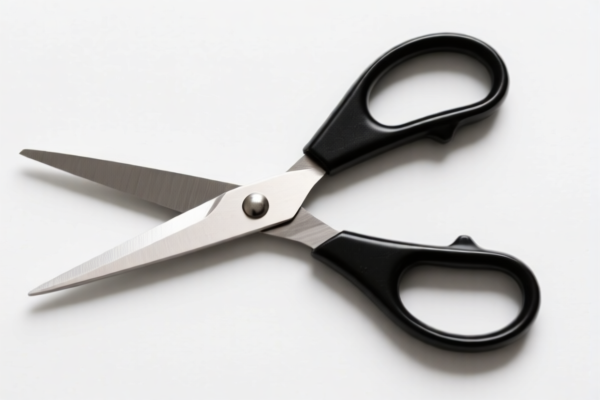
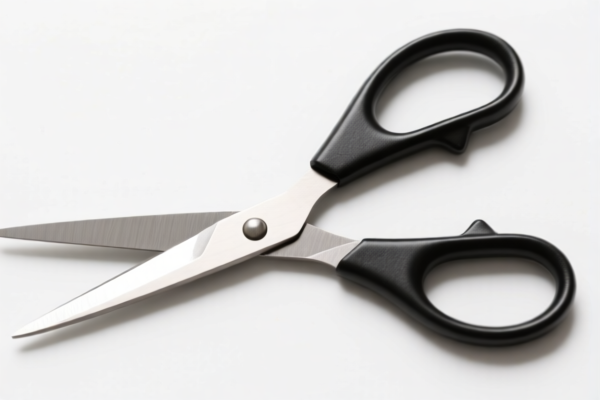
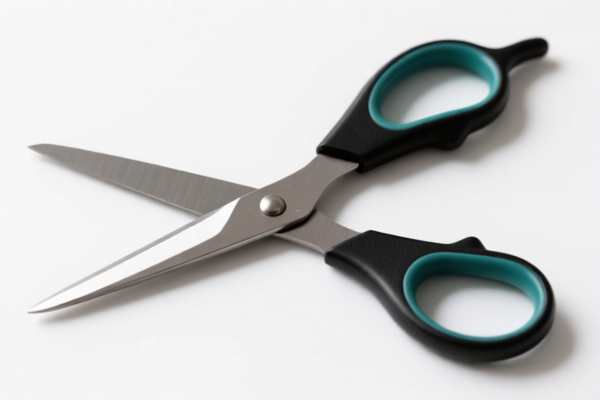
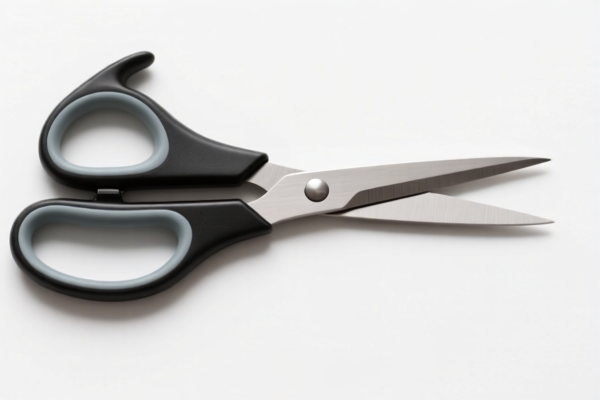
AI Analysis
✂️ Scissors (Metal Shears & Cutting Tools)
🌐 HS Code Reference & Customs Clearance Guide | 2026 Latest Tariff Analysis | Professional Entry Strategy
📌 I. Product Definition & Classification: Do You Truly Understand "Scissors"?
Scissors, in the context of international trade, are not just simple office supplies. They are categorized based on their material, mechanism, and specific utility. In the US Harmonized Tariff Schedule (HTSUS), "scissors" are primarily classified under Chapter 82 (Tools, Implements, Cutlery, Spoons and Forks, of Base Metal).
The key distinction lies in: 1. General Metal Shears (HS 8203): Heavy-duty, industrial, or general-purpose metal cutting tools. 2. Tailor’s/Craftsmen’s Scissors (HS 8213): Specialized for fabric, paper, or delicate materials. 3. Other Cutlery/Blades (HS 8214): Items that do not fit the standard "scissor" mechanism or are considered "other knives/blade tools."
⚠️ Critical Distinction Point:
- If the item is a heavy-duty metal snip (e.g., aviation snips, tin snips) → Likely 8203.
- If the item is a precision craft/tailor scissors → Likely 8213.
- If the item is a novelty or unusual blade tool → Likely 8214.
📦 II. HS Code Classification Details (2026 Latest Tariff Authority Match)
Based on the provided data, here are the exact HS codes matched to the product description "Scissors":
| HS Code | Product Description (Summary) | Applicable Scenario | Material/Type |
|---|---|---|---|
8203.30.00.00 |
Metal shears and similar hand tools, identical in use and form | Industrial metal cutting, general-purpose snips | Base Metal (Steel/Iron) |
8213.00.60.00 |
Scissors, tailor's shears and similar scissors, completely matching use | Fabric cutting, general crafts, precision snips | Base Metal |
8213.00.30.00 |
Scissors, tailor's shears and similar scissors, identical in use and category | Fine fabric, paper cutting, high-precision craft scissors | Base Metal |
8214.90.90.00 |
Other articles of cutlery, conforms to tool use description, made of metal | Unusual cutting tools, non-standard blade mechanisms | Base Metal |
8203.20.60.60 |
Manual metal cutting shear tools, no material conflict | Heavy-duty manual snips, hardware store staple scisors | Base Metal |
🔍 Key Reminder:
- 8203 codes generally attract higher additional tariffs (35% total effective rate in some cases due to Section 301).
- 8213 codes (Tailor/Craft scissors) often have lower base duties but are subject to specific per-unit fees (cents per piece) plus ad valorem rates.
- 8214 is a residual category for tools that don't fit standard scissors/shears definitions.
💰 III. 2026 Latest Tariff Rate Details (Including Surtaxes & Policy Add-ons)
✅ Applicable Country: United States (US)
✅ Origin: China (CN) (Implied by "122 Clause" and high surtaxes)
✅ Effective Time: Current 2026 Regulations (Post-2025 Updates)
🎯 1. 8203.30.00.00 —— Heavy-Duty Metal Shears
| Item | Content |
|---|---|
| Base Duty | 0.0% |
| Section 301 Surtax | +25.0% |
| Section 122 Tariff | +10.0% |
| Total Effective Rate | 35.0% |
| Tax Calculation | CIF Value × 35% |
| De Minimis Eligibility | ❌ No (High risk of audit) |
| Legal Basis Path | Section 301: 8203.30.00.00 → Section 122: 10% |
📌 Explanation:
- This is a pure ad valorem tax structure.
- The 35% total rate makes this category expensive for high-value industrial tools.
- Warning: Do not misclassify as "craft scissors" to avoid duty, as CBP will examine the tool's weight and usage.
🎯 2. 8213.00.60.00 —— General Tailor/Craft Scissors
| Item | Content |
|---|---|
| Base Duty | 8¢ each + 8% ad valorem |
| Section 301 Surtax | 0.0% |
| Section 122 Tariff | +10.0% |
| Total Effective Rate | 8¢/pc + 8% + 10% Surtax |
| Tax Calculation | (8¢ × Quantity) + (CIF Value × 18% combined rate*) |
| De Minimis Eligibility | ❌ No (Subject to strict scrutiny) |
| Legal Basis Path | USITC: 8213.00.60.00 → Section 122: 10% |
📌 Note:
- This is a compound tariff (specific + ad valorem).
- For low-value items, the 8¢ per piece fee dominates.
- The 10% Section 122 applies on top of the base duty.
- Combined ad valorem effect is roughly 18% on value plus per-unit fee.
🎯 3. 8213.00.30.00 —— Precision Tailor/Craft Scissors
| Item | Content |
|---|---|
| Base Duty | 1.7¢ each + 4.3% ad valorem |
| Section 301 Surtax | 0.0% |
| Section 122 Tariff | +10.0% |
| Total Effective Rate | 1.7¢/pc + 4.3% + 10% Surtax |
| Tax Calculation | (1.7¢ × Quantity) + (CIF Value × 14.3% combined rate*) |
| De Minimis Eligibility | ❌ No |
| Legal Basis Path | USITC: 8213.00.30.00 → Section 122: 10% |
📌 Note:
- This is the most cost-effective classification for standard scissors if they qualify as "tailor's/craft" and not "industrial."
- The 1.7¢ per unit fee is significantly lower than the 8¢ rate for8213.00.60.00.
- Crucial: You must prove the item is used for delicate materials (fabric/paper) to qualify for this lower tier vs.8213.00.60.00.
🎯 4. 8214.90.90.00 —— Other Cutlery/Blade Tools
| Item | Content |
|---|---|
| Base Duty | 1.4¢ each + 3.2% ad valorem |
| Section 301 Surtax | 0.0% |
| Section 122 Tariff | +10.0% |
| Total Effective Rate | 1.4¢/pc + 3.2% + 10% Surtax |
| Tax Calculation | (1.4¢ × Quantity) + (CIF Value × 13.2% combined rate*) |
| De Minimis Eligibility | ❌ No |
| Legal Basis Path | USITC: 8214.90.90.00 → Section 122: 10% |
📌 Note:
- This code is for non-standard scissors or tools that are technically "cutlery" but don't fit 8203 or 8213.
- Offers the lowest base ad valorem rate (3.2%) and lowest per-unit fee (1.4¢).
- Risk: If CBP determines the item is clearly "scissors," they may reclassify to 8213 or 8203, leading to back taxes.
🎯 5. 8203.20.60.60 —— Manual Metal Cutting Shears
| Item | Content |
|---|---|
| Base Duty | 12¢/doz. + 5.5% ad valorem |
| Section 301 Surtax | +25.0% |
| Section 122 Tariff | +10.0% |
| Total Effective Rate | 12¢/dz + 5.5% + 35.0% |
| Tax Calculation | (12¢/12 × Qty) + (CIF Value × 40.5% combined rate*) |
| De Minimis Eligibility | ❌ No |
| Legal Basis Path | Section 301: 8203.20.60.60 → Section 122: 10% |
📌 Note:
- High Tariff Alert: Total effective burden is ~40.5% + per unit.
- This is for heavy-duty manual snips (e.g., tin snips, duct shears).
- The 25% Section 301 surtax applies here, making it the most expensive category for industrial tools.
🛠️ IV. Customs Clearance Practical Advice (Real-World Pitfall Guide)
✅ 1. Required Documentation Checklist (None Can Be Omitted)
| Document | Mandatory? | Description |
|---|---|---|
| ✅ Product Specifications | ✔️ | Must specify: Blade material, length, hinge type, intended use (fabric vs. metal). |
| ✅ Product Photos | ✔️ | Clear images of the scissors, especially the blade edge and handle mechanism. |
| ✅ Commercial Invoice | ✔️ | Must clearly state: "Metal Scissors" or "Tailor's Shears," NOT generic "Tools." |
| ✅ Packing List | ✔️ | Itemize quantity per package. Essential for calculating per-unit duties (8¢, 1.7¢, etc.). |
| ✅ Certificate of Origin | ✔️ | Required to verify Chinese origin for Section 301/122 applicability. |
| ✅ Usage Declaration | ✔️ | A signed statement explaining if the scissors are for industrial metal cutting (8203) or craft/fabric (8213). |
✅ 2. Declaration Tips (Key Mnemonics)
🔥 “Use Determines Code, Code Determines Cost, Misclassification Costs You!”
| Scenario | Correct HS Code | Wrong Action | Consequence |
|---|---|---|---|
| Industrial Tin Snips | 8203.30.00.00 or 8203.20.60.60 |
Declare as "Craft Scissors" | Reclassification + Penalties (Duty jumps to 35-40%) |
| Fabric/Paper Scissors | 8213.00.30.00 or 8213.00.60.00 |
Declare as "Other Cutlery" | Overpayment (You might pay 8¢/pc instead of 1.7¢/pc) |
| Novelty/Unusual Blade | 8214.90.90.00 |
Declare as "Standard Scissors" | Risk of Audit (If it looks like scissors, CBP will force 8213) |
| Bulk Wholesale vs. Retail | N/A | Ignore Quantity | Per-unit errors (12¢/doz vs. 8¢/pc vs. 1.4¢/pc) |
✅ 3. Special Case Handling
| Case | Handling Advice |
|---|---|
| OEM Custom Scissors | Provide client design specs. If modified for a specific industry (e.g., medical), provide justification for 8214 vs 8213. |
| Sets with Accessories | If scissors are packed with cases or sharpeners, declare as one article (the scissors) if they are for retail sale. |
| High-Value Luxury Scissors | Ensure description emphasizes "craftsman quality" to justify 8213 (lower duty) rather than industrial 8203. |
| Misuse of "De Minimis" | ❌ DO NOT use de minimis ($800) for these items. Section 301 and 122 tariffs block de minimis entry for many base metal tools. |
🌍 V. Global Market Customs Comparison (2026 Latest)
| Country/Region | Recommended HS Code | Tariff Impact | Certification | Notes |
|---|---|---|---|---|
| 🇺🇸 USA | 8213.00.30.00 (for craft) |
1.7¢/pc + 14.3% total | N/A | Avoid 8203 if possible (35%+ duty). |
| 🇪🇺 EU | 8213.10 / 8213.90 |
0% - 2.7% | CE (if power-assisted) | Lower tariffs than US. No Section 122. |
| 🇨🇳 China | 8213 / 8203 |
0% - 5% | N/A | Domestic trade, low duty. |
| 🇬🇧 UK | 8213 / 8203 |
0% - 5% | N/A | Post-Brexit rules apply. |
| 🇨🇦 Canada | 8213 / 8203 |
0% - 5% | N/A | CUSMA may apply for US-origin? (Check origin carefully). |
📌 Conclusion:
- USA is the most expensive market due to Section 301 (25%) and Section 122 (10%) tariffs.
- Strategy: If you sell to the US, classify as8213.00.30.00(if valid) to minimize costs.
- Industrial tools (8203) face double penalties (Section 301 + 122).
📌 VI. Common Errors & Pitfall Guide (Blood & Tears Lessons)
❌ Error 1: Classifying Industrial Tin Snips as "Scissors" (8213)
👉 Consequence: CBP reclassifies to 8203.30.00.00 → Duty jumps from ~14% to 35%. Back taxes + interest.
❌ Error 2: Ignoring Per-Unit Fees in 8213 codes
👉 Consequence: For 8213.00.60.00 (8¢/pc), a shipment of 10,000 units incurs $800 in specific duties alone. Budgeting errors.
❌ Error 3: Claiming De Minimis for Base Metal Scissors
👉 Consequence: Package seized. Section 301 and 122 tariffs often void de minimis exemptions for these items.
❌ Error 4: Vague Description "Cutting Tool"
👉 Consequence: CBP holds shipment for 30+ days to determine if it's 8203 or 8213. Delays freight and storage fees.
✅ Correct Approach:
"Tailor’s Scissors, Stainless Steel, 8-inch, for Fabric Cutting, Model XYZ" →
8213.00.30.00
"Aviation Snips, Carbon Steel, Left Cut, for Sheet Metal" →8203.30.00.00
🎯 VII. Conclusion: Professional Declaration, Cost Optimization!
🎯 Remember the Mantra:
🔹 "Craft is 8213, Industrial is 8203. 35% vs. 14%, Choose Wisely!"
🔹 "Per-unit fees matter! 8¢ vs. 1.7¢ makes a huge difference in volume."
🔹 "Section 122 is a 10% trap on all these codes. Factor it in!"
📌 Pro Tip:
If your scissors are originating from Vietnam or Malaysia, check for IEEPA/Section 301 exemptions. While Section 122 may still apply, Section 301 (25%) might be waived, drastically reducing costs.
Recommendation: Apply for an Advance Ruling with CBP if you have large volumes to avoid post-audit penalties.
📣 Immediate Action:
📞 Contact your customs broker with high-res photos and spec sheets.
🚀 Verify the intended use (Fabric vs. Metal) to lock in the correct HS Code.
💰 Calculate landed cost including the 10% Section 122 surtax on ALL options.
✨ Precise Classification Starts Here!
💼 Every cent saved in duty is pure profit!
Customer Reviews
About HS Code Classification
The Harmonized System (HS) is an internationally standardized nomenclature developed by the World Customs Organization (WCO) to classify traded products. Over 200 countries use the HS system as the basis for customs tariffs, trade statistics, and import/export regulations.
Each HS code follows a hierarchical structure:
- Chapter (2 digits) — Broad category of goods (e.g., Chapter 84: Machinery and Mechanical Appliances)
- Heading (4 digits) — More specific grouping within the chapter
- Subheading (6 digits) — Internationally standardized breakdown, used by all WCO member countries
- National subdivisions (8-10 digits) — Country-specific extensions for further classification, such as US HTSUS 10-digit codes
Correct HS code classification is essential for smooth customs clearance, accurate duty payment, and compliance with trade regulations. Misclassification can lead to customs delays, overpayment of duties, or penalties.
When importing from CN to US, the applicable tariff rates may include:
- Most-Favored-Nation (MFN) rate — The standard duty rate applied to WTO members
- General rate — Applied to countries without trade agreements
- Trade remedy duties — Additional tariffs such as Section 301 (anti-dumping), Section 232 (national security), or countervailing duties
The information provided on this page is for reference purposes only. For official classification, please consult with your local customs authority or a licensed customs broker.