scrap rubber pneumatic tires for aircraft
CN → US| HS Code | Tariff Rate | Origin | Destination | Doc |
|---|---|---|---|---|
| 4012201010 | 35.0% | CN | US | Official Doc |
| 4012201050 | 35.0% | CN | US | Official Doc |
| 4011300050 | 35.0% | CN | US | Official Doc |
| 4013905050 | 38.7% | CN | US | Official Doc |
| 4013901000 | 35.0% | CN | US | Official Doc |
Product Images
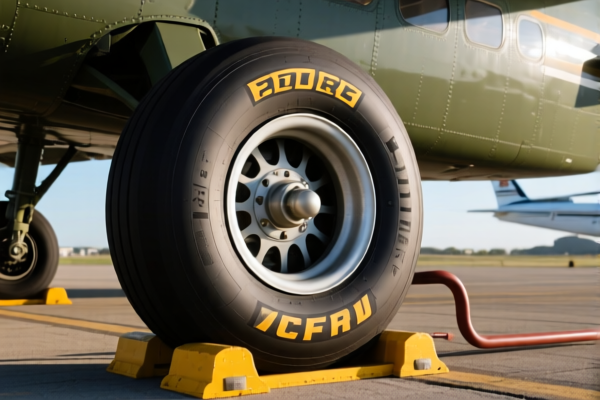
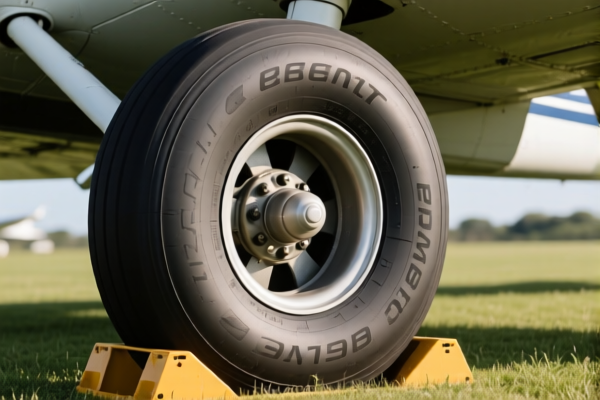
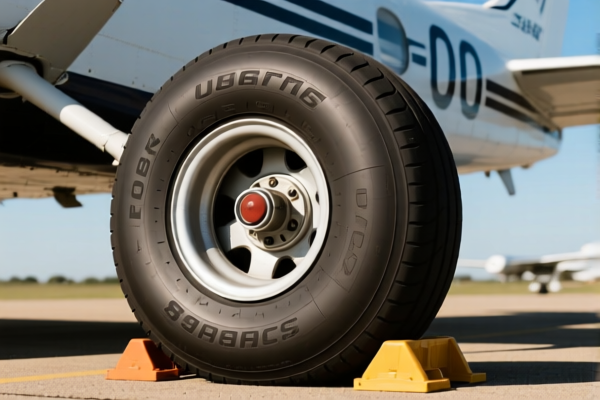
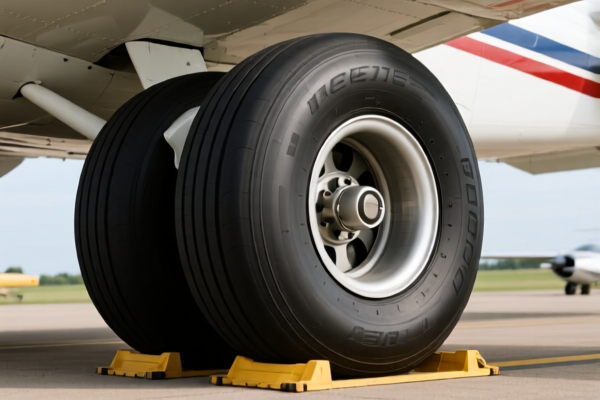
AI Analysis
✈️ Scrap Rubber Pneumatic Tires for Aircraft (Used/Second-Hand)
🌐 HS Code Reference & Customs Clearance Guide | 2026 Latest Tariff Analysis | Professional Clearance Strategy
📌 I. Product Definition & Classification: Do You Really Understand "Scrap Aircraft Tires"?
Scrap or second-hand pneumatic tires for aircraft are critical components in aviation logistics and maintenance. In international trade, they are primarily classified under Chapter 40 (Rubber and Articles Thereof). However, the specific classification depends heavily on the structural composition (whether it is a complete tire, a tube, or a spare tire unit) and the condition (used/scrap vs. new).
⚠️ Key Distinction:
- "Pneumatic Tires" (Complete rubber tires with air chambers) → Generally fall under 4011 or 4012; - "Inner Tubes" (Separate rubber bags for holding air) → Fall under 4013; - "Spare Tires" (Often treated as part of the tire assembly or distinct depending on customs interpretation).📌 Crucial Note for "Scrap/Used" Goods:
Customs authorities often scrutinize used rubber goods for environmental regulations (e.g., Basel Convention on waste). Ensure proper documentation proving they are reusable components, not hazardous waste, to avoid detention.
📦 II. HS Code Classification Details (2026 Latest Tariff Authority对照)
Based on the provided data, here are the specific HS Codes and their rationales:
| HS Code | Product Description | Classification Logic | Material/Type |
|---|---|---|---|
4012.20.10.10 |
Used Aircraft Pneumatic Tires | Specifically for civil aircraft, classified as "Used/Second-hand" air tires. | Rubber |
4012.20.10.50 |
Used Aircraft Pneumatic Tires (Old/Aircraft/Air Tire) | Inferred rubber material, categorized under general used pneumatic tires for aircraft. | Rubber |
4011.30.00.50 |
Rubber Spare Tires for Aircraft | Fits the classification logic of "Pneumatic Tires for Aircraft" (Chapter 40, Heading 4011). | Rubber |
4013.90.50.50 |
Rubber Inner Tubes for Aircraft Spare Tires | Extended classification for "Other" rubber inner tubes; no material conflict. | Rubber |
4013.90.10.00 |
Rubber Inner Tubes for Aircraft | Fits the classification logic of "Rubber Inner Tubes"; no material conflict. | Rubber |
🔍 Priority Note:
- Codes 4012.20.10.xx and 4011.30.00.50 relate to the tire itself (the outer rubber structure). - Codes 4013.90.xx.xx relate to the inner tube (the separate air-holding component inside the tire). - Do not confuse "Tire" (4011/4012) with "Inner Tube" (4013). If your product is a complete wheel assembly with a tube, you must declare both or check if the tariff applies to the whole unit (usually the tire dominates).
💰 III. 2026 Latest Tariff Rate Details (Including Surtaxes & Policy Add-ons)
✅ Applicable Country: USA (US)
✅ Origin: China (CN) (Implied by "122 Section" and 25% tariff typical of US-China trade)
✅ Effective Time: Current rates apply (Subject to USITC/IEEPA updates)
🎯 1. 4012.20.10.10 & 4012.20.10.50 & 4011.30.00.50
Used/Second-Hand Pneumatic Tires for Civil Aircraft
| Item | Content |
|---|---|
| Base Tariff | 0.0% (Ad Valorem) |
| USITC Surtax | +25.0% (Section 301 Tariff) |
| Section 122 Tariff | +10.0% (Specific Section 122 duty) |
| Total Effective Rate | 35.0% |
| Tax Calculation | CIF Value × 35% |
| De Minimis Exemption | ❌ Not Eligible (Deny De Minimis for Section 301/122 goods) |
| Legal Basis Path | USITC:4012.20.10.10 → SECTION301:25% → SECTION122:10% |
📌 Explanation:
- These codes are treated as high-importance industrial goods.
- The 35% total rate is a combination of the standard Section 301 tariff (25%) and the Section 122 tariff (10%).
- Base rate is 0%, meaning the entire cost burden comes from the surcharges.
🎯 2. 4013.90.50.50
Rubber Inner Tubes for Aircraft Spare Tires
| Item | Content |
|---|---|
| Base Tariff | 3.7% (Ad Valorem) |
| USITC Surtax | +25.0% (Section 301 Tariff) |
| Section 122 Tariff | +10.0% (Specific Section 122 duty) |
| Total Effective Rate | 38.7% |
| Tax Calculation | CIF Value × 38.7% |
| De Minimis Exemption | ❌ Not Eligible |
| Legal Basis Path | USITC:4013.90.50.50 → SECTION301:25% → SECTION122:10% |
📌 Explanation:
- Unlike complete tires, inner tubes have a base tariff of 3.7%.
- The surcharges are the same (25% + 10%), leading to a slightly higher total rate of 38.7%.
🎯 3. 4013.90.10.00
Rubber Inner Tubes for Aircraft
| Item | Content |
|---|---|
| Base Tariff | 0.0% (Ad Valorem) |
| USITC Surtax | +25.0% (Section 301 Tariff) |
| Section 122 Tariff | +10.0% (Specific Section 122 duty) |
| Total Effective Rate | 35.0% |
| Tax Calculation | CIF Value × 35% |
| De Minimis Exemption | ❌ Not Eligible |
| Legal Basis Path | USITC:4013.90.10.00 → SECTION301:25% → SECTION122:10% |
📌 Explanation:
- This code behaves like the tire codes, with a 0% base rate and a 35% total rate.
🛠️ IV. Customs Clearance Practical Advice (Real-World Pitfall Avoidance)
✅ 1. Documentation Checklist (Mandatory)
| Document | Required? | Notes |
|---|---|---|
| ✅ Commercial Invoice | ✔️ | Must clearly state "Used/Second-Hand" and "Scrap/Reclaimable" if applicable. Avoid vague terms like "Rubber Parts". |
| ✅ Packing List | ✔️ | Detail quantity, weight, and dimensions. |
| ✅ Condition Report | ✔️ | For scrap/used goods, provide photos or inspection reports proving they are not hazardous waste but reusable components. |
| ✅ HS Code Pre-ruling | ✔️ | Highly recommended due to the complexity of "Used" vs. "New" and "Tire" vs. "Tube". |
| ✅ Origin Certificate | ✔️ | Essential for applying any potential exemptions (though unlikely for China origin under current tariffs). |
✅ 2. Declaration Tips (Key Mantra)
🔥 “Specify ‘Used’ Clearly, Distinguish Tire from Tube, Declare 35% or 38.7% Correctly!”
| Scenario | Correct Declaration | Wrong Practice |
|---|---|---|
| Complete Used Tire | 4012.20.10.10 (Civil Aircraft) |
Declare as 4011 (New) → Risk of penalty for misclassification. |
| Inner Tube Only | 4013.90.10.00 |
Declare as 4012 (Tire) → Wrong tariff base. |
| Scrap/Recycled Rubber | Ensure it meets non-waste definition | Declare as "Waste Rubber" → Potential Basel Convention ban or higher duties. |
| Mixed Shipment (Tire+Tube) | Declare separately if possible | Bundle them → Risk of misclassification for one of the items. |
✅ 3. Special Cases
| Case | Handling Advice |
|---|---|
| OEM Replacements | If sold as "New" but used in demo, declare as new. If truly used/scrapped, declare as used. |
| Recycled Rubber Chips | If the tire is ground into chips, it may fall under Chapters 40 or 4015 as "Rubber Waste". Different rules apply. |
| Military Aircraft | Additional ITAR/EAR restrictions may apply. Check export controls. |
🌍 V. Global Market Comparison (2026 Latest)
| Country/Region | Recommended HS Code | Tariff Rate | Certification Requirements | Notes |
|---|---|---|---|---|
| 🇺🇸 USA | 4012.20.10.10 / 4013.90.10.00 |
35.0% (Tire) 38.7% (Tube) |
No specific US certs for rubber, but EPA rules on waste | High tariffs due to Section 301 & 122. |
| 🇨🇳 China | 4011.30.00.50 (Import) |
~5-10% | CCC (if applicable) | China imports used tires with strict environmental controls. |
| 🇪🇺 EU | 4011 / 4013 |
0-6% | REACH Compliance | EU has strict bans on importing used tires from non-EU countries for recycling. |
| 🇬🇧 UK | 4011 / 4013 |
0-6% | UKCA Marking (if applicable) | Post-Brexit rules apply. |
| 🇦🇺 Australia | 4011 / 4013 |
5% | RCM (if electrical parts attached) | Strict biosecurity checks on rubber. |
📌 Conclusion:
- USA is the most critical market due to the 35-38.7% total tariff.
- EU and other regions may have import bans on used tires from China unless they are certified for recycling/reuse under strict conditions.
- Always verify the "End Use" and "Condition" to avoid being classified as "Waste Rubber," which attracts different, often higher, duties and regulatory hurdles.
📌 VI. Common Mistakes & Pitfall Guide (Blood & Tears Lessons)
❌ Mistake 1: Declaring "Used Tires" as "New Tires" (4011)
👉 Consequence: If discovered, fraud penalty, seizure, and back-taxes. The visual difference between new and used is obvious to customs.
❌ Mistake 2: Confusing "Tire" (4012) with "Inner Tube" (4013)
👉 Consequence: Wrong HS Code → 35% vs 38.7% difference → Audit risk and delays.
❌ Mistake 3: Ignoring "Section 122" Tariff
👉 Consequence: Budgeting only for 25% (Section 301) when the actual rate is 35%. This leads to cash flow issues at customs.
❌ Mistake 4: Failing to prove "Reuse" vs. "Waste"
👉 Consequence: Customs may classify goods as hazardous waste under Basel Convention, leading to repatriation or destruction.
✅ Correct Practice:
"Used Pneumatic Tire, Civil Aircraft, Rubber, Outer Dimension: XX inches, Inner Tube Included/Excluded, HS Code: 4012.20.10.10"
🎯 VII. Conclusion: Precision Classification Saves Costs!
🎯 Remember the Mantra:
🔹 “Used Tires: 35% Total. Inner Tubes: 38.7%. Distinguish Clearly, Avoid Waste Label.”
🔹 “Section 301 (25%) + Section 122 (10%) = 35%. Don’t Forget the Extra 10%!”
📌 Pro Tip:
- If your tires are brand new but "scrapped" from production (seconds), declare as "Non-Conforming New Goods" with a discount. They may still fall under 4011 or 4012 but with a lower declared value, reducing the absolute tax amount (though rate remains 35%).
- Apply for a Pre-Ruling from US Customs and Border Protection (CBP) before shipping to confirm the HS Code and tariff liability.
📣 Immediate Action:
📞 Contact a licensed customs broker + Provide high-res photos of the tires (tread, sidewall, label) + Apply for CBP Pre-Ruling.
🚀 Ensure your used tires clear customs smoothly, avoid waste classification, and manage your 35-38.7% tariff budget accurately!
✨ Professional Clearance Starts with Accurate Classification!
💼 Every Dollar of Tariff is a Dollar of Profit – Save It!
Customer Reviews
About HS Code Classification
The Harmonized System (HS) is an internationally standardized nomenclature developed by the World Customs Organization (WCO) to classify traded products. Over 200 countries use the HS system as the basis for customs tariffs, trade statistics, and import/export regulations.
Each HS code follows a hierarchical structure:
- Chapter (2 digits) — Broad category of goods (e.g., Chapter 84: Machinery and Mechanical Appliances)
- Heading (4 digits) — More specific grouping within the chapter
- Subheading (6 digits) — Internationally standardized breakdown, used by all WCO member countries
- National subdivisions (8-10 digits) — Country-specific extensions for further classification, such as US HTSUS 10-digit codes
Correct HS code classification is essential for smooth customs clearance, accurate duty payment, and compliance with trade regulations. Misclassification can lead to customs delays, overpayment of duties, or penalties.
When importing from CN to US, the applicable tariff rates may include:
- Most-Favored-Nation (MFN) rate — The standard duty rate applied to WTO members
- General rate — Applied to countries without trade agreements
- Trade remedy duties — Additional tariffs such as Section 301 (anti-dumping), Section 232 (national security), or countervailing duties
The information provided on this page is for reference purposes only. For official classification, please consult with your local customs authority or a licensed customs broker.