screen protector
CN → US| HS Code | Tariff Rate | Origin | Destination | Doc |
|---|---|---|---|---|
| 3919905060 | 40.8% | CN | US | Official Doc |
| 3919905040 | 40.8% | CN | US | Official Doc |
| 3920991000 | 41.0% | CN | US | Official Doc |
| 3920992000 | 39.2% | CN | US | Official Doc |
Product Images
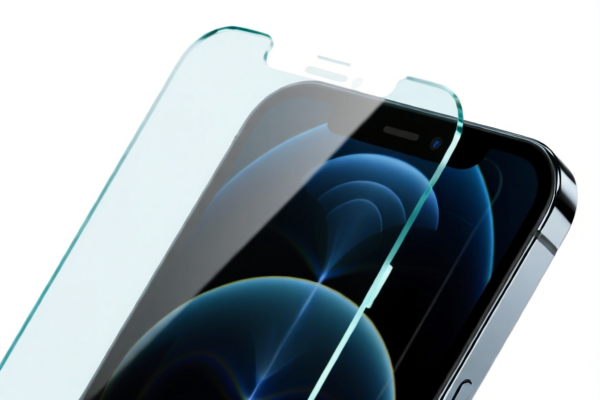
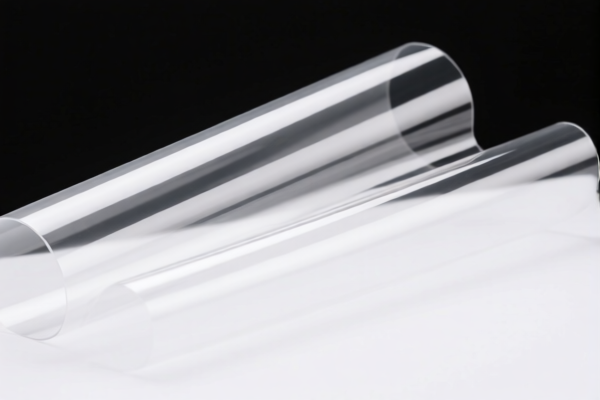
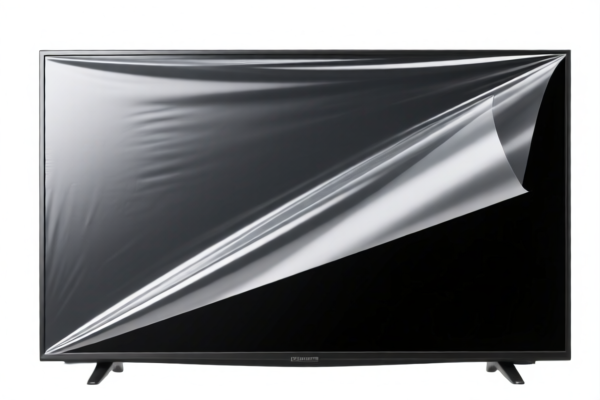
AI Analysis
🛡️ Screen Protector (Film & Membrane for Electronics)
🌐 HS Code Reference & Customs Clearance Guide | 2026 Latest Tariff Analysis | Strategic Entry for US Market
📌 I. Product Definition: What is a "Screen Protector"?
A Screen Protector is a thin, flat, adhesive film designed to shield the display of smartphones, tablets, wearables, and other electronic devices from scratches, impacts, and fingerprints. In international trade, its classification depends heavily on material composition (Plastic/PET/TPU) and physical form (Membrane/Film/Sheet).
⚠️ Key Classification Logic: - If it is an adhesive self-stick product made of plastic: It often falls under 3919 (Self-adhesive plastics). - If it is a non-adhesive or general plastic film without specific adhesive characteristics defined for "sheets": It may fall under 3920 (Other plates, sheets, films).
📦 II. HS Code Classification Details (2026 Latest Tariff Mapping)
Based on current trade data and 2026 tariff projections, here is the breakdown for Screen Protectors:
| HS Code | Product Description | Key Characteristics | Material/Form |
|---|---|---|---|
3919.90.50.60 |
Screen Protector (Adhesive Film) | Thin film, plastic, self-adhesive, unlisted specific category. | Plastic (Adhesive) / Film |
3919.90.50.40 |
Screen Protector (PET Film) | Membrane/Film shape, Plastic/PET, self-adhesive. | PET / Plastic / Self-adhesive |
3920.99.10.00 |
Screen Protector (Plastic Sheet) | Form: Film; Material: Plastic (PET/TPU), other plastic sheets/films. | PET/TPU / Non-adhesive or General |
3920.99.20.00 |
Screen Protector (Plastic Sheet) | Form: Membrane/Sheet; Material: Plastic (PET/TPU). | PET/TPU / General Plastic |
🔍 Critical Distinction: - 3919 Series: Specifically for Self-Adhesive products. If your screen protector has an adhesive backing factory-applied for direct sticking, this is the primary category. - 3920 Series: For general plastic sheets/films. Used if the product is a raw film or lacks specific "self-adhesive" classification in the detailed subheadings.
💰 III. 2026 US Tariff Rate Breakdown (China Origin)
✅ Applicable Country: United States (US) ✅ Country of Origin: China (CN) ✅ Effective Date: From Nov 10, 2025 (Including subsequent imports)
🎯 1. 3919.90.50.60 & 3919.90.50.40 (Self-Adhesive Plastic)
These codes cover the majority of standard adhesive screen protectors.
| Item | Details |
|---|---|
| Base Tariff (MFN) | 5.8% |
| Section 301 Additional Duty | +25.0% (Standard US Section 301 tariff on Chinese plastics) |
| 122-Clause (Special) Tariff | +10.0% (Specific "122 Clause" provision for these items) |
| Total Tax Rate | 40.8% |
| Tax Calculation | CIF Value × 40.8% |
| De Minimis Exemption | ❌ NO (This is Deny de_minimis; all imports taxed fully) |
| Legal Path | Base: 5.8% + Sec301: 25.0% + Clause122: 10.0% |
📌 Explanation: - Base Tariff (5.8%): Standard Most-Favored-Nation (MFN) rate for plastic films. - Section 301 (25%): Heavy penalty imposed under US Trade Law for Chinese imports in this category. - 122-Clause (10%): A specific additional duty targeting "other self-adhesive plastic sheets/films" to protect domestic manufacturers. - Total: 40.8% is a very high combined rate, significantly impacting profit margins.
🎯 2. 3920.99.10.00 (Plastic Film/Sheets)
Covers non-adhesive or broadly classified plastic films (e.g., raw TPU/PET rolls).
| Item | Details |
|---|---|
| Base Tariff (MFN) | 6.0% |
| Section 301 Additional Duty | +25.0% |
| 122-Clause (Special) Tariff | +10.0% |
| Total Tax Rate | 41.0% |
| Tax Calculation | CIF Value × 41.0% |
| De Minimis Exemption | ❌ NO (Strictly taxed) |
🎯 3. 3920.99.20.00 (Plastic Sheets/Membranes)
Another sub-category for general plastic sheets, often for specific thickness or application nuances.
| Item | Details |
|---|---|
| Base Tariff (MFN) | 4.2% |
| Section 301 Additional Duty | +25.0% |
| 122-Clause (Special) Tariff | +10.0% |
| Total Tax Rate | 39.2% |
| Tax Calculation | CIF Value × 39.2% |
| De Minimis Exemption | ❌ NO |
📌 Note: Even though the base tariff varies (4.2% - 6.0%), the Section 301 (25%) + Clause 122 (10%) is constant, keeping the total tax between 39.2% and 41.0%.
🛠️ IV. Customs Clearance Practical Tips (Survival Guide)
✅ 1. Documentation Checklist (Must-Haves)
| Document | Requirement | Why It Matters |
|---|---|---|
| Product Spec Sheet | ✔️ Required | Must clearly state: "Plastic", "PET/TPU", "Thickness (mm)", "Adhesive: Yes/No". |
| Material Safety Data Sheet (MSDS) | ✔️ Highly Recommended | Proves chemical composition of the adhesive and plastic. |
| Commercial Invoice | ✔️ Required | Must describe as "Screen Protector Film" or "Plastic Sheet", NOT just "Accessories". |
| Origin Certificate (CO) | ✔️ Required | Critical to prove origin. If from Vietnam/Malaysia, potential tariff mitigation (check trade agreements). |
| Photos of Packaging | ✔️ Required | Show the label, brand, and physical shape (rolled or cut to size). |
✅ 2. Declaration Strategy (Golden Rules)
🔥 "Be Specific: Plastic Type + Adhesive Status!"
| Scenario | Correct Declaration | Wrong Declaration (Risk) |
|---|---|---|
| Adhesive Film (Standard) | 3919.90.50.40/60: "Screen Protector, Self-adhesive Plastic Film" |
"Plastic Sheet" (Vague) → Risk of audit |
| Non-Adhesive Roll | 3920.99.10.00: "PET Film for Screen Protection, Non-adhesive" |
"Screen Protector" (Implies adhesive) → Misclassification |
| Packaging | Include "Glass" or "Hard Case" separately | Mixing Glass with Plastic Film in one HS Code → Customs Rejection |
⚠️ Crucial Warning: - Do NOT group Screen Protectors with "Phone Cases" (usually 4202) or "Glass" (7005/7006). - Do NOT ship under "Accessories" or "Miscellaneous" to hide the true nature; US Customs is very strict on 122-Claued items.
✅ 3. Special Situations
| Situation | Advice |
|---|---|
| OEM Custom Orders | Provide the customer's design file; declare the material composition precisely (e.g., "TPU with 4.2% Base Tariff"). |
| Mixed Containers | Ensure Screen Protectors are not mixed with exempt items; the entire container may face increased scrutiny. |
| De Minimis (Section 321) | ❌ Strictly Prohibited for these items. Even if the value is under $800, if the HS Code is 3919/3920 with these clauses, no exemption applies. |
🌍 V. Global Market Comparison (2026 Snapshot)
| Region | Recommended HS Code | Est. Total Tariff (CN Origin) | Key Constraint |
|---|---|---|---|
| 🇺🇸 USA | 3919.90.50.40/60 or 3920.99.x |
39.2% – 41.0% | Section 301 + 122 Clause (No De Minimis) |
| 🇨🇳 China | Same Codes | 5.8% – 6.0% | No Section 301; Domestic market only |
| 🇪🇺 EU | 3920.99 |
0% – 4.5% | CE, RoHS required; No Section 301 |
| 🇯🇵 Japan | 3920.99 |
0% – 5.5% | PSE/Technical standards required |
| 🇦🇺 Aus. | 3920.99 |
5% – 10% | No Section 301 |
📌 Conclusion: The US Market is the most expensive due to the "122 Clause" and Section 301. If your product is destined for the US, you must price in the ~40% tax or find a supply chain outside China (e.g., Vietnam) to potentially avoid these specific clauses (subject to strict rules of origin).
📌 VI. Common Pitfalls & Avoidance Guide
❌ Mistake 1: Declaring as "Plastic Roll" without mentioning "Adhesive". 👉 Result: Customs may suspect you are hiding the "Self-Adhesive" nature (3919) which might have a different base rate or specific 122-clause trigger.
❌ Mistake 2: Claiming "De Minimis" ($800 limit). 👉 Result: Rejection and Seizure. The 122 Clause and Section 301 explicitly deny de minimis exemptions for these HS codes.
❌ Mistake 3: Mixing with Glass Protectors. 👉 Result: Glass (7006) has different tariffs. Mixing them complicates the shipment and increases audit risk.
✅ Best Practice:
"Screen Protector, Self-Adhesive, PET Film, 0.3mm, 2026 US Import, HS 3919.90.50.40, Origin China."
🎯 VII. Final Verdict: Strategic Entry
🔹 Rule: "Adhesive = 3919, Non-Adhesive = 3920. Both = ~40% Tax in USA." 🔹 Action: If shipping from China to the US, calculate the 40.8% cost into your landing price immediately. 🔹 Strategy: Consider Third-Country Assembly (e.g., Vietnam) to see if the "122 Clause" applies to the specific origin. Do not attempt to under-declare; penalties are severe.
✨ Professional Customs, Starting with Precise Classification! 💼 Every cent of your cost must be calculated accurately to stay competitive!
Customer Reviews
About HS Code Classification
The Harmonized System (HS) is an internationally standardized nomenclature developed by the World Customs Organization (WCO) to classify traded products. Over 200 countries use the HS system as the basis for customs tariffs, trade statistics, and import/export regulations.
Each HS code follows a hierarchical structure:
- Chapter (2 digits) — Broad category of goods (e.g., Chapter 84: Machinery and Mechanical Appliances)
- Heading (4 digits) — More specific grouping within the chapter
- Subheading (6 digits) — Internationally standardized breakdown, used by all WCO member countries
- National subdivisions (8-10 digits) — Country-specific extensions for further classification, such as US HTSUS 10-digit codes
Correct HS code classification is essential for smooth customs clearance, accurate duty payment, and compliance with trade regulations. Misclassification can lead to customs delays, overpayment of duties, or penalties.
When importing from CN to US, the applicable tariff rates may include:
- Most-Favored-Nation (MFN) rate — The standard duty rate applied to WTO members
- General rate — Applied to countries without trade agreements
- Trade remedy duties — Additional tariffs such as Section 301 (anti-dumping), Section 232 (national security), or countervailing duties
The information provided on this page is for reference purposes only. For official classification, please consult with your local customs authority or a licensed customs broker.