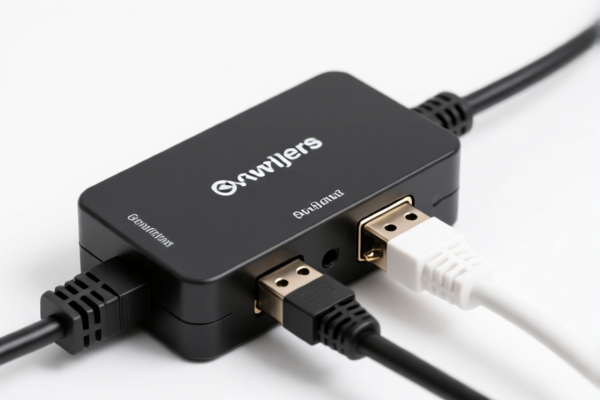
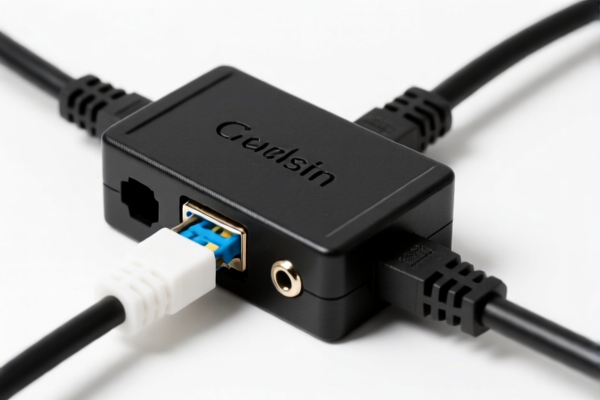
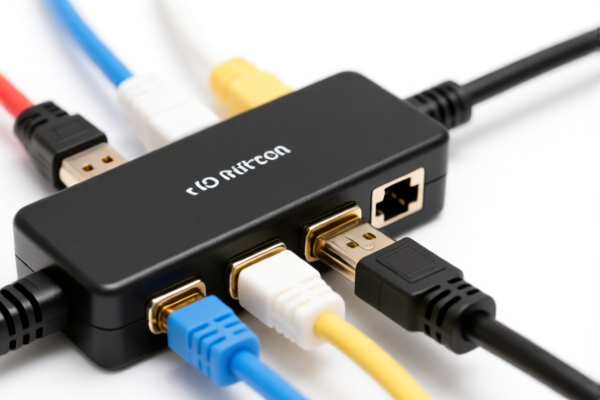
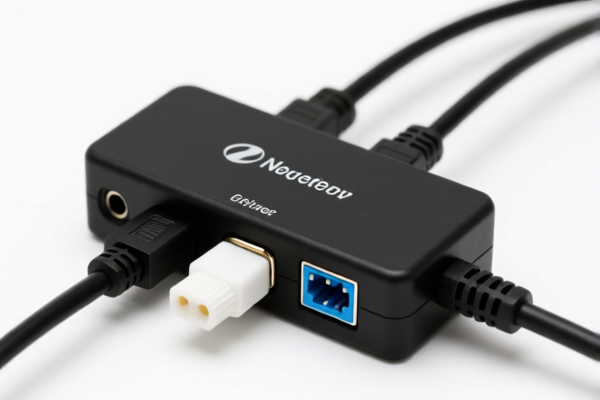
screen splitter
CN → US| HS Code | Tariff Rate | Origin | Destination | Doc |
|---|---|---|---|---|
| 8543706000 | 35.0% | CN | US | Official Doc |
| 8543709860 | 37.6% | CN | US | Official Doc |
| 8528592300 | 21.4% | CN | US | Official Doc |
| 8528713000 | 17.5% | CN | US | Official Doc |
| 8518298000 | 17.5% | CN | US | Official Doc |
| 8518908100 | 35.0% | CN | US | Official Doc |
Product Images
AI Analysis
📺 Screen Splitter & Audio/Video Processing Units
🌐 HS Code Reference & Customs Clearance Guide | 2026 Latest Tariff Analysis | Professional Clearance Strategy
📌 I. Product Definition & Classification: What is a "Screen Splitter"?
A "Screen Splitter" is a generic term often used in trade for devices that manage, process, or distribute audio and video signals. In international trade, this term is not specific enough for customs classification. Depending on the internal hardware and function, these devices fall into completely different HS Code categories with drastically different tax implications.
They generally fall into two main categories: 1. Audio/Visual Output Devices: Devices that include speakers, amplifiers, or are part of a sound/video reproduction system. 2. Electronic Signal Processing Units: Devices that process signals for telegraphic/telephonic apparatus or data processing networks (e.g., HDMI splitters, video matrix switchers).
⚠️ Critical Distinction:
- If the device amplifies sound or includes loudspeakers → It is classified under Heading 8518 (Sound Equipment).
- If the device processes signals for TV/Telecom/Data Networks (e.g., HDMI/VGA splitters) → It is classified under Heading 8543 (Other Electrical Machines/ Apparatus).
📦 II. HS Code Classification Details (2026 Latest Tariff Authority Comparison)
Based on the provided <DATA>, here are the precise HS Codes corresponding to common "Screen Splitter" configurations:
| HS Code | Product Description | Typical Scenario | Tax Rate (Total) |
|---|---|---|---|
8518.29.80.00 |
Loudspeakers, whether or not mounted in their enclosures: Other: Other | Audio-visual kits where the "splitter" is part of a set with speakers or amplifiers. Often misclassified "all-in-one" multimedia boxes. | 7.5% |
8518.90.81.00 |
Parts: Other: Other | Replacement parts for audio equipment (e.g., amplifier boards, speaker components) sold separately. | 25.0% |
8543.70.60.00 |
Articles designed for connection to telegraphic or telephonic apparatus or to telegraphic or telephonic networks | HDMI Splitters, Video Matrix Switchers, Signal Processors. Devices that split/combine video signals for TV or data networks without built-in speakers. | 25.0% |
8543.70.98.60 |
Other Machines and Apparatus: Other: Other Other Other | General Video/Audio Processors not specifically listed elsewhere. Used for specialized signal processing that doesn't fit the "telegraphic" definition strictly or is a generic electrical apparatus. | 27.6% |
8528.59.23.00 |
Other monitors: Color: With a flat panel screen: Incorporating video recording or reproducing apparatus: Other | Integrated Display Units that split/record video. If the "splitter" is actually a monitor with recording capabilities, it falls here. | 11.4% |
8528.71.30.00 |
Reception apparatus for television... Printed circuit assemblies incorporating a tuner, of a kind used with data processing machines | TV Tuner Modules/PCBs used in data processing machines. If the "splitter" is just a tuner board for a computer-based TV system. | 7.5% |
🔍 Key Insight:
- Most pure HDMI/Video Splitters (no speakers) should be classified under8543.70series (typically8543.70.60.00or8543.70.98.60).
- Do NOT classify pure signal splitters under8518(Speakers) unless they have built-in audio amplification/speakers.
- The tax difference between 7.5% and 25-27.6% is significant!
💰 III. 2026 Latest Tariff Rate Breakdown (Including Additional Taxes)
✅ Applicable Country: United States (US)
✅ Origin: China (CN)
✅ Effective Date: 2025/2026 (Current Rates)
🎯 1. 8518.29.80.00 – Loudspeakers/Video Audio Kits
If your "screen splitter" is marketed as an "Audio-Visual Speaker System" or includes amplifiers.
| Item | Detail |
|---|---|
| Base Duty | 0.0% |
| Section 301 Surcharge | 7.5% |
| Total Tax | 7.5% |
| Legal Path | Base Tariff + Section 301 List 4B |
📌 Explanation:
- This is the lowest tax rate for audio-video related hardware in this dataset.
- Strategy: If your device has any audio amplification capability, ensure it is classified under8518.29.80.00rather than8543to save ~18% in tariffs.
🎯 2. 8543.70.60.00 – Signal Processing for Telecom/Data Networks
Typical for HDMI Splitters, KVM Switches, Video Signal Processors.
| Item | Detail |
|---|---|
| Base Duty | 0.0% |
| Section 301 Surcharge | 25.0% |
| Total Tax | 25.0% |
| Legal Path | Base Tariff + Section 301 List 3/4A |
📌 Explanation:
- This is a high-risk category. Many importers incorrectly declare HDMI splitters as8543.70.60.00expecting lower rates, but if the product is deemed "Other," it may move to8543.70.98.60.
- Verification: Ensure the device is explicitly designed for "telegraphic/telephonic" or data network signal management.
🎯 3. 8543.70.98.60 – Other Electrical Machines/Apparatus
For generic video splitters that don't strictly fit "telegraphic" definitions or are complex signal processors.
| Item | Detail |
|---|---|
| Base Duty | 2.6% |
| Section 301 Surcharge | 25.0% |
| Total Tax | 27.6% |
| Legal Path | Base Tariff (2.6%) + Section 301 List 3/4A (25.0%) |
📌 Explanation:
- This is the highest tax rate in the dataset.
- Avoid this classification if possible. It applies to "catch-all" electronic apparatuses not specified elsewhere.
🎯 4. 8528.59.23.00 – Integrated Monitors with Recording
For screen splitters that are actually "Smart Displays" with recording functions.
| Item | Detail |
|---|---|
| Base Duty | 3.9% |
| Section 301 Surcharge | 7.5% |
| Total Tax | 11.4% |
| Legal Path | Base Tariff + Section 301 List 4B |
📌 Explanation:
- If your product is a monitor (has a screen) that splits/splits/rec video, it falls under8528.
- Strategy: If your device has a built-in screen, declare it as a Monitor (8528) rather than a "Splitter" (8543) to reduce tax from 25% to 11.4%.
🛠️ IV. Customs Clearance Practical Advice (Real-World Pitfall Guide)
✅ 1. Preparation Checklist (Must-Have Documents)
| Document | Requirement | Purpose |
|---|---|---|
| Product Specification Sheet | ✔️ Must include Internal Block Diagram | Proves if the device has speakers (8518) or just signal processing (8543). |
| Circuit Board Photos | ✔️ Clear view of chips | Identifies if it's a tuner module (8528.71.30.00) or a general processor. |
| Marketing Materials | ✔️ Labels, User Manual | Shows if it's marketed as a "Speaker," "Monitor," or "Signal Splitter." |
| Functional Description | ✔️ Detailed text | Explains how it splits signals (e.g., "HDMI to VGA conversion" vs. "Audio amplification"). |
| Commercial Invoice | ✔️ Accurate Description | Avoid vague terms like "Screen Splitter." Use precise terms like "HDMI Signal Processor" or "Video Amplifier." |
✅ 2. Declaration Strategy (Key Mantras)
🔥 "No Screen = 8543; With Screen = 8528; With Speaker = 8518!"
| Scenario | Correct HS Code | Tax | Wrong Code | Wrong Tax |
|---|---|---|---|---|
| HDMI Splitter (No Screen, No Speaker) | 8543.70.60.00 |
25.0% | 8518.29.80.00 |
7.5% (Under-declaration Risk) |
| HDMI Splitter (No Screen, No Speaker) | 8543.70.98.60 |
27.6% | 8543.70.60.00 |
25.0% (Over-declaration) |
| Splitter with Built-in Speakers | 8518.29.80.00 |
7.5% | 8543.70.60.00 |
25.0% (Over-declaration) |
| Splitter with Built-in Screen | 8528.59.23.00 |
11.4% | 8543.70.60.00 |
25.0% (Over-declaration) |
| TV Tuner Module for PC | 8528.71.30.00 |
7.5% | 8543.70.60.00 |
25.0% (Over-declaration) |
✅ 3. Special Handling Cases
| Case | Advice |
|---|---|
| "All-in-One" Media Box | If it has a screen AND speakers, declare as Monitor (8528) or Speaker (8518) depending on primary function. Do NOT declare as "Splitter." |
| OEM/White Label | Ensure the spec sheet matches the physical product. If you sell "Signal Processors" but they have amplifier chips, customs will reclassify to 8518 or 8543.70.98.60. |
| Parts vs. Whole Unit | If selling just the circuit board, use 8543.70.60.00 or 8518.90.81.00. Do not declare as a whole unit to avoid higher duties on the "complete apparatus." |
🌍 V. Global Market Clearance Comparison (2026)
| Country/Region | Recommended HS Code | Tariff | Notes |
|---|---|---|---|
| 🇺🇸 USA | 8543.70.60.00 |
25.0% | High risk of reclassification to 8543.70.98.60 (27.6%). |
| 🇺🇸 USA | 8518.29.80.00 |
7.5% | Only if device has audio amplification. |
| 🇪🇺 EU | 8543.70.99 |
Varies | EU uses 8-digit codes. Generally lower base tariffs, but VAT applies. |
| 🇨🇳 China | 8543.70.99 |
0% - 5% | Low entry barriers for imports into China. |
| 🇯🇵 Japan | 8543.70.90 |
0% - 5% | Similar to EU, focus on CE/FCC compliance for export. |
📌 Conclusion:
- USA is the most challenging market for "Screen Splitters" due to high Section 301 tariffs.
- Optimization Strategy: If your device has any audio output, consider classifying it under8518(7.5%) if technically defensible. If it has a screen, classify under8528(11.4%).
- Avoid8543.70.98.60(27.6%) by providing clear technical documents proving it fits8543.70.60.00(Telecom/Data Network Apparatus).
📌 VI. Common Errors & Pitfalls (Lessons Learned)
❌ Error 1: Declaring an HDMI Splitter as "Computer Peripheral"
👉 Result: Misclassification. Customs will look at the function. If it's for video/network, it's 8543.
👉 Risk: Audit & Back Taxes.
❌ Error 2: Ignoring the "Speaker" Feature
👉 Result: If the splitter amplifies audio, it must be 8518. Declaring as 8543 (25%) when it should be 8518 (7.5%) is an over-declaration. While less risky than under-declaration, it hurts profit margins.
❌ Error 3: Using Vague Descriptions like "Screen Splitter"
👉 Result: CBP (US Customs) has the right to reclassify vague terms. They may choose the highest applicable code (8543.70.98.60 - 27.6%).
👉 Fix: Use precise descriptions: "HDMI Signal Distributor, Model XYZ, No Audio Amplification."
❌ Error 4: Confusing "Monitor" with "Display Module"
👉 Result: If the device has a screen, it's a Monitor (8528). If it's just a panel, it's 8524.
👉 Fix: Check for control boards, casings, and power supplies.
✅ Correct Declaration Example:
"HDMI Video Signal Splitter, 1x4 Output, Model ABC, No Built-in Audio Amplification, FCC Certified"
→ HS Code:8543.70.60.00(25.0%)
OR
"Audio Video Switcher with Speaker Output, Model XYZ, 12V DC"
→ HS Code:8518.29.80.00(7.5%)
🎯 VII. Conclusion: Precision Saves Money
🎯 Remember the Mantra:
🔹 "Signal Only? Check 8543. Audio Amp? Go 8518. Screen? Go 8528."
🔹 "Vague Terms Lead to High Taxes. Be Specific to Save 20%+."
📌 Pro Tip:
If you are importing large volumes, consider applying for an Advance Ruling (CBP Ruling) before shipment. This legally binds CBP to your classification, providing certainty for the 25-27.6% tax bracket.
📣 Immediate Action:
📞 Consult with a licensed customs broker.
📤 Provide Block Diagrams and Function Descriptions.
🚀 Optimize your HS Code to minimize duty while ensuring compliance.
✨ Professional Classification, Profitable Imports!
💼 Your Duty Bill Should Reflect the Product, Not the Confusion.
Customer Reviews
About HS Code Classification
The Harmonized System (HS) is an internationally standardized nomenclature developed by the World Customs Organization (WCO) to classify traded products. Over 200 countries use the HS system as the basis for customs tariffs, trade statistics, and import/export regulations.
Each HS code follows a hierarchical structure:
- Chapter (2 digits) — Broad category of goods (e.g., Chapter 84: Machinery and Mechanical Appliances)
- Heading (4 digits) — More specific grouping within the chapter
- Subheading (6 digits) — Internationally standardized breakdown, used by all WCO member countries
- National subdivisions (8-10 digits) — Country-specific extensions for further classification, such as US HTSUS 10-digit codes
Correct HS code classification is essential for smooth customs clearance, accurate duty payment, and compliance with trade regulations. Misclassification can lead to customs delays, overpayment of duties, or penalties.
When importing from CN to US, the applicable tariff rates may include:
- Most-Favored-Nation (MFN) rate — The standard duty rate applied to WTO members
- General rate — Applied to countries without trade agreements
- Trade remedy duties — Additional tariffs such as Section 301 (anti-dumping), Section 232 (national security), or countervailing duties
The information provided on this page is for reference purposes only. For official classification, please consult with your local customs authority or a licensed customs broker.