screws
CN → US| HS Code | Tariff Rate | Origin | Destination | Doc |
|---|---|---|---|---|
| 7415338010 | 88.0% | CN | US | Official Doc |
| 7318152095 | 85.0% | CN | US | Official Doc |
| 7415330500 | 88.0% | CN | US | Official Doc |
| 8308206000 | 35.0% | CN | US | Official Doc |
| 7318152010 | 85.0% | CN | US | Official Doc |
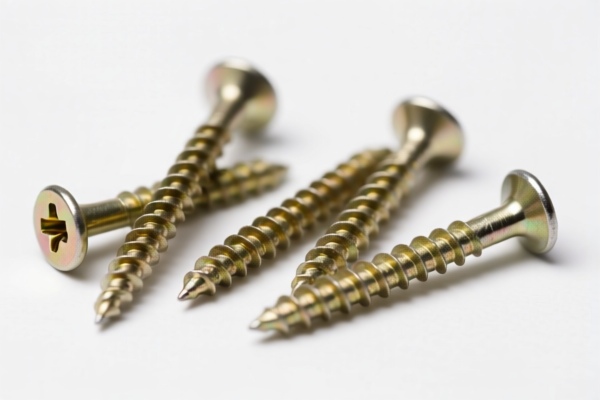
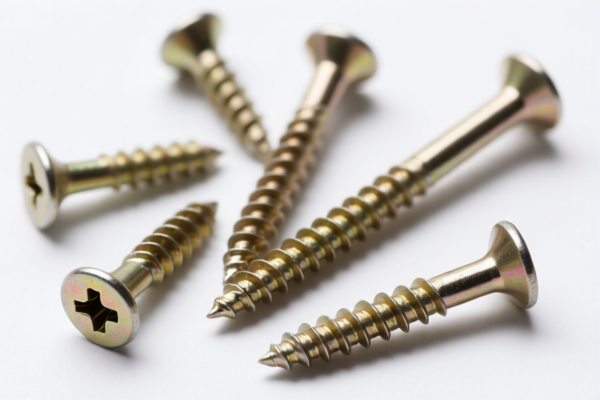
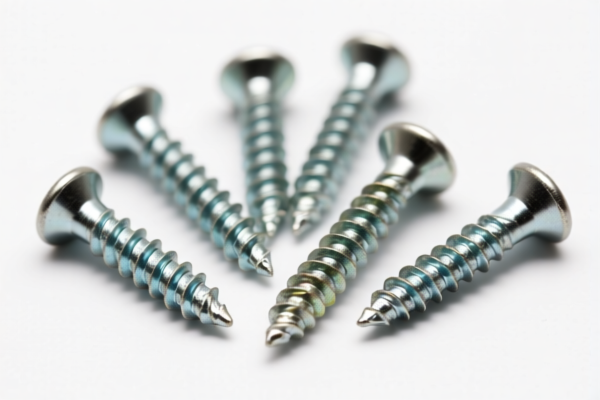
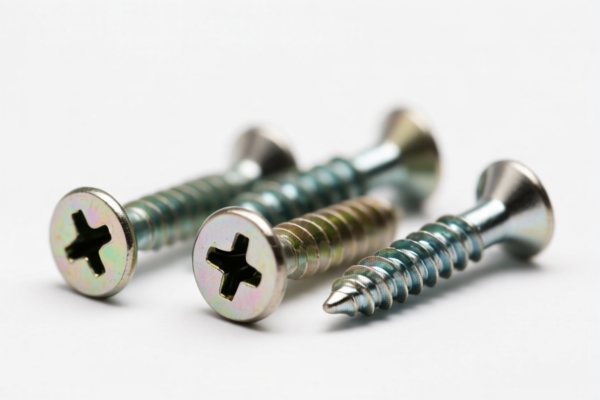
Product Images
AI Analysis
🔩 Screws (Fasteners)
🌐 HS Code Reference & Customs Clearance Guide | 2026 Latest Tariff Analysis | Professional Clearance Strategy
📌 Part I: Product Definition & Classification: Are You Classifying "Screws" Correctly?
In international trade, "Screws" are broadly categorized as metal fasteners. However, the specific HS Code depends entirely on the material composition and the structural form (e.g., whether it is a standard threaded screw or a rivet-like fastener). Misclassification can lead to massive tax discrepancies due to the high additional tariffs applied to steel, aluminum, and copper products.
⚠️ Key Distinction:
- Copper-based screws:归入 Chapter 74 (Copper articles). High tax burden due to material-specific add-ons.
- Iron/Steel-based screws: 归入 Chapter 73 (Iron/Steel articles). High tax burden due to material-specific add-ons.
- Other Base Metal Screws/Rivets: 归入 Chapter 83. Generally lower base tax, but still subject to major add-ons.
📦 Part II: HS Code Classification Details (2026 Latest Tariff Authority)
Based on the provided data, here are the precise classifications for Screws, differentiated by material and form.
| HS Code | Product Description | Material Inference | Tax Rate | Legal/Tariff Basis Summary |
|---|---|---|---|---|
7415.33.80.10 |
Screws, inferred as Copper (Morphology Match) |
Copper | 88.0% | Base: 3.0% Add-on: 25.0% 122 Clause: 10% Steel/Al/Cu Add-on: 50% |
7318.15.20.95 |
Screws, inferred as Iron/Steel (Morphology Match) |
Iron/Steel | 85.0% | Base: 0.0% Add-on: 25.0% 122 Clause: 10% Steel/Al/Cu Add-on: 50% |
7415.33.05.00 |
Screws, inferred as Copper or Copper-headed Metal (Morphology Match) |
Copper / Copper-Alloy | 88.0% | Base: 3.0% Add-on: 25.0% 122 Clause: 10% Steel/Al/Cu Add-on: 50% |
8308.20.60.00 |
Screws, inferred as Base Metal (Belongs to Rivet Category Fasteners) |
Base Metal (Non-Fe/Cu) | 35.0% | Base: 0.0% Add-on: 25.0% 122 Clause: 10% (Note: No 50% Steel/Al/Cu add-on applies here as per data) |
7318.15.20.10 |
Screws, inferred as Iron/Steel (Themed Products Morphology) |
Iron/Steel | 85.0% | Base: 0.0% Add-on: 25.0% 122 Clause: 10% Steel/Al/Cu Add-on: 50% |
🔍 Critical Reminder:
- The 50% add-on tariff for "Steel, Aluminum, Copper Products" is a massive cost driver for Chapters 73 and 74. - If your screws are made of Copper, expect an 88% total tax rate. - If your screws are made of Steel/Iron, expect an 85% total tax rate. - If they are classified under 8308 (Rivets/Base Metal non-steel/copper), the rate drops significantly to 35%, but this requires strict proof of material and form (rivet-like).
💰 Part III: 2026 Latest Tariff Rate Details (Including Add-ons & Policy Surcharges)
✅ Applicable Country: USA (US)
✅ Origin: China (CN)
✅ Effective Time: 2025/2026 (Current Regulatory Environment)
🎯 1. Copper Screws (7415.33.80.10 & 7415.33.05.00)
| Item | Content |
|---|---|
| Base Rate | 3.0% (Ad Valorem) |
| USITC Add-on Tariff | +25.0% (Section 301/General Add-on) |
| 122 Clause Tariff | +10.0% (Specific clause for certain goods) |
| Steel, Al, Cu Add-on | +50.0% (Targeting Chinese Steel, Aluminum, Copper products) |
| Total Tax Rate | 88.0% |
| Tax Calculation | CIF Value × 88% |
| De Minimis Exemption | ❌ Not Eligible (High tariffs usually bypass $800 threshold scrutiny) |
📌 Explanation:
- The 50% surcharge is the critical factor. Even though the base rate is only 3%, the combination of 25% (USITC) + 10% (122 Clause) + 50% (Material Add-on) results in an 88% effective tax rate. - This applies to both7415.33.80.10and7415.33.05.00.
🎯 2. Iron/Steel Screws (7318.15.20.95 & 7318.15.20.10)
| Item | Content |
|---|---|
| Base Rate | 0.0% |
| USITC Add-on Tariff | +25.0% |
| 122 Clause Tariff | +10.0% |
| Steel, Al, Cu Add-on | +50.0% |
| Total Tax Rate | 85.0% |
| Tax Calculation | CIF Value × 85% |
| De Minimis Exemption | ❌ Not Eligible |
📌 Explanation:
- While the base duty for many steel fasteners is 0%, the 50% material add-on kicks in heavily. - Total rate is 85%. This is a high-cost item for importers.
🎯 3. Base Metal/Rivet-like Screws (8308.20.60.00)
| Item | Content |
|---|---|
| Base Rate | 0.0% |
| USITC Add-on Tariff | +25.0% |
| 122 Clause Tariff | +10.0% |
| Steel, Al, Cu Add-on | N/A (Not applicable to this specific subheading in this data set) |
| Total Tax Rate | 35.0% |
| Tax Calculation | CIF Value × 35% |
| De Minimis Exemption | ❓ Check Eligibility (Lower rate may allow for de minimis consideration depending on CBP interpretation) |
📌 Explanation:
- This classification (8308.20.60.00) is for Rivets or similar fasteners made of base metals (excluding steel/copper specific subheadings). - It avoids the 50% Steel/Al/Cu add-on, resulting in a much more manageable 35% tax rate. - Caution: You must prove the item is structurally a "rivet" or falls under this specific "base metal" category, not a standard steel screw.
🛠️ Part IV: Customs Clearance Operational Advice (Practical Pitfall Avoidance Guide)
✅ 1. Required Documentation Checklist (Non-Negotiable)
| Document | Must Provide | Explanation |
|---|---|---|
| ✅ Product Specification Sheet | ✔️ | Must explicitly state Material Composition (e.g., "Copper Alloy C110", "Carbon Steel 1045"). |
| ✅ Material Certification (Mill Cert) | ✔️ | Crucial for proving if it's Steel, Copper, or other base metal. Without this, customs may default to higher tariffs. |
| ✅ Product Photos (Clear) | ✔️ | Show head type, thread, and overall shape. Helps distinguish "Screw" from "Rivet". |
| ✅ Commercial Invoice | ✔️ | Clearly state: "Screws, [Material], for use in [Application]". Avoid generic "Fasteners". |
| ✅ Packing List | ✔️ | Consistent with invoice and specs. |
✅ 2. Classification Strategy (Key Mantra)
🔥 “Material Dictates Rate, Form Dictates Code, 50% Add-on is the Killer!”
| Scenario | Correct Classification | Incorrect Classification | Consequence |
|---|---|---|---|
| Copper Screws | 7415.33.80.10 / 05.00 (88%) |
Misclassified as Steel (7318...) |
Still 85-88%, but risk of audit for false origin claim. |
| Steel Screws | 7318.15.20.95 / 10 (85%) |
Misclassified as Aluminum or Other | If Aluminum, similar high tax. If Other Base Metal (8308), you save 50% BUT risk penalty for misclassification. |
| Rivet-like Fasteners | 8308.20.60.00 (35%) |
Classified as Screw (7318...) |
Major Savings! But requires proof of rivet structure. If caught as screw, back-tariffs + penalties. |
| Mixed Material | Split Declaration | One HS Code for all | Danger! Customs will audit the whole lot. Separate by material. |
✅ 3. Special Case Handling
| Situation | Handling Advice |
|---|---|
| Copper-headed Steel Screws | Often classified as Copper (7415...) if the head defines the character. Expect 88%. Check specific ruling. |
| Plastic-coated Screws | If the plastic coating is substantial, it might move to Chapter 39. If just a thin coat, it remains Chapter 73/74. |
| OEM Custom Screws | Provide CAD drawings showing material specs. |
| Small Batches (De Minimis) | Be aware that high tariffs (85-88%) usually make de minimis ($800) filing risky or non-compliant if the true value exceeds thresholds after tax. |
🌍 Part V: Global Market Comparison (2026 Context)
| Country/Region | Recommended HS Code (Example) | Estimated Tariff (China Origin) | Notes |
|---|---|---|---|
| 🇺🇸 USA | 7318.15.20.95 / 7415.33.80.10 |
85% - 88% (Steel/Cu) 35% (Base Metal/Rivet) |
High Risk. 50% add-on on Steel/Cu is brutal. |
| 🇨🇳 China | 7318.15.20 / 7415.33 |
0% - 3% | No additional add-ons. Favorable for re-export? |
| 🇪🇺 EU | 7318.15 / 7415.33 |
~5% - 7% | No 50% add-on. Much more competitive. |
| 🇬🇧 UK | 7318.15 / 7415.33 |
~6% | Post-Brexit tariff regime. |
📌 Conclusion:
- The USA market is exceptionally hostile to imported steel and copper screws due to the 50% material add-on. - For US-bound shipments, if possible, explore if the fastener can be legitimately classified under 8308.20.60.00 (35%) due to rivet-like form, or consider sourcing from non-China origins (e.g., Vietnam, Malaysia) to mitigate Section 301 risks (if applicable). - For EU/UK, tariffs are standard and manageable (~5-7%).
📌 Part VI: Common Errors & Pitfalls (Lessons Learned)
❌ Mistake 1: Declaring all screws as 7318.15 regardless of material.
👉 Result: If they are Copper, you are under-declaring the material-specific surcharges or risking audit for misdeclaration. If they are 8308, you are overpaying by 50%.
❌ Mistake 2: Ignoring the "122 Clause" and "50% Add-on".
👉 Result: Your landed cost calculation is off by 60%+. You lose all profit margins.
❌ Mistake 3: Using "Fasteners" as a generic description.
👉 Result: Customs may select the highest duty rate for examination or demand additional documentation, causing delays.
❌ Mistake 4: Assuming small shipments avoid tariffs.
👉 Result: Even de minimis shipments with high tariff codes (88%) are subject to scrutiny if deemed commercial.
✅ Correct Practice:
"Steel Machine Screws, Hex Head, Grade 5, Heat Treated, Made in China, HTS 7318.15.20.95"
"Copper Screws, Pan Head, Brass Alloy, HTS 7415.33.80.10"
🎯 Part VII: Conclusion: Precision Saves Money
🎯 Remember the Mantra:
🔹 "Steel & Copper: 85-88%. Base Metal/Rivet: 35%. Verify Material!"
🔹 "HS Code is not just a number, it's your tax bill. 50% Add-on is the silent killer."
📌 Pro Tip:
If you are importing high-volume screws to the US:
1. Audit your Bill of Materials: Is it truly Steel? Copper? Or a different Base Metal?
2. Evaluate Form: Can it be classified as a Rivet under 8308.20.60.00? (Saves 50%).
3. Source Diversification: Consider non-China supply chains to avoid Section 301 and 122 Clause impacts.
4. Pre-Ruling: Apply for a Customs Ruling before shipping to lock in the HS Code and ensure no surprise penalties.
📣 Immediate Action:
📞 Contact your Customs Broker NOW.
📄 Provide Material Specs & Photos.
💸 Calculate Landed Cost with 88% vs 35% scenarios.
🚀 Optimize your HS Code to save 50% on taxes!
✨ Professional Clearance Starts with Accurate Classification!
💼 Your Every Penny is Worth Precise Calculation!
Customer Reviews
About HS Code Classification
The Harmonized System (HS) is an internationally standardized nomenclature developed by the World Customs Organization (WCO) to classify traded products. Over 200 countries use the HS system as the basis for customs tariffs, trade statistics, and import/export regulations.
Each HS code follows a hierarchical structure:
- Chapter (2 digits) — Broad category of goods (e.g., Chapter 84: Machinery and Mechanical Appliances)
- Heading (4 digits) — More specific grouping within the chapter
- Subheading (6 digits) — Internationally standardized breakdown, used by all WCO member countries
- National subdivisions (8-10 digits) — Country-specific extensions for further classification, such as US HTSUS 10-digit codes
Correct HS code classification is essential for smooth customs clearance, accurate duty payment, and compliance with trade regulations. Misclassification can lead to customs delays, overpayment of duties, or penalties.
When importing from CN to US, the applicable tariff rates may include:
- Most-Favored-Nation (MFN) rate — The standard duty rate applied to WTO members
- General rate — Applied to countries without trade agreements
- Trade remedy duties — Additional tariffs such as Section 301 (anti-dumping), Section 232 (national security), or countervailing duties
The information provided on this page is for reference purposes only. For official classification, please consult with your local customs authority or a licensed customs broker.