sealing ring
CN → US| HS Code | Tariff Rate | Origin | Destination | Doc |
|---|---|---|---|---|
| 4016931010 | 37.5% | CN | US | Official Doc |
| 4016935010 | 37.5% | CN | US | Official Doc |
| 3926904590 | 38.5% | CN | US | Official Doc |
| 3926904510 | 38.5% | CN | US | Official Doc |
| 4823906000 | 35.0% | CN | US | Official Doc |
| 4823908000 | 35.0% | CN | US | Official Doc |
Product Images
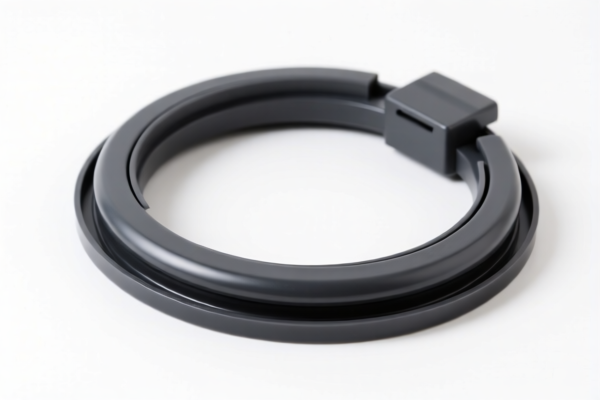
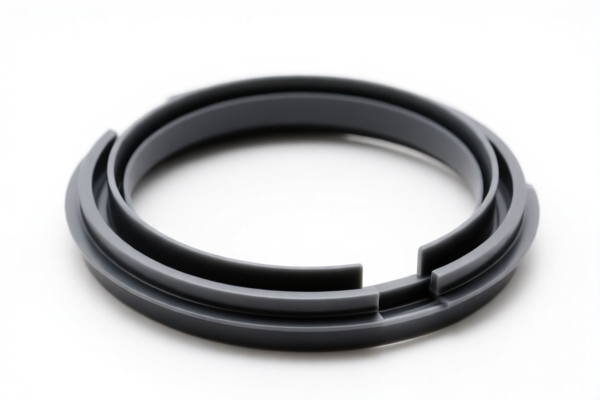
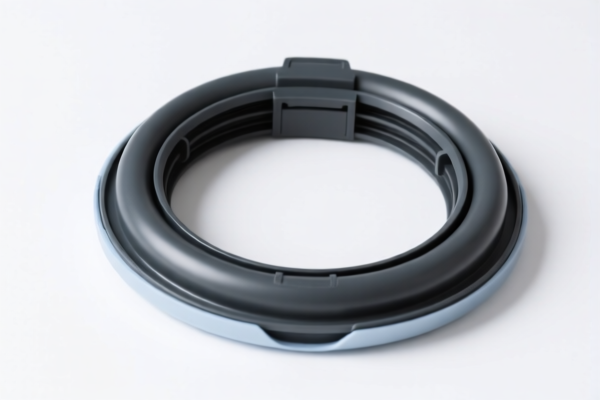
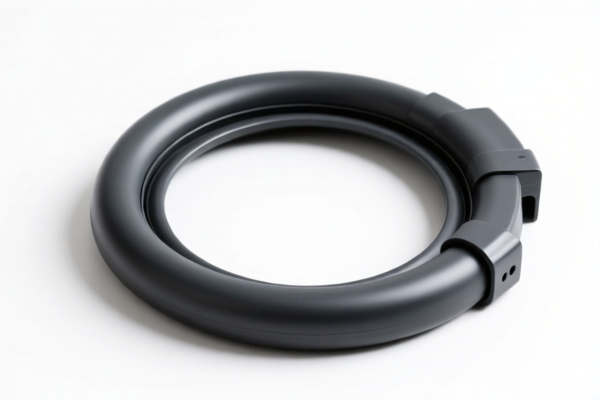
AI Analysis
🛡️ Sealing Ring (Gaskets & Seals)
🌐 HS Code Reference & Customs Clearance Guide | 2026 Latest Tariff Analysis | Professional-Level Strategy
📌 I. Product Definition & Classification: Do You Really Know "Sealing Rings"?
A Sealing Ring is a critical component used to prevent the leakage of fluids or gases between two surfaces. In international trade, the Harmonized System (HS) code is strictly determined by the material composition of the seal, as different materials fall under completely different chapters (Chapter 40 for Rubber, Chapter 39 for Plastics, Chapter 48 for Paper).
⚠️ Key Distinction Point:
- Rubber/Elastomer Seals: No material specified? Default tendency is Rubber (Chapter 40).
- Plastic/Polymer Seals: Made of PVC, Nylon, or other synthetic plastics → Chapter 39.
- Paper/Cardboard Seals: Industrial gaskets made from compressed paper → Chapter 48.
📦 II. HS Code Classification Details (2026 Latest Tariff Authoritative Comparison)
| HS Code | Product Description | Material Inference | Total Tax Rate | Tax Breakdown |
|---|---|---|---|---|
4016.93.10.10 |
Sealing Strip/Member | Rubber (Unspecified material defaults to rubber category under Chapter 40) | 37.5% | Base: 2.5%, Sec 301: 25.0%, Section 122: 10% |
4016.93.50.10 |
Sealing Strip | Rubber (Inferred as rubber due to function as a seal, Chapter 40 compliance) | 37.5% | Base: 2.5%, Sec 301: 25.0%, Section 122: 10% |
3926.90.45.90 |
Gaskets, Washers, Seals | Plastic (Inferred as plastic, compatible with "Non-O-ring" category in Chapter 39) | 38.5% | Base: 3.5%, Sec 301: 25.0%, Section 122: 10% |
3926.90.45.10 |
Sealing Members | Plastic/Rubber (Inferred as Plastic or Rubber, Chapter 39 compliance for plastics) | 38.5% | Base: 3.5%, Sec 301: 25.0%, Section 122: 10% |
4823.90.60.00 |
Paper Gaskets/Seals | Paper (Material is paper, used as a seal, fits "Paper/Cardboard & Gaskets" description) | 35.0% | Base: 0.0%, Sec 301: 25.0%, Section 122: 10% |
🔍 Crucial Note:
- If the material is not specified on the commercial invoice, customs authorities often default to the most common industrial standard: Rubber (4016.93...).
- Plastic seals incur a slightly higher base duty (3.5% vs 2.5%) compared to rubber, but the total tax impact is similar due to the heavy surcharges.
- Paper seals have the lowest base duty (0.0%) but still face the full surcharge package.
💰 III. 2026 Latest Tariff Rate Breakdown (Including Surcharges & Policy Add-ons)
✅ Applicable Country: United States (US)
✅ Country of Origin: China (CN)
✅ Effective Date: Applies to imports from China (subject to current trade regulations)
🎯 1. Rubber Seals: 4016.93.10.10 & 4016.93.50.10
| Item | Content |
|---|---|
| Base Tariff | 2.5% (Ad Valorem) |
| USITC Surcharge (Sec 301) | +25.0% (Targeted Chinese goods) |
| Section 122 Surcharge | +10.0% (Specific trade measure) |
| Total Effective Rate | 37.5% |
| Tax Calculation | CIF Value × 37.5% |
| De Minimis Exemption? | ❌ No (These goods are subject to full duty collection) |
| Legal Basis Path | USITC:4016.93.10.10 → FOOTNOTE:301 → SECTION:122 |
📌 Explanation:
- The 25% surcharge is the standard penalty for Chinese-made rubber articles under Section 301.
- The 10% Section 122 tariff is an additional layer applied to specific industrial components.
- Total Cost Impact: 37.5% is a significant cost multiplier. Must be factored into FOB/EXW pricing immediately.
🎯 2. Plastic Seals: 3926.90.45.90 & 3926.90.45.10
| Item | Content |
|---|---|
| Base Tariff | 3.5% (Ad Valorem) |
| USITC Surcharge (Sec 301) | +25.0% (Targeted Chinese goods) |
| Section 122 Surcharge | +10.0% (Specific trade measure) |
| Total Effective Rate | 38.5% |
| Tax Calculation | CIF Value × 38.5% |
| De Minimis Exemption? | ❌ No |
| Legal Basis Path | USITC:3926.90.45.90 → FOOTNOTE:301 → SECTION:122 |
📌 Note:
- Plastic seals are slightly more expensive in base duty (3.5% vs 2.5%) than rubber.
- Whether classified as45.90(Other) or45.10(Specific plastic types), the total tax burden is identical.
- Ensure your product description explicitly states "Plastic" to avoid misclassification penalties.
🎯 3. Paper Seals: 4823.90.60.00
| Item | Content |
|---|---|
| Base Tariff | 0.0% (Ad Valorem) |
| USITC Surcharge (Sec 301) | +25.0% (Targeted Chinese goods) |
| Section 122 Surcharge | +10.0% (Specific trade measure) |
| Total Effective Rate | 35.0% |
| Tax Calculation | CIF Value × 35.0% |
| De Minimis Exemption? | ❌ No |
| Legal Basis Path | USITC:4823.90.60.00 → FOOTNOTE:301 → SECTION:122 |
📌 Advantage:
- This is the lowest total tax rate among the three options.
- However, Paper Seals are only suitable for low-pressure, low-temperature applications. Do not misdeclare rubber/plastic seals as paper to save costs; this constitutes customs fraud.
🛠️ IV. Customs Clearance Practical Advice (Combat Pitfall Guide)
✅ 1. Mandatory Documentation Checklist
| Document | Required? | Explanation |
|---|---|---|
| ✅ Material Certificate | ✔️ Critical | Must explicitly state if the seal is Rubber, Plastic, or Paper. Vague terms like "Synthetic" can lead to reclassification. |
| ✅ Product Specification Sheet | ✔️ | Includes dimensions, hardness (Shore A for rubber), temperature resistance, and pressure ratings. |
| ✅ High-Resolution Photos | ✔️ | Clear images of the cross-section and the finished product. Helps customs verify material type. |
| ✅ Commercial Invoice | ✔️ | Must match the HS Code. E.g., if 3926..., describe as "Plastic Gasket". If 4016..., describe as "Rubber Seal". |
| ✅ Packing List | ✔️ | Detail quantity and weight. |
✅ 2. Declaration Strategy (Key Mantras)
🔥 “Material Defines Code, Code Defines Tax!”
| Scenario | Correct Declaration | Incorrect Action | Consequence |
|---|---|---|---|
| Rubber O-Ring/Seal | 4016.93.10.10 / 4016.93.50.10 |
Declaring as Plastic (3926...) |
Risk of penalty for misclassification + Potential audit |
| PTFE/Nylon Seal | 3926.90.45.90 / 3926.90.45.10 |
Declaring as Rubber | Base duty mismatch (3.5% vs 2.5%) → Minor overpayment or audit trigger |
| Paper Gasket | 4823.90.60.00 |
Declaring as Rubber | Massive tax discrepancy (35% vs 37.5%) → High risk of rejection |
| Unspecified Material | Default to 4016.93... (Rubber) |
Guessing | Customs may audit based on physical inspection |
✅ 3. Special Circumstances Handling
| Situation | Handling Advice |
|---|---|
| Mixed Material Seals (e.g., Rubber core + Plastic sleeve) | Declare based on the essential character (usually the rubber part). If 50/50, consult a customs broker for a binding ruling. |
| Custom OEM Seals | Provide design drawings showing material layers. |
| High-Temperature Seals (e.g., Viton, Silicone) | Still fall under 4016.93 if rubber-based. Do not try to force them into 8483 (Engine parts) unless they are part of a larger assembled engine. |
🌍 V. Global Market Customs Comparison (2026 Latest)
| Country/Region | Recommended HS Code | Base Tariff | Surcharges | Total Impact | Remarks |
|---|---|---|---|---|---|
| 🇺🇸 USA | 4016.93.10.10 |
2.5% | +35% (Sec 301 + Sec 122) | 37.5% | High Risk. Strict material verification. |
| 🇨🇳 China | 4016.93.10.10 |
2.5% | 0% | 2.5% | No additional surcharges for domestic trade. |
| 🇪🇺 EU | 4016.93.10.10 |
~3-5% | 0% | ~3-5% | No Section 301. Favorable for Chinese imports. |
| 🇬🇧 UK | 4016.93.10.10 |
~3-5% | 0% | ~3-5% | Post-Brexit independent tariff schedule. |
| 🇯🇵 Japan | 4016.93.10.10 |
~3-5% | 0% | ~3-5% | Low base duty, no political surcharges. |
📌 Conclusion:
- The USA is the only major market imposing these heavy surcharges (35%).
- If you are exporting to the US, accurate material declaration is non-negotiable.
- For EU/UK/Asia markets, the cost difference between Rubber and Plastic is minimal, allowing for more flexibility.
📌 VI. Common Mistakes & Pitfall Guide (Lessons Learned)
❌ Mistake 1: Using generic terms like "Gasket" or "Seal" without specifying material on the Invoice.
👉 Consequence: Customs will likely default to the highest-risk or most common code (4016.93...), potentially causing delays if they suspect plastic.
❌ Mistake 2: Declaring a Rubber seal as Plastic to check for lower base duty (it's not lower in total tax, but 3.5% > 2.5%).
👉 Consequence: If physical inspection reveals rubber, you face fraud allegations, fines, and seizure.
❌ Mistake 3: Ignoring Section 122.
👉 Consequence: Failing to account for the additional 10% leads to underpayment of duties and interest penalties upon arrival.
❌ Mistake 4: Assuming "Sealing Ring" is a single HS Code.
👉 Consequence: There are 5 different codes in the data provided. Misclassification leads to audit triggers.
✅ Correct Practice:
"Silicone Rubber O-Ring, 10mm ID, Shore A 70, Part #SR-100" (for
4016.93.10.10)
"PTFE Gasket, 2mm Thickness, Plastic, Part #PT-200" (for3926.90.45.90)
🎯 VII. Conclusion: Professional Declaration, Cost Control, Risk Mitigation!
🎯 Remember the Mantras:
🔹 "Material First, Code Second, Tax Last!"
🔹 "Rubber is 37.5%, Plastic is 38.5%, Paper is 35% – Choose Wisely!"
🔹 "In the US, 35% Surcharges are the Rule, Not the Exception!"
📌 Pro Tip:
If your sealing rings are original from Vietnam, Mexico, or Thailand, you may be eligible to avoid US Section 301/122 surcharges.
👉 Recommendation: Secure a Certificate of Origin (Form B or specific FTAA forms) and apply for Pre-Ruling if shipping large volumes to the US.
📣 Immediate Action Required:
📞 Contact your Customs Broker
📄 Provide Material Safety Data Sheets (MSDS)
🚀 Accurate Declaration Saves Thousands in Duties!
✨ Professional Clearance Starts with Precision!
💼 Every Percent of Tariff Counts!
Customer Reviews
About HS Code Classification
The Harmonized System (HS) is an internationally standardized nomenclature developed by the World Customs Organization (WCO) to classify traded products. Over 200 countries use the HS system as the basis for customs tariffs, trade statistics, and import/export regulations.
Each HS code follows a hierarchical structure:
- Chapter (2 digits) — Broad category of goods (e.g., Chapter 84: Machinery and Mechanical Appliances)
- Heading (4 digits) — More specific grouping within the chapter
- Subheading (6 digits) — Internationally standardized breakdown, used by all WCO member countries
- National subdivisions (8-10 digits) — Country-specific extensions for further classification, such as US HTSUS 10-digit codes
Correct HS code classification is essential for smooth customs clearance, accurate duty payment, and compliance with trade regulations. Misclassification can lead to customs delays, overpayment of duties, or penalties.
When importing from CN to US, the applicable tariff rates may include:
- Most-Favored-Nation (MFN) rate — The standard duty rate applied to WTO members
- General rate — Applied to countries without trade agreements
- Trade remedy duties — Additional tariffs such as Section 301 (anti-dumping), Section 232 (national security), or countervailing duties
The information provided on this page is for reference purposes only. For official classification, please consult with your local customs authority or a licensed customs broker.