seasoning dish
CN → US| HS Code | Tariff Rate | Origin | Destination | Doc |
|---|---|---|---|---|
| 3924101000 | 13.4% | CN | US | Official Doc |
| 3924104000 | 13.4% | CN | US | Official Doc |
| 6911104100 | 16.3% | CN | US | Official Doc |
| 6911108010 | 38.3% | CN | US | Official Doc |
| 7323999030 | 88.4% | CN | US | Official Doc |
| 7323999080 | 88.4% | CN | US | Official Doc |
Product Images
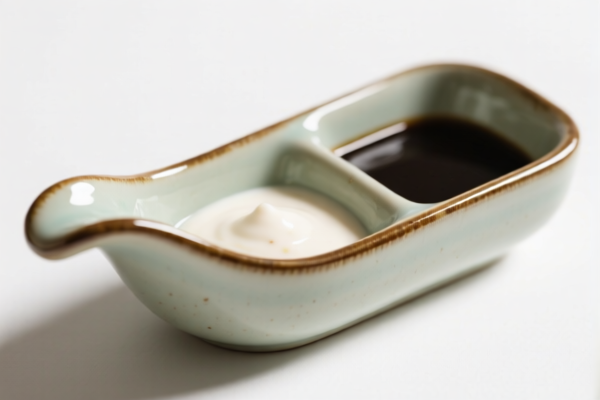
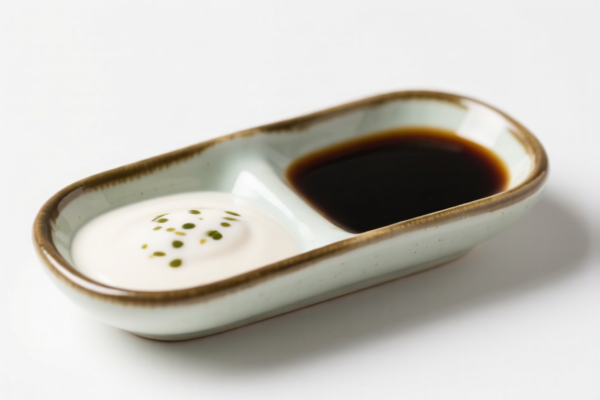
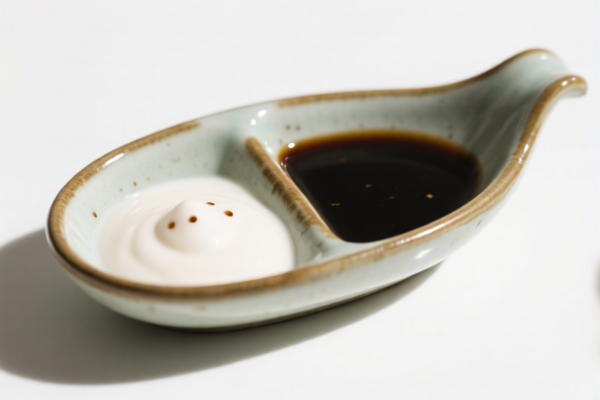
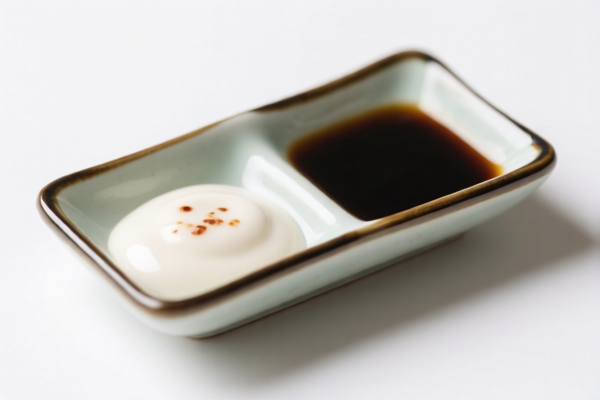
AI Analysis
🥣 Seasoning Dishes & Tableware (Porcelain, Plastic, Steel)
🌐 HS Code Reference & Clearance Guide | 2026 Latest Tariff Analysis | Professional Customs Strategy
📌 I. Product Definition & Classification: Do You Know Your "Seasoning Dishes"?
"Seasoning dish" is a broad commercial term that covers various items used for holding spices, sauces, or small bites at the table. In international trade, classification depends strictly on material and specific form. Misclassification can lead to massive tariff differences, especially for steel products entering the US.
1. Porcelain/China Tableware: Includes decorative or functional ceramic items. Specific shapes like "pretzel dishes," "bonbon dishes," or "tiered servers" have unique sub-codes. 2. Plastic Dispensers/Shakers: Includes shakers, dispensers, and general plastic kitchenware. 3. Iron/Steel Tableware: Includes stainless steel or coated steel shakers, oil/vinegar sets, and general kitchen accessories.
⚠️ Key Distinction Point:
- If it’s a specific ceramic shape (e.g., pretzel dish, tiered server) → Go to 6911.10.41.00 (Low Tax).
- If it’s general porcelain (e.g., a simple square dish) → Go to 6911.10.80.10 (High Tax).
- If it’s Plastic → Look at 3924 series.
- If it’s Steel → Look at 7323.99.90 (WARNING: Extremely High Tariffs!).
📦 II. HS Code Classification Details (2026 Latest Tariff Authority对照)
| HS Code | Product Description | Scenario | Tax Rate | Risk Level |
|---|---|---|---|---|
6911.10.41.00 |
Porcelain/China: Steins with pewter lids, candy boxes, decanters, punch bowls, pretzel dishes, bonbon dishes, egg cups, oil/vinegar sets, tumblers, salt & pepper shaker sets | Specific, named ceramic tableware items | 6.3% | ✅ Low |
6911.10.80.10 |
Porcelain/China: Other suitable for food/drink contact (General tableware) | Generic ceramic dishes not listed above | 28.3% | ⚠️ High |
3924.10.10.00 |
Plastic: Salt, pepper, mustard, ketchup dispensers & similar dispensers | Plastic shakers, squeeze bottles | 3.4% | ✅ Low |
3924.10.40.00 |
Plastic: Other tableware/kitchenware | Generic plastic trays, bowls | 3.4% | ✅ Low |
7323.99.90.30 |
Iron/Steel: Other Kitchen/tableware suitable for food/drink contact | Steel shakers, steel oil/vinegar sets | 78.4% | ☠️ Critical |
7323.99.90.80 |
Iron/Steel: Other (Not coated/plated with precious metal) | General steel kitchen accessories | 78.4% | ☠️ Critical |
🔍 Important Reminder:
- Porcelain: The difference between6911.10.41.00(6.3%) and6911.10.80.10(28.3%) is 22%. You must prove the item fits the specific "named" categories (pretzel, bonbon, etc.) to get the lower rate.
- Steel: DO NOT IMPORT STEEL TABLEWARE if you want to save costs. The total tariff is 78.4% (Base 3.4% + 25% Sec 301 + 50% Aluminum/Steel/Copper Surcharge). This is nearly 8x the tax of plastic or porcelain.
💰 III. 2026 Latest Tariff Rate Details (With Add-ons & Policy Surcharges)
✅ Applicable Country: United States (US)
✅ Origin: China (CN)
✅ Effective Time: 2025/2026 (Current Trade War Policies)
🎯 1. 6911.10.41.00 —— Porcelain: Specific Items (Pretzel Dishes, Shaker Sets, etc.)
| Item | Content |
|---|---|
| Base Tariff | 6.3% |
| Section 301 Tariff | 0.0% (Exempt or Low) |
| Total Tariff | 6.3% |
| Calculation | CIF Value × 6.3% |
| De Minimis Eligible? | ✅ Yes (Usually < $800) |
| Legal Basis | USITC HTS 6911.10.41.00 |
📌 Explanation:
- This code benefits from specific exemptions or low rates for detailed ceramic tableware.
- Critical: You must describe the item precisely in the invoice (e.g., "Porcelain Pretzel Dish" or "Porcelain Salt & Pepper Shaker Set"). Generic terms like "Ceramic Dish" may trigger audits and force reclassification to6911.10.80.10.
🎯 2. 6911.10.80.10 —— Porcelain: Other (General)
| Item | Content |
|---|---|
| Base Tariff | 20.8% |
| Section 301 Tariff | 7.5% |
| Total Tariff | 28.3% |
| Calculation | CIF Value × 28.3% |
| De Minimis Eligible? | ❌ No (High value threshold or restricted) |
| Legal Basis | USITC HTS 6911.10.80.10 |
📌 Warning:
- If your "seasoning dish" is a generic square plate used for dipping sauce, it falls here.
- 28.3% is a significant cost increase compared to the 6.3% rate.
🎯 3. 3924.10.10.00 & 3924.10.40.00 —— Plastic Tableware
| Item | Content |
|---|---|
| Base Tariff | 3.4% |
| Section 301 Tariff | 0.0% |
| Total Tariff | 3.4% |
| De Minimis Eligible? | ✅ Yes |
| Legal Basis | USITC HTS 3924.10.10.00 / 40.00 |
📌 Strategy:
- Plastic seasoning shakers are the cheapest option tariff-wise (3.4%).
- Use code3924.10.10.00for explicit "dispensers/shakers."
- Use3924.10.40.00for general plastic trays/bowls.
🎯 4. 7323.99.90.30 & 7323.99.90.80 —— Iron/Steel Tableware
| Item | Content |
|---|---|
| Base Tariff | 3.4% |
| Section 301 Tariff | 25.0% |
| Steel/Alu/Cu Surcharge | 50.0% |
| Total Tariff | 78.4% |
| De Minimis Eligible? | ❌ No |
| Legal Basis | USITC HTS 7323.99.90.30 / 80 |
☠️ CRITICAL WARNING:
- 78.4% is devastating.
- This applies to any steel kitchenware, including stainless steel shakers, oil/vinegar cruets, or trays.
- Recommendation: Avoid importing steel seasoning dishes from China to the US. Switch to Ceramic, Porcelain, or Plastic.
🛠️ IV. Customs Clearance Practical Advice (Real-World Pitfall Guide)
✅ 1. Preparation Checklist (Non-negotiable)
| Document | Required? | Explanation |
|---|---|---|
| ✅ Detailed Product Description | ✔️ | Must specify material (Porcelain vs. Plastic) AND shape/function (e.g., "Pretzel Dish," "Shaker Set"). |
| ✅ Photos | ✔️ | Clear images showing the item’s use and material finish. |
| ✅ Commercial Invoice | ✔️ | Must match HS Code exactly. Do not write "Mixed Household Goods." |
| ✅ Material Certification | ✔️ | For steel: Prove it’s not coated with precious metals. For porcelain: Confirm it’s fired clay. |
✅ 2. Declaration Tips (Key Mantra)
🔥 "Material First, Shape Specific, Steel Avoid!"
| Scenario | Correct HS Code | Wrong Action | Consequence |
|---|---|---|---|
| Porcelain Pretzel Dish | 6911.10.41.00 (6.3%) |
Declare as "Ceramic Plate" | Reclassified to 6911.10.80.10 → 28.3% Tax! |
| Porcelain Salt & Pepper Shakers | 6911.10.41.00 (6.3%) |
Declare as "General Tableware" | Reclassified to 6911.10.80.10 → 28.3% Tax! |
| Plastic Shaker | 3924.10.10.00 (3.4%) |
Declare as "Plastic Toy" | Wrong Code → Delay/Fine |
| Steel Oil Vessel | 7323.99.90.30 (78.4%) |
Declare as "Kitchen Tool" | Pay 78.4% Tax |
✅ 3. Special Cases
| Case | Handling Advice |
|---|---|
| Set of Dishes | If a set includes both porcelain and plastic, classify by the principal material or value. Usually, split-line itemization is safer. |
| "Pewter Lid" Steins | If the steins have permanently attached pewter lids, they fall under 6911.10.41.00 (6.3%), not metal codes! |
| Steel vs. Stainless Steel | Both fall under 7323.99.90 in the US tariff book. No exemption for stainless steel from China. Avoid Steel. |
🌍 V. Global Market Comparison (2026 Latest)
| Country/Region | Recommended HS Code | Tariff (China Origin) | Notes |
|---|---|---|---|
| 🇺🇸 USA | 6911.10.41.00 (Porcelain) |
6.3% | Specific shapes save ~22% tax. Steel is 78.4%. |
| 🇪🇺 EU | 6911.10.00 (Porcelain) |
~6-8% | No Section 301 surcharges. |
| 🇨🇳 China | 6911.10.41.00 |
~8-10% | Import tax applies. |
📌 Conclusion:
- USA is the most complex market due to Section 301 and Steel Surcharges.
- Porcelain is safe if described specifically.
- Steel is a "No-Go" for cost-effective import from China to the US.
📌 VI. Common Mistakes & Pitfalls (Blood & Tears Lessons)
❌ Mistake 1: Calling a "Porcelain Pretzel Dish" just "Ceramic Dish"
👉 Result: Customs may apply the higher 28.3% rate because it wasn’t explicitly listed as a "pretzel dish" or "bonbon dish."
✅ Fix: Use exact terms: "Porcelain Pretzel Dish, Tableware."
❌ Mistake 2: Importing Stainless Steel Shakers
👉 Result: Paying 78.4% tariff.
✅ Fix: Switch to Plastic (3.4%) or Porcelain (6.3%).
❌ Mistake 3: Mixing Steel and Porcelain in one Box without Itemization
👉 Result: Customs may apply the highest rate to the entire box.
✅ Fix: Separate shipments or clearly itemize with separate HS Codes.
🎯 VII. Conclusion: Professional Classification Saves Money!
🎯 Remember the Mantra:
🔹 "Porcelain Specific = 6.3% | Plastic = 3.4% | Steel = 78.4%!"
🔹 "Don't say 'Dish' – Say 'Pretzel Dish' or 'Shaker Set'!"
📌 Pro Tip:
If you sell plastic or porcelain seasoning dishes, ensure your invoice description is hyper-specific.
Example: "Porcelain Bonbon Dish, White, 4-inch" → 6911.10.41.00.
Generic: "White Dish" → Risk of 6911.10.80.10.
✨ Professional Customs Clearance Starts with Precise Classification!
💼 Your Cost Efficiency Depends on This 4-Digit HS Code!
Customer Reviews
About HS Code Classification
The Harmonized System (HS) is an internationally standardized nomenclature developed by the World Customs Organization (WCO) to classify traded products. Over 200 countries use the HS system as the basis for customs tariffs, trade statistics, and import/export regulations.
Each HS code follows a hierarchical structure:
- Chapter (2 digits) — Broad category of goods (e.g., Chapter 84: Machinery and Mechanical Appliances)
- Heading (4 digits) — More specific grouping within the chapter
- Subheading (6 digits) — Internationally standardized breakdown, used by all WCO member countries
- National subdivisions (8-10 digits) — Country-specific extensions for further classification, such as US HTSUS 10-digit codes
Correct HS code classification is essential for smooth customs clearance, accurate duty payment, and compliance with trade regulations. Misclassification can lead to customs delays, overpayment of duties, or penalties.
When importing from CN to US, the applicable tariff rates may include:
- Most-Favored-Nation (MFN) rate — The standard duty rate applied to WTO members
- General rate — Applied to countries without trade agreements
- Trade remedy duties — Additional tariffs such as Section 301 (anti-dumping), Section 232 (national security), or countervailing duties
The information provided on this page is for reference purposes only. For official classification, please consult with your local customs authority or a licensed customs broker.