seat components
CN → US| HS Code | Tariff Rate | Origin | Destination | Doc |
|---|---|---|---|---|
| 7326908688 | 87.9% | CN | US | Official Doc |
| 3926305000 | 22.8% | CN | US | Official Doc |
| 7326190080 | 87.9% | CN | US | Official Doc |
| 3926301000 | 24.0% | CN | US | Official Doc |
Product Images
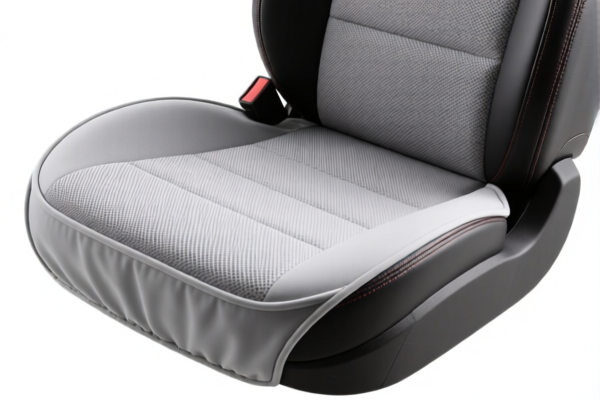
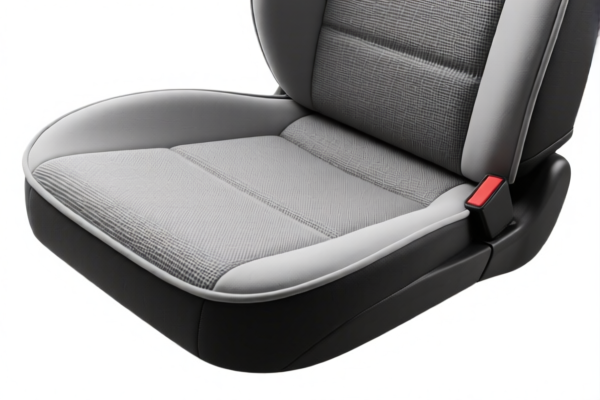
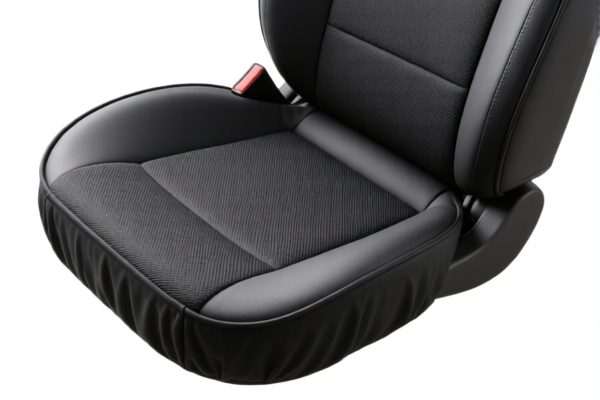
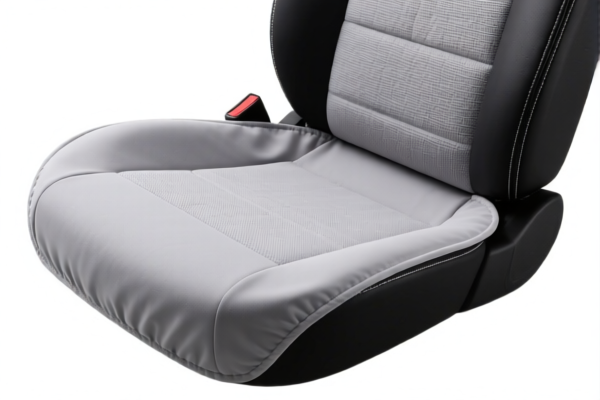
AI Analysis
🪑 Seat Components: The Hidden Tax Trap in US Imports
🌐 HS Code Reference & Customs Clearance Guide | 2026 Latest Tariff Analysis | Professional Clearance Strategy
📌 I. Product Definition & Classification: Are You Classifying "Seat Parts" Correctly?
Seat components are the structural and functional parts of seating units, ranging from office chairs to automotive seats. In international trade, they are not a single category but are split based on material and function. The critical distinction lies in whether the part is made of steel/iron or plastic/synthetic material, as this drastically changes the tariff burden under current US trade policies.
⚠️ Key Distinction Point:
- If the part is metallic (Steel/Iron) → It triggers high Section 301 and Section 232 tariffs.
- If the part is non-metallic (Plastic/Polymer) → It attracts significantly lower additional duties.
- Do not assume "Furniture Parts" automatically mean low tax. Material composition is the deciding factor.
📦 II. HS Code Classification Details (2026 Latest Tariff Authority Comparison)
| HS Code | Product Description | Material Inference | Application Scenario |
|---|---|---|---|
7326.90.86.88 |
Steel/Iron articles n.e.c. (Not elsewhere specified) | Steel/Iron | Metal frames, brackets, or structural components of seats |
3926.30.50.00 |
Other articles of plastics | Plastic/Synthetic | Plastic armrests, backrest shells, or connectors |
7326.19.00.80 |
Other articles of iron or steel | Steel/Iron | General steel seat parts, falls under machinery/furniture parts rule |
3926.30.10.00 |
Articles of plastics for furniture | Plastic | Plastic furniture components, specifically seat parts |
🔍 Critical Reminder:
- Metal Parts (7326.xxxx) are heavily taxed due to "122 Clause" and Section 232/301 measures.
- Plastic Parts (3926.xxxx) are considered less strategic and carry lower additional tariffs.
- Misclassifying a plastic part as steel (or vice versa) can lead to massive duty discrepancies and customs audits.
💰 III. 2026 Latest Tariff Rate Breakdown (Including Surcharges & Policy Add-ons)
✅ Applicable Country: United States (US)
✅ Origin: China (CN)
✅ Effective Date: Ongoing (Current Trade Policy)
🎯 1. 7326.90.86.88 & 7326.19.00.80 —— Steel/Iron Seat Components
| Item | Content |
|---|---|
| Base Duty Rate | 2.9% (ad valorem) |
| Section 301 Surcharge | +25.0% (Trade War Tariff) |
| Section 232 (122 Clause) Surcharge | +50.0% (Specific to Steel/Aluminum/Copper Products) |
| Total Tax Rate | 87.9% |
| Tax Calculation | CIF Value × 87.9% |
| De Minimis Eligibility | ❌ Not Eligible |
| Legal Basis Path | Section 232 → Section 301 → USITC:7326.90.86.88 / 7326.19.00.80 |
📌 Explanation:
- "Base Duty 2.9%": The standard Most Favored Nation (MFN) rate for steel articles.
- "Section 301 25%": Additional tariff imposed on Chinese steel imports under Trade Act Section 301.
- "122 Clause/Section 232 50%": This is the killer. Because these are steel products, they fall under the "Section 232" investigation regarding national security, adding an extra 50% on top.
- Total 87.9%: This is an extremely high effective tax rate. Profit margins will be crushed unless the value-add is significant.
🎯 2. 3926.30.50.00 & 3926.30.10.00 —— Plastic/Synthetic Seat Components
| Item | Content |
|---|---|
| Base Duty Rate | 5.3% – 6.5% (ad valorem) |
| Section 301 Surcharge | +7.5% |
| 122 Clause Surcharge | +10.0% (Note: Lower than steel section) |
| Total Tax Rate | 22.8% – 24.0% |
| Tax Calculation | CIF Value × 22.8% / 24.0% |
| De Minimis Eligibility | ❌ Not Eligible (Generally, Section 301 items are excluded from de minimis) |
| Legal Basis Path | Section 301 → Section 232 (Partial) → USITC:3926.30.xxxx |
📌 Explanation:
- "Base Duty 5.3%-6.5%": Standard rate for plastic articles.
- "Section 301 7.5%": Lower surcharge compared to steel.
- "122 Clause 10%": Plastic does not face the full 50% "national security" penalty of steel.
- Total ~23%: While still high, this is less than half the cost of steel components. This creates a strong incentive to use plastic alternatives if structurally viable.
🛠️ IV. Customs Clearance Practical Advice (Battle-Tested Pitfall Guide)
✅ 1. Documentation Checklist (Non-Negotiable)
| Document | Required | Explanation |
|---|---|---|
| ✅ Product Specification Sheet | ✔️ | Must explicitly state Material Composition (% Steel vs. % Plastic). |
| ✅ Technical Diagrams | ✔️ | Highlight structural load-bearing parts to prove they are "parts" not "whole seats". |
| ✅ Product Photos | ✔️ | Close-ups of material texture, branding, and model numbers. |
| ✅ Commercial Invoice | ✔️ | Clearly state "Seat Components" and specify material (e.g., "Steel Bracket, Part #123"). |
| ✅ Bill of Lading | ✔️ | Ensure packaging does not reveal the final assembly nature incorrectly. |
✅ 2. Declaration Strategy (Key Mantra)
🔥 “Material is King, Don’t Hide the Steel!”
| Scenario | Correct Declaration | Wrong Practice |
|---|---|---|
| Mixed Material Seat | Split line items: One for Steel (7326), One for Plastic (3926). |
Combine into one "Seat Assembly" → Risk of misclassification + 100% penalty. |
| Plastic Armrest | 3926.30.10.00 |
Declare as "Furniture Part" vaguely → Customs may guess Steel (7326). |
| Steel Frame | 7326.90.86.88 |
Declare as "Plastic Article" to save tax → Fraud Alert, heavy fines. |
| Fabric/Cushion Parts | Not covered in this data | Usually 6307 or 9403. Ensure these aren't lumped with metal/plastic. |
✅ 3. Special Handling Cases
| Situation | Handling Advice |
|---|---|
| OEM Plastic Parts | Provide mold information and resin type (e.g., PP, ABS) to justify 3926. |
| Steel with Plastic Coating | Still classified as Steel (7326) if steel is the essential character. Do NOT declare as plastic. |
| Pre-Assembly Kits | If sold as a kit, the primary material dictates the HS Code. |
| Origin Marking | Ensure all steel parts are clearly marked "Made in China" for Section 232 enforcement. |
🌍 V. Global Market Clearance Comparison (2026 Latest)
| Country/Region | Recommended HS Code | Tariff (China Origin) | Certification Req. | Notes |
|---|---|---|---|---|
| 🇺🇸 USA | 7326.90.86.88 (Steel)3926.30.10.00 (Plastic) |
87.9% (Steel) ~23% (Plastic) |
None specific for parts | Highest friction. Section 232/301 apply heavily. |
| 🇨🇳 China | 7326.90.86.883926.30.10.00 |
~2.9% - 5.3% | CCC (if applicable) | Low export duty. |
| 🇪🇺 EU | 7326.903926.30 |
~2.9% - 4.5% | CE/RoHS (if electronic/electrical) | No Section 301/232 equivalents. Much cheaper. |
| 🇲🇽 Mexico | 7326.903926.30 |
0-2% (Under USMCA rules) | None | Best alternative. Consider nearshoring to Mexico. |
| 🇻🇳 Vietnam | 7326.903926.30 |
0-2% (Under EVFTA/other) | None | Best alternative. Check rules of origin strictly. |
📌 Conclusion:
- The US is the most expensive market for these components due to punitive tariffs.
- Steel components are nearly unprofitable for direct export to the US unless the margin is very high.
- Plastic components are viable but still carry ~23% duty.
- Strategic Shift: Consider assembling in Mexico or Vietnam to avoid Section 301/232 tariffs entirely.
📌 VI. Common Errors & Pitfalls (Lessons Learned)
❌ Error 1: Declaring a Steel Bracket as a "Plastic Part" to avoid 87.9% tax.
👉 Consequence: Customs inspection reveals steel composition. Penalties + Back Duties + Seizure.
❌ Error 2: Treating Mixed Material Seats as a single unit without splitting.
👉 Consequence: Customs may assign the highest rate (Steel) to the entire shipment. Tax increases by ~65%.
❌ Error 3: Ignoring the "122 Clause" / Section 232 applicability.
👉 Consequence: Assuming only 25% Section 301. Missed 50% additional duty = Unexpected Bill.
❌ Error 4: Using vague descriptions like "Furniture Parts" without material specification.
👉 Consequence: Customs assigns its own HS code, likely defaulting to Steel for structural parts. Delays + Extra Fees.
✅ Correct Approach:
"Steel Seat Bracket, Model XYZ, 20% Section 301 Duty + 50% Section 232 Duty"
"Plastic Armrest Cover, Model ABC, 7.5% Section 301 Duty"
🎯 VII. Conclusion: Precision Classification Saves Millions!
🎯 Remember the Mantra:
🔹 "Steel is 88%, Plastic is 23%. Know your material, know your price!"
🔹 "Don’t hide the metal, don’t guess the plastic. Split the line item!"
📌 Pro Tip:
If you are importing significant volumes of steel seat components, evaluate supply chain relocation to Mexico (USMCA) or Vietnam. The tax savings (~65% reduction) will far exceed the cost of setting up local assembly. For plastic parts, the cost-benefit is lower but still worth monitoring.
📣 Immediate Action:
📞 Audit your current BOMs (Bill of Materials) to separate Steel vs. Plastic components.
🚀 Request HS Code Pre-rulings from CBP if your product is complex or mixed-material.
💼 Your Bottom Line Depends on This 2-Digit HS Code Prefix.
✨ Professional Customs Clearance Starts with Accurate Classification!
💼 Every Percent of Duty Saved is Pure Profit Added!
Customer Reviews
About HS Code Classification
The Harmonized System (HS) is an internationally standardized nomenclature developed by the World Customs Organization (WCO) to classify traded products. Over 200 countries use the HS system as the basis for customs tariffs, trade statistics, and import/export regulations.
Each HS code follows a hierarchical structure:
- Chapter (2 digits) — Broad category of goods (e.g., Chapter 84: Machinery and Mechanical Appliances)
- Heading (4 digits) — More specific grouping within the chapter
- Subheading (6 digits) — Internationally standardized breakdown, used by all WCO member countries
- National subdivisions (8-10 digits) — Country-specific extensions for further classification, such as US HTSUS 10-digit codes
Correct HS code classification is essential for smooth customs clearance, accurate duty payment, and compliance with trade regulations. Misclassification can lead to customs delays, overpayment of duties, or penalties.
When importing from CN to US, the applicable tariff rates may include:
- Most-Favored-Nation (MFN) rate — The standard duty rate applied to WTO members
- General rate — Applied to countries without trade agreements
- Trade remedy duties — Additional tariffs such as Section 301 (anti-dumping), Section 232 (national security), or countervailing duties
The information provided on this page is for reference purposes only. For official classification, please consult with your local customs authority or a licensed customs broker.