seatbelt shoulder pad
CN → US| HS Code | Tariff Rate | Origin | Destination | Doc |
|---|---|---|---|---|
| 3926904590 | 13.5% | CN | US | Official Doc |
| 6117809570 | 32.1% | CN | US | Official Doc |
| 6217108500 | 24.6% | CN | US | Official Doc |
| 6217109550 | 32.1% | CN | US | Official Doc |
| 3926909989 | 22.8% | CN | US | Official Doc |
Product Images
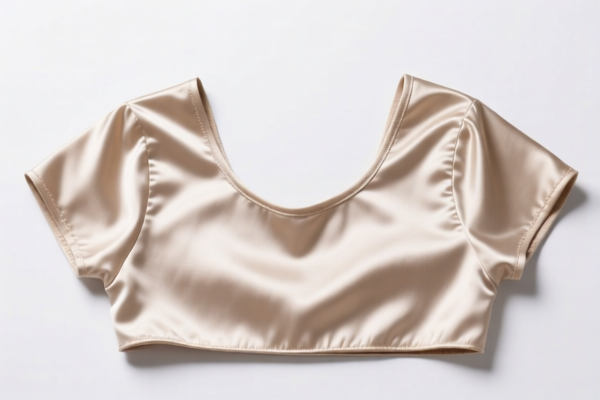
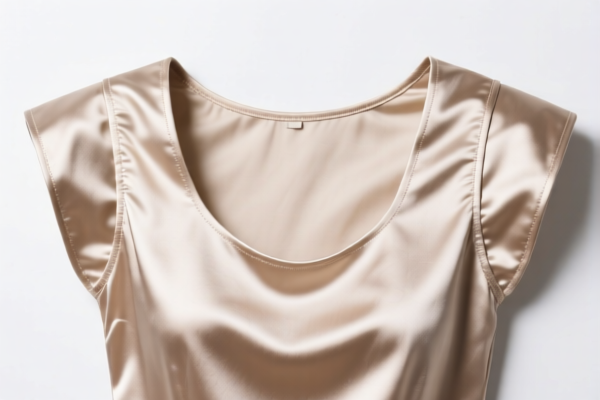

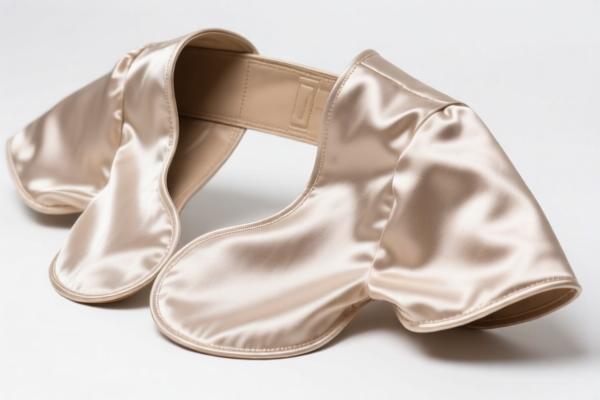
AI Analysis
🛡️ Seatbelt Shoulder Pad (Airbag Pad / Comfort Pad)
🌐 HS Code Reference & Customs Clearance Guide | 2026 Latest Tariff Analysis | Professional Clearance Strategy
📌 I. Product Definition & Classification: What Exactly is a "Seatbelt Shoulder Pad"?
A Seatbelt Shoulder Pad is an automotive accessory designed to enhance comfort and reduce pressure on the driver’s or passenger’s neck and shoulder when wearing a seatbelt. In international trade, its classification depends heavily on material composition and functional nature. It is generally categorized under:
- Plastic/Synthetic Material Parts: If the core structure is molded plastic with a fabric cover, it may fall under general plastic articles.
- Apparel Accessories/Parts: If considered a part of a garment or textile assembly, it may fall under clothing accessories.
- Other Miscellaneous Articles: If it doesn't fit neatly into textile or plastic categories, it may be classified as an unclassified miscellaneous item.
⚠️ Key Classification Points:
- Material is King: The primary determinant is whether the item is viewed as a "plastic article" (Chapter 39) or a "textile/apparel accessory" (Chapter 61/62).
- Function vs. Form: If it's a simple fabric pad with foam, customs may lean towards textile/accessories. If it has a rigid plastic clip or frame, it may lean towards plastic goods.
- Usage Context: Always declare it as an "automotive accessory" or "seatbelt comfort pad" to avoid confusion with protective gear (e.g., sports pads).
📦 II. HS Code Classification Details (Based on Provided Data)
The following HS Codes and tax rates are derived strictly from the provided <DATA>. Note that these classifications reflect different interpretations of material and function.
| HS Code | Product Description & Inference | Total Tax Rate | Tax Breakdown (Base + Add. + 122) |
|---|---|---|---|
3926.90.45.90 |
Plastic Gasket/Washer Type: Inferrred material is plastic; form is classified as gasket/washer. | 13.5% | Base: 3.5% Add.: 0.0% Section 122: 10% |
6117.80.95.70 |
Clothing Accessory: Classified as an apparel accessory; inferred material is non-cotton, non-wool, or fine animal hair. | 32.1% | Base: 14.6% Add.: 7.5% Section 122: 10% |
6217.10.85.00 |
Garment Accessory/Trim: Classified as made-up clothing accessories; inferred material is fabric or sponge. | 24.6% | Base: 14.6% Add.: 0.0% Section 122: 10% |
6217.10.95.50 |
Apparel Accessory Part: Classified as a part/accessory of apparel, judged under "other" categories. | 32.1% | Base: 14.6% Add.: 7.5% Section 122: 10% |
3926.90.99.89 |
Other Plastic/Synthetic Product: Inferred material is plastic or synthetic fiber; classified as unclassified other articles. | 22.8% | Base: 5.3% Add.: 7.5% Section 122: 10% |
🔍 Key Observation:
- Cheapest Option:3926.90.45.90at 13.5% (Plastic Gasket Type).
- Most Expensive Options:6117.80.95.70and6217.10.95.50at 32.1% (Textile/Clothing Accessories).
- Mid-Range Option:6217.10.85.00at 24.6% (Fabric/Sponge Accessory).
- Note: The "Section 122 Tariff" (10%) is a specific U.S. trade remedy duty often applied to certain Chinese-origin goods. It is present in all provided entries.
💰 III. Detailed Tariff Rate Explanation (2026 Latest)
✅ Applicable Country: United States (US)
✅ Origin: China (CN) (Implied by "Section 122" and typical trade context)
✅ Effective Time: Current as of 2026
🎯 1. 3926.90.45.90 —— Plastic Gasket/Washer Type (Lowest Tax)
| Item | Details |
|---|---|
| Base Duty | 3.5% |
| Section 301/Add. Duty | 0.0% |
| Section 122 Duty | 10.0% |
| Total Rate | 13.5% |
| Calculation | CIF Value × 13.5% |
| De Minimis Exemption | ❌ Not Applicable (Section 122 duties typically override de minimis for certain categories) |
📌 Interpretation:
- This classification assumes the shoulder pad is primarily a plastic component (e.g., a clip or frame) or a gasket-like item.
- The 0% additional duty is a significant advantage here, as most Chinese goods face 7.5%-25% Section 301 tariffs.
- However, this requires proof that the item is predominantly plastic and functions similarly to a gasket or washer, which might be a stretch for a soft comfort pad.
🎯 2. 3926.90.99.89 —— Other Plastic/Synthetic Product
| Item | Details |
|---|---|
| Base Duty | 5.3% |
| Section 301/Add. Duty | 7.5% |
| Section 122 Duty | 10.0% |
| Total Rate | 22.8% |
| Calculation | CIF Value × 22.8% |
| De Minimis Exemption | ❌ Not Applicable |
📌 Interpretation:
- This is a "catch-all" for plastic articles not elsewhere specified.
- It carries a 7.5% additional duty, likely under Section 301.
- Suitable if the product is made of plastic or synthetic fiber but doesn't fit the "gasket" description.
🎯 3. 6217.10.85.00 —— Fabric/Sponge Garment Accessory (Mid-Range Tax)
| Item | Details |
|---|---|
| Base Duty | 14.6% |
| Section 301/Add. Duty | 0.0% |
| Section 122 Duty | 10.0% |
| Total Rate | 24.6% |
| Calculation | CIF Value × 24.6% |
| De Minimis Exemption | ❌ Not Applicable |
📌 Interpretation:
- This classification fits if the pad is made of fabric or sponge and is considered a made-up garment accessory.
- The 0% additional duty is a benefit, but the 14.6% base duty is higher than plastic categories.
- This is a plausible classification for a soft, fabric-covered shoulder pad.
🎯 4. 6117.80.95.70 & 6217.10.95.50 —— Clothing Accessories (Highest Tax)
| Item | Details |
|---|---|
| Base Duty | 14.6% |
| Section 301/Add. Duty | 7.5% |
| Section 122 Duty | 10.0% |
| Total Rate | 32.1% |
| Calculation | CIF Value × 32.1% |
| De Minimis Exemption | ❌ Not Applicable |
📌 Interpretation:
- These classifications apply if the item is considered a part of apparel or an accessory made from textile materials (non-cotton/non-wool).
- The 7.5% additional duty makes this the most expensive option.
- This is likely the "default" if customs views it as a textile accessory without a specific subheading for "seatbelt pads."
🛠️ IV. Customs Clearance Practical Advice (Real-World Pitfall Guide)
✅ 1. Documentation Checklist (Essential)
| Document | Required | Notes |
|---|---|---|
| ✅ Product Specifications | ✔️ | Material breakdown (e.g., "Polyester fabric cover, foam filling, plastic clip") |
| ✅ Product Photos | ✔️ | Clear images showing all components (clip, fabric, foam) |
| ✅ Commercial Invoice | ✔️ | Clearly state "Seatbelt Shoulder Pad" and material composition |
| ✅ Packing List | ✔️ | List quantities, weights, and dimensions |
| ✅ Material Certificate | ✔️ | If claiming plastic classification, provide polymer type |
| ✅ Third-Party Lab Test | ✔️ | Optional but helpful to confirm material content |
✅ 2. Declaration Strategy (Key Tips)
🔥 "Material First, Function Second, Name Precise, Tax Lower!"
| Scenario | Recommended HS Code | Risk |
|---|---|---|
| Plastic Clip Dominant | 3926.90.45.90 (13.5%) |
High risk of dispute if fabric is primary |
| Fabric/Sponge Dominant | 6217.10.85.00 (24.6%) |
Safe if made of textile/sponge |
| Mixed Material (Unclear) | 3926.90.99.89 (22.8%) |
Good middle ground |
| General Textile Accessory | 6117.80.95.70 (32.1%) |
Avoid if possible due to high tax |
📌 Note:
- If the shoulder pad has a rigid plastic part (e.g., a buckle), emphasize the plastic material in the description.
- If it is soft and flexible, emphasize fabric/sponge.
- Avoid declaring it as a "protective gear" (e.g., sports pad) as it may fall under different, potentially higher-tariff categories.
✅ 3. Special Cases
| Case | Handling Suggestion |
|---|---|
| OEM Custom Pads | Provide design specs and material sheets to justify classification |
| Mixed Shipment | Declare each material type separately if possible |
| Pre-Certified Goods | Use pre-classification rulings if available |
| De Minimis Issues | Section 122 duties apply regardless of value → No $800 exemption |
🌍 V. Global Market Comparison (2026 Latest)
| Market | Recommended HS Code | Tax Rate | Notes |
|---|---|---|---|
| 🇺🇸 USA | 3926.90.45.90 |
13.5% | Best if classified as plastic |
| 🇪🇺 EU | 3926.90 |
Varies | No Section 122, but check local VAT |
| 🇨🇳 China | 3926.90 |
Varies | Import duty may be low, but VAT applies |
| 🇬🇧 UK | 3926.90 |
Varies | Post-Brexit tariffs may differ |
📌 Conclusion:
- USA is the most critical market due to Section 122 duties.
- Plastic classification offers the lowest tax burden (13.5%).
- Textile classification incurs higher taxes (24.6%-32.1%).
📌 VI. Common Errors & Pitfalls (Lessons Learned)
❌ Error 1: Declaring as "Seatbelt Part" without material detail
👉 Consequence: Customs may assign a default textile rate (32.1%) → Higher tax!
❌ Error 2: Using "Safety Gear" in description
👉 Consequence: May be classified under protective equipment, triggering different, higher tariffs.
❌ Error 3: Ignoring Section 122 Duty
👉 Consequence: Surprise 10% duty on all items → Profit margin erosion!
❌ Error 4: Misdeclaring material content
👉 Consequence: Audit, penalties, and back taxes → Costly!
✅ Correct Approach:
"Seatbelt Comfort Pad, 100% Polyester Fabric Cover with Foam Insert and Plastic Clip, Model XYZ"
🎯 VII. Conclusion: Professional Declaration for Cost Savings
🎯 Remember This Rule:
🔹 "Plastic Clip? Go with 3926.90.45.90 (13.5%)!
🔹 Fabric Pad? Use 6217.10.85.00 (24.6%)!
🔹 Avoid Textile Accessories (32.1%) if Possible!
🔹 Always Include Section 122 (10%) in Costing!
📌 Pro Tip:
If your product is primarily plastic, emphasize the plastic component in the declaration. If it's textile, provide material certificates.
Pre-clearance consultation with a customs broker is highly recommended to select the optimal HS Code.
📣 Action Step:
📞 Contact a licensed customs broker → Provide product specs → Apply for pre-classification if needed
🚀 Clear your Seatbelt Shoulder Pads smoothly, save on taxes, and boost profits!
✨ Professional clearance starts with accurate classification!
💼 Every percent saved counts!
Customer Reviews
About HS Code Classification
The Harmonized System (HS) is an internationally standardized nomenclature developed by the World Customs Organization (WCO) to classify traded products. Over 200 countries use the HS system as the basis for customs tariffs, trade statistics, and import/export regulations.
Each HS code follows a hierarchical structure:
- Chapter (2 digits) — Broad category of goods (e.g., Chapter 84: Machinery and Mechanical Appliances)
- Heading (4 digits) — More specific grouping within the chapter
- Subheading (6 digits) — Internationally standardized breakdown, used by all WCO member countries
- National subdivisions (8-10 digits) — Country-specific extensions for further classification, such as US HTSUS 10-digit codes
Correct HS code classification is essential for smooth customs clearance, accurate duty payment, and compliance with trade regulations. Misclassification can lead to customs delays, overpayment of duties, or penalties.
When importing from CN to US, the applicable tariff rates may include:
- Most-Favored-Nation (MFN) rate — The standard duty rate applied to WTO members
- General rate — Applied to countries without trade agreements
- Trade remedy duties — Additional tariffs such as Section 301 (anti-dumping), Section 232 (national security), or countervailing duties
The information provided on this page is for reference purposes only. For official classification, please consult with your local customs authority or a licensed customs broker.