secateurs
CN → US| HS Code | Tariff Rate | Origin | Destination | Doc |
|---|---|---|---|---|
| 8467895060 | 17.5% | CN | US | Official Doc |
| 8201906000 | 35.0% | CN | US | Official Doc |
| 8201500000 | 0.0% | CN | US | Official Doc |
| 8467290085 | 17.5% | CN | US | Official Doc |
| 8211918060 | 0.0% | CN | US | Official Doc |
Product Images
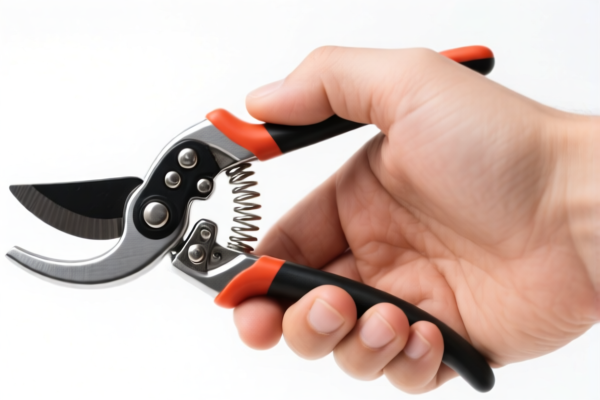
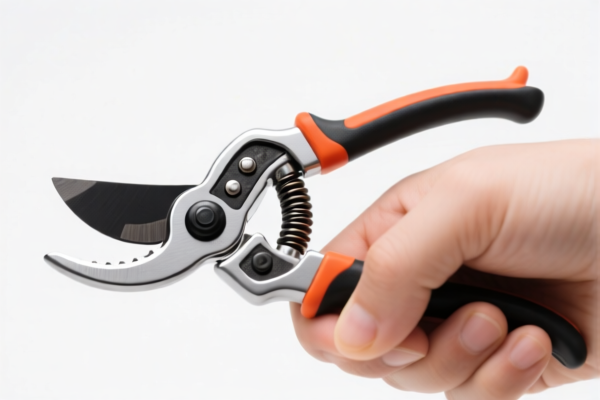
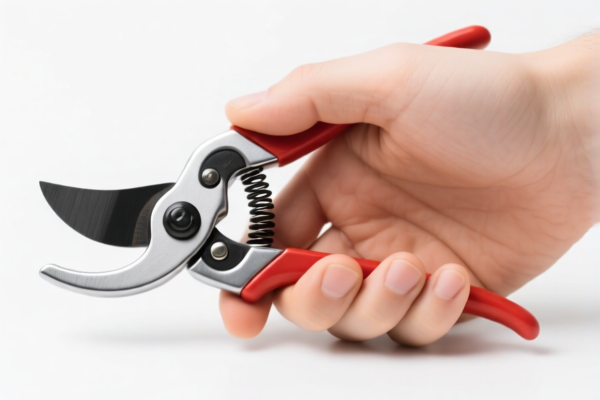
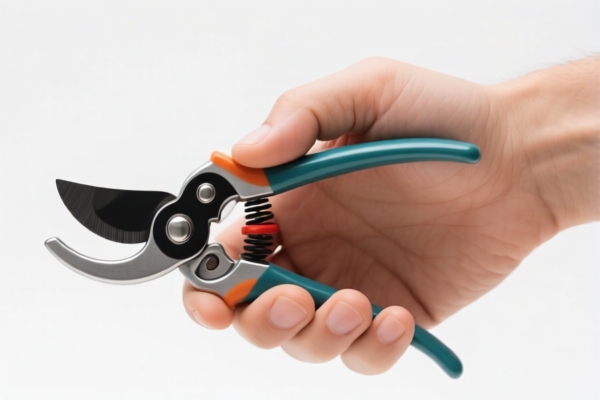
AI Analysis
✂️ Secateurs (Pruning Shears / Garden Pruners)
🌐 HS Code Reference & Customs Clearance Guide | 2026 Latest Tariff Analysis | Professional Clearance Strategy
📌 I. Product Definition & Classification: Do You Really Know "Secateurs"?
Secateurs, commonly known as pruning shears or garden pruners, are essential handheld tools for horticulture, landscaping, and agriculture. In international trade, they are categorized primarily based on their power source and material composition. The critical distinction lies between manual metal tools and powered electric tools.
Manual Secateurs (Hand Tools): Non-motorized, typically made of steel, relying on human force. Electric Secateurs (Powered Tools): Battery-operated or corded, equipped with motors and blades.
⚠️ Key Distinction Point:
- If it is non-motorized and classified as a generic metal cutting tool → It often falls under Chapter 82 (Tools, Implements, Cutlery).
- If it has an integrated electric motor → It falls under Chapter 84 (Machinery, Mechanical Appliances) or Chapter 85 (Electrical Machinery) depending on the specific power transmission mechanism.
📦 II. HS Code Classification Details (2026 Latest Tariff Authority Comparison)
| HS Code | Product Description | Application Scenario | Power Source |
|---|---|---|---|
8201.90.60.00 |
Secateurs, of base metal, not powered | Manual bypass pruners, anvil pruners, heavy-duty garden shears | ❌ Manual (Hand-powered) |
8201.50.00.00 |
Secateurs and loppers (Pruning Shears Class) | General category for pruning shears, often includes manual types with specific blade mechanisms | ❌ Usually Manual |
8211.91.80.60 |
Bypass Secateurs, with cutting blades of base metal | Manual bypass pruners, sharp blade for clean cuts on live wood | ❌ Manual (Hand-powered) |
8467.89.50.60 |
Electric Secateurs | Battery-powered or corded pruning shears, electric garden tools | ✅ Electric (Battery/Cord) |
8467.29.00.85 |
Electric Secateurs, Self-Propelled Cutting Tools | Powered cutting tools with electric motors, often part of larger systems or standalone powered shears | ✅ Electric (Motor-driven) |
🔍 Key Reminder:
- Electric secateurs are generally classified under Heading 84.67 ("Tools for working in the reverse direction...").
- Manual secateurs are classified under Heading 82.01 ("Axes, hatchets, and pickaxes, and other axes, billhooks, hoes, rakes and forks...") or Heading 82.11 ("Knives...").
- Misclassification Risk: Declaring an electric secateur as a manual tool (82.xx) will lead to severe penalties due to tariff evasion (35% vs 17.5%).
💰 III. 2026 Latest Tariff Rate Breakdown (Including Surcharge Tariffs, Policy Surcharges)
✅ Applicable Country: United States (US)
✅ Origin: China (CN)
✅ Effective Time: 2025/2026 (Current Trade Restrictions)
🎯 1. 8201.90.60.00 —— Manual Secateurs, Base Metal
| Item | Content |
|---|---|
| Base Duty Rate | 0.0% |
| Section 301 Surcharge | +25.0% |
| Section 122 Surcharge | +10.0% |
| Total Tariff Rate | 35.0% |
| Tax Calculation | CIF Value × 35% |
| De Minimis Exemption | ❌ Not Applicable |
| Legal Basis Path | USITC:8201.90.60.00 → Section 301: 25% → Section 122: 10% |
📌 Explanation:
- This is the standard rate for non-powered, manual pruning shears made of base metal.
- The 35% total tariff is a significant barrier for manual tool imports from China.
- No additional per-unit fee (ad valorem only).
🎯 2. 8201.50.00.00 —— Pruning Shears (Specific Class)
| Item | Content |
|---|---|
| Base Duty Rate | 1¢ each + 2.8% |
| Section 301 Surcharge | +25.0% |
| Section 122 Surcharge | +10.0% |
| Total Tariff Rate | 1¢ each + 2.8% + 35.0% |
| Tax Calculation | (Quantity × 0.01$) + (CIF × 37.8%) |
| De Minimis Exemption | ❌ Not Applicable |
| Legal Basis Path | USITC:8201.50.00.00 → Section 301: 25% → Section 122: 10% |
📌 Note:
- This classification may apply to specific types of pruning shears defined under this subheading.
- The per-unit fee (1¢) adds a small fixed cost, but the ad valorem rate is extremely high (37.8%).
- Suitable for large-volume shipments where the per-unit fee is negligible compared to the high percentage.
🎯 3. 8211.91.80.60 —— Bypass Secateurs (Blades of Base Metal)
| Item | Content |
|---|---|
| Base Duty Rate | 0.3¢ each + 4.9% |
| Section 301 Surcharge | +7.5% |
| Section 122 Surcharge | +10.0% |
| Total Tariff Rate | 0.3¢ each + 4.9% + 17.5% |
| Tax Calculation | (Quantity × 0.003$) + (CIF × 22.4%) |
| De Minimis Exemption | ❌ Not Applicable |
| Legal Basis Path | USITC:8211.91.80.60 → Section 301: 7.5% → Section 122: 10% |
📌 Explanation:
- This classification applies specifically to bypass secateurs with cutting blades of base metal.
- The Section 301 surcharge is lower (7.5%) compared to other 82.01 items, resulting in a lower total rate (17.5% + small unit fee).
- Optimization Opportunity: If your product is strictly "bypass" style, ensure the HS code description matches this subheading to potentially benefit from the lower 7.5% surcharge.
🎯 4. 8467.89.50.60 —— Electric Secateurs (Garden Tools)
| Item | Content |
|---|---|
| Base Duty Rate | 0.0% |
| Section 301 Surcharge | +7.5% |
| Section 122 Surcharge | +10.0% |
| Total Tariff Rate | 17.5% |
| Tax Calculation | CIF Value × 17.5% |
| De Minimis Exemption | ❌ Not Applicable |
| Legal Basis Path | USITC:8467.89.50.60 → Section 301: 7.5% → Section 122: 10% |
📌 Explanation:
- For electric pruning shears, the total tariff is significantly lower (17.5%).
- The Section 301 surcharge is only 7.5%, compared to 25% for many manual tools.
- Strategic Advantage: If feasible, converting from manual to electric secateurs can halve the tariff burden (from 35% to 17.5%).
🎯 5. 8467.29.00.85 —— Electric Secateurs (Self-Propelled Cutting Tools)
| Item | Content |
|---|---|
| Base Duty Rate | 0.0% |
| Section 301 Surcharge | +7.5% |
| Section 122 Surcharge | +10.0% |
| Total Tariff Rate | 17.5% |
| Tax Calculation | CIF Value × 17.5% |
| De Minimis Exemption | ❌ Not Applicable |
| Legal Basis Path | USITC:8467.29.00.85 → Section 301: 7.5% → Section 122: 10% |
📌 Note:
- Similar to8467.89.50.60, this code applies to electric cutting tools.
- The tariff rate is identical (17.5%).
- Choice between8467.29and8467.89depends on the specific technical definition (e.g., whether it is "self-propelled" or a generic power tool). Consult with a customs broker for precise technical alignment.
🛠️ IV. Customs Clearance Practical Advice (Avoid Pitfalls Guide)
✅ 1. Required Document Checklist (All Required)
| Document | Mandatory | Description |
|---|---|---|
| ✅ Product Specification Sheet | ✔️ | Must detail power source (battery/motor), blade material, cutting capacity. |
| ✅ Photos of Product & Packaging | ✔️ | Clear images showing labels, models, and any "Electric" indicators. |
| ✅ Commercial Invoice | ✔️ | Must explicitly state "Electric" or "Manual" based on HS code. |
| ✅ Packing List | ✔️ | Include batteries if applicable (UN38.3 test report required for lithium batteries). |
| ✅ Battery Test Report (If Electric) | ✔️ | Crucial: UN38.3, MSDS for lithium batteries to avoid shipping rejection. |
| ✅ Origin Certificate | ✔️ | Proof of Chinese origin to apply surcharge tariffs accurately. |
✅ 2. Declaration Techniques (Key Mantras)
🔥 "Electric is Cheaper, Manual is Complex, Match Blade Type, Avoid Penalties!"
| Scenario | Correct Declaration | Wrong Practice |
|---|---|---|
| Electric Secateurs | 8467.89.50.60 or 8467.29.00.85 |
Declare as manual → 17.5% vs 35% Risk |
| Manual Bypass Pruners | 8211.91.80.60 |
Declare as 8201.90.60.00 → 17.5% vs 35% Savings |
| Manual General Pruners | 8201.90.60.00 |
Declare as electric → Customs Rejection |
| Lithium Battery Included | Add UN38.3 Report | Omit battery info → Shipment Blocked |
✅ 3. Special Case Handling
| Scenario | Handling Advice |
|---|---|
| OEM Electric Secateurs | Provide circuit diagrams and battery specs to justify 8467.xx classification. |
| Manual Secateurs with Rubber Handles | Still classified under 82.xx, rubber handles do not change the base metal classification. |
| Gift Sets (Secateurs + Bag) | Declare the secateurs as the primary item; the bag is an accessory and follows the main item's tariff. |
| Lithium Battery Shipping | Ensure IATA DGR compliance; mark packages with "Lithium Ion Battery" labels. |
🌍 V. Global Market Comparison (2026 Latest)
| Country/Region | Recommended HS Code | Tariff (China Origin) | Certification Requirements | Remarks |
|---|---|---|---|---|
| 🇺🇸 USA | 8467.89.50.60 (Electric) |
17.5% | FCC (for electric) | Manual tools face 35% |
| 🇺🇸 USA | 8201.90.60.00 (Manual) |
35.0% | N/A | High barrier for manual |
| 🇪🇺 EU | 8201.90.60.00 |
0-4.5% | CE, RoHS | No Section 301 surcharge |
| 🇬🇧 UK | 8201.90.60.00 |
0-4.5% | UKCA, RoHS | Post-Brexit tariffs |
| 🇨🇳 China | 8201.90.60.00 |
10-15% | CCC (if electric) | Import tax structure differs |
📌 Conclusion:
- USA: Electric secateurs are significantly more tariff-efficient (17.5%) than manual ones (35%).
- EU/UK: Tariffs are generally low, but CE/UKCA certification is mandatory.
- Strategy: For the US market, prioritize electric products or ensure manual products are classified under the lower-tariff8211.91.80.60(Bypass) if applicable.
📌 VI. Common Mistakes & Pitfalls (Blood Lessons)
❌ Mistake 1: Declaring electric secateurs as manual to avoid Section 301.
👉 Consequence: Customs inspection reveals motor/battery → Penalties, Back Taxes, and Blacklisting.
❌ Mistake 2: Ignoring the "Bypass" distinction for manual pruners.
👉 Consequence: Using 8201.90.60.00 (35%) instead of 8211.91.80.60 (17.5%) → Overpaying 17.5%.
❌ Mistake 3: Failing to declare lithium batteries.
👉 Consequence: Carrier refusal or US Customs seizure → Loss of Goods.
❌ Mistake 4: Incorrect unit description.
👉 Consequence: Customs questioning the nature of the item → Delays.
✅ Correct Practice:
"Electric Pruning Shears, Battery Powered, 20V, with Lithium Battery, Model XYZ, FCC Certified"
OR
"Manual Bypass Secateurs, Steel Blades, Rubber Handles, Model ABC"
🎯 VII. Conclusion: Precision Classification, Cost Savings!
🎯 Remember the Mantra:
🔹 "Electric is 17.5%, Manual Bypass is 17.5%, Manual General is 35%!"
🔹 "Check the Blade: Bypass? Use 8211! General? Use 8201!"
🔹 "Battery? Add UN38.3! No Battery? No Problem!"
📌 Pro Tip:
- If you are importing manual bypass secateurs, insist on the 8211.91.80.60 classification to save 17.5% in tariffs.
- If you are importing electric secateurs, ensure proper FCC certification and battery compliance.
- Always request a Binding Ruling from US Customs (CBP) for large-volume shipments to lock in the HS code.
📣 Act Now:
📞 Contact a licensed customs broker + Provide product specs + Apply for Binding Ruling
🚀 Let your secateurs clear customs smoothly, reduce costs, and boost profits!
✨ Professional Clearance Starts with Accurate Classification!
💼 Every Percentage Point Counts in Your Supply Chain!
Customer Reviews
About HS Code Classification
The Harmonized System (HS) is an internationally standardized nomenclature developed by the World Customs Organization (WCO) to classify traded products. Over 200 countries use the HS system as the basis for customs tariffs, trade statistics, and import/export regulations.
Each HS code follows a hierarchical structure:
- Chapter (2 digits) — Broad category of goods (e.g., Chapter 84: Machinery and Mechanical Appliances)
- Heading (4 digits) — More specific grouping within the chapter
- Subheading (6 digits) — Internationally standardized breakdown, used by all WCO member countries
- National subdivisions (8-10 digits) — Country-specific extensions for further classification, such as US HTSUS 10-digit codes
Correct HS code classification is essential for smooth customs clearance, accurate duty payment, and compliance with trade regulations. Misclassification can lead to customs delays, overpayment of duties, or penalties.
When importing from CN to US, the applicable tariff rates may include:
- Most-Favored-Nation (MFN) rate — The standard duty rate applied to WTO members
- General rate — Applied to countries without trade agreements
- Trade remedy duties — Additional tariffs such as Section 301 (anti-dumping), Section 232 (national security), or countervailing duties
The information provided on this page is for reference purposes only. For official classification, please consult with your local customs authority or a licensed customs broker.