self adhesive acrylic tape
CN → US| HS Code | Tariff Rate | Origin | Destination | Doc |
|---|---|---|---|---|
| 3921904010 | 39.2% | CN | US | Official Doc |
| 3919905040 | 40.8% | CN | US | Official Doc |
| 3919102055 | 40.8% | CN | US | Official Doc |
| 3921905010 | 39.8% | CN | US | Official Doc |
| 4008115000 | 38.3% | CN | US | Official Doc |
Product Images
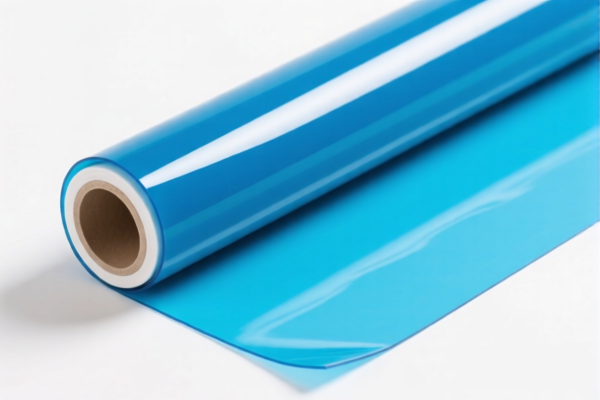
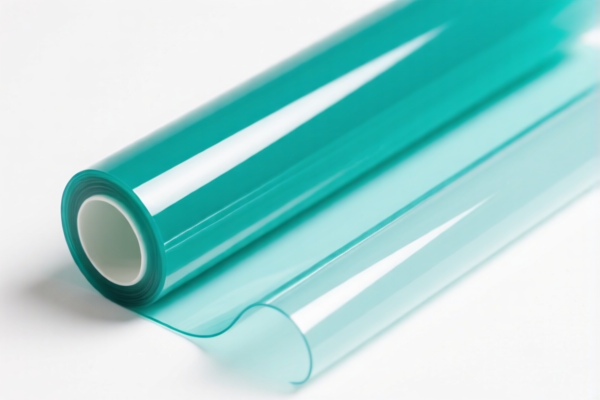
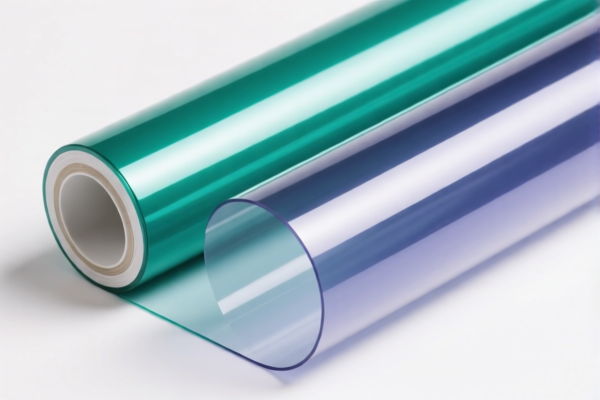
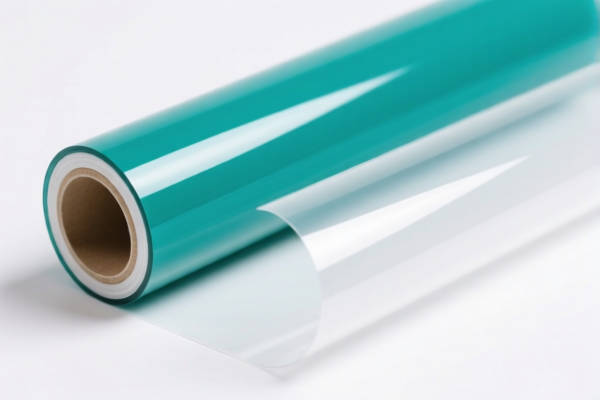
AI Analysis
🏷️ Acrylic Self-Adhesive Tape (Self adhesive Acrylic Tape)
🌐 HS Code Reference & Customs Clearance Guide | 2026 Latest Tariff Analysis | Professional Clearance Strategy
📌 I. Product Definition & Classification: Do You Really Understand "Acrylic Tape"?
Acrylic self-adhesive tape is a high-performance adhesive product widely used in packaging, industrial bonding, and mounting. In international trade, its classification depends heavily on its material composition and physical form. It is generally categorized under Chapter 39 (Plastics) or Chapter 40 (Rubber).
The Key Distinction: * Acrylic Film/Polymer Base: If the backing material is primarily acrylic plastic (a type of polymer/plastic), it falls under Chapter 39 (Plastic boards, sheets, film, foil, and strip). * Foam Rubber Base: If the tape is made of foam rubber with an acrylic adhesive, it falls under Chapter 40 (Articles of rubber).
⚠️ Critical Classification Point:
- If the tape is a solid plastic film (non-porous) with self-adhesive properties →归类 for 3919 (Self-adhesive plates, sheets, film, foil, tape, strip, and other flat shapes) or 3921 (Other plates, sheets, film, foil, and strip).
- If the tape is foam-based (porous, spongy texture) → Classified under 4008 (Foam rubber articles).
📦 II. HS Code Classification Details (2026 Latest Tariff Authority Comparison)
Based on the provided data, here are the five most relevant HS Codes for "Acrylic Self-Adhesive Tape":
| HS Code | Product Description | Key Characteristics | Primary Material |
|---|---|---|---|
3921.90.40.10 |
Acrylic Self-Adhesive Film | Material: Acrylic (Plastic); Form: Film | Plastic (Acrylic Polymer) |
3919.90.50.40 |
Acrylic Self-Adhesive Tape | Material: Acrylic (Plastic); Form: Self-adhesive film; Matches plastic self-adhesive film features. | Plastic (Acrylic Polymer) |
3919.10.20.55 |
Plastic Self-Adhesive Film | Material: Plastic; Form: Self-adhesive film; Meets requirements for plastic self-adhesive films. | Plastic (General Polymer) |
3921.90.50.10 |
Other Plastic Film | Material: Plastic; Form: Film; Classified as other plastic plates, sheets, film, foil, and strip. | Plastic (General Polymer) |
4008.11.50.00 |
Self-Adhesive Foam Tape | Material: Foam Rubber; Form: Tape; Classified as foam rubber articles. | Foam Rubber |
🔍 Key Reminder:
- 3919 vs. 3921:3919is specifically for self-adhesive plastic products.3921is for other plastic films that may or may not be self-adhesive. If the product is explicitly "self-adhesive,"3919is often the more precise choice, but3921is used if it doesn't meet specific "self-adhesive film" criteria or is a composite.
- 39xx vs. 40xx: The presence of foam (spongy/porous structure) moves the classification to Chapter 40 (4008). Non-foam, solid plastic films remain in Chapter 39.
💰 III. 2026 Latest Tariff Rate Details (Including Surtaxes, Policy Add-ons)
✅ Applicable Country: United States (US)
✅ Origin: China (CN)
✅ Effective Date: From November 10, 2025 (including subsequent imports)
🎯 1. 3921.90.40.10 —— Acrylic Self-Adhesive Film (Plastic Base)
| Item | Content |
|---|---|
| Base Tariff | 4.2% |
| Surtax (Section 301) | +25.0% |
| Section 122 Tariff | +10.0% |
| Total Tax Rate | 39.2% |
| Tax Calculation | CIF Value × 39.2% |
| De Minimis Exemption | ❌ Not Applicable (deny_de_minimis) |
| Legal Basis Path | USITC:3921.90.40.10 → Surtax: 25% → Section 122: 10% |
📌 Explanation:
- The 4.2% is the standard MFN (Most Favored Nation) base tariff for this plastic film category.
- The 25% surtax is applied under Section 301 of the Trade Act (targeting Chinese manufactured goods).
- The 10% is an additional Section 122 tariff (often related to national security or specific trade remedies).
- Total 39.2% is a significant cost factor.
🎯 2. 3919.90.50.40 —— Acrylic Self-Adhesive Tape (Plastic Self-Adhesive Film)
| Item | Content |
|---|---|
| Base Tariff | 5.8% |
| Surtax (Section 301) | +25.0% |
| Section 122 Tariff | +10.0% |
| Total Tax Rate | 40.8% |
| Tax Calculation | CIF Value × 40.8% |
| De Minimis Exemption | ❌ Not Applicable |
| Legal Basis Path | USITC:3919.90.50.40 → Surtax: 25% → Section 122: 10% |
📌 Note:
- This code is for self-adhesive plastic films/tapes. The base tariff (5.8%) is slightly higher than non-self-adhesive films (4.2%).
- Total 40.8% is the highest among the plastic-based options. Precision in declaring "self-adhesive" is crucial.
🎯 3. 3919.10.20.55 —— Plastic Self-Adhesive Film
| Item | Content |
|---|---|
| Base Tariff | 5.8% |
| Surtax (Section 301) | +25.0% |
| Section 122 Tariff | +10.0% |
| Total Tax Rate | 40.8% |
| Tax Calculation | CIF Value × 40.8% |
| De Minimis Exemption | ❌ Not Applicable |
| Legal Basis Path | USITC:3919.10.20.55 → Surtax: 25% → Section 122: 10% |
📌 Note:
- Similar to the previous code, this falls under "Self-adhesive plates, sheets, film..." in Chapter 39.
- Total 40.8% applies. The slight variation in HS code digits may depend on the exact width or specific plastic polymer type, but the tax burden is identical.
🎯 4. 3921.90.50.10 —— Other Plastic Film (Non-Specific Self-Adhesive)
| Item | Content |
|---|---|
| Base Tariff | 4.8% |
| Surtax (Section 301) | +25.0% |
| Section 122 Tariff | +10.0% |
| Total Tax Rate | 39.8% |
| Tax Calculation | CIF Value × 39.8% |
| De Minimis Exemption | ❌ Not Applicable |
| Legal Basis Path | USITC:3921.90.50.10 → Surtax: 25% → Section 122: 10% |
📌 Note:
- This is a "catch-all" for other plastic films that do not fit more specific self-adhesive categories.
- Total 39.8% is slightly lower than the self-adhesive film codes (40.8%) due to a lower base tariff (4.8% vs 5.8%).
- Risk: If the product is clearly self-adhesive, customs may reclassify it to3919(40.8%), leading to back taxes.
🎯 5. 4008.11.50.00 —— Self-Adhesive Foam Tape (Rubber Base)
| Item | Content |
|---|---|
| Base Tariff | 3.3% |
| Surtax (Section 301) | +25.0% |
| Section 122 Tariff | +10.0% |
| Total Tax Rate | 38.3% |
| Tax Calculation | CIF Value × 38.3% |
| De Minimis Exemption | ❌ Not Applicable |
| Legal Basis Path | USITC:4008.11.50.00 → Surtax: 25% → Section 122: 10% |
📌 Note:
- This code applies only if the tape is made of foam rubber.
- Total 38.3% is the lowest among all options due to the lowest base tariff (3.3%).
- Crucial: Do not misclassify plastic film as foam tape to save costs. Customs can test material composition.
🛠️ IV. Customs Clearance Practical Advice (Combat Pitfall Guide)
✅ 1. Preparation Checklist (All Required)
| Material | Must Provide | Description |
|---|---|---|
| ✅ Product Specification Sheet | ✔️ | Must detail material (Acrylic vs. Foam Rubber), thickness, width, adhesive type, and backing material. |
| ✅ Product Photos | ✔️ | Clear images showing the cross-section (to distinguish foam from solid film) and the adhesive side. |
| ✅ Material Safety Data Sheet (MSDS) | ✔️ | To confirm chemical composition (Acrylic Polymer vs. Rubber). |
| ✅ Commercial Invoice | ✔️ | Must clearly state "Acrylic Self-Adhesive Tape" or "Self-Adhesive Foam Tape" with material composition. |
| ✅ Packing List | ✔️ | Details net/gross weight, dimensions, and packaging type. |
| ✅ Certificate of Origin (CO) | ✔️ | Required for origin verification (China). |
✅ 2. Declaration Tips (Key Mantras)
🔥 "Material First, Form Second, Foam vs. Plastic, Don't Get It Wrong!"
| Scenario | Correct Declaration | Incorrect Practice |
|---|---|---|
| Solid Acrylic Film Tape | 3919.90.50.40 or 3919.10.20.55 |
Misdeclare as 3921 (39.8%) → Risk of reclassification to 3919 (40.8%) |
| Foam Rubber Tape | 4008.11.50.00 |
Misdeclare as Plastic (39xx) → Unjustified higher tax, or misdeclare as Plastic when it's Foam → Seizure Risk |
| Generic "Adhesive Tape" | Specific HS Code + Material Description | Vague description "Tape" → Customs delay, potential audit |
| Mixed Shipment (Film + Foam) | Separate HS Codes | Combined under one code → Complex customs inquiry |
✅ 3. Special Circumstances Handling
| Situation | Handling Advice |
|---|---|
| OEM Custom Tape | Provide client order + technical drawings showing material layers to prove classification. |
| Acrylic vs. Foam Confusion | If unsure, provide a lab test report confirming if the backing is solid plastic or porous foam. |
| Composite Materials | If the tape has a fabric backing with acrylic adhesive, it may fall under Chapter 59 or 68. Consult a customs broker. |
| Low-Value Shipments | Note: Due to the high total tax rate (38.3%–40.8%), de minimis exemption does NOT apply. Even small shipments are subject to full duty. |
🌍 V. Global Main Market Clearance Comparison (2026 Latest)
| Country/Region | Recommended HS Code | Tariff (China Origin) | Certification Requirements | Remarks |
|---|---|---|---|---|
| 🇺🇸 USA | 3919.90.50.40 or 4008.11.50.00 |
39.2% – 40.8% (Plastic) 38.3% (Foam) |
None specific for tape | High surtax (301 + 122) applies to all. |
| 🇨🇳 China | 3919.90.90.90 or 4008.11.00.00 |
5.5% – 6.5% (Base) | No special certs | No Section 301 or 122 tariffs. |
| 🇪🇺 EU | 3919.90.90 or 4008.11.00 |
4.0% – 5.0% (Base) | CE (if applicable) | No major surtaxes on tape. |
| 🇬🇧 UK | 3919.90.90 or 4008.11.00 |
4.0% – 5.0% (Base) | UKCA (if applicable) | Post-Brexit rules apply. |
| 🇯🇵 Japan | 3919.90.990 or 4008.11.000 |
6.0% – 7.0% (Base) | None specific | No surtaxes. |
📌 Conclusion:
- USA is the most expensive market due to the 30% combined surtaxes (25% + 10%).
- China, EU, Japan, and UK only charge the base tariff (approx. 4-7%), making them significantly cheaper for importers.
- Cost-Saving Strategy: If importing to the US, ensure the product is correctly classified as Foam Rubber (4008) if applicable, as it has the lowest total rate (38.3%) compared to Plastic Film options (39.2%-40.8%).
📌 VI. Common Errors & Pitfall Guide (Lessons Learned)
❌ Error 1: Declaring "Acrylic Tape" as "Plastic Film" (3921) when it is self-adhesive (3919).
👉 Consequence: Customs may reclassify to 3919 with a higher base rate (5.8% vs 4.2%), leading to back taxes + penalties.
❌ Error 2: Confusing Acrylic Polymer with Acrylic Adhesive on Rubber Foam.
👉 Consequence: If the backing is foam rubber, it MUST be 4008. Misdeclaring as plastic (39xx) is considered false declaration, leading to seizure or heavy fines.
❌ Error 3: Assuming de minimis exemption for low-value acrylic tape.
👉 Consequence: No exemption! All shipments, regardless of value, are subject to the 38-40% total tariff in the US.
❌ Error 4: Vague description "Self-Adhesive Tape" on the commercial invoice.
👉 Consequence: Customs broker cannot determine the correct HS code, leading to delays, audits, or default classification to the highest duty rate.
✅ Correct Approach:
"Self-Adhesive Acrylic Tape, 12mm Width, 50m Length, Solid Plastic Acrylic Film Backing, Acrylic Adhesive, Model XYZ" OR "Self-Adhesive Foam Tape, 12mm Width, 50m Length, Closed-Cell Foam Rubber Backing, Acrylic Adhesive, Model ABC"
🎯 VII. Conclusion: Precise Classification Saves Money!
🎯 Remember the Mantra:
🔹 "Plastic Film? 3919/3921. Foam Rubber? 4008.
🔹 Total Tax: ~40% in US. Base Tariff Matters.
🔹 Foam is Cheaper (38.3%) than Film (40.8%). Prove the Foam!"
📌 Pro Tip:
If your acrylic tape is made of foam rubber, strictly declare it as 4008.11.50.00 to save 0.5% - 2.5% in total duties compared to plastic film codes. This might seem small, but on large volumes, it adds up.
For solid acrylic films, ensure you use 3919 (self-adhesive) rather than 3921 (other) to avoid customs disputes, even if the base rate is slightly higher.
📣 Immediate Action:
📞 Contact your customs broker with material composition details and cross-section photos.
🚀 Apply for an Advance Ruling if you are unsure whether your tape is "Plastic Film" or "Foam Rubber" to mitigate audit risk.
✨ Professional Clearance Starts with Precise Classification!
💼 Every Percent Saved is Pure Profit!
Customer Reviews
About HS Code Classification
The Harmonized System (HS) is an internationally standardized nomenclature developed by the World Customs Organization (WCO) to classify traded products. Over 200 countries use the HS system as the basis for customs tariffs, trade statistics, and import/export regulations.
Each HS code follows a hierarchical structure:
- Chapter (2 digits) — Broad category of goods (e.g., Chapter 84: Machinery and Mechanical Appliances)
- Heading (4 digits) — More specific grouping within the chapter
- Subheading (6 digits) — Internationally standardized breakdown, used by all WCO member countries
- National subdivisions (8-10 digits) — Country-specific extensions for further classification, such as US HTSUS 10-digit codes
Correct HS code classification is essential for smooth customs clearance, accurate duty payment, and compliance with trade regulations. Misclassification can lead to customs delays, overpayment of duties, or penalties.
When importing from CN to US, the applicable tariff rates may include:
- Most-Favored-Nation (MFN) rate — The standard duty rate applied to WTO members
- General rate — Applied to countries without trade agreements
- Trade remedy duties — Additional tariffs such as Section 301 (anti-dumping), Section 232 (national security), or countervailing duties
The information provided on this page is for reference purposes only. For official classification, please consult with your local customs authority or a licensed customs broker.