self adhesive plastic optical film rolls
CN → US| HS Code | Tariff Rate | Origin | Destination | Doc |
|---|---|---|---|---|
| 3919102055 | 40.8% | CN | US | Official Doc |
| 3919905040 | 40.8% | CN | US | Official Doc |
| 3919905060 | 40.8% | CN | US | Official Doc |
| 3926909989 | 22.8% | CN | US | Official Doc |
| 3919102055 | 40.8% | CN | US | Official Doc |
Product Images
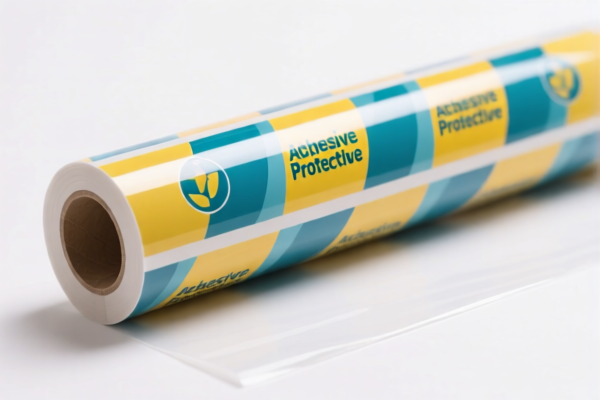
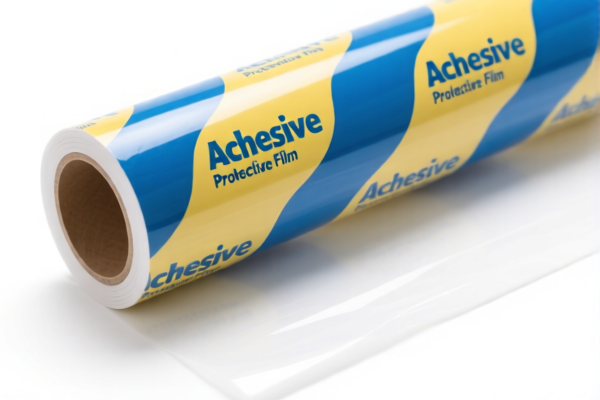
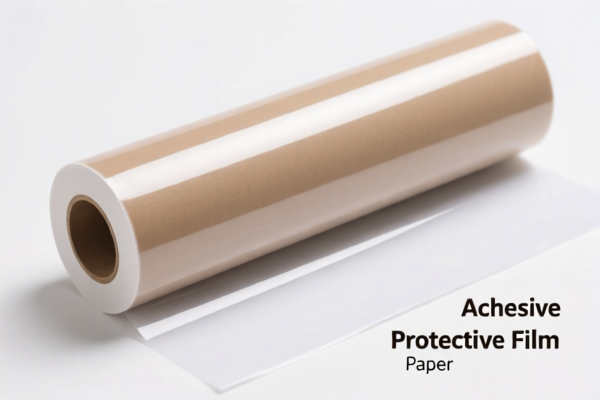

AI Analysis
🎞️ Self Adhesive Plastic Optical Film Rolls
🌐 HS Code Reference & Customs Clearance Guide | 2026 Latest Tariff Analysis | Professional Clearance Strategy
📌 I. Product Definition & Classification: Do You Truly Understand "Optical Film"?
Self-Adhesive Plastic Optical Film Rolls are high-precision plastic materials with adhesive properties, specifically designed for optical applications (e.g., display enhancement, solar panels, electronic components). In international trade, classification hinges on whether the product is classified under specific adhesive films or other plastic articles.
Key Distinction Points:
- If the film is strictly defined as "self-adhesive plastic film" in Chapter 39, it typically falls under Heading 3919.
- If it is considered a "specialized plastic article" not elsewhere specified, it might fall under Heading 3926.
- Critical Factor: The presence of "optical" specifications often triggers stricter scrutiny under the "self-adhesive" subheadings due to the specific manufacturing and usage criteria.
⚠️ Key Differentiator:
- Standard Self-Adhesive Films (general purpose, construction, appliance贴膜) → Likely 3919.10.20.55 or 3919.90.50.40/60.
- Optical-Specific Films → Still likely 3919.10.20.55 if they meet the "self-adhesive plastic film" definition, but must be carefully documented.
- Unclassified Plastic Articles → If the adhesive feature is marginal or the film is highly specialized without a specific adhesive code, it might fall under 3926.90.99.89, but this is riskier due to different tariff structures.
📦 II. HS Code Classification Details (2026 Latest Tariff Authority Comparison)
| HS Code | Product Description | Application Scenario | Key Characteristics |
|---|---|---|---|
3919.10.20.55 |
Self-adhesive plastic film rolls, material: plastic, form: film/roll, flat shape, suitable for construction/appliance films | General self-adhesive films, including those with optical clarity if not strictly "optical equipment" | ✅ Self-adhesive, Plastic, Roll |
3919.90.50.40 |
Self-adhesive plastic film rolls, with self-adhesive properties and plastic material, flat shape consistent with transparent tape | Transparent tapes, general self-adhesive films with specific adhesive properties | ✅ Self-adhesive, Plastic, Roll |
3919.90.50.60 |
Self-adhesive plastic film rolls, including self-adhesive, plastic, and film features, classified under other self-adhesive plastic flat products | Other self-adhesive plastic films not covered by specific subheadings | ✅ Self-adhesive, Plastic, Roll |
3919.10.20.55 |
Self-adhesive plastic optical film rolls, material: plastic, form: film/roll, self-adhesive flat shape for optical use | High-clarity films for displays, optics, or electronics | ✅ Self-adhesive, Plastic, Optical Grade |
3926.90.99.89 |
Self-adhesive plastic film rolls, material: plastic, form: film roll, classified as other unspecified plastic articles | Films where adhesive classification is disputed or film is highly specialized without clear adhesive code | ❌ Less likely, high risk |
🔍 Key Reminder:
- All self-adhesive plastic films (whether optical or general) are primarily classified under HS 3919 if they meet the definition of "self-adhesive films."
- Optical films are still "self-adhesive plastic films" if they have an adhesive layer applied for lamination or bonding. Do not mistakenly classify them as "optical instruments" (HS 90) unless they are finished optical components.
- HS 3926.90.99.89 is a "fallback" code with a lower total tax (22.8%) but is high-risk for customs rejection if the product clearly fits "self-adhesive film" (3919).
💰 III. 2026 Latest Tariff Rate Detailed Explanation (Including Additional Taxes, Policy Add-ons)
✅ Applicable Country: United States (US)
✅ Origin: China (CN)
✅ Effective Date: From November 10, 2025 (and subsequent imports)
🎯 1. 3919.10.20.55 — Self-Adhesive Plastic Film (General & Optical)
| Item | Content |
|---|---|
| Base Tariff | 5.8% |
| Section 301 Additional Tariff | +25.0% |
| Section 122 Tariff | +10.0% |
| Total Tariff Rate | 40.8% |
| Tax Calculation | CIF Value × 40.8% |
| De Minimis Exemption Eligible? | ❌ No (deny_de_minimis) |
| Legal Basis Path | Base: 5.8% → Sec 301: 25% → Sec 122: 10% → Total: 40.8% |
📌 Explanation:
- This is the most common classification for self-adhesive plastic films, including optical films that use adhesive layers.
- The 40.8% total rate is a combination of standard duties and punitive tariffs.
- Optical films are NOT exempt from Section 301 or Section 122 tariffs unless specifically excluded (which is rare for plastic films).
🎯 2. 3919.90.50.40 — Other Self-Adhesive Plastic Films
| Item | Content |
|---|---|
| Base Tariff | 5.8% |
| Section 301 Additional Tariff | +25.0% |
| Section 122 Tariff | +10.0% |
| Total Tariff Rate | 40.8% |
| Tax Calculation | CIF Value × 40.8% |
| De Minimis Exemption Eligible? | ❌ No |
| Legal Basis Path | Same as above |
📌 Note:
- Same tariff rate as3919.10.20.55.
- Used for films that do not fit the specific "construction/appliance" subcategory but are still self-adhesive.
🎯 3. 3919.90.50.60 — Other Self-Adhesive Plastic Flat Products
| Item | Content |
|---|---|
| Base Tariff | 5.8% |
| Section 301 Additional Tariff | +25.0% |
| Section 122 Tariff | +10.0% |
| Total Tariff Rate | 40.8% |
| Tax Calculation | CIF Value × 40.8% |
| De Minimis Exemption Eligible? | ❌ No |
📌 Note:
- Same high tariff rate.
- Avoid using this if a more specific code (like 3919.10.20.55) applies, as it may trigger customs audits.
🎯 4. 3926.90.99.89 — Other Plastic Articles (Fallback Classification)
| Item | Content |
|---|---|
| Base Tariff | 5.3% |
| Section 301 Additional Tariff | +7.5% |
| Section 122 Tariff | +10.0% |
| Total Tariff Rate | 22.8% |
| Tax Calculation | CIF Value × 22.8% |
| De Minimis Exemption Eligible? | ❌ No |
| Legal Basis Path | Base: 5.3% → Sec 301: 7.5% → Sec 122: 10% → Total: 22.8% |
📌 Caution:
- Lower total tariff (22.8%) but high risk of classification challenge.
- Customs may argue that self-adhesive films must be classified under HS 3919 (self-adhesive films) rather than "other plastic articles."
- Only use if the adhesive property is minimal or the film is a specialized plastic component with incidental adhesive.
🛠️ IV. Customs Clearance Practical Advice (Pitfall Avoidance Guide)
✅ 1. Documentation Checklist (All Must Be Provided)
| Document | Required | Description |
|---|---|---|
| ✅ Product Specifications | ✔️ | Must include: Material (e.g., PET, PE), Thickness, Adhesive Type, Optical Properties (Clarity, Refractive Index), Width, Length. |
| ✅ Technical Data Sheet | ✔️ | Show adhesive layer structure, backing material, and optical performance. |
| ✅ Product Photos | ✔️ | Clear images of the roll, adhesive side, and labels indicating "Optical Film." |
| ✅ Commercial Invoice | ✔️ | Must clearly state: "Self-Adhesive Plastic Optical Film Rolls, HS Code: 3919.10.20.55." |
| ✅ Packing List | ✔️ | Include dimensions, weight, and number of rolls. |
| ✅ Origin Certificate | ✔️ | Prove Chinese origin to confirm applicability of Section 301/122 tariffs. |
✅ 2. Declaration Tips (Key Rules)
🔥 "Be Precise: Adhesive + Plastic + Roll = HS 3919, Not 3926!"
| Scenario | Correct Declaration | Incorrect Action |
|---|---|---|
| Standard Self-Adhesive Film | 3919.10.20.55 |
Misclassify as 3926.90.99.89 → Risk of penalty + back taxes. |
| Optical Film with Adhesive | 3919.10.20.55 |
Declare as "Optical Instrument" (HS 90) → Incorrect chapter, high risk. |
| High-Specialty Film with Weak Adhesive | Consider 3926.90.99.89 with strong justification |
Use 3919 codes incorrectly → Customs rejection. |
| Transparent Tape | 3919.90.50.40 |
Declare as "Office Supply" → Wrong HS code. |
✅ 3. Special Cases Handling
| Scenario | Recommendation |
|---|---|
| OEM Custom Optical Films | Provide customer design specs + adhesive layer details to prove classification under 3919.10.20.55. |
| Films with Multiple Layers | Detail the structure (e.g., PET + Acrylic Adhesive + Release Liner) in the declaration. |
| Dispute with Customs | If customs challenges 3919, prepare technical proofs showing the primary function is adhesive bonding for optical films. |
| Low-Value Shipments | No de minimis exemption for these HS codes from China → Even small shipments pay 40.8% or 22.8%. |
🌍 V. Global Market Customs Clearance Comparison (2026 Latest)
| Country/Region | Recommended HS Code | Tariff Rate | Certification Requirements | Notes |
|---|---|---|---|---|
| 🇺🇸 United States | 3919.10.20.55 |
40.8% (China Origin) | None specific | High tariff due to Section 301 + 122. |
| 🇺🇸 United States | 3926.90.99.89 |
22.8% (High Risk) | None specific | Risk of reclassification to 3919. |
| 🇨🇳 China | 3919.10.20.55 |
5.3% | None | Lower tariff, no additional punitive taxes. |
| 🇪🇺 EU | 3919.10.20 |
0% - 6.5% | REACH, RoHS | No Section 301/122 equivalent. |
| 🇬🇧 UK | 3919.10.20 |
0% - 6.5% | UKCA, REACH | Similar to EU post-Brexit. |
📌 Conclusion:
- The US imposes the highest tariffs on Chinese-origin self-adhesive plastic films due to Section 301 (25%) and Section 122 (10%).
- Optical films do not receive special exemptions from these punitive tariffs.
- Avoid misclassification to3926to save on tariffs, as this is a common audit trigger.
📌 VI. Common Mistakes & Pitfall Guide (Lessons Learned)
❌ Mistake 1: Classifying "Self-Adhesive Optical Film" as "Optical Instruments" (HS 90)
👉 Consequence: HS Code error → Goods detained, penalties, and forced reclassification to HS 3919 (40.8%).
❌ Mistake 2: Using 3926.90.99.89 to reduce tax from 40.8% to 22.8% without justification
👉 Consequence: Customs audit → Classification challenge → Back taxes + fines + potential seizure.
❌ Mistake 3: Not declaring "Adhesive" in the product description
👉 Consequence: Customs may assume no adhesive → Incorrect classification → Discrepancy notices.
❌ Mistake 4: Assuming "Optical" means zero tariff
👉 Consequence: Surprises at customs → 40.8% tariff applied anyway.
✅ Correct Approach:
"Self-Adhesive Plastic Optical Film Roll, Material: PET, Thickness: 50um, Adhesive: Acrylic, for Display Enhancement, HS Code: 3919.10.20.55"
🎯 VII. Conclusion: Precision in Classification Saves Money!
🎯 Remember the Key Rule:
🔹 "Self-Adhesive + Plastic + Roll = HS 3919. No Optical Exemption from US Tariffs."
🔹 "Don't Risk HS 3926 Unless Adhesive is Negligible. 40.8% is Real, Not Optional."
📌 Pro Tip:
- If you are importing into the US, calculate the 40.8% tariff into your cost structure.
- Consider pre-ruling with US Customs and Border Protection (CBP) if the product is highly specialized.
- Ensure all technical documents explicitly state "Self-Adhesive" and "Plastic Film" to support the HS 3919 classification.
📣 Immediate Action:
📞 Consult a Customs Broker + Provide Product Specs + Verify HS Code Pre-Ruling
🚀 Ensure Smooth Clearance, Avoid Delays, and Manage Costs Accurately!
✨ Professional Clearance Starts with Accurate Classification!
💼 Every Percent of Tariff Matters!
Customer Reviews
About HS Code Classification
The Harmonized System (HS) is an internationally standardized nomenclature developed by the World Customs Organization (WCO) to classify traded products. Over 200 countries use the HS system as the basis for customs tariffs, trade statistics, and import/export regulations.
Each HS code follows a hierarchical structure:
- Chapter (2 digits) — Broad category of goods (e.g., Chapter 84: Machinery and Mechanical Appliances)
- Heading (4 digits) — More specific grouping within the chapter
- Subheading (6 digits) — Internationally standardized breakdown, used by all WCO member countries
- National subdivisions (8-10 digits) — Country-specific extensions for further classification, such as US HTSUS 10-digit codes
Correct HS code classification is essential for smooth customs clearance, accurate duty payment, and compliance with trade regulations. Misclassification can lead to customs delays, overpayment of duties, or penalties.
When importing from CN to US, the applicable tariff rates may include:
- Most-Favored-Nation (MFN) rate — The standard duty rate applied to WTO members
- General rate — Applied to countries without trade agreements
- Trade remedy duties — Additional tariffs such as Section 301 (anti-dumping), Section 232 (national security), or countervailing duties
The information provided on this page is for reference purposes only. For official classification, please consult with your local customs authority or a licensed customs broker.