semi finished leather gloves non premium
CN → US| HS Code | Tariff Rate | Origin | Destination | Doc |
|---|---|---|---|---|
| 4203290800 | 49.0% | CN | US | Official Doc |
| 4107127040 | 15.0% | CN | US | Official Doc |
| 4203290500 | 47.6% | CN | US | Official Doc |
| 4107117040 | 15.0% | CN | US | Official Doc |
| 4203290800 | 49.0% | CN | US | Official Doc |
Product Images
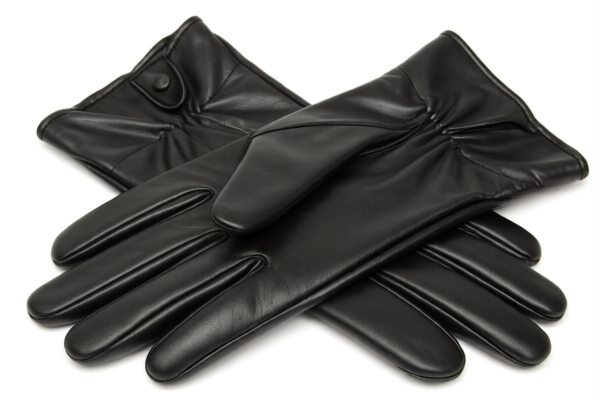
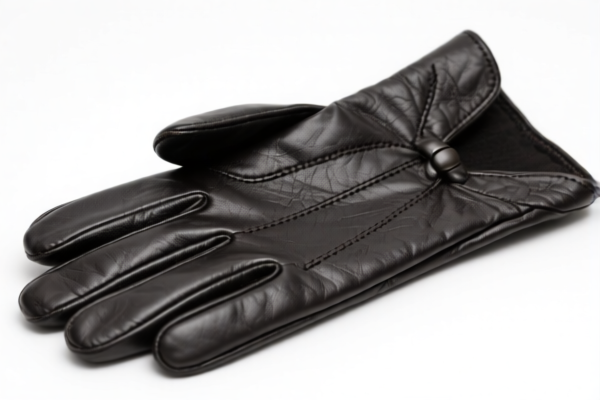

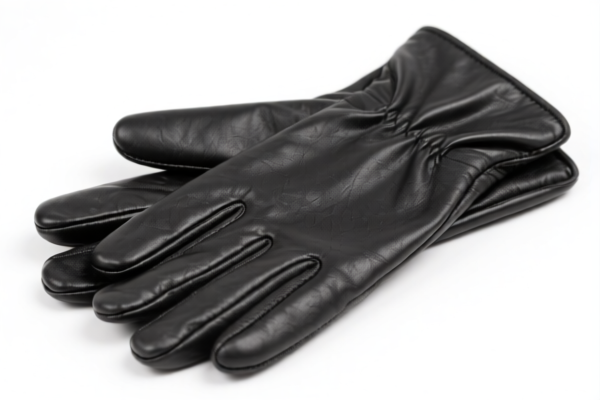
AI Analysis
🧤 Semi-Finished Leather Gloves (Non-Premium / Unfinished Cowhide Gloves)
🌐 HS Code Reference & Clearance Guide | 2026 Latest Tariff Analysis | Professional Customs Strategy
📌 I. Product Definition & Classification: Do You Understand "Semi-Finished Leather Gloves"?
Semi-finished leather gloves, specifically those made from non-premium cowhide (no-hair cattle leather), occupy a critical juncture in the supply chain. They are not yet consumer-ready goods but are advanced components. In international trade, the classification hinges on two key factors: 1. Material Processing: Are they merely tanned leather plates (heading 41), or have they been cut/sewn into glove shapes (heading 42)? 2. State of Completion: Are they "semi-finished" (cut but not fully assembled/finalized) or "finished" gloves?
⚠️ Key Distinction Point:
- If the leather is merely tanned and cut into rough shapes but lacks the structural definition of a glove → May fall under Heading 41 (Leather)
- If the leather is cut, stitched, or shaped into the distinct form of a glove, even if unfinished → Falls under Heading 42 (Articles of Leather)
📦 II. HS Code Classification Details (Based on Provided Data | 2026 Latest Tariff Authority)
The following HS codes are extracted directly from your provided dataset. They represent the most likely classifications for non-premium cowhide semi-finished gloves, with varying tax implications.
| HS Code | Product Summary (from Data) | Total Tax Rate | Tax Breakdown | Key Classification Logic |
|---|---|---|---|---|
4203.29.08.00 |
Semi-finished gloves, cowhide, semi-finished state, matches leather glove characteristics | 49.0% | Base: 14.0% Add. Tariff: 25.0% Section 301/122: 10.0% |
Classified as finished leather articles (Gloves). High tax due to "finished article" status. |
4107.12.70.40 |
Semi-finished gloves, cowhide, for glove use | 15.0% | Base: 5.0% Add. Tariff: 0.0% Section 301/122: 10.0% |
Classified as tanned leather (not yet a glove). Lower tax because it's treated as raw material/leather plate. |
4203.29.05.00 |
Semi-finished gloves, cowhide, glove shape, core material & use match leather gloves | 47.6% | Base: 12.6% Add. Tariff: 25.0% Section 301/122: 10.0% |
Classified as finished leather articles. Slightly lower base rate than 4203.29.08.00 but same high add-ons. |
4107.11.70.40 |
Semi-finished gloves, hairless feature, for glove use, matches full-grain leather definition | 15.0% | Base: 5.0% Add. Tariff: 0.0% Section 301/122: 10.0% |
Classified as tanned leather (full-grain). Same low tax rate as 4107.12.70.40. Ideal for cost-saving if classification is accepted. |
🔍 Critical Insight:
- Two Tax Brackets Exist:
- 15.0% Total Tax: If classified under 4107 (Tanned Leather). This requires proving the item is not yet a glove but rather leather plates/sections.
- 47.6% - 49.0% Total Tax: If classified under 4203 (Leather Articles/Gloves). This applies if the item is recognized as a "glove" in semi-finished state.
- US Origin Impact: All rates include a 10% "Section 122" tariff (likely referring to US Section 301/IEEPA additional tariffs on Chinese goods). The "Add. Tariff 25%" in 4203 codes suggests higher penalty for classified "finished goods" vs. "raw leather."
💰 III. 2026 Latest Tariff Rate Details (Including Add-ons)
✅ Applicable Country: United States (US)
✅ Origin: China (CN) – Implied by high tariffs
✅ 生效时间: 2025年11月10日起 (Post-November 10, 2025)
🎯 1. 4203.29.08.00 & 4203.29.05.00 —— Leather Gloves (Semi-Finished)
| Item | Details |
|---|---|
| Base Tariff | 12.6% ~ 14.0% (Ad valorem) |
| USITC Add-on Tariff (Section 301) | +25.0% |
| IEEPA/122-Clause Tariff | +10.0% |
| Total Tariff | 47.6% ~ 49.0% |
| Calculation | CIF Value × 47.6%-49.0% |
| De Minimis Exemption | ❌ Not Eligible (High value, classified as finished article) |
| Legal Basis | USITC:4203.29.xx + IEEPA:9903.01.25 + Section 301 Footnote |
📌 Explanation:
- These codes classify the item as a glove (even if semi-finished).
- The 25% Section 301 tariff is applied because leather gloves are often targeted in trade disputes.
- High cost: Nearly half the value goes to duties.
🎯 2. 4107.12.70.40 & 4107.11.70.40 —— Tanned Leather (For Glove Making)
| Item | Details |
|---|---|
| Base Tariff | 5.0% (Ad valorem) |
| USITC Add-on Tariff (Section 301) | 0.0% |
| IEEPA/122-Clause Tariff | +10.0% |
| Total Tariff | 15.0% |
| Calculation | CIF Value × 15.0% |
| De Minimis Exemption | ❌ Not Eligible (Value threshold usually exceeded) |
| Legal Basis | USITC:4107.xx + IEEPA:9901.25 + Section 301 Exemption (for leather plates) |
📌 Explanation:
- These codes classify the item as tanned leather (heading 41).
- Key Advantage: The 25% Section 301 tariff does not apply to tanned leather in this specific subheading (per the data provided).
- Cost Saving: 15% vs. 49% = ~34% savings on duties.
🛠️ IV. Clearance Practical Advice (Real-World Pitfall Guide)
✅ 1. Documentation Checklist (Must-Haves)
| Document | Required | Purpose |
|---|---|---|
| ✅ Product Specification Sheet | ✔️ | Detail: "Cowhide," "No Hair," "Semi-Finished" |
| ✅ Photos (Before & After) | ✔️ | Show the item is cut/shaped but not fully assembled (if claiming 15% rate) |
| ✅ Commercial Invoice | ✔️ | Describe as "Tanned Cowhide Leather Plates for Glove Manufacturing" (for 4107) OR "Semi-Finished Leather Gloves" (for 4203) |
| ✅ Packing List | ✔️ | Ensure no finished gloves or accessories are included if claiming leather classification |
| ✅ Proof of Origin | ✔️ | Critical for verifying China origin and applying correct IEEPA tariffs |
✅ 2. Declaration Strategy (Crucial for Tax Optimization)
🔥 "Describe by Material, Not by End-Use!"
| Scenario | Recommended HS Code | Risk |
|---|---|---|
| Item is just cut leather, not stitched/gloved | 4107.11.70.40 or 4107.12.70.40 |
Low Risk if documentation proves it's leather plates. Tax: 15% |
| Item is cut, stitched, but lacks lining/finish | 4203.29.08.00 or 4203.29.05.00 |
High Risk of being seen as "finished glove." Tax: 49% |
| Mixed Shipment (Some finished, some semi) | Split Declaration | ⚠️ Do NOT mix unless clearly separated in invoice/packing list. |
📌 Pro Tip:
To achieve the 15% tax rate, your invoice and description must not use the word "Glove" prominently. Instead, use:
"Unfinished Tanned Cowhide Leather Sections for Glove Production"
"Hairless Cattle Leather Plates, Semi-Processed"
✅ 3. Special Considerations
| Situation | Recommendation |
|---|---|
| Customs Audit | If customs challenges the 4107 classification, provide photos showing the item lacks fingers/gussets/lining. |
| 122-Clause Tariff | The 10% IEEPA tariff applies to all items in the dataset. It cannot be avoided. |
| Section 301 Exemption | Confirm if your specific leather type qualifies for Section 301 exclusion (though data shows 0% add-on for 4107, implying it's already exempt). |
🌍 V. Global Market Comparison (2026)
| Country/Region | Recommended HS Code | Estimated Tax (China Origin) | Notes |
|---|---|---|---|
| 🇺🇸 USA | 4107.11.70.40 / 4107.12.70.40 |
15.0% | Best rate. Avoid 4203 (49%) unless absolutely necessary. |
| 🇨🇳 China | 4107.11.00.00 / 4203.29.90.90 |
~5% - 10% | Lower tariffs domestically. |
| 🇪🇺 EU | 4107.21 / 4203.29 |
~4.5% - 12% | No Section 301 tariffs. |
| 🇬🇧 UK | 4107.21 / 4203.29 |
~4.5% - 12% | Post-Brexit tariffs similar to EU. |
📌 Conclusion for US Importers:
Classify as Tanned Leather (4107) whenever possible. The 34% tax difference (15% vs. 49%) is significant. Ensure your product documentation supports "leather plates/sections" rather than "gloves."
📌 VI. Common Mistakes & Pitfalls (Lessons Learned)
❌ Mistake 1: Calling it "Semi-Finished Gloves" on the invoice
👉 Result: Customs may classify it under 4203 (49% tax).
✅ Fix: Call it "Tanned Cowhide Leather for Glove Making."
❌ Mistake 2: Ignoring the "No Hair" feature
👉 Result: Missing the 4107.11 (full-grain/hairless) classification.
✅ Fix: Highlight "Hairless Cattle Leather" in specs.
❌ Mistake 3: Assuming all leather is taxed equally
👉 Result: Paying 49% when 15% was available.
✅ Fix: Differentiate between Heading 41 (Leather) and Heading 42 (Leather Articles).
🎯 VII. Final Advice: Professional Classification for Cost Savings
🎯 Remember This Rule:
🔹 "If it's not stitched into a glove, it's leather (4107). If it's stitched, it's a glove (4203)."
🔹 "15% vs. 49%: Choose wisely, document clearly, save 34% instantly!"
📌 Action Items:
1. Review Product Form: Is it truly just cut leather? If yes, use 4107.
2. Update Invoices: Change descriptions to emphasize "Tanned Leather" not "Gloves."
3. Consult Customs Broker: Before shipment, submit a Pre-Ruling Request if the value is high.
4. Prepare Photos: Have clear images ready to prove the "semi-finished" nature if audited.
✨ Smart Classification, Maximum Profit!
💼 Every dollar saved in tariffs is pure profit!
Customer Reviews
About HS Code Classification
The Harmonized System (HS) is an internationally standardized nomenclature developed by the World Customs Organization (WCO) to classify traded products. Over 200 countries use the HS system as the basis for customs tariffs, trade statistics, and import/export regulations.
Each HS code follows a hierarchical structure:
- Chapter (2 digits) — Broad category of goods (e.g., Chapter 84: Machinery and Mechanical Appliances)
- Heading (4 digits) — More specific grouping within the chapter
- Subheading (6 digits) — Internationally standardized breakdown, used by all WCO member countries
- National subdivisions (8-10 digits) — Country-specific extensions for further classification, such as US HTSUS 10-digit codes
Correct HS code classification is essential for smooth customs clearance, accurate duty payment, and compliance with trade regulations. Misclassification can lead to customs delays, overpayment of duties, or penalties.
When importing from CN to US, the applicable tariff rates may include:
- Most-Favored-Nation (MFN) rate — The standard duty rate applied to WTO members
- General rate — Applied to countries without trade agreements
- Trade remedy duties — Additional tariffs such as Section 301 (anti-dumping), Section 232 (national security), or countervailing duties
The information provided on this page is for reference purposes only. For official classification, please consult with your local customs authority or a licensed customs broker.