shade net
CN → US| HS Code | Tariff Rate | Origin | Destination | Doc |
|---|---|---|---|---|
| 6306120000 | 18.8% | CN | US | Official Doc |
| 5903102010 | 35.0% | CN | US | Official Doc |
| 5903102090 | 35.0% | CN | US | Official Doc |
| 5603120070 | 35.0% | CN | US | Official Doc |
| 5603110070 | 35.0% | CN | US | Official Doc |
Product Images
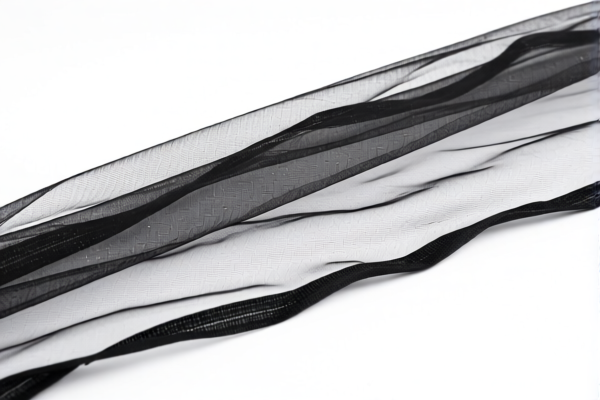
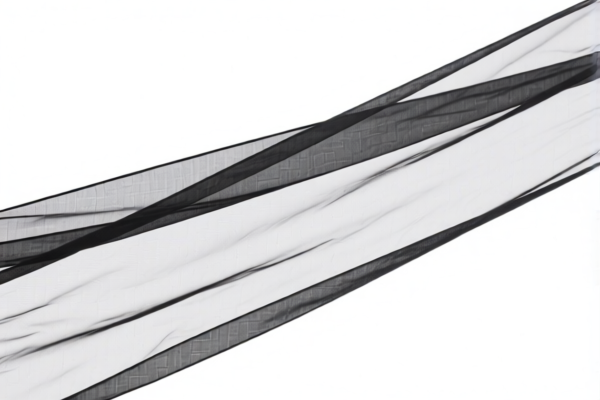

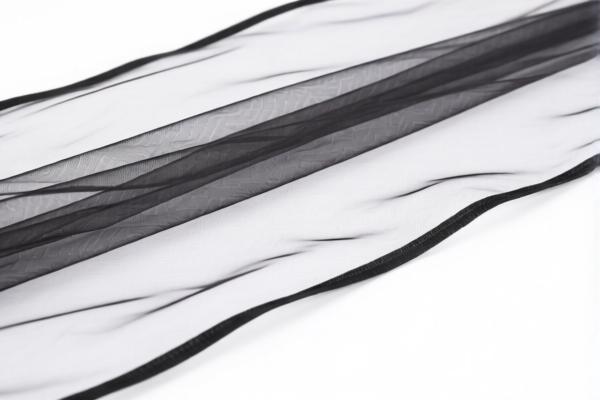
AI Analysis
🕶️ Shade Netting & Sunshade Cloth (Shade Nets)
🌐 HS Code Reference & Customs Clearance Guide | 2026 Latest Tariff Analysis | Professional Compliance Strategy
📌 I. Product Definition & Classification: Do You Really Understand "Shade Nets"?
Shade nets (also known as shade cloth or sunshade fabric) are essential materials in agriculture, construction, and outdoor living. They are designed to block sunlight, reduce heat, and protect plants or structures. In international trade, their classification depends heavily on material composition and manufacturing process:
Category A: Finished Shade Canopies/Curtains
Shade nets that are specifically manufactured as finished goods for shading purposes (e.g., pre-sewn curtains, tent-like structures). These are often treated as specific articles.
Category B: Textile Fabrics with Coatings/Impregnation
Shade nets made from synthetic fibers (polyethylene, polypropylene) that are knitted, woven, or non-woven, and often coated, laminated, or impregnated with plastic to enhance durability and UV resistance. These fall under textile or technical fabric categories.
⚠️ Key Distinction:
- If the product is a finished shading structure (like a canopy), it may fall under 6306.
- If the product is a raw or semi-finished fabric (knitted/woven/non-woven) often used for industrial/agricultural shading, it falls under 5903 (impregnated/laminated) or 5603 (non-woven).
📦 II. HS Code Classification Details (2026 Latest Tariff Authority Comparison)
| HS Code | Product Description | Application Scenario | Material/Process |
|---|---|---|---|
6306.12.00.00 |
Tarpaulins, sails, sunblinds, campgrounds | Finished sunblinds, shade curtains, awnings | Sewn/assembled shading fabric |
5903.10.20.10 |
Textile fabrics impregnated/coated with PVC | Agricultural shade nets with PVC coating | Knitted/Woven + PVC Lamination |
5903.10.20.90 |
Other textile fabrics impregnated/coated with plastics | General plastic-coated shade cloths | Any textile base + Plastic coating |
5603.12.00.70 |
Non-wovens, weight >150g/m² | Heavy-duty non-woven shade fabrics | Polyethylene/Polypropylene Non-woven |
5603.11.00.70 |
Non-wovens, weight ≤150g/m² | Lightweight non-woven shade mats | Polyethylene/Polypropylene Non-woven |
🔍 Key Reminder:
- Finished shade curtains/blinds →6306.12.00.00
- Coated/Laminated textile shade cloth →5903.10.20.xx
- Non-woven shade fabric →5603.11.00.70or5603.12.00.70(depending on weight)
💰 III. 2026 Latest Tariff Rate Breakdown (Including Surcharges & Policy Add-ons)
✅ Applicable Country: United States (US)
✅ Country of Origin: China (CN)
✅ Effective Date: From November 10, 2025 (including subsequent imports)
🎯 1. 6306.12.00.00 —— Tarpaulins, Sails, Sunblinds, Campgrounds
| Item | Content |
|---|---|
| Base Duty Rate | 8.8% (ad valorem) |
| Section 301 Additional Duty | +0.0% (No additional Section 301 tariff) |
| Section 122 Duty | +10% (Specific to Chinese products) |
| Total Rate | 18.8% |
| Tax Calculation | CIF Value × 18.8% |
| De Minimis Eligibility | ❌ Not Applicable (Standard Import) |
| Legal Basis Path | USITC:6306.12.00.00 → Section 122:10% |
📌 Explanation:
- This is the lowest tariff option for shade nets if classified as finished "sunblinds" or "tarpaulins."
- Section 122 (related to maritime transportation/foreign-flagged vessels) applies, adding 10%.
- No Section 301 (25%) tariff, making this the most cost-effective classification for finished shade products.
🎯 2. 5903.10.20.10 —— Impregnated/Coated PVC Textile Fabrics
| Item | Content |
|---|---|
| Base Duty Rate | 0.0% |
| Section 301 Additional Duty | +25.0% (Standard China Surcharge) |
| Section 122 Duty | +10% |
| Total Rate | 35.0% |
| Tax Calculation | CIF Value × 35.0% |
| De Minimis Eligibility | ❌ Not Applicable |
| Legal Basis Path | USITC:5903.10.20.10 → Section 301:25% → Section 122:10% |
📌 Explanation:
- Classified as a technical textile (PVC-coated).
- Subject to the standard 25% Section 301 tariff + 10% Section 122.
- Total 35%, significantly higher than finished sunblinds.
🎯 3. 5903.10.20.90 —— Other Impregnated/Coated Plastic Textiles
| Item | Content |
|---|---|
| Base Duty Rate | 0.0% |
| Section 301 Additional Duty | +25.0% |
| Section 122 Duty | +10% |
| Total Rate | 35.0% |
| Tax Calculation | CIF Value × 35.0% |
| De Minimis Eligibility | ❌ Not Applicable |
| Legal Basis Path | USITC:5903.10.20.90 → Section 301:25% → Section 122:10% |
📌 Note:
- Same as above, but for non-PVC plastic coatings (e.g., PE, PU).
- Total 35%. High tariff burden for coated textiles.
🎯 4. 5603.12.00.70 —— Non-Wovens, Weight >150g/m²
| Item | Content |
|---|---|
| Base Duty Rate | 0.0% |
| Section 301 Additional Duty | +25.0% |
| Section 122 Duty | +10% |
| Total Rate | 35.0% |
| Tax Calculation | CIF Value × 35.0% |
| De Minimis Eligibility | ❌ Not Applicable |
| Legal Basis Path | USITC:5603.12.00.70 → Section 301:25% → Section 122:10% |
📌 Note:
- Heavy-duty non-woven shade fabrics.
- Total 35%. No duty advantage.
🎯 5. 5603.11.00.70 —— Non-Wovens, Weight ≤150g/m²
| Item | Content |
|---|---|
| Base Duty Rate | 0.0% |
| Section 301 Additional Duty | +25.0% |
| Section 122 Duty | +10% |
| Total Rate | 35.0% |
| Tax Calculation | CIF Value × 35.0% |
| De Minimis Eligibility | ❌ Not Applicable |
| Legal Basis Path | USITC:5603.11.00.70 → Section 301:25% → Section 122:10% |
📌 Note:
- Lightweight non-woven shade fabrics.
- Total 35%. Same as heavy-duty non-wovens.
🛠️ IV. Customs Clearance Practical Advice (Battle-Tested Pitfall Avoidance)
✅ 1. Required Documentation Checklist (All Mandatory)
| Document | Must Provide | Description |
|---|---|---|
| ✅ Product Specification Sheet | ✔️ | Material (PE/PP/PVC), Weave Type (Knitted/Non-woven), Weight (g/m²), Shade Percentage |
| ✅ Product Photos | ✔️ | Clear images showing texture, coating, and any finished edges/seams |
| ✅ Commercial Invoice | ✔️ | Explicitly describe as "Shade Netting" or "Sunshade Cloth" with HS Code |
| ✅ Packing List | ✔️ | Net/Gross weight, dimensions, number of rolls/pieces |
| ✅ Certificate of Origin (CO) | ✔️ | If from non-China origin, may reduce/eliminate Section 301/122 duties |
| ✅ Test Report (if applicable) | ✔️ | UV resistance, tensile strength, flammability (if required) |
✅ 2. Declaration Strategy (Key Mnemonic)
🔥 “Finished Blinds = 18.8%, Coated Fabric = 35%! Choose wisely!”
| Scenario | Correct Declaration | Wrong Action |
|---|---|---|
| Finished shade curtains/blinds (with hemmed edges, ready to hang) | 6306.12.00.00 |
Misdeclare as "Fabric" → 35% |
| Raw/coiled shade cloth (coated, uncut, industrial roll) | 5903.10.20.xx or 5603.xx.xx |
Misdeclare as "Blinds" → Audit Risk |
| Non-woven shade mat (rolled, no coating) | 5603.11.00.70 or 5603.12.00.70 |
N/A |
| Agricultural netting (simple mesh, no coating) | Check if fits 6306 or 5903 |
Vague description "Net" → Delay |
✅ 3. Special Case Handling
| Situation | Handling Advice |
|---|---|
| OEM Custom Shade Nets | Provide design specs to prove "finished good" status for 6306 if possible |
| Mixed Shipments (Finished Blinds + Raw Rolls) | Separate Line Items with distinct HS Codes. Do not combine. |
| High-Weight Non-Woven (>150g/m²) | Ensure weight specification is clear on invoice. Misclassification leads to penalties. |
| Origin Non-China (e.g., Vietnam, India) | Apply for preferential tariff treatment. Section 301/122 may be eliminated. |
🌍 V. Global Market Comparison (2026 Latest)
| Country/Region | Recommended HS Code | Tariff (China Origin) | Certification | Note |
|---|---|---|---|---|
| 🇺🇸 USA | 6306.12.00.00 |
18.8% | None Specific | Best for finished blinds |
| 🇺🇸 USA | 5903.10.20.10 |
35.0% | None Specific | High tariff for coated fabrics |
| 🇪🇺 EU | 6306.12 |
4% | CE (if applicable) | Lower base duty than US |
| 🇨🇳 China | 6306.12 |
5% | None | Import duty to China |
| 🇦🇺 Australia | 6306.12 |
5% | N/A | Moderate duty |
📌 Conclusion:
- USA is the most challenging market due to Section 301 and Section 122 tariffs.
- Classification as6306.12.00.00(Sunblinds) saves 16.2% compared to textile classifications (5903/5603).
- Non-China origins can completely avoid Section 301/122, reducing tariffs to base rates only.
📌 VI. Common Errors & Pitfalls (Blood & Tears Lessons)
❌ Mistake 1: Declaring finished shade curtains as "Textile Fabric"
👉 Consequence: Tax jumps from 18.8% to 35%. Overpaid 16.2%!
❌ Mistake 2: Declaring raw coated rolls as "Sunblinds"
👉 Consequence: Customs rejects "finished good" status, forces reclassification to 5903, adds 25% Section 301 penalty interest.
❌ Mistake 3: Ignoring Section 122
👉 Consequence: Even if base duty is 0%, 10% Section 122 applies to most imports on foreign-flagged vessels. Always factor this in!
❌ Mistake 4: Vague Description "Shade Net"
👉 Consequence: Customs examiners may arbitrarily choose a higher-tariff code. Be Specific!
✅ Correct Declaration Example:
"Shade Cloth, Finished Sunblind, Polyethylene, 70% Shade Rate, Hemmed Edges, 10x20ft, Model XYZ, HS: 6306.12.00.00"
🎯 VII. Conclusion: Precise Classification, Cost Savings, Efficiency!
🎯 Remember Mnemonic:
🔹 "Finished Blinds = 18.8%, Coated/Non-Woven = 35%!"
🔹 "Section 122 is 10% everywhere, Section 301 is 25% on fabrics!"
🔹 "Specify 'Finished' vs 'Fabric' to save 16%!"
📌 Pro Tip:
If your shade nets are manufactured in Vietnam, India, or Thailand, apply for Certificate of Origin. You may avoid Section 301 (25%) and Section 122 (10%), reducing tariffs to 0%-8.8%.
Recommend Advance Ruling for large shipments to lock in HS Code and tariff liability.
📣 Immediate Action:
📞 Consult Customs Broker + Provide Product Photos + Request Advance Ruling
🚀 Ensure Smooth Clearance, Lower Costs, Higher Profit Margins!
✨ Professional Customs Compliance Starts with Accurate Classification!
💼 Every Percent Saved is Pure Profit!
Customer Reviews
About HS Code Classification
The Harmonized System (HS) is an internationally standardized nomenclature developed by the World Customs Organization (WCO) to classify traded products. Over 200 countries use the HS system as the basis for customs tariffs, trade statistics, and import/export regulations.
Each HS code follows a hierarchical structure:
- Chapter (2 digits) — Broad category of goods (e.g., Chapter 84: Machinery and Mechanical Appliances)
- Heading (4 digits) — More specific grouping within the chapter
- Subheading (6 digits) — Internationally standardized breakdown, used by all WCO member countries
- National subdivisions (8-10 digits) — Country-specific extensions for further classification, such as US HTSUS 10-digit codes
Correct HS code classification is essential for smooth customs clearance, accurate duty payment, and compliance with trade regulations. Misclassification can lead to customs delays, overpayment of duties, or penalties.
When importing from CN to US, the applicable tariff rates may include:
- Most-Favored-Nation (MFN) rate — The standard duty rate applied to WTO members
- General rate — Applied to countries without trade agreements
- Trade remedy duties — Additional tariffs such as Section 301 (anti-dumping), Section 232 (national security), or countervailing duties
The information provided on this page is for reference purposes only. For official classification, please consult with your local customs authority or a licensed customs broker.