shampoo pad
CN → US| HS Code | Tariff Rate | Origin | Destination | Doc |
|---|---|---|---|---|
| 6506910030 | 35.0% | CN | US | Official Doc |
| 6506910060 | 35.0% | CN | US | Official Doc |
| 3926209010 | 40.0% | CN | US | Official Doc |
| 6505001540 | 42.9% | CN | US | Official Doc |
| 6506996000 | 43.5% | CN | US | Official Doc |
Product Images
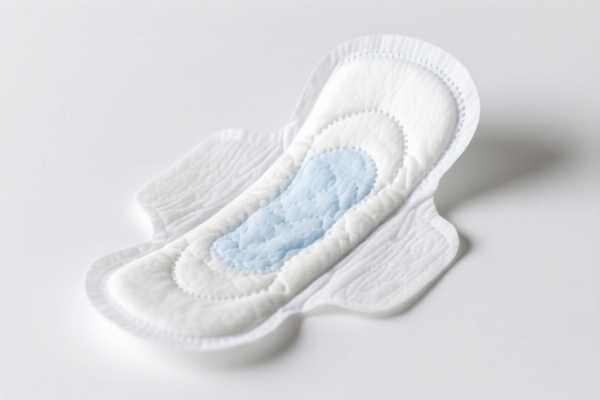
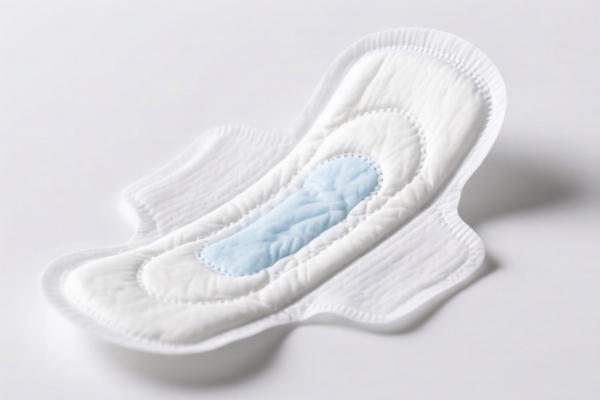
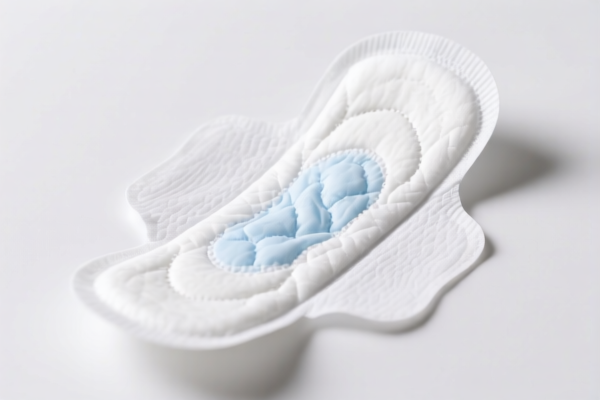
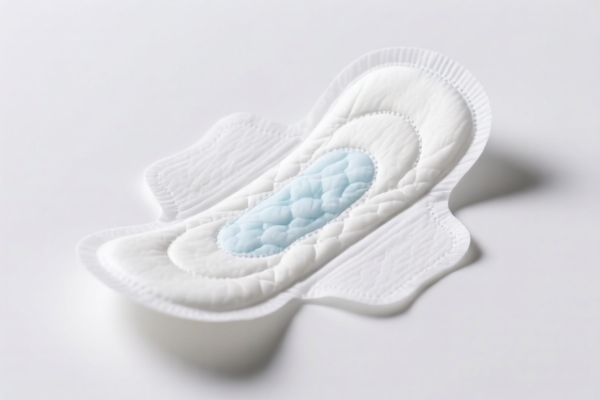
AI Analysis
☔ Shampoo Pad / Cap (Embrace Caps for Hair Care)
🌐 HS Code Reference & Customs Clearance Guide | 2026 Latest Tariff Analysis | Professional Compliance Strategy
📌 I. Product Definition & Classification: What Exactly is a "Shampoo Pad"?
A "Shampoo Pad" (often called a Shower Cap, Hair Care Cap, or Embrace Cap) is a protective headgear used during hair washing, coloring, or conditioning treatments to keep hair dry or retain heat. In international trade, classification depends heavily on Material and Form:
Plastic/Rubber Caps: Made entirely of polyethylene, PVC, or rubber; typically disposable or semi-disposable. These fall under Chapter 39 or 65.
Textile/Other Material Caps: Made from woven fabrics, terry cloth, or non-woven materials with waterproof linings. These fall under Chapter 65.
⚠️ Key Distinction Point:
- If made of Rubber or Plastic (e.g., transparent polyethylene, opaque PVC): → Classify under 6506 or 3926.
- If made of Textile Fabric (e.g., cotton/polyester blend with waterproof coating): → Classify under 6505 or 6506.99.
📦 II. HS Code Classification Details (2026 Latest Tariff Authoritative Comparison)
| HS Code | Product Description | Applicable Scenario | Material Basis |
|---|---|---|---|
6506.91.00.30 |
Hair care caps, matching form and usage; made of rubber or plastic | Disposable plastic shower caps, rubber swim caps used for hair care | ✅ Rubber/Plastic |
6506.91.00.60 |
Hair care caps or headscarf caps, matching hat form; rubber or plastic | Reusable plastic/rubber hair caps, styled caps | ✅ Rubber/Plastic |
3926.20.90.10 |
Hair care caps, plastic/polymer material; classified as apparel accessories | Plastic caps considered as "other articles of apparel" | ✅ Plastic/Polymer |
6505.00.15.40 |
Headscarf caps, matching hat form; textile fabric material | Terry cloth or woven fabric caps with waterproof lining | ✅ Textile |
6506.99.60.00 |
Headscarf caps, matching hat form; other materials (fallback category) | Caps made of mixed materials not specifically listed above | ✅ Other/Textile Blend |
🔍 Key Reminder:
- Plastic/Rubber Caps: Usually fall under 6506.91 (if specifically hair care) or 3926.20 (if broadly apparel accessories).
- Textile Caps: Fall under 6505 (pre-formed hats/caps).
- Misclassification Risk: Declaring a plastic cap as a textile hat will trigger inspection and potential penalties.
💰 III. 2026 Latest Tariff Rate Breakdown (Including Surcharges & Policy Add-ons)
✅ Applicable Country: United States (US)
✅ Origin: China (CN)
✅ Effective Date: From November 10, 2025 (including subsequent imports)
🎯 1. 6506.91.00.30 & 6506.91.00.60 —— Hair Care Caps (Rubber/Plastic)
| Item | Detail |
|---|---|
| Base Duty Rate | 0.0% (ad valorem) |
| Section 301 Surcharge | +25.0% |
| Section 122 Surcharge | +10.0% (Specific to certain Chinese goods) |
| Total Effective Rate | 35.0% |
| Tax Calculation | CIF Value × 35% |
| De Minimis Exemption | ❌ Not Eligible (Section 301 goods are generally excluded from de minimis relief) |
| Legal Basis Path | Section 301 → Section 122 → USITC:6506.91.00.30/60 |
📌 Explanation:
- The 25% is from the USITC Footnote under Section 301 (China-specific tariffs).
- The 10% is an additional surcharge under Section 122 (often applied to specific consumer goods from China).
- Total 35% is a significant cost driver. Even though the base duty is 0%, the surcharges make it expensive.
🎯 2. 3926.20.90.10 —— Hair Care Caps (Plastic/Polymer Apparel)
| Item | Detail |
|---|---|
| Base Duty Rate | 5.0% |
| Section 301 Surcharge | +25.0% |
| Section 122 Surcharge | +10.0% |
| Total Effective Rate | 40.0% |
| Tax Calculation | CIF Value × 40% |
| De Minimis Exemption | ❌ Not Eligible |
| Legal Basis Path | Section 301 → Section 122 → USITC:3926.20.90.10 |
📌 Note:
- This code classifies the cap as an "article of apparel" made of plastic.
- Higher base duty (5%) compared to 6506.91.00.30.
- Total 40% is higher than the 35% rate for 6506.91.00.30. Prefer 6506.91.00.30 if possible.
🎯 3. 6505.00.15.40 —— Headscarf Caps (Textile Fabric)
| Item | Detail |
|---|---|
| Base Duty Rate | 7.9% |
| Section 301 Surcharge | +25.0% |
| Section 122 Surcharge | +10.0% |
| Total Effective Rate | 42.9% |
| Tax Calculation | CIF Value × 42.9% |
| De Minimis Exemption | ❌ Not Eligible |
| Legal Basis Path | Section 301 → Section 122 → USITC:6505.00.15.40 |
📌 Note:
- Textile-based caps incur a higher base duty.
- Total 42.9% is the highest among common plastic/rubber classifications. Avoid if plastic alternative exists.
🎯 4. 6506.99.60.00 —— Headscarf Caps (Other Materials/Fallback)
| Item | Detail |
|---|---|
| Base Duty Rate | 8.5% |
| Section 301 Surcharge | +25.0% |
| Section 122 Surcharge | +10.0% |
| Total Effective Rate | 43.5% |
| Tax Calculation | CIF Value × 43.5% |
| De Minimis Exemption | ❌ Not Eligible |
| Legal Basis Path | Section 301 → Section 122 → USITC:6506.99.60.00 |
📌 Note:
- This is a fallback category for hats/caps not specified elsewhere.
- Total 43.5% is also high. Only use if the product clearly doesn't fit 6506.91 or 6505.
🛠️ IV. Customs Clearance Practical Advice (Real-World Pitfall Avoidance)
✅ 1. Preparation Checklist (All Required)
| Document | Mandatory | Description |
|---|---|---|
| ✅ Product Spec Sheet | ✔️ | Specify material (e.g., "100% Polyethylene"), thickness, size, reusable/disposable |
| ✅ Material Declaration | ✔️ | Explicitly state if it is Rubber, Plastic, or Textile. This is the #1 reason for classification disputes. |
| ✅ Product Photos | ✔️ | Clear images of the cap, label, and packaging. Show elasticity and texture. |
| ✅ Commercial Invoice | ✔️ | Use precise description: "Plastic Hair Care Cap, Not for Medical Use" |
| ✅ Packing List | ✔️ | Indicate quantity per carton, gross/net weight |
✅ 2. Declaration Tips (Key Mantra)
🔥 "Material is King, Form is Queen, Name Must Match, Rate Drops Fast!"
| Scenario | Correct Declaration | Wrong Practice |
|---|---|---|
| Plastic/Rubber Cap | 6506.91.00.30 |
Misdeclare as 3926.20.90.10 → 40% vs 35% |
| Textile Cap | 6505.00.15.40 |
Misdeclare as plastic → 45% penalty + inspection |
| Mixed Material Cap | 6506.99.60.00 (if fallback) |
Ignore material blend → Audit risk |
| Disposable vs Reusable | Specify in description | No distinction → Potential duty scrutiny |
📌 Explanation:
- 6506.91.00.30 is often the most cost-effective for standard plastic/rubber shampoo caps (35% total).
- Avoid 3926.20 if 6506.91 applies, as 3926 has a 5% base duty (Total 40%).
- Textile caps (6505) are more expensive due to higher base duties. Consider switching to plastic if feasible.
✅ 3. Special Cases Handling
| Situation | Recommendation |
|---|---|
| OEM Custom Caps | Provide design files and material specs to prove classification. |
| Caps with Embroidery/Print | If fabric is >50% by weight, consider textile classification (6505). |
| Medical Use Caps | If intended for medical scalp protection, may fall under Chapter 30 or 90, but "shampoo" caps are typically consumer goods. |
| Bulk Import | Ensure HS Code is consistent across all invoices to avoid partial audits. |
🌍 V. Global Market Comparison (2026 Latest)
| Country/Region | Recommended HS Code | Tariff (China Origin) | Certification | Notes |
|---|---|---|---|---|
| 🇺🇸 USA | 6506.91.00.30 |
35% (Total) | No specific FDA/CE required for non-medical | Section 122 + 301 applies |
| 🇨🇳 China | 6506.91.00.30 |
5-10% (Import Duty) | N/A | No Section 122/301 |
| 🇪🇺 EU | 6506.91.00 |
5-7% | CE (if applicable) | No additional surcharges |
| 🇦🇺 Australia | 6506.91.00 |
5% | ACCC | No surcharges |
| 🇯🇵 Japan | 6506.91.00 |
0-5% | JIS | No surcharges |
📌 Conclusion:
- USA is the most expensive market due to Section 301 and Section 122 tariffs.
- Total 35-43% significantly impacts profit margins.
- Consider supply chain diversification (e.g., Vietnam, Thailand) if volume is high, as some countries may not have the same surcharges.
📌 VI. Common Mistakes & Pitfalls (Blood Lessons)
❌ Mistake 1: Declaring plastic caps as "Textile Hats"
👉 Consequence: Misclassification → 43% vs 35% → Penalties + Delays.
❌ Mistake 2: Ignoring Section 122 Surcharges
👉 Consequence: Under-declaring taxes → Back taxes + Interest upon audit.
❌ Mistake 3: Using vague descriptions like "Shower Cap" without material specification
👉 Consequence: Customs may reclassify to the highest duty rate (e.g., 43.5%).
❌ Mistake 4: Assuming de minimis (de minimis exemption under $800) applies to Section 301 goods
👉 Consequence: De minimis is NOT available for Section 301 items. Full duty applies.
✅ Correct Approach:
"Plastic Hair Care Cap, 100% Polyethylene, Disposable, Size: One Size Fits Most, Model XYZ, Certified Non-Toxic"
🎯 VII. Conclusion: Precision in Classification Saves Money!
🎯 Remember the Mantra:
🔹 "Plastic/Rubber → 6506.91.00.30 (35%)
🔹 "Avoid 3926.20 (40%)
🔹 "Textile → 6505.00.15.40 (42.9%)
🔹 "Fallback → 6506.99.60.00 (43.5%)
🔹 "No De Minimis for Section 301!
📌 Pro Tip:
If your volume is high, consider Advance Ruling (Pre-classification) with CBP to confirm HS Code 6506.91.00.30 is appropriate for your specific product design and material.
📣 Immediate Action:
📞 Contact a Licensed Customs Broker
📄 Provide Material Specs + Photos
🚀 Optimize for 35% Rate, Not 40%+!
✨ Professional Clearance Starts with Precise Classification!
💼 Your Every Cent Counts in Tariff Planning!
Customer Reviews
About HS Code Classification
The Harmonized System (HS) is an internationally standardized nomenclature developed by the World Customs Organization (WCO) to classify traded products. Over 200 countries use the HS system as the basis for customs tariffs, trade statistics, and import/export regulations.
Each HS code follows a hierarchical structure:
- Chapter (2 digits) — Broad category of goods (e.g., Chapter 84: Machinery and Mechanical Appliances)
- Heading (4 digits) — More specific grouping within the chapter
- Subheading (6 digits) — Internationally standardized breakdown, used by all WCO member countries
- National subdivisions (8-10 digits) — Country-specific extensions for further classification, such as US HTSUS 10-digit codes
Correct HS code classification is essential for smooth customs clearance, accurate duty payment, and compliance with trade regulations. Misclassification can lead to customs delays, overpayment of duties, or penalties.
When importing from CN to US, the applicable tariff rates may include:
- Most-Favored-Nation (MFN) rate — The standard duty rate applied to WTO members
- General rate — Applied to countries without trade agreements
- Trade remedy duties — Additional tariffs such as Section 301 (anti-dumping), Section 232 (national security), or countervailing duties
The information provided on this page is for reference purposes only. For official classification, please consult with your local customs authority or a licensed customs broker.