sheepskin or lambskin
CN → US| HS Code | Tariff Rate | Origin | Destination | Doc |
|---|---|---|---|---|
| 4102103000 | 12.0% | CN | US | Official Doc |
| 4102293000 | 19.5% | CN | US | Official Doc |
| 4301300000 | 10.0% | CN | US | Official Doc |
| 4301900000 | 10.0% | CN | US | Official Doc |
Product Images
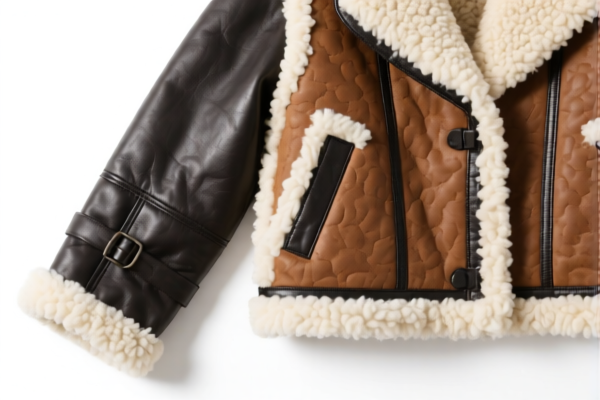
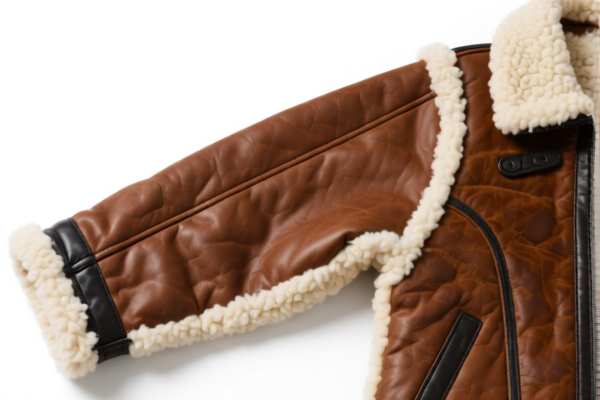
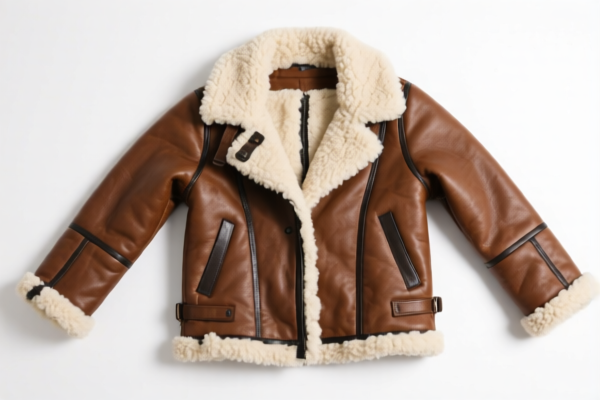
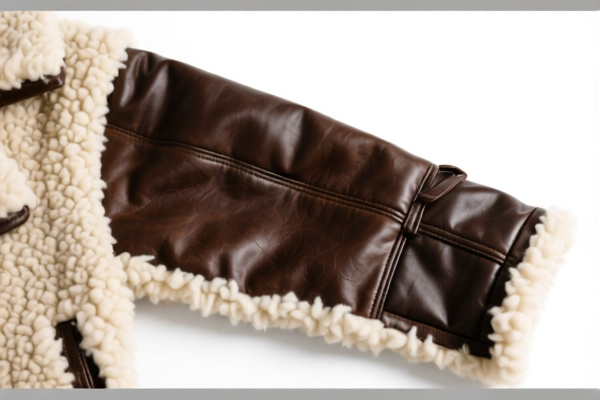
AI Analysis
🐑 Sheepskin / Lambskin: Global HS Code Classification & Customs Clearance Guide
🌐 HS Code Reference & Customs Guide | 2026 Latest Tariff Analysis | Professional Clearance Strategy
📌 1. Product Definition & Classification: Do You Really Understand "Sheepskin"?
Sheepskin and Lambskin are raw hides or skins of sheep and lambs, primarily used in the leather industry. In international trade, their classification depends heavily on whether they are tanned, dressed, or still in their raw state, as well as whether they are intended for furriers (fur trade) or leather tanners.
Raw Hides/Skins (Unprocessed): Not tanned, salted, or preserved; usually classified under Chapter 41.
Dressed Furskins (Tanned/Processed): Tanned, dressed, or otherwise prepared for fur use; usually classified under Chapter 43.
⚠️ Key Distinction Point:
- If the skin is raw, salted, or merely preserved (not tanned for fur use) → Enter Chapter 41 (4102.10.30.00 or 4102.29.30.00).
- If the skin is tanned, dressed, or prepared specifically for fur manufacturers → Enter Chapter 43 (4301.30.00.00 or 4301.90.00.00).
📦 2. HS Code Classification Details (2026 Latest Tariff Authority)
| HS Code | Product Description | Applicable Scenario | Tax Rate (China Origin to US) |
|---|---|---|---|
4102.10.30.00 |
Sheepskins, classified as raw hides/skins, matching material characteristics under other categories | Raw sheepskins, not tanned for fur use, general leather raw material | 12.0% |
4102.29.30.00 |
Sheepskins/Lambskins, raw hides/skins of sheep or lambs, unprocessed/raw state | Raw sheep/lamb skins, un-tanned, un-dressed, raw material for leather | 19.5% |
4301.30.00.00 |
Sheepskins, classified as fur raw skins, matching material category for fur classification | Tanned/dressed sheepskins for furriers, fur trade raw material | 10.0% |
4301.90.00.00 |
Other fur skins, including sheepskins/lambskins, in the raw fur merchant category | Other fur skins, including sheep/lamb skins, not elsewhere specified, fur trade category | 10.0% |
🔍 Key Reminder:
- If the sheepskin is raw, salted, or merely preserved and not intended for fur use, it is classified under Chapter 41 (4102 series).
- If the sheepskin is tanned, dressed, or prepared for fur use, it is classified under Chapter 43 (4301 series).
- The tax rate difference between Chapter 41 and Chapter 43 is significant due to Section 301 tariffs and IEEPA surcharges.
💰 3. 2026 Latest Tariff Rate Breakdown (Including Surcharges)
✅ Applicable Country: United States (US)
✅ Origin: China (CN)
✅ Effective Date: From November 10, 2025 onwards
🎯 1. 4102.10.30.00 — Sheepskins (Raw, General Leather Category)
| Item | Content |
|---|---|
| Base Tariff | 2.0% (ad valorem) |
| Section 301 Surcharge | +10% (122 Clause Tariff) |
| Total Tariff | 12.0% |
| Tax Calculation | CIF Value × 12.0% |
| De Minimis Exemption | ❌ Not Applicable (deny_de_minimis) |
| Legal Basis Path | Base Tariff: 2.0% → 122 Clause Surcharge: 10% |
📌 Explanation:
- This classification applies to raw sheepskins classified under general leather raw material categories.
- The 12.0% total tariff includes a 10% surcharge under the "122 Clause" (Section 301).
- No de minimis exemption applies, meaning small shipments are still subject to full tariffs.
🎯 2. 4102.29.30.00 — Sheepskins/Lambskins (Raw, Specific Subcategory)
| Item | Content |
|---|---|
| Base Tariff | 2.0% (ad valorem) |
| Section 301 Surcharge | +7.5% |
| 122 Clause Surcharge | +10% |
| Total Tariff | 19.5% |
| Tax Calculation | CIF Value × 19.5% |
| De Minimis Exemption | ❌ Not Applicable (deny_de_minimis) |
| Legal Basis Path | Base Tariff: 2.0% → Section 301: 7.5% → 122 Clause: 10% |
📌 Note:
- This classification applies to raw sheepskins/lambskins specifically identified as sheep or lamb raw hides/skins.
- The 19.5% total tariff is higher due to an additional 7.5% Section 301 surcharge on top of the 122 Clause surcharge.
- No de minimis exemption applies.
🎯 3. 4301.30.00.00 — Sheepskins (Fur Raw Skins)
| Item | Content |
|---|---|
| Base Tariff | 0.0% (ad valorem) |
| Section 301 Surcharge | 0.0% |
| 122 Clause Surcharge | +10% |
| Total Tariff | 10.0% |
| Tax Calculation | CIF Value × 10.0% |
| De Minimis Exemption | ❌ Not Applicable (deny_de_minimis) |
| Legal Basis Path | Base Tariff: 0.0% → 122 Clause: 10% |
📌 Explanation:
- This classification applies to sheepskins classified as fur raw skins, tanned or dressed for fur use.
- The 10.0% total tariff includes only the 122 Clause surcharge.
- No de minimis exemption applies.
🎯 4. 4301.90.00.00 — Other Fur Skins (Including Sheepskins)
| Item | Content |
|---|---|
| Base Tariff | 0.0% (ad valorem) |
| Section 301 Surcharge | 0.0% |
| 122 Clause Surcharge | +10% |
| Total Tariff | 10.0% |
| Tax Calculation | CIF Value × 10.0% |
| De Minimis Exemption | ❌ Not Applicable (deny_de_minimis) |
| Legal Basis Path | Base Tariff: 0.0% → 122 Clause: 10% |
📌 Note:
- This classification applies to other fur skins, including sheepskins/lambskins, not elsewhere specified.
- The 10.0% total tariff includes only the 122 Clause surcharge.
- No de minimis exemption applies.
🛠️ 4. Customs Clearance Practical Advice (Pitfall Avoidance Guide)
✅ 1. Documentation Checklist (Required)
| Document | Required | Notes |
|---|---|---|
| ✅ Product Specification Sheet | ✔️ | Include material type, tanning method, intended use (fur vs. leather) |
| ✅ Tanning/Dressing Certificate | ✔️ | Proof of processing method (raw, tanned, dressed) |
| ✅ Product Photos (Including Label) | ✔️ | Clear images of the skin, showing condition and markings |
| ✅ Commercial Invoice | ✔️ | Clearly state "Sheepskin/Lambskin" and intended use |
| ✅ Packing List | ✔️ | Detail quantity, weight, and packaging |
| ✅ Certificate of Origin (CO) | ✔️ | If non-Chinese origin, may apply for preferential rates |
✅ 2. Declaration Tips (Key Mantras)
🔥 "Raw vs. Tanned, Fur vs. Leather, Name Matters, Tax Varies!"
| Scenario | Correct Declaration | Incorrect Action |
|---|---|---|
| Raw sheepskins (not tanned for fur) | 4102.10.30.00 or 4102.29.30.00 |
Misdeclare as fur skins → Higher tax or rejection |
| Tanned sheepskins for fur use | 4301.30.00.00 or 4301.90.00.00 |
Misdeclare as raw hides → Penalty + delay |
| Sheepskins with unclear use | Provide Tanning Certificate + Intended Use Statement | Ambiguous declaration → Customs holds shipment |
| Mixed shipments (raw + tanned) | Separate declarations for each type | Combined declaration → Incorrect classification |
✅ 3. Special Case Handling
| Scenario | Handling Advice |
|---|---|
| OEM Custom Sheepskins | Provide client order + design specs to avoid "non-standard" classification |
| Sheepskins for Luxury Leather Goods | Ensure declaration reflects "leather raw material," not "fur" |
| Sheepskins for Fur Coats | Ensure declaration reflects "fur raw skins," tanned/dressed status |
| Sheepskins for Industrial Use | Provide end-use statement to support Chapter 41 classification |
🌍 5. Global Main Market Clearance Comparison (2026 Latest)
| Country/Region | Recommended HS Code | Tariff | Certification Requirements | Notes |
|---|---|---|---|---|
| 🇺🇸 United States | 4102.10.30.00 / 4301.30.00.00 |
10%~19.5% (China origin) | None | High tariffs due to Section 301 & 122 Clause |
| 🇨🇳 China | 4102.10.30.00 / 4301.30.00.00 |
2%~0% | None | Lower tariffs for raw skins |
| 🇪🇺 European Union | 4102.29.30.00 / 4301.90.00.00 |
0%~4.5% | REACH | No surcharges |
| 🇬🇧 United Kingdom | 4102.29.30.00 / 4301.90.00.00 |
0%~4.5% | UKCA | Post-Brexit rules apply |
| 🇯🇵 Japan | 4102.29.30.00 / 4301.90.00.00 |
0%~3.2% | None | Low tariffs |
📌 Conclusion:
- The United States imposes the highest tariffs on sheepskins/lambskins from China due to Section 301 and 122 Clause surcharges.
- Chapter 43 (Fur Skins) generally has lower base tariffs but is still subject to the 122 Clause.
- Chapter 41 (Raw Hides) has higher base tariffs and additional surcharges, leading to the highest total cost.
📌 6. Common Mistakes & Pitfall Avoidance (Lessons Learned)
❌ Mistake 1: Declaring raw sheepskins as "fur skins"
👉 Consequence: Classification error → Penalty + Delay
❌ Mistake 2: Not providing tanning/dressing certificates
👉 Consequence: Customs cannot determine proper classification → Hold Shipment
❌ Mistake 3: Using vague terms like "animal skin" without specifying sheep/lamb
👉 Consequence: Classification under higher tariff categories → Higher Tax
❌ Mistake 4: Ignoring the difference between Chapter 41 and Chapter 43
👉 Consequence: Misclassification → Audit + Back Taxes
✅ Correct Approach:
"Sheepskin, Raw, Salted, for Leather Use" →
4102.10.30.00
"Sheepskin, Tanned, Dressed, for Fur Use" →4301.30.00.00
🎯 7. Conclusion: Precise Classification, Cost Savings, Efficient Clearance
🎯 Remember the Mantra:
🔹 "Raw vs. Tanned, Fur vs. Leather, Chapter 41 vs. 43, Tax Varies!"
🔹 "HS Code Determines Tax, Small Change, Big Cost Difference!"
📌 Pro Tip:
If your sheepskins/lambskins are sourced from Vietnam, Mexico, or Thailand, you may apply for IEEPA Exemption, reducing tariffs to 0%~10%.
It is recommended to apply for Advance Ruling (Pre-classification) to avoid clearance risks.
📣 Immediate Action:
📞 Contact Professional Customs Broker + Provide Product Photos + Apply for HS Code Advance Ruling
🚀 Ensure your sheepskins/lambskin clear customs smoothly, efficiently, and profitably!
✨ Professional Clearance Starts with Accurate Classification!
💼 Every Penny of Your Cost Deserves Precise Calculation!
Customer Reviews
About HS Code Classification
The Harmonized System (HS) is an internationally standardized nomenclature developed by the World Customs Organization (WCO) to classify traded products. Over 200 countries use the HS system as the basis for customs tariffs, trade statistics, and import/export regulations.
Each HS code follows a hierarchical structure:
- Chapter (2 digits) — Broad category of goods (e.g., Chapter 84: Machinery and Mechanical Appliances)
- Heading (4 digits) — More specific grouping within the chapter
- Subheading (6 digits) — Internationally standardized breakdown, used by all WCO member countries
- National subdivisions (8-10 digits) — Country-specific extensions for further classification, such as US HTSUS 10-digit codes
Correct HS code classification is essential for smooth customs clearance, accurate duty payment, and compliance with trade regulations. Misclassification can lead to customs delays, overpayment of duties, or penalties.
When importing from CN to US, the applicable tariff rates may include:
- Most-Favored-Nation (MFN) rate — The standard duty rate applied to WTO members
- General rate — Applied to countries without trade agreements
- Trade remedy duties — Additional tariffs such as Section 301 (anti-dumping), Section 232 (national security), or countervailing duties
The information provided on this page is for reference purposes only. For official classification, please consult with your local customs authority or a licensed customs broker.