sheepskin tanned
CN → US| HS Code | Tariff Rate | Origin | Destination | Doc |
|---|---|---|---|---|
| 4114100000 | 38.2% | CN | US | Official Doc |
| 4114207000 | 36.6% | CN | US | Official Doc |
| 4112003060 | 12.0% | CN | US | Official Doc |
| 4112006000 | 12.0% | CN | US | Official Doc |
| 4205001000 | 35.0% | CN | US | Official Doc |
Product Images
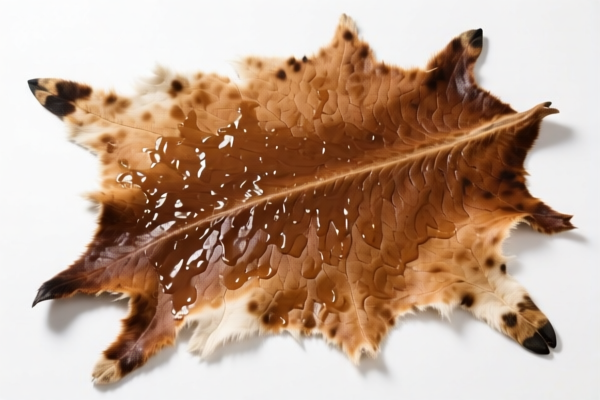
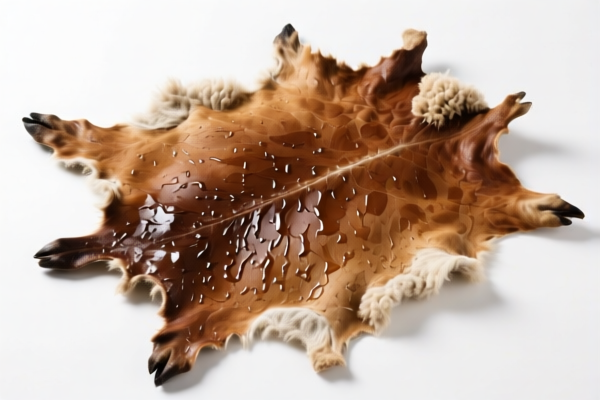
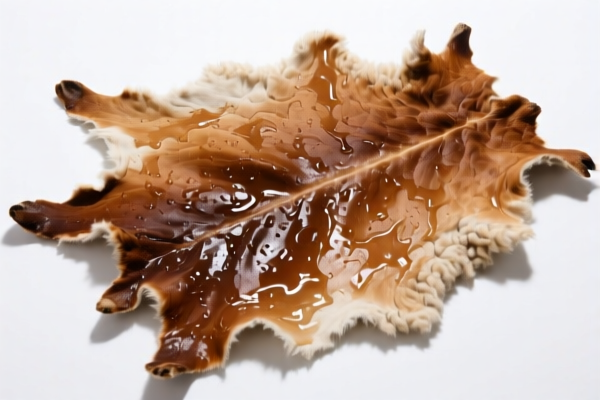
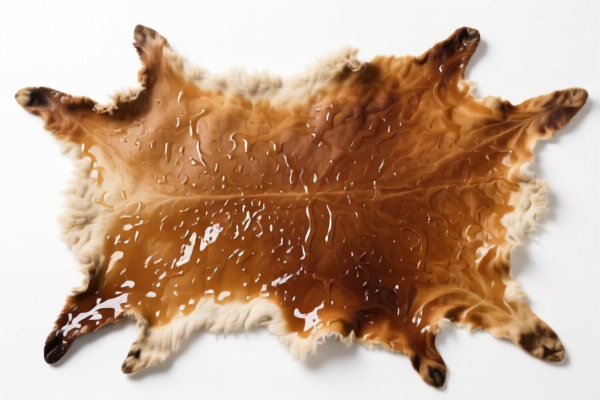
AI Analysis
🐑 Sheepskin Tanned Leather for Home Decor (羊皮家居装饰鞣制皮革)
🌐 HS Code Reference & Customs Clearance Guide | 2026 Latest Tariff Analysis | Professional Strategy 📌 I. Product Definition & Classification: What Exactly is "Sheepskin Tanned"?
"Sheepskin tanned" refers to raw sheep hides that have undergone a tanning process to become durable, flexible, and rot-resistant leather. In international trade, especially for home decor applications (such as upholstery, blankets, or decorative throws), the classification depends heavily on the physical form and specific processing stage.
It is not a single product. It is categorized based on three key factors: 1. Material Type: Is it suede/chamois, lacquered/patent, or plain tanned? 2. Usage: Is it for clothing or non-clothing (home decor)? 3. Finished State: Is it just a tanned skin, or a semi-finished leather good?
⚠️ Key Distinction Points: - If it is Suede/Chamois (napped surface) → Goes to 4114.10.00.00 - If it is Lacquered/Patent (shiny surface) → Goes to 4114.20.70.00 - If it is Plain Tanned Sheepskin (for home decor, not clothing) → Goes to 4112.00.30.60 or 4112.00.60.00 - If it is a Semi-Finished Product (e.g., cut shapes, ready-to-assemble parts) → Goes to 4205.00.10.00
📦 II. HS Code Classification Details (2026 Latest Tariff Authority Comparison)
| HS Code | Product Description | Application Scenario | Surface/Processing Type |
|---|---|---|---|
4114.10.00.00 |
Chamois-dressed leather and commingled chamois leather | Sheepskin with napped/suede surface, used for home decor | ✅ Suede/Chamois |
4114.20.70.00 |
Other lacquered patent leather | Sheepskin with high-gloss/patent finish, used for home decor | ✅ Lacquered/Patent |
4112.00.30.60 |
Other leather and furskins (other than furrier's skins) | Plain tanned sheepskin, explicitly for non-clothing use (home decor) | ✅ Plain Tanned (Non-Clothing) |
4112.00.60.00 |
Other leather and furskins (other than furrier's skins) | Plain tanned sheepskin, general form (treated leather) | ✅ Plain Tanned (General) |
4205.00.10.00 |
Articles of leather or composition leather | Semi-finished leather goods (e.g., cut panels, ready-made shapes for upholstery) | ✅ Semi-Finished Articles |
🔍 Critical Reminder: - Suede vs. Plain: If the surface is "bounced" or napped, it must go to
4114.10.00.00, not4112. - Clothing vs. Home Decor:4112codes often exclude clothing. If the sheepskin is intended for apparel, it might fall under different headings (e.g., 41.06/41.07). For home decor, ensure the declaration specifies "Non-clothing use." - Finished Goods: If the leather is cut into specific shapes for sofas or blankets, it may be considered an "article" (4205), changing the tax profile.
💰 III. 2026 Latest Tariff Rate Details (Including Surtaxes & Policy Add-ons)
✅ Applicable Country: United States (US) ✅ Origin: China (CN) ✅ Effective Date: November 10, 2025 (and onwards)
🎯 1. 4114.10.00.00 —— Chamois-Dressed Sheepskin (Suede)
| Item | Detail |
|---|---|
| Base Tariff | 3.2% (ad valorem) |
| Section 301 Surtax | +25.0% (USITC Footnote 9903.88.01) |
| Section 122 Tariff | +10.0% (Specific Chinese trade provision) |
| Total Tariff Rate | 38.2% |
| Tax Calculation | CIF Value × 38.2% |
| De Minimis Eligibility | ❌ No (deny_de_minimis) |
| Legal Basis Path | USITC:4114.10.00.00 → FOOTNOTE:9903.88.01 → Section 122 |
📌 Explanation: - Chamois/Suede is heavily taxed due to Section 301 restrictions on Chinese leather goods. - The 10% Section 122 tariff is a specific additional levy for certain Chinese imports. - Total 38.2% is a significant cost driver for suede home decor items.
🎯 2. 4114.20.70.00 —— Lacquered/Patent Sheepskin
| Item | Detail |
|---|---|
| Base Tariff | 1.6% (ad valorem) |
| Section 301 Surtax | +25.0% |
| Section 122 Tariff | +10.0% |
| Total Tariff Rate | 36.6% |
| Tax Calculation | CIF Value × 36.6% |
| De Minimis Eligibility | ❌ No |
| Legal Basis Path | USITC:4114.20.70.00 → FOOTNOTE:9903.88.01 → Section 122 |
📌 Note: - Despite a lower base rate (1.6%), the Section 301 and Section 122 add-ons make the total nearly identical to suede. - Patent/Lacquered leather is distinct from plain leather; do not misdeclare glossy sheepskin as "plain tanned" to avoid penalties.
🎯 3. 4112.00.30.60 & 4112.00.60.00 —— Plain Tanned Sheepskin (Home Decor/Non-Clothing)
| Item | Detail |
|---|---|
| Base Tariff | 2.0% (ad valorem) |
| Section 301 Surtax | 0.0% (Exempt or not applicable for this specific subheading under current rules) |
| Section 122 Tariff | +10.0% |
| Total Tariff Rate | 12.0% |
| Tax Calculation | CIF Value × 12.0% |
| De Minimis Eligibility | ❌ No |
| Legal Basis Path | USITC:4112.00.30.60 → Section 122 |
📌 Critical Advantage: - Significant Savings: The total rate is 12.0%, compared to 38.2% for suede or 36.6% for patent. - Why?: This specific subheading for plain tanned sheepskin used in non-clothing applications may be exempt from the harsher Section 301 surtaxes that apply to other leather categories. - Condition: Must be clearly declared as "Non-clothing use" (e.g., upholstery, blankets, home decoration). If used for jackets, it may be reclassified, leading to higher taxes.
🎯 4. 4205.00.10.00 —— Semi-Finished Leather Articles (Tanned Fur Products)
| Item | Detail |
|---|---|
| Base Tariff | 0.0% (ad valorem) |
| Section 301 Surtax | +25.0% |
| Section 122 Tariff | +10.0% |
| Total Tariff Rate | 35.0% |
| Tax Calculation | CIF Value × 35.0% |
| De Minimis Eligibility | ❌ No |
| Legal Basis Path | USITC:4205.00.10.00 → FOOTNOTE:9903.88.01 → Section 122 |
📌 Note: - If the sheepskin is cut into shapes for sofas or blankets before shipment, it may be considered a "semi-finished article" rather than raw leather. - While the base rate is 0%, the Section 301 and Section 122 add-ons result in a 35.0% rate. - Risk: Misclassifying cut leather as "raw hides" (
4112) could lead to customs audits. Ensure the description matches "Articles of leather" if cut.
🛠️ IV. Customs Clearance Practical Advice (Battle-Tested Pitfall Guide)
✅ 1. Required Documentation Checklist (No Exceptions)
| Document | Must Provide | Explanation |
|---|---|---|
| ✅ Product Specification Sheet | ✔️ | Must specify: Tanning method (vegetable/chrome), Surface finish (suede/patent/plain), Intended Use (Home Decor). |
| ✅ Photos of Surface Texture | ✔️ | Crucial to distinguish Suede (napped) from Plain (smooth). |
| ✅ Commercial Invoice | ✔️ | Must explicitly state "Sheepskin, Tanned, for Home Decor Use (Non-Clothing)". |
| ✅ Packing List | ✔️ | Clearly separate raw skins from cut articles if mixed. |
| ✅ Declaration of Non-Clothing Use | ✔️ | Critical for 4112.00.30.60 to claim the 12% rate. |
✅ 2. Declaration Strategy (Key Mantra)
🔥 "Surface Defines Code, Use Defines Tax! Smooth & Non-Clothing = 12% Suede = 38%"
| Scenario | Correct Declaration | Incorrect Declaration | Risk |
|---|---|---|---|
| Smooth Sheepskin for Blankets | 4112.00.30.60 (Home Decor, Non-Clothing) |
"Sheepskin Leather" | ✅ Low Risk: Claim 12% |
| Suede Sheepskin for Throws | 4114.10.00.00 |
"Tanned Leather" | ⚠️ High Risk: If missed, 38.2% applies |
| Patent Sheepskin for Upholstery | 4114.20.70.00 |
"Leather for Home Decor" | ⚠️ Medium Risk: Must specify "Lacquered/Patent" |
| Cut Leather Panels for Sofas | 4205.00.10.00 |
"Raw Sheepskin" | ⚠️ High Risk: Misclassification penalty |
✅ 3. Special Cases Handling
| Case | Handling Advice |
|---|---|
| Mixed Shipments | Separate Suede, Patent, and Plain in different boxes/pallets if possible. Clearing mixed loads is complex and risks higher scrutiny. |
| "Home Decor" Definition | Provide examples: "Sofa upholstery," "Throw blankets," "Wall coverings." Avoid "Clothing" or "Footwear" terms. |
| Suede vs. Nubuck | Both are napped. Both fall under 4114.10.00.00. Ensure photos show the nap. |
| Furrier's Skins | If the sheepskin is with wool/fur attached (furrier's skin), it may fall under Chapter 43. This guide assumes tanned leather (wool removed or tanned with). |
🌍 V. Global Market Comparison (2026 Latest)
| Country/Region | Recommended HS Code | Tariff (China Origin) | Key Requirement | Note |
|---|---|---|---|---|
| 🇺🇸 USA | 4112.00.30.60 |
12.0% | Non-Clothing Use | Suede/Patent: 35-38% |
| 🇨🇳 China | 4112.00.30.60 |
~2-5% | Standard Import | No Section 301/122 |
| 🇪🇺 EU | 4112.00.60 |
~2.4% | CE/RoHS (if coated) | No Section 301 |
| 🇬🇧 UK | 4112.00.60 |
~2.4% | Standard Import | Post-Brexit rules apply |
📌 Conclusion: - USA is the most critical market due to Section 301 and Section 122 tariffs. - Plain Tanned Sheepskin for Home Decor (
4112.00.30.60) is the most tariff-efficient option at 12%. - Suede and Patent are heavily penalized at ~36-38%.
📌 VI. Common Errors & Pitfalls (Blood & Tears Lessons)
❌ Error 1: Declaring Suede as "Plain Tanned Leather" to get 12% tax. 👉 Consequence: Customs inspection reveals napped surface → Reclassification to 4114.10.00.00 → Pay back taxes + 30% penalty!
❌ Error 2: Declaring Plain Sheepskin as "Clothing Material." 👉 Consequence: If customs determines it's for clothing, it may fall under different headings (e.g., 41.06) with different rules, or be denied the "Non-Clothing" benefit.
❌ Error 3: Not specifying "Home Decor" in the commercial invoice. 👉 Consequence: Customs may classify it as "General Use" or "Clothing," leading to higher duties or delays.
✅ Correct Practice:
"Sheepskin Leather, Tanned, Smooth Finish, For Home Decor (Sofa Upholstery), Non-Clothing Use, HS Code: 4112.00.30.60"
🎯 VII. Conclusion: Professional Classification, Maximize Profit!
🎯 Remember the Mantra:
🔹 "Suede = 38%, Patent = 36%, Plain Home Decor = 12%!" 🔹 "Non-Clothing Use is the Key to 12%!" 🔹 "Misclassification Costs Thousands!"
📌 Pro Tip: If your sheepskin is originating from Vietnam, Mexico, or Thailand, you may qualify for IEEPA Exemptions or lower tariffs. Always apply for an Advance Ruling if your volume is high.
📣 Immediate Action:
📞 Contact your customs broker + Provide Surface Photos + Declare "Non-Clothing Home Decor Use" 🚀 Let your sheepskin clear smoothly, reduce costs, and boost profits!
✨ Professional clearance starts with accurate classification! 💼 Every cent of tax savings counts!
Customer Reviews
About HS Code Classification
The Harmonized System (HS) is an internationally standardized nomenclature developed by the World Customs Organization (WCO) to classify traded products. Over 200 countries use the HS system as the basis for customs tariffs, trade statistics, and import/export regulations.
Each HS code follows a hierarchical structure:
- Chapter (2 digits) — Broad category of goods (e.g., Chapter 84: Machinery and Mechanical Appliances)
- Heading (4 digits) — More specific grouping within the chapter
- Subheading (6 digits) — Internationally standardized breakdown, used by all WCO member countries
- National subdivisions (8-10 digits) — Country-specific extensions for further classification, such as US HTSUS 10-digit codes
Correct HS code classification is essential for smooth customs clearance, accurate duty payment, and compliance with trade regulations. Misclassification can lead to customs delays, overpayment of duties, or penalties.
When importing from CN to US, the applicable tariff rates may include:
- Most-Favored-Nation (MFN) rate — The standard duty rate applied to WTO members
- General rate — Applied to countries without trade agreements
- Trade remedy duties — Additional tariffs such as Section 301 (anti-dumping), Section 232 (national security), or countervailing duties
The information provided on this page is for reference purposes only. For official classification, please consult with your local customs authority or a licensed customs broker.