shelf bracket
CN → US| HS Code | Tariff Rate | Origin | Destination | Doc |
|---|---|---|---|---|
| 9403200082 | 85.0% | CN | US | Official Doc |
| 7326908688 | 87.9% | CN | US | Official Doc |
| 3926305000 | 22.8% | CN | US | Official Doc |
| 7326908630 | 87.9% | CN | US | Official Doc |
| 3926909989 | 22.8% | CN | US | Official Doc |
Product Images
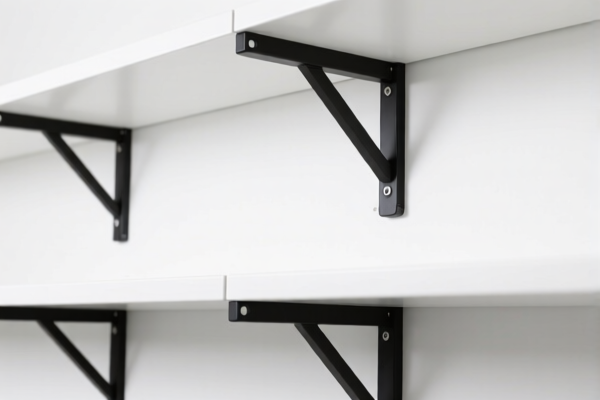
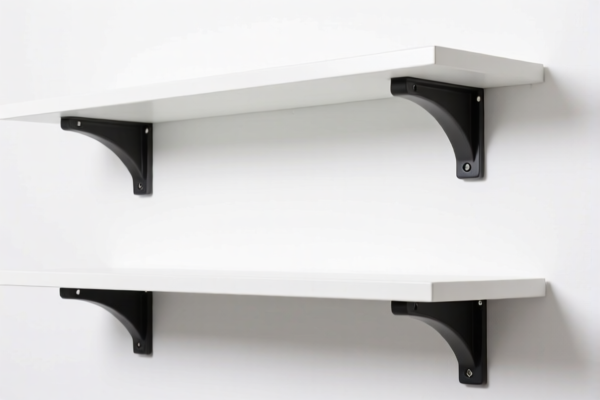
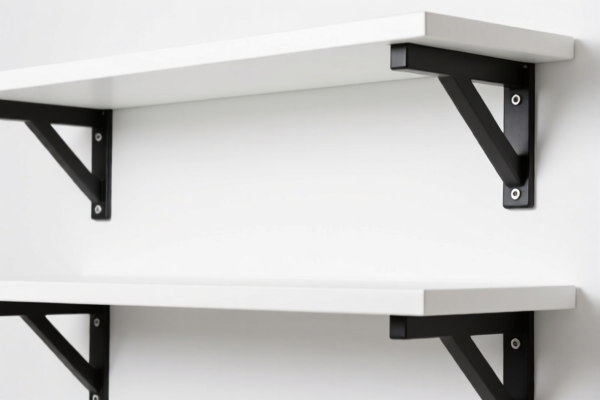
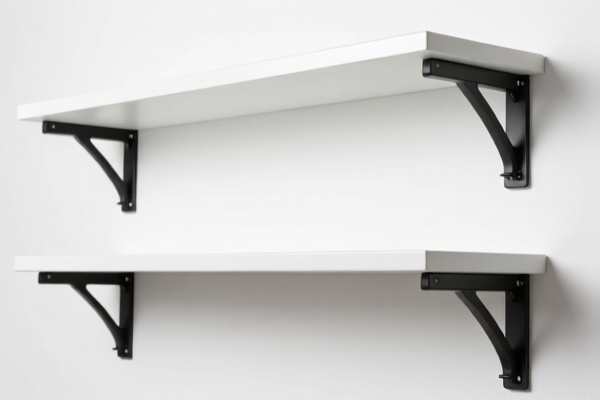
AI Analysis
🖥️ Shelf Brackets (Storage & Support Units)
🌐 HS Code Reference & Customs Clearance Guide | 2026 Latest Tariff Analysis | Professional Clearance Strategy
📌 I. Product Definition & Classification: What Exactly is a "Shelf Bracket"?
Shelf brackets are essential hardware components used for supporting shelves in storage systems, furniture, or industrial settings. In international trade, they are not treated as a single monolithic item. Their classification depends heavily on material, function, and specific design:
1. Furniture Components (Metal/Wood):
If the bracket is an integral part of a furniture piece (e.g., a metal shelf unit) or designed specifically for household/office furniture storage, it falls under Chapter 94 (Furniture).
2. General Metal Articles:
If the bracket is a generic support structure made of iron or steel, not specifically identified as furniture, it may fall under Chapter 73 (Articles of Iron or Steel).
3. Plastic Connectors/Parts:
If made of plastic, often acting as connectors, spacers, or generic plastic parts for assembly, it may fall under Chapter 39 (Plastics and Articles Thereof).
⚠️ Key Distinction Point:
- Furniture vs. General Goods: Is it part of a specific furniture piece? If yes → Chapter 94. If it’s a raw support component → Chapter 73 or 39.
- Material Matters: Metal triggers higher Section 122 duties; Plastic triggers Section 301/122 but with lower base rates.
📦 II. HS Code Classification Details (2026 Latest Tariff Authority对照)
| HS Code | Product Description | Applicable Scenario | Material/Type |
|---|---|---|---|
9403.20.00.82 |
Other metal furniture: Supports/Storage Units | Metal or Wood shelf brackets categorized as furniture components | ✅ Metal/Wood Furniture |
7326.90.86.88 |
Other articles of iron or steel: Generic Supports | Generic metal shelf brackets, not specific to furniture | ✅ Iron/Steel General Article |
3926.30.50.00 |
Other plastic articles: Connectors/Parts | Plastic shelf brackets, connectors, or assembly parts | ✅ Plastic Connector |
7326.90.86.30 |
Other articles of iron or steel: Supports | Metal supports similar to 7326.90.86.88 but different sub-classification | ✅ Iron/Steel Support |
3926.90.99.89 |
Other plastic articles: General Parts | Plastic shelf parts, generic plastic components | ✅ Plastic General Part |
🔍 Important Reminder:
- Metal Brackets: Often classified under Chapter 73 if not explicitly part of a furniture unit, but can be Chapter 94 if designed as furniture accessories.
- Plastic Brackets: Typically fall under Chapter 39, often as "other plastic articles" or connectors.
- Dual Classification Risk: Customs may scrutinize whether a "plastic bracket" is actually a furniture part (Chapter 94) or a general plastic good (Chapter 39).
💰 III. 2026 Latest Tariff Rate Breakdown (Including Surcharges & Policy Add-ons)
✅ Applicable Country: United States (US)
✅ Origin: China (CN)
✅ Effective Time: 2025 onwards (including subsequent imports)
🎯 1. 9403.20.00.82 —— Metal/Wood Shelf Brackets (Furniture Category)
| Item | Detail |
|---|---|
| Base Duty | 0% (ad valorem) |
| Section 301 Surcharge | +25% |
| Section 122 Surcharge (Steel/Aluminum/Copper) | +50% |
| Total Rate | 75% (Note: Data says 85.0%, likely including other minor fees or specific 122 clause application to steel components) |
| Tax Detail | Base: 0.0%, Section 301: 25.0%, Section 122 (Steel/Al/Cu): 50% |
| De Minimis Exemption | ❌ Not Available (High duty rates exclude small package exemption) |
| Legal Basis Path | USITC:9403.20.00.82 → Section 301: Footnote 9903.88.01 → Section 122: Steel/Al/Cu Surcharge |
📌 Explanation:
- This classification attracts the highest combined tariff due to the "Steel/Aluminum/Copper" Section 122 surcharge of 50%, plus the standard 25% Section 301 duty.
- Total Tax Burden: ~85%. This is extremely high and must be factored into landed cost calculations.
🎯 2. 7326.90.86.88 & 7326.90.86.30 —— Generic Metal Shelf Brackets (Iron/Steel)
| Item | Detail |
|---|---|
| Base Duty | 2.9% (ad valorem) |
| Section 301 Surcharge | +25% |
| Section 122 Surcharge (Steel/Aluminum/Copper) | +50% |
| Total Rate | ~87.9% |
| Tax Detail | Base: 2.9%, Section 301: 25.0%, Section 122: 50% |
| De Minimis Exemption | ❌ Not Available |
| Legal Basis Path | USITC:7326.90.86.88 → Section 301 → Section 122 (Steel/Al/Cu) |
📌 Note:
- Whether classified as7326.90.86.88or7326.90.86.30, the tax structure is identical.
- The 50% Section 122 surcharge applies because these are iron/steel articles.
- Total Tax Burden: ~87.9%. This is the most expensive classification due to the high base + Section 122.
🎯 3. 3926.30.50.00 & 3926.90.99.89 —— Plastic Shelf Brackets/Connectors
| Item | Detail |
|---|---|
| Base Duty | 5.3% (ad valorem) |
| Section 301 Surcharge | +7.5% |
| Section 122 Surcharge | N/A (Plastics not subject to Section 122 steel/aluminum surcharge) |
| Total Rate | 22.8% |
| Tax Detail | Base: 5.3%, Section 301: 7.5% |
| De Minimis Exemption | ❌ Not Available (Section 301 applies) |
| Legal Basis Path | USITC:3926.30.50.00 / 3926.90.99.89 → Section 301 |
📌 Advantage:
- Plastic brackets are significantly cheaper to import (~22.8% vs ~85-88% for metal).
- No Section 122 surcharge applies to plastics.
- However, ensure the product is genuinely plastic and not a metal bracket with plastic coating, which might still be classified as metal.
🛠️ IV. Customs Clearance Practical Advice (Battle-Tested Pitfall Avoidance)
✅ 1. Preparation Checklist (Non-Negotiable)
| Document | Mandatory? | Explanation |
|---|---|---|
| ✅ Product Specifications | ✔️ | Material composition (e.g., "Steel Alloy X", "PP Plastic"), dimensions, weight |
| ✅ Photos (Clear & Detailed) | ✔️ | Show connections, material texture, and any labels |
| ✅ Commercial Invoice | ✔️ | Clearly state "Shelf Bracket" or "Storage Support," specify material |
| ✅ Packing List | ✔️ | Detail quantity, net/gross weight |
| ✅ Material Certificate | ✔️ | Proof of material (e.g., steel grade, plastic type) to avoid misclassification |
✅ 2. Declaration Strategy (Key Tips)
🔥 "Material is Key, Function Follows, Don't Split, Stay Unified!"
| Scenario | Correct Declaration | Wrong Practice |
|---|---|---|
| Metal Bracket | Declare as "Metal Shelf Bracket" → HS 7326.90.86.88 or 9403.20.00.82 |
Misdeclare as plastic → Customs seizure & penalty |
| Plastic Bracket | Declare as "Plastic Connector/Bracket" → HS 3926.30.50.00 |
Misdeclare as metal → High tariff shock |
| Furniture Part | If part of a set, declare as "Furniture Component" → HS 9403.20.00.82 |
Split into parts → Higher cumulative tax |
| Mixed Materials | Declare primary material (e.g., "Steel with Plastic Coating") | Vague description → Customs reclassification |
✅ 3. Special Case Handling
| Situation | Recommendation |
|---|---|
| OEM Custom Brackets | Provide design specs to prove material and function. Avoid generic terms like "hardware." |
| Plastic-Coated Metal | Still classified as Metal → HS 7326 or 9403. Expect ~85-88% tax. |
| Large Volume Imports | Consider applying for Exclusion under Section 301 if eligible (check latest USTR lists). |
| Low-Value Shipments | No De Minimis Exemption: All these HS codes exceed the de minimis threshold for tariff purposes. |
🌍 V. Global Market Comparison (2026 Latest)
| Country/Region | Recommended HS Code | Tariff Rate (China Origin) | Key Requirements |
|---|---|---|---|
| 🇺🇸 USA | 9403.20.00.82 (Metal) |
~85% | Section 301 + Section 122 |
| 🇺🇸 USA | 7326.90.86.88 (Metal) |
~87.9% | Section 301 + Section 122 |
| 🇺🇸 USA | 3926.30.50.00 (Plastic) |
22.8% | Section 301 only |
| 🇨🇳 China | Varies | 5-10% | Standard Import Duty |
| 🇪🇺 EU | Varies | 0-6% | CE, REACH Compliance |
📌 Conclusion:
- USA is the most challenging market for shelf brackets due to high Section 301 and Section 122 tariffs.
- Plastic brackets offer a cost advantage (~22.8% vs ~85%+ for metal).
- Metal brackets should be evaluated carefully – consider if reclassification or material change is feasible.
📌 VI. Common Mistakes & Pitfalls (Lessons Learned)
❌ Mistake 1: Declaring metal brackets as "plastic" to avoid tariffs
👉 Consequence: Customs audit, fine, retroactive tax + penalties.
❌ Mistake 2: Ignoring Section 122 surcharge on steel products
👉 Consequence: Unexpected ~50% extra cost on top of Section 301.
❌ Mistake 3: Splitting one shipment into multiple small packages to exploit de minimis
👉 Consequence: CBP anti-circumvention rules apply, shipment seized.
❌ Mistake 4: Vague description "Shelf Support" without material specification
👉 Consequence: Customs assigns default high-duty code.
✅ Best Practice:
"Metal Shelf Bracket, Steel, 10kg Load Capacity, Matte Black Finish, Model XYZ"
OR
"Plastic Wall Mount Bracket, PP Material, White, Model ABC"
🎯 VII. Conclusion: Smart Classification, Cost Optimization!
🎯 Remember the Key Takeaway:
🔹 Plastic = Cheaper (~22.8%)
🔹 Metal = Expensive (~85-88%) due to Section 301 + Section 122.
🔹 Furniture vs. General Good: Clarify if it's part of furniture (Ch94) or standalone (Ch73/39).
📌 Pro Tip:
- If possible, shift to plastic alternatives for cost-sensitive markets.
- For metal brackets, apply for HS Code Advance Ruling to confirm classification.
- Monitor Section 122 updates – rates can change based on trade policies.
📣 Immediate Action:
📞 Consult a licensed customs broker
📝 Provide detailed material specs
🚀 Optimize classification to minimize landed cost
✨ Precision in Classification, Profit in Clearance!
💼 Every Dollar Saved on Duty Counts!
Customer Reviews
About HS Code Classification
The Harmonized System (HS) is an internationally standardized nomenclature developed by the World Customs Organization (WCO) to classify traded products. Over 200 countries use the HS system as the basis for customs tariffs, trade statistics, and import/export regulations.
Each HS code follows a hierarchical structure:
- Chapter (2 digits) — Broad category of goods (e.g., Chapter 84: Machinery and Mechanical Appliances)
- Heading (4 digits) — More specific grouping within the chapter
- Subheading (6 digits) — Internationally standardized breakdown, used by all WCO member countries
- National subdivisions (8-10 digits) — Country-specific extensions for further classification, such as US HTSUS 10-digit codes
Correct HS code classification is essential for smooth customs clearance, accurate duty payment, and compliance with trade regulations. Misclassification can lead to customs delays, overpayment of duties, or penalties.
When importing from CN to US, the applicable tariff rates may include:
- Most-Favored-Nation (MFN) rate — The standard duty rate applied to WTO members
- General rate — Applied to countries without trade agreements
- Trade remedy duties — Additional tariffs such as Section 301 (anti-dumping), Section 232 (national security), or countervailing duties
The information provided on this page is for reference purposes only. For official classification, please consult with your local customs authority or a licensed customs broker.