shoe cabinet
CN → US| HS Code | Tariff Rate | Origin | Destination | Doc |
|---|---|---|---|---|
| 4421999880 | 38.3% | CN | US | Official Doc |
| 7326908688 | 87.9% | CN | US | Official Doc |
| 9403200082 | 85.0% | CN | US | Official Doc |
| 9403896015 | 35.0% | CN | US | Official Doc |
| 4421919880 | 38.3% | CN | US | Official Doc |
Product Images
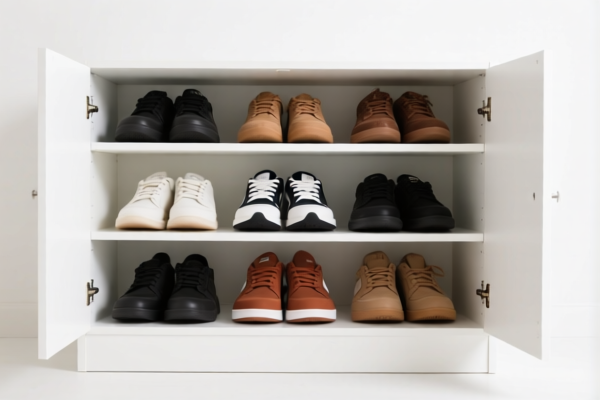
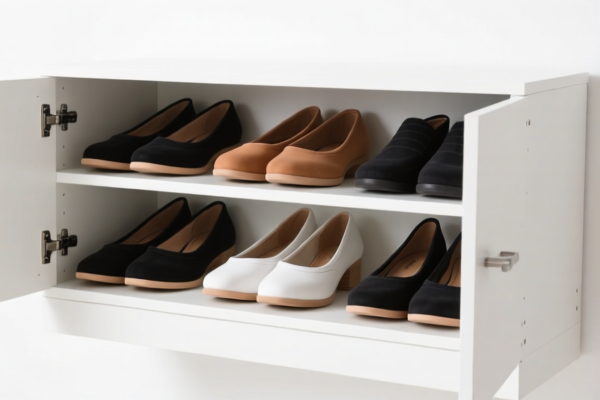
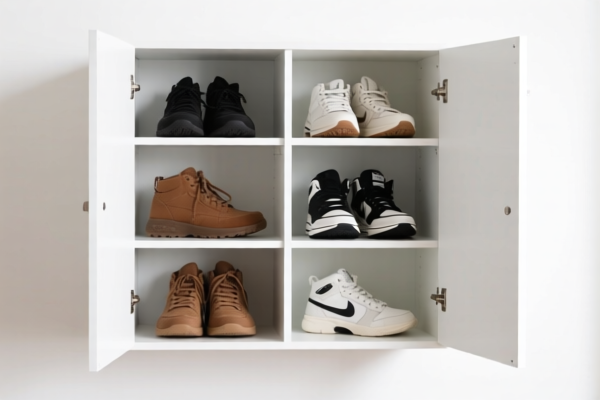
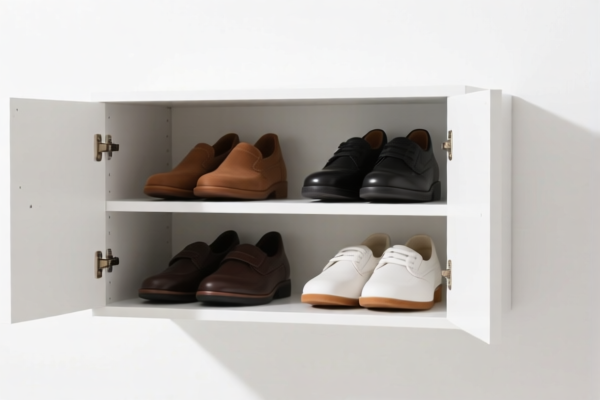
AI Analysis
👟 Shoe Cabinet (Footwear Storage Units)
🌐 HS Code Reference & Customs Clearance Guide | 2026 Latest Tariff Analysis | Professional-Level Clearance Strategy
📌 I. Product Definition & Classification: Do You Really Understand "Shoe Cabinets"?
A shoe cabinet is a household storage unit designed specifically for organizing footwear. In international trade, its classification is highly dependent on material and structure. Since the specific material is not defined in the input "Shoe Cabinet," we must analyze the most common logical inferences: Wood, Metal (Iron/Steel), or Other Materials (Rattan/Bamboo).
⚠️ Key Distinction Point:
- Wooden/Plastic Shoe Racks: Often classified under "Other Wood Products" (Heading 4421) or generic furniture if wooden.
- Metal Shoe Racks: Classified under "Other Articles of Iron or Steel" (Heading 7326) or "Other Metal Furniture" (Heading 9403).
- Rattan/Bamboo Shoe Racks: Classified under "Other Furniture" made of these materials (Heading 9403).
📦 II. HS Code Classification Details (2026 Latest Tariff Authority Comparison)
Based on the provided data, here are the possible HS Code classifications and the reasoning behind them.
| HS Code | Product Description | Material Inference | Applicability Logic |
|---|---|---|---|
4421.99.98.80 |
Other wood articles (Non-specific) | Wood or Plastic | Shoe racks are often wooden/plastic. As a "household item," it fits the "Other Wood Products" category logically without conflict. |
7326.90.86.88 |
Other articles of iron or steel | Iron/Steel | For metal shoe racks, this is a "catch-all" category for non-specific iron/steel articles. |
9403.20.00.82 |
Other metal furniture | Metal | Fits the form and function (storage/shelf). If inferred as metal furniture, this "Other Metal Furniture" category is appropriate. |
9403.89.60.15 |
Other furniture of other materials | Rattan, Bamboo, Willow | If inferred as natural fiber materials (common for decorative racks), this fits the "Other Materials Furniture" logic. |
4421.91.98.80 |
Other wood articles (Specific sub-category) | Wood or Bamboo | Similar to the first wood entry, but a different subheading for "Other Wood Items." No material conflict assumed. |
🔍 Important Reminder:
- Material is Key: The HS Code changes drastically based on whether the rack is Wood, Metal, or Other.
- "Other" Categories: Codes ending in.99,.86,.82,.15are often "catch-all" or residual categories when the exact specific sub-description doesn't perfectly match.
- No Material Conflict: The data suggests that for "Shoe Cabinet," the inference must not conflict with the material defined in the HS Code description.
💰 III. 2026 Latest Tariff Rate Details (Including Surcharges & Policy Add-ons)
✅ Applicable Country: United States (US)
✅ Country of Origin: China (CN)
✅ Effective Date: From 2025-11-10 onwards (for subsequent imports)
🎯 1. 4421.99.98.80 & 4421.91.98.80 —— Wooden/Plastic Shoe Cabinets
| Item | Content |
|---|---|
| Base Tariff | 3.3% (ad valorem) |
| Section 301 Surcharge | +25.0% |
| Section 301 (Clause 122) | +10.0% |
| Total Tax Rate | 38.3% |
| Tax Calculation | CIF Value × 38.3% |
| De Minimis Eligibility | ❌ Not Eligible (High tariff risk) |
| Legal Basis Path | Base: 3.3% → Sec 301: 25% → Clause 122: 10% |
📌 Explanation:
- The 3.3% is the standard MFN (Most Favored Nation) base duty for other wood articles.
- The +25% is the standard Section 301 tariff on Chinese goods.
- The +10% is an additional levy (referenced as "Clause 122 tariff" in the data, likely referring to specific trade remedy or enforcement clauses).
- Total: 38.3%. This is a moderate-to-high tariff compared to non-China origins.
🎯 2. 7326.90.86.88 —— Metal (Iron/Steel) Shoe Rack
| Item | Content |
|---|---|
| Base Tariff | 2.9% |
| Section 301 Surcharge | +25.0% |
| Section 301 (Clause 122) | +10.0% |
| Steel/Aluminum/Copper Surcharge | +50.0% |
| Total Tax Rate | 87.9% |
| Tax Calculation | CIF Value × 87.9% |
| De Minimis Eligibility | ❌ Not Eligible |
| Legal Basis Path | Base: 2.9% → Sec 301: 25% → Clause 122: 10% → Steel Surcharge: 50% |
📌 Critical Warning:
- This code incurs a massive +50% additional duty specifically for Steel/Aluminum/Copper products.
- Combined with the standard 301 tariffs, the total burden is 87.9%.
- Recommendation: Avoid classifying simple iron shoe racks under this code if possible, unless the material is definitively steel and no better exemption exists.
🎯 3. 9403.20.00.82 —— Other Metal Furniture
| Item | Content |
|---|---|
| Base Tariff | 0.0% |
| Section 301 Surcharge | +25.0% |
| Section 301 (Clause 122) | +10.0% |
| Steel/Aluminum/Copper Surcharge | +50.0% |
| Total Tax Rate | 85.0% |
| Tax Calculation | CIF Value × 85.0% |
| De Minimis Eligibility | ❌ Not Eligible |
| Legal Basis Path | Base: 0% → Sec 301: 25% → Clause 122: 10% → Steel Surcharge: 50% |
📌 Note:
- Although the base tariff is 0%, the +50% steel surcharge pushes the total to 85.0%.
- This is slightly cheaper than the "Other Iron Articles" code (87.9%) but still prohibitively high.
🎯 4. 9403.89.60.15 —— Other Furniture (Rattan/Bamboo/etc.)
| Item | Content |
|---|---|
| Base Tariff | 0.0% |
| Section 301 Surcharge | +25.0% |
| Section 301 (Clause 122) | +10.0% |
| Total Tax Rate | 35.0% |
| Tax Calculation | CIF Value × 35.0% |
| De Minimis Eligibility | ❌ Not Eligible |
| Legal Basis Path | Base: 0% → Sec 301: 25% → Clause 122: 10% |
📌 Opportunity:
- If the shoe rack is made of Rattan, Bamboo, Willow, or similar non-metal/wood materials, this code offers the lowest total tax rate of 35.0%.
- No Steel/Aluminum surcharge applies here.
- Strategy: If feasible, design or source shoe racks using natural fibers (bamboo/rattan) to optimize this lower tax bracket.
🛠️ IV. Customs Clearance Practical Advice (Battle-Tested Pitfall Avoidance Guide)
✅ 1. Documentation Checklist (All Required)
| Document | Required | Notes |
|---|---|---|
| ✅ Product Specification Sheet | ✔️ | Must clearly state Material (Wood, Metal, Bamboo, etc.), Dimensions, Load Capacity. |
| ✅ Material Composition Report | ✔️ | Crucial for distinguishing between Wood (4421) and Metal (7326/9403). |
| ✅ Product Photos | ✔️ | Clear images of the entire unit, joints, and any labels/marks. |
| ✅ Commercial Invoice | ✔️ | Description should be specific: e.g., "Bamboo Shoe Rack, Model XYZ" vs. generic "Shoe Cabinet." |
| ✅ Packing List | ✔️ | Detail contents to avoid confusion with accessories. |
✅ 2. Declaration Strategy (Key Mantras)
🔥 "Material First, Function Second, Avoid Steel Trap!"
| Scenario | Correct Declaration | Wrong Action |
|---|---|---|
| Wooden Shoe Rack | 4421.99.98.80 or 4421.91.98.80 |
Misdeclaring as Metal → 87.9% tax |
| Metal (Iron) Shoe Rack | 7326.90.86.88 |
Trying to hide material → Audit failure |
| Bamboo/Rattan Rack | 9403.89.60.15 |
Declaring as Wood → Potential audit |
| Mixed Material | Primary Material Rule | Vague description "Home Accessory" → Rejection |
💡 Tip: If the rack has a wooden shelf and metal legs, customs may classify it based on the essential character (usually the main structural material) or split the value. Be precise.
✅ 3. Special Situations
| Situation | Handling Advice |
|---|---|
| OEM/Custom Design | Provide design drawings to prove material usage. |
| Plastic Shoe Rack | Often falls under 4421 (if treated as wood-like) or 3926 (if plastic). Note: Data provided only lists Wood/Metal/Other Furniture. Check 3926 separately if plastic. |
| Foldable vs. Fixed | Both can be shoe cabinets, but foldable metal racks might face stricter scrutiny on material classification. |
🌍 V. Global Market Comparison (2026 Overview)
| Country/Region | Recommended HS Code | Total Tax (China Origin) | Notes |
|---|---|---|---|
| 🇺🇸 USA | 9403.89.60.15 (Bamboo) |
35.0% | Lowest risk. Metal/Steel faces 85%+. |
| 🇪🇺 EU | 9403.89 |
Varies (Low Base) | No Section 301. VAT applies. |
| 🇨🇳 China | 9403.89 |
Low/Zero | Domestic trade benefits. |
| 🇬🇧 UK | 9403.89 |
Varies | Post-Brexit tariffs apply. |
📌 Conclusion:
- USA Market is the Hardest: The Steel/Aluminum 50% surcharge makes metal shoe racks extremely expensive to import.
- Optimal Strategy: Source or manufacture shoe racks from Wood or Bamboo/Rattan to stay under 38.3% or 35.0% respectively.
- Avoid Metal: Unless you have a specific exemption, the 85-88% tax rate on metal racks is likely to erase profit margins.
📌 VI. Common Errors & Pitfalls (Lessons Learned)
❌ Error 1: Declaring a Steel Shoe Rack as "Wood"
👉 Consequence: Customs inspection reveals steel → Fraud penalty + Back taxes + Seizure.
❌ Error 2: Ignoring the 50% Steel Surcharge
👉 Consequence: Budgeting for 28% tax (25+3) but facing 87.9% → Financial Loss.
❌ Error 3: Vague Description "Home Storage"
👉 Consequence: Customs assigns a default high-rate code → Delays and Higher Duties.
❌ Error 4: Assuming "Plastic" = "Wood"
👉 Consequence: Plastic may fall under Chapter 39. Misclassification leads to additional duties.
✅ Correct Approach:
"Bamboo Shoe Rack, 3-Tier, Natural Finish, Model ABC, HS Code 9403.89.60.15"
vs.
"Wooden Shoe Cabinet, Solid Oak, Model DEF, HS Code 4421.99.98.80"
🎯 VII. Conclusion: Precise Classification Saves Money!
🎯 Remember:
🔹 "Metal is Expensive (85%+), Wood/Bamboo is Cheaper (35-38%)."
🔹 "Define the Material First, Then Choose the Code."
🔹 "Avoid the Steel Trap in the US Market!"
📌 Pro Tip:
If you are importing to the US, prioritize Bamboo or Wood materials for shoe racks to minimize the impact of Section 301 and Steel surcharges. Consider applying for an Exclusion if you must import metal, though this is rare for consumer goods.
📣 Immediate Action:
📞 Consult a Customs Broker + Provide Material Specs + Verify HS Code Before Shipment
🚀 Optimize Your Tariff, Maximize Your Profit!
✨ Professional Clearance, Starts with Precise Classification!
💼 Every Percentage Point Counts!
Customer Reviews
About HS Code Classification
The Harmonized System (HS) is an internationally standardized nomenclature developed by the World Customs Organization (WCO) to classify traded products. Over 200 countries use the HS system as the basis for customs tariffs, trade statistics, and import/export regulations.
Each HS code follows a hierarchical structure:
- Chapter (2 digits) — Broad category of goods (e.g., Chapter 84: Machinery and Mechanical Appliances)
- Heading (4 digits) — More specific grouping within the chapter
- Subheading (6 digits) — Internationally standardized breakdown, used by all WCO member countries
- National subdivisions (8-10 digits) — Country-specific extensions for further classification, such as US HTSUS 10-digit codes
Correct HS code classification is essential for smooth customs clearance, accurate duty payment, and compliance with trade regulations. Misclassification can lead to customs delays, overpayment of duties, or penalties.
When importing from CN to US, the applicable tariff rates may include:
- Most-Favored-Nation (MFN) rate — The standard duty rate applied to WTO members
- General rate — Applied to countries without trade agreements
- Trade remedy duties — Additional tariffs such as Section 301 (anti-dumping), Section 232 (national security), or countervailing duties
The information provided on this page is for reference purposes only. For official classification, please consult with your local customs authority or a licensed customs broker.