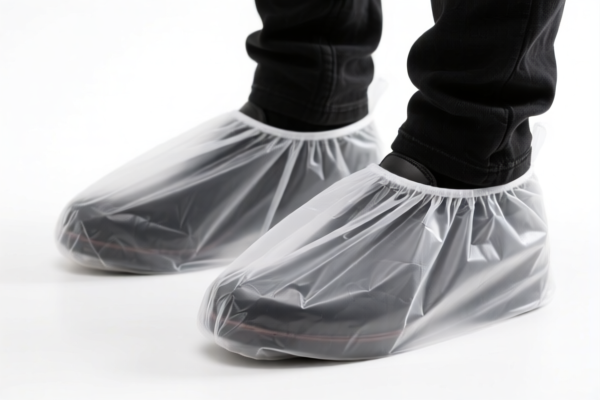
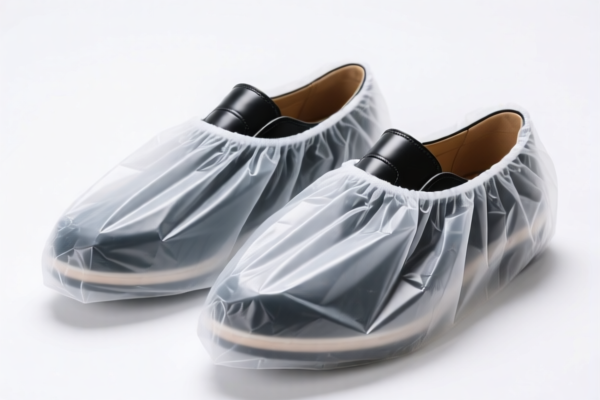
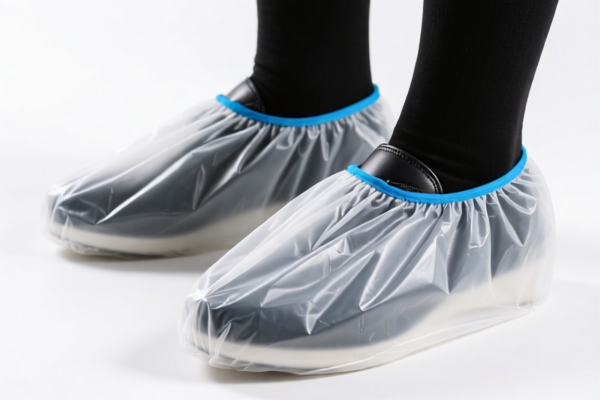
shoe covers eco friendly biodegradable
CN → US| HS Code | Tariff Rate | Origin | Destination | Doc |
|---|---|---|---|---|
| 3926201020 | 10.0% | CN | US | Official Doc |
| 3926204010 | 16.5% | CN | US | Official Doc |
| 4823908620 | 35.0% | CN | US | Official Doc |
| 4823908680 | 35.0% | CN | US | Official Doc |
| 6405902000 | 21.3% | CN | US | Official Doc |
| 6405909060 | 22.5% | CN | US | Official Doc |
Product Images

AI Analysis
🌿 Shoe Covers (Booties): Eco-Friendly & Biodegradable Solutions
🌐 HS Code Reference & Customs Clearance Guide | 2026 Latest Tariff Analysis | Professional Clearance Strategy
📌 I. Product Definition & Classification: Are You Using the Right "Eco" Label?
Eco-friendly, biodegradable shoe covers are disposable protective footwear used in medical, industrial, food processing, and cleanroom environments. Unlike traditional PVC or non-woven fabric shoe covers, biodegradable versions are typically made from plant-based materials (e.g., starch, PLA, bamboo fiber) or specific paper-based composites designed to break down naturally.
Crucial Distinction in Customs Classification:
Customs does not classify goods based on their environmental claim ("eco-friendly") but on their material composition and function.
⚠️ Key Classification Trap:
- If the shoe cover is made of paper (e.g., reinforced paper, cellulose wadding) → It belongs to Chapter 48 (Paper Products).
- If the shoe cover is made of plastics (even if biodegradable plastic like PLA) → It belongs to Chapter 39 (Plastics).
- If the shoe cover is made of rubber/textile (standard non-woven) → It belongs to Chapter 64 (Footwear).
📦 II. HS Code Classification Details (2026 Latest Tariff Authority)
Based on the provided dataset, here are the relevant HS Codes for "Shoe Covers" and similar disposable protective items, categorized by material.
| HS Code | Product Description | Material Basis | Key Feature for Clearance |
|---|---|---|---|
4823.90.86.20 |
Other Shoe Covers (Booties) of a kind described in statistical note 2 to this chapter | Paper / Paperboard | 🟢 Most Likely for "Biodegradable Paper" Covers. Explicitly mentions "Shoe Covers". |
4823.90.86.80 |
Other articles of paper pulp, paper, paperboard... Other | Paper / Paperboard | 🟡 For paper-based protective items that don't strictly fit the "statistical note 2" definition. |
3926.20.10.20 |
Gloves, mittens and mitts: Seamless Other: Disposable (Plastics) | Plastics (incl. Biodegradable PLA) | 🔴 Risk Area: If "biodegradable" means PLA/Plastic, it falls here as "Disposable Plastic Articles". |
3926.20.40.10 |
Gloves, mittens and mitts: Other: Other Disposable (Plastics) | Plastics (incl. Biodegradable PLA) | 🔴 Similar to above; applies if seamless classification doesn't apply. |
6405.90.20.00 |
Other footwear: Other: Disposable footwear, designed for one-time use | Rubber, Plastic, Textile, etc. | ⚫ Standard for disposable non-woven or plastic-coated shoe covers. |
6405.90.90.60 |
Other footwear: Other: Other Other | Various Materials | ⚫ For non-disposable or non-standard disposable footwear. |
🔍 Critical Note on "Biodegradable":
- Paper-based shoe covers (4823.90.86.20) are generally the safest bet for "eco-friendly" claims involving biodegradability.
- PLA/Plastic-based shoe covers (3926.20.10.20) are still classified as plastics under HS codes, regardless of their biodegradable property. Do not assume biodegradable = free of plastic tariffs.
💰 III. 2026 Latest Tariff Rate Breakdown (Including Surtaxes)
✅ Applicable Country: USA (US)
✅ Country of Origin: China (CN)
✅ Effective Date: 2025-11-10 (for subsequent imports)
🎯 1. 4823.90.86.20 – Shoe Covers (Paper-based, Biodegradable)
| Item | Content |
|---|---|
| Base Tariff | 0.0% |
| Surtax (Section 301/Trump Tariff) | +25.0% |
| Total Tax Rate | 25.0% |
| Tax Calculation | CIF Value × 25% |
| De Minimis Exemption | ❌ Not Eligible (Deny de minimis) |
| Legal Basis Path | USITC:4823.90.86.20 → FOOTNOTE:301_4823 |
📌 Interpretation:
- This is the most favorable code for paper-based biodegradable shoe covers.
- Despite the 25% surtax, it is significantly lower than many other plastic/textile categories under heavy scrutiny.
- Key Requirement: Must clearly state "Shoe Covers" and "Paper-based" in commercial invoice.
🎯 2. 3926.20.10.20 – Disposable Plastic Shoes/Gloves (If PLA/Bioplastic)
| Item | Content |
|---|---|
| Base Tariff | 0.0% |
| Surtax (Section 301/Trump Tariff) | 0.0% |
| Total Tax Rate | 0.0% |
| Tax Calculation | CIF Value × 0% |
| De Minimis Exemption | ❓ Check Eligibility (Often 0% may allow de minimis, but verify current CBP rules) |
| Legal Basis Path | USITC:3926.20.10.20 |
📌 Interpretation:
- Surprising Benefit: If your "biodegradable" shoe cover is made of plastic (even PLA), it may qualify for 0% total tariff.
- Risk: Customs may challenge the classification if the product looks like footwear (6405) rather than "plastic articles" (3926). Ensure it is clearly marketed as a "protective cover" not "footwear".
🎯 3. 6405.90.20.00 – Disposable Footwear (Standard Non-Woven/Rubber)
| Item | Content |
|---|---|
| Base Tariff | 3.8% |
| Surtax (Section 301/Trump Tariff) | +7.5% |
| Total Tax Rate | 11.3% |
| Tax Calculation | CIF Value × 11.3% |
| De Minimis Exemption | ❌ Not Eligible (Deny de minimis) |
| Legal Basis Path | USITC:6405.90.20.00 → FOOTNOTE:301_6405 |
📌 Interpretation:
- This is the standard code for disposable shoe covers (non-woven, polypropylene).
- 11.3% Total Tax is moderate but higher than paper-based (25%surtax only) or plastic-based (0%).
- Note: The 25% surtax on paper (4823) is higher than the 7.5% surtax here, but the base tax is 0%. Calculate carefully based on CIF value.
🎯 4. 6405.90.90.60 – Other Footwear (Non-Disposable)
| Item | Content |
|---|---|
| Base Tariff | 0.0% |
| Surtax | 0.0% |
| Total Tax Rate | 0.0% |
| Tax Calculation | CIF Value × 0% |
| De Minimis Exemption | ❓ Likely Eligible |
| Legal Basis Path | USITC:6405.90.90.60 |
📌 Interpretation:
- Only for non-disposable or re-usable protective footwear.
- Do not use for disposable shoe covers. Misclassification can lead to seizure and penalties.
🛠️ IV. Customs Clearance Practical Advice (Avoid Pitfalls)
✅ 1. Preparation Checklist (Non-Negotiable)
| Document | Required? | Explanation |
|---|---|---|
| ✅ Product Composition Statement | ✔️ | Must specify: "100% Paper" or "PLA Bioplastic" or "Non-woven Polypropylene". |
| ✅ Biodegradability Certificate | ✔️ | Optional but recommended for marketing. Must not contradict HS code material claim. |
| ✅ Commercial Invoice | ✔️ | Must clearly state: "Disposable Shoe Covers (Booties)", NOT "Footwear" if classified under Chapter 39/48. |
| ✅ Product Photos | ✔️ | Show packaging, material texture, and clear labeling of "Disposable" and "One-time use". |
| ✅ HS Code Pre-Ruling | ✔️ | Highly recommended for PLA/plastic biodegradable products to avoid reclassification from 6405 to 3926. |
✅ 2. Declaration Tips (Key Mnemonic)
🔥 "Material Defines Code, Not 'Eco' Label!"
| Scenario | Correct Declaration | Wrong Declaration | Consequence |
|---|---|---|---|
| Paper-based Biodegradable | 4823.90.86.20 |
6405.90.20.00 |
Overpay tax? No, but risk of penalty for wrong material. |
| PLA (Bioplastic) Shoe Covers | 3926.20.10.20 |
6405.90.20.00 |
0% Tax vs 11.3%. Huge saving! But must prove it's "plastic article" not "footwear". |
| Standard Non-Woven (PP) | 6405.90.20.00 |
4823.90.86.20 |
Wrong Code. Paper code cannot be used for plastic/textile. |
| Reusable Rubber Boots | 6405.90.90.60 |
6405.90.20.00 |
Wrong Code. Disposables cannot be declared as non-disposable. |
✅ 3. Special Case Handling
| Situation | Handling Advice |
|---|---|
| "Eco-Friendly" Claims | Do not write "Eco-Friendly" as the primary HS description. Use it in the Marketing Description. Customs cares about material (Paper/Plastic) and function (Disposable Cover). |
| PLA Bioplastic Classification | PLA is chemically a plastic. Classify under Chapter 39. If you classify under Chapter 48 (Paper), customs will reject it. If you classify under Chapter 64 (Footwear), you pay 11.3% instead of 0%. Choose 3926.20.10.20 for best tax rate. |
| Paper-Based Shoe Covers | Use 4823.90.86.20. Explicitly state "Shoe Covers of Paper" in invoice. |
| Mixed Materials | If the shoe cover has a plastic coating on paper, it may fall under Chapter 39. Consult a customs broker. |
🌍 V. Global Market Comparison (2026 Latest)
| Country/Region | Recommended HS Code | Total Tax Rate (China Origin) | Certification | Notes |
|---|---|---|---|---|
| 🇺🇸 USA | 3926.20.10.20 (PLA) |
0% | None | Best for biodegradable PLA. |
| 🇺🇸 USA | 4823.90.86.20 (Paper) |
25% | None | High surtax, but 0% base. |
| 🇺🇸 USA | 6405.90.20.00 (Non-Woven) |
11.3% | None | Standard for PP shoe covers. |
| 🇨🇳 China | 4823.90.86.20 |
0% | None | No surtax in China. |
| 🇪🇺 EU | 6405.90.00 |
Varies (0-10%) | CE, REACH | EU has stricter biodegradability standards. |
| 🇬🇧 UK | 6405.90.00 |
Varies (0-10%) | UKCA | Post-Brexit rules apply. |
📌 Conclusion:
- USA is the most critical market due to Section 301 Surtaxes.
- PLA/Bioplastic shoe covers can enjoy 0% Total Tax in the USA if correctly classified under3926.
- Paper-Based shoe covers face 25% Surtax in the USA.
- Non-Woven (PP) shoe covers face 11.3% Total Tax in the USA.
📌 VI. Common Mistakes & Pitfalls (Blood Lessons)
❌ Mistake 1: Classifying PLA Biodegradable Shoe Covers as 6405.90.20.00 (Footwear)
👉 Consequence: Pay 11.3% tax instead of 0%. Missed savings!
❌ Mistake 2: Using "Eco-Friendly" as the HS Description
👉 Consequence: Customs ignores the claim. If material is not specified, they may assign a higher default tax rate or hold the shipment.
❌ Mistake 3: Misclassifying Paper Shoe Covers as 3926 (Plastics)
👉 Consequence: Incorrect clearance. Paper is Chapter 48. Plastics are Chapter 39. Misclassification leads to penalties.
❌ Mistake 4: Claiming De Minimis for Paper-Based Shoe Covers (4823.90.86.20)
👉 Consequence: Denied. Paper products under this code are subject to surtax and do not qualify for de minimis exemption in many cases.
✅ Correct Approach:
"Disposable Shoe Covers (Booties), Made of Polylactic Acid (PLA), Biodegradable, One-Time Use, 100% Plastic Material" → HS:
3926.20.10.20, Tax: 0%
🎯 VII. Conclusion: Professional Classification Saves Money!
🎯 Remember the Mnemonic:
🔹 "PLA is Plastic, 0% Tax in USA!"
🔹 "Paper is Paper, 25% Surtax in USA!"
🔹 "Non-Woven is Footwear, 11.3% Total in USA!"
🔹 "Eco-Friendly is Marketing, Material is Law!"
📌 Pro Tip:
If you are importing PLA-based biodegradable shoe covers, insist on classification under 3926.20.10.20. This is the lowest tax rate (0%) for biodegradable options in the US. Ensure your supplier provides a Material Safety Data Sheet (MSDS) confirming the material is PLA (Plastic) and not paper or rubber.
📣 Immediate Action:
📞 Contact your customs broker with the Material Composition Report.
🚀 Declare as "Plastic Articles" (3926.20.10.20) if PLA-based to achieve 0% Tax.
💼 Save 11.3% or 25% in taxes with correct classification!
✨ Professional Clearance Starts with Precise Classification!
💼 Your Bottom Line Depends on HS Code Accuracy!
Customer Reviews
About HS Code Classification
The Harmonized System (HS) is an internationally standardized nomenclature developed by the World Customs Organization (WCO) to classify traded products. Over 200 countries use the HS system as the basis for customs tariffs, trade statistics, and import/export regulations.
Each HS code follows a hierarchical structure:
- Chapter (2 digits) — Broad category of goods (e.g., Chapter 84: Machinery and Mechanical Appliances)
- Heading (4 digits) — More specific grouping within the chapter
- Subheading (6 digits) — Internationally standardized breakdown, used by all WCO member countries
- National subdivisions (8-10 digits) — Country-specific extensions for further classification, such as US HTSUS 10-digit codes
Correct HS code classification is essential for smooth customs clearance, accurate duty payment, and compliance with trade regulations. Misclassification can lead to customs delays, overpayment of duties, or penalties.
When importing from CN to US, the applicable tariff rates may include:
- Most-Favored-Nation (MFN) rate — The standard duty rate applied to WTO members
- General rate — Applied to countries without trade agreements
- Trade remedy duties — Additional tariffs such as Section 301 (anti-dumping), Section 232 (national security), or countervailing duties
The information provided on this page is for reference purposes only. For official classification, please consult with your local customs authority or a licensed customs broker.